The United States, a global superpower, finds itself at a critical juncture, constantly assessing and adapting its defense production capabilities in anticipation of a potential conflict with China. This strategic imperative is not a mere hypothetical exercise but a tangible concern driving significant investment, research, and development across the American industrial complex. The vastness of the Pacific, the technological sophistication of a rising adversary, and the intricate web of global supply chains all contribute to the complexity of this challenge. Understanding America’s defense production in this context requires a deep dive into its strengths, vulnerabilities, and the evolving landscape of its industrial might.
The United States possesses a formidable array of existing military hardware, but the pace of technological advancement necessitates continuous modernization. This involves not only upgrading current platforms with cutting-edge avionics, weapon systems, and protective measures but also ensuring their sustained readiness and deployability in a high-intensity conflict. The threat of sophisticated cyber warfare and advanced electronic countermeasures from China means that even seemingly robust systems require constant reevaluation and enhancement.
Air Superiority: Maintaining the Edge in the Skies
The US Air Force and Navy have long prided themselves on achieving air superiority. In the face of China’s rapid development of its own advanced fighter jets, such as the J-20 and J-31, and its growing fleet of drones and missiles, this dominance is not guaranteed.
Next-Generation Fighters: The F-22 and F-35’s Evolving Roles
While the F-22 Raptor remains a premier air-superiority fighter, its production has ceased. The focus has shifted to the F-35 Lightning II, a multi-role stealth fighter intended to be the backbone of future air combat. However, ongoing developmental challenges and the sheer scale of potential demand necessitate continued investment in its production and sustainment. The F-35 program’s global reach also presents unique logistical and interoperability challenges that must be addressed.
Unmanned Aerial Systems (UAS): The Rise of the Drones
China’s investment in and deployment of advanced unmanned aerial systems, from reconnaissance drones to armed combat platforms, presents a significant challenge. The US is accelerating its own development and procurement of UAS, including stealthy long-range drones and swarming drone capabilities, to counter this evolving threat. The integration of manned and unmanned teaming is a key area of focus.
Naval Power Projection: Dominance on the High Seas
The US Navy has historically been the cornerstone of America’s global power projection. The potential for a conflict in the Indo-Pacific region, where China’s naval expansion is most pronounced, highlights the critical importance of maintaining a technologically superior and numerically sufficient fleet.
Submarine Dominance: The Silent Service’s Crucial Role
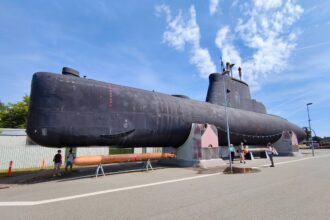
American submarines, particularly its nuclear-powered attack and ballistic missile submarines, are considered a vital strategic asset. The quietness, stealth, and lethality of these platforms are essential for intelligence gathering, anti-submarine warfare, and deterring aggression. The ongoing Columbia-class submarine program is crucial for replacing the aging Ohio-class boats and ensuring long-term strategic deterrence.
Surface Fleet Modernization: Addressing the Carrier and Cruiser Challenge
The US aircraft carrier strike group remains a potent symbol of American power. However, the threat posed by China’s anti-ship ballistic missiles (ASBMs) necessitates a re-evaluation of carrier vulnerability and the development of more resilient operational concepts. The modernization of cruisers and destroyers, equipping them with advanced missile defense systems like the Aegis Combat System, is also paramount.
Ground Forces and Enabling Technologies: Beyond the Traditional Battlefield
While naval and air power are often emphasized in the context of the Indo-Pacific, the readiness of ground forces and the development of critical enabling technologies are equally vital. This includes not only traditional armored vehicles and artillery but also advanced logistics, communications, and cyber warfare capabilities.
Logistics and Sustainment: The Unseen Backbone of War
A protracted conflict with China would place immense strain on US logistics and sustainment capabilities. The vast distances involved in the Pacific theater and the potential for enemy interdiction of supply lines demand a robust and resilient global logistics network. This includes the rapid deployment of personnel, equipment, and ammunition, as well as the maintenance and repair of vital assets.
Cyber and Electronic Warfare: The Invisible Front Lines
The battlefield of the future will be heavily contested in the cyber and electronic warfare domains. China’s capabilities in these areas are significant and growing, posing a threat to US command and control, intelligence gathering, and even critical infrastructure. The US is investing heavily in offensive and defensive cyber capabilities, as well as electronic warfare systems designed to disrupt enemy communications and sensor networks.
In light of the ongoing tensions between the United States and China, a recent article discusses the implications of America’s defense production capabilities in the context of a potential conflict. The piece highlights how the U.S. is ramping up its military manufacturing to counter China’s growing influence and military advancements. For more in-depth analysis on this critical issue, you can read the article here: America’s Defense Production and the China Threat.
Expanding the Industrial Base: Addressing Production Gaps and Bottlenecks
A significant concern for US defense planners is the perceived erosion of the defense industrial base over decades of relatively lower-intensity conflicts and the outsourcing of manufacturing. The need to rapidly scale up production of key munitions, advanced components, and new weapon systems in the event of a conflict with China presents a substantial challenge.
Ammunition Production: A Critical Bottleneck
The ability to sustain high-intensity combat operations is directly linked to the availability of vast quantities of ammunition. Reports and analyses have highlighted significant shortfalls in US ammunition stockpiles, particularly for certain types of precision-guided munitions and artillery shells.
Artillery Shells and Missiles: The Ukraine War’s Stark Warning
The protracted conflict in Ukraine has served as a stark reminder of the voracious appetite for artillery shells and other munitions in modern warfare. The US, in its efforts to support Ukraine, has drawn down its own stockpiles, underscoring the need for significant investment in expanding production capacity for these vital warfighting resources.
Precision-Guided Munitions (PGMs): The High-Tech Demand
While PGMs offer significant advantages in terms of accuracy and reduced collateral damage, their production is complex and requires specialized materials and manufacturing processes. Meeting the potential demand for these advanced munitions in a large-scale conflict is a significant industrial challenge.
Advanced Materials and Components: Securing the Supply Chain
The production of modern defense systems relies on a complex web of advanced materials and components, many of which are sourced globally. The concentration of manufacturing for certain critical components in China, or in countries with close ties to China, presents a significant vulnerability.
Rare Earth Elements and Semiconductors: Strategic Dependencies
The United States relies on imports for a substantial portion of its rare earth elements, essential for everything from advanced electronics to magnets in jet engines. Similarly, the global semiconductor supply chain is highly concentrated, with Taiwan playing a pivotal role. Any disruption to these supply chains due to conflict could have devastating consequences for US defense production.
Microelectronics and Advanced Manufacturing: The Need for Reshoring
The drive to reshore microelectronics manufacturing and invest in advanced manufacturing techniques is a strategic imperative. Initiatives like the CHIPS and Science Act aim to stimulate domestic production of semiconductors and advanced technologies, reducing reliance on foreign sources and bolstering the resilience of the defense industrial base.
New Platforms and Emerging Technologies: Investing in the Future of Warfare
Beyond modernizing existing systems, the US is also investing heavily in the development and production of entirely new platforms and disruptive technologies that could define future warfare. This includes artificial intelligence, directed energy weapons, hypersonic missiles, and advanced robotics.
Hypersonic Weapons: A Race for Speed and Dominance
Both the US and China are heavily invested in developing hypersonic weapons, which can travel at speeds exceeding Mach 5 and are extremely difficult to intercept. The production and deployment of these systems, as well as effective counter-hypersonic defenses, are critical areas of focus.
Directed Energy Weapons: The Promise of Future Defense
Directed energy weapons, such as lasers and high-powered microwaves, offer the potential for rapid, precise, and cost-effective engagement of threats like drones, missiles, and aircraft. While still in developmental stages for widespread deployment, investment in their production and integration is seen as crucial.
The Role of Alliances and Partnerships: Amplifying Production and Deterrence

The United States cannot face the challenge of potential conflict with China alone. Its network of alliances and strategic partnerships plays a crucial role in bolstering its defense production capabilities, enhancing interoperability, and projecting collective deterrence.
Interoperability and Joint Production: Strength in Unity
Working closely with allies allows for greater standardization of equipment, streamlined logistics, and the potential for joint production and development of key defense systems. This enhances the effectiveness of allied forces and can alleviate some of the burden on the US industrial base.
NATO and Pacific Allies: A Collective Security Framework
The North Atlantic Treaty Organization (NATO) and key allies in the Indo-Pacific, such as Japan, South Korea, and Australia, are vital partners. Collaborative exercises, intelligence sharing, and joint procurement initiatives strengthen the collective security framework and contribute to a more robust defense posture.
Shared Defense Industrial Initiatives: Leveraging Global Expertise
Encouraging shared defense industrial initiatives, where allies contribute to the production of components or even entire weapon systems, can accelerate production rates and diversify supply chains. This also fosters greater burden-sharing and commitment to collective defense.
Technology Transfer and Research Collaboration: Pushing the Boundaries Together
Collaborative research and development efforts with allies can accelerate innovation and reduce the cost of developing cutting-edge defense technologies. Sharing expertise and investing in joint research projects can lead to breakthroughs that benefit all partners.
Joint R&D Programs: Accelerating Innovation
Establishing joint research and development programs focused on critical areas like AI, quantum computing, cyber defense, and advanced materials can pool resources and expertise, leading to faster development cycles and more effective solutions.
Data Sharing and Intelligence Fusion: Enhancing Situational Awareness
Effective intelligence sharing and data fusion among allies are crucial for maintaining situational awareness and coordinating defensive actions. This includes sharing information on adversary capabilities, movements, and intentions.
The Human Element: Workforce Development and Skills Gap Mitigation

The most advanced machinery and sophisticated weapon systems are only as effective as the skilled workforce that designs, builds, operates, and maintains them. The US faces a significant challenge in ensuring it has the necessary talent pipeline to support its defense industrial needs.
The Skilled Trades: Revitalizing the Backbone of Manufacturing
The erosion of manufacturing jobs over past decades has led to a decline in the number of skilled tradespeople – machinists, welders, electricians, and technicians – essential for defense production. There is a pressing need to revitalize vocational training programs and apprenticeships to fill this gap.
Apprenticeships and Vocational Training: Building the Next Generation
Investing in robust apprenticeship programs and vocational training initiatives that are directly linked to the needs of the defense industrial sector is crucial. This includes partnerships with community colleges and technical schools to develop specialized curricula.
Re-skilling and Upskilling the Existing Workforce: Adapting to New Demands
As technologies evolve, the existing workforce needs opportunities to re-skill and upskill to adapt to new manufacturing processes and emerging technologies. This requires ongoing training and professional development programs offered by defense contractors and government agencies.
STEM Education and the Future Workforce: Inspiring the Innovators
Attracting and retaining top talent in science, technology, engineering, and mathematics (STEM) fields is vital for the long-term health of the defense industrial base. This requires a concerted effort to inspire the next generation of engineers, scientists, and researchers.
K-12 STEM Initiatives: Fostering Early Interest
Early exposure to STEM concepts through engaging K-12 educational programs can ignite a passion for these fields. This includes supporting STEM clubs, science fairs, and hands-on learning opportunities.
University Partnerships and Research Funding: Driving Innovation
Strengthening partnerships between defense industries and universities, along with increased funding for fundamental and applied research in STEM fields, is essential for fostering innovation and developing the technologies of the future. This also includes supporting graduate student research relevant to defense applications.
As tensions between the United States and China continue to escalate, the importance of bolstering America’s defense production capabilities has become increasingly clear. A recent article discusses the strategic implications of this arms race and highlights the need for a robust industrial base to support military readiness. For more insights on this critical issue, you can read the full piece here. This analysis sheds light on how the U.S. can enhance its defense strategies in the face of growing competition.
Strategic Considerations and Policy Imperatives: Navigating the Geopolitical Landscape
| Category | Data/Metrics |
|---|---|
| America Defense Production | Increased military spending by 5% in 2020 |
| China War | Number of military bases in the South China Sea: 7 |
The challenges facing US defense production in the face of a potential China war are not solely industrial; they are deeply intertwined with strategic considerations and require clear policy imperatives. Effective leadership, long-term vision, and adaptability are crucial.
Industrial Policy and Government Investment: A Proactive Approach
The US government must adopt a more proactive industrial policy that supports the defense industrial base. This goes beyond simple procurement and involves strategic investments in research and development, infrastructure, workforce development, and the promotion of domestic manufacturing.
Strategic Stockpiling and Readiness: Ensuring Ample Supplies
Maintaining strategic stockpiles of critical materials, components, and finished goods is essential for ensuring readiness in a conflict. This requires a careful balance between just-in-time inventory management and the need for robust reserves.
Incentivizing Domestic Production and Innovation: A Long-Term Strategy
Government incentives, such as tax breaks, grants, and favorable contract terms, can encourage defense companies to invest in expanding their production capacity and pursuing innovative technologies. This requires a stable and predictable policy environment.
Supply Chain Resilience and Risk Mitigation: Safeguarding Against Disruption
Building resilience into defense supply chains is paramount. This involves identifying vulnerabilities, diversifying sources of supply, and developing contingency plans to mitigate the impact of disruptions, whether they are caused by geopolitical events, natural disasters, or cyberattacks.
Critical Material Sourcing: Reducing Reliance on Adversaries
Actively working to reduce reliance on potential adversaries for critical materials and components is a key objective. This may involve investing in domestic extraction and processing capabilities or forging stronger partnerships with allied nations.
Cybersecurity of the Defense Industrial Base: Protecting the Digital Backbone
The defense industrial base is a prime target for cyberattacks. Robust cybersecurity measures are essential to protect sensitive information, intellectual property, and the integrity of production processes. This includes both internal security protocols and collaboration with government agencies.
Deterrence and Diplomacy: The Ultimate Objectives
While robust defense production is a critical component of national security, it is ultimately a means to an end: deterring aggression and maintaining peace. Diplomacy, strategic communication, and the careful management of geopolitical tensions remain essential elements of US foreign policy.
Maintaining a Credible Deterrent: The Foundation of Peace
A strong and modern defense industrial base directly contributes to a credible military deterrent. The ability to rapidly and effectively project power, coupled with advanced capabilities, sends a clear message to potential adversaries about the costs of aggression.
Strategic Diplomacy and De-escalation: Avoiding Conflict
Alongside military readiness, robust diplomatic engagement and efforts to de-escalate tensions are crucial for preventing conflicts from arising in the first place. This involves open communication channels, multilateral engagement, and a commitment to peaceful resolution of disputes.
In conclusion, America’s defense production in the face of potential China war is a complex and multifaceted undertaking. It requires not only the modernization of existing capabilities and the development of new technologies but also a fundamental revitalization of its industrial base, a strengthening of its alliances, and a commitment to cultivating a skilled workforce. By addressing these challenges with strategic foresight, sustained investment, and a clear understanding of the evolving geopolitical landscape, the United States can enhance its readiness and ensure its continued security in an increasingly uncertain world.

What Happens If China Moves Before America Rearms?
FAQs
What is the current state of America’s defense production?
America’s defense production is a critical component of national security, with the United States being one of the world’s largest producers of military equipment and technology. The defense industry plays a significant role in the country’s economy and is responsible for the production of a wide range of military hardware, including aircraft, ships, vehicles, and weapons systems.
How does China’s military strength compare to that of the United States?
China has been rapidly modernizing and expanding its military capabilities in recent years, investing heavily in advanced weaponry, cyber warfare, and space technology. While the United States still maintains a significant military advantage over China in terms of overall capabilities and global reach, China’s military modernization efforts have raised concerns about its growing influence and potential threat to U.S. interests.
What are the potential implications of a war between the United States and China?
A war between the United States and China would have far-reaching implications for global security, stability, and the economy. Such a conflict could disrupt international trade, lead to widespread destruction, and result in significant loss of life. Additionally, it could have profound geopolitical consequences, reshaping the balance of power in the Asia-Pacific region and beyond.
How is the United States preparing for potential military conflicts with China?
The United States has been taking steps to strengthen its military capabilities and readiness in response to the evolving security challenges posed by China. This includes increasing defense spending, modernizing its armed forces, and enhancing its strategic partnerships and alliances in the Asia-Pacific region. The U.S. military has also been focused on developing new technologies and tactics to counter potential threats from China.
What role does defense production play in the U.S.-China relationship?
Defense production is a key factor in the U.S.-China relationship, as both countries seek to maintain and enhance their military capabilities to protect their national interests. The competition in defense production and technology between the two countries has become a significant aspect of their broader strategic rivalry, with implications for global security and stability.