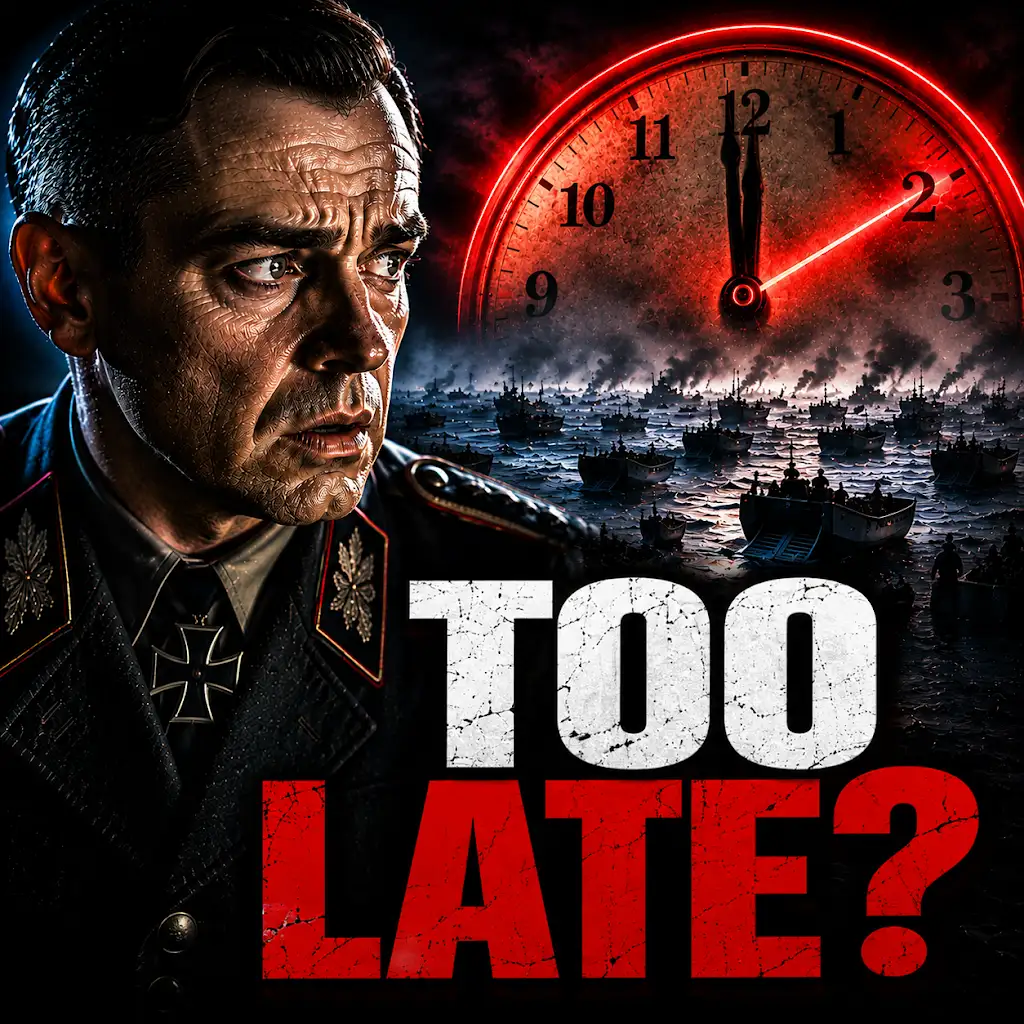
Allied air superiority on D-Day was not merely an advantage; it was a prerequisite for the entire operation’s success. The thunderous roar of aircraft overhead on June 6, 1944, signified more than just an invasion; it represented a meticulously achieved dominance that fundamentally reshaped the battlefield before a single soldier touched the sand. This essay will explore the multifaceted nature of Allied air superiority on D-Day, examining its strategic implications, the operational planning that underpinned it, the diverse array of aircraft that contributed to it, the crucial role of intelligence and deception, and the enduring impact of this overwhelming aerial dominance on the course of the Normandy invasion and the war in Europe.
The liberation of Western Europe, a monumental undertaking codenamed Operation Overlord, hinged on the ability of the Allies to land a substantial force on the continent and sustain it against a determined German defense. Without undisputed control of the skies, this ambition would have been suicidal. The German Luftwaffe, while diminished, still possessed capable aircraft and experienced pilots. Had they retained the ability to challenge Allied air power over the invasion beaches, the carefully orchestrated amphibious assault would have been crippled.
Preventing German Reinforcements
One of the most critical strategic objectives of achieving air superiority was to prevent the rapid deployment of German armored and infantry reinforcements to the Normandy front. The German military doctrine relied heavily on mobile reserves, particularly its Panzer divisions, to counter any enemy breakthrough. Allied aircraft, specifically fighter-bombers and medium bombers, were tasked with interdicting these forces. By destroying bridges, railway lines, and the vehicles themselves, Allied air power acted as a vital cordon, slowing and often halting the movement of German troops and equipment towards the beaches. This bought invaluable time for the Allied ground forces to establish a secure beachhead and expand their foothold.
Isolating the Battlefield
Beyond preventing reinforcements, air superiority served to isolate the Normandy battlefield from the rest of occupied Europe. Allied bombers systematically targeted German airfields, radar installations, and command and control centers in France and the Low Countries. This campaign, known as the Transportation Plan or “Battle of the Rails,” aimed to cripple the enemy’s ability to communicate, coordinate, and resupply their forces in Normandy. The relentless bombing of infrastructure meant that German commanders in the invasion zone operated with limited information and received far fewer supplies and reinforcements than they desperately needed.
Enabling Amphibious Assaults
The direct support provided by Allied aircraft to the landing craft and troops during the amphibious assault itself cannot be overstated. As the invasion fleet sailed across the English Channel, it was vulnerable to air attack. Allied fighter escorts patrolled the skies, ensuring the safe passage of hundreds of ships. Once the landing craft neared the shore, fighter-bombers and ground-attack aircraft provided close air support, suppressing enemy defenses, bombing fortifications, and engaging any German artillery or armored vehicles that threatened the assaulting waves. This direct, on-the-ground intervention was vital for reducing casualties and allowing the troops to disembark and advance inland.
Psychological Impact on the Enemy
The omnipresent and overwhelming presence of Allied aircraft had a profound psychological impact on German soldiers and civilians alike. The skies, once a potential avenue for German defense, became a source of constant dread and destruction. This psychological warfare eroded morale, contributed to a sense of impending doom, and made the German defense feel increasingly hopeless. The inability to mount an effective aerial counter-offensive signaled a fundamental breakdown in their defensive capabilities.
The Operational Mechanics of Air Superiority
Achieving and maintaining air superiority over such a vast area and for an extended period was an immense logistical and operational challenge. It required meticulous planning, vast resources, and the coordinated efforts of multiple air forces.
The Strategic Bombing Campaign
The groundwork for D-Day’s air superiority was laid years in advance through the Allied strategic bombing campaign. This campaign, primarily conducted by the United States Army Air Forces (USAAF) and the Royal Air Force (RAF), systematically degraded the German war machine.
Industrial Disruption
The bombing of German factories, oil refineries, and industrial centers aimed to cripple their ability to produce aircraft, fuel, and munitions. While the effectiveness of this campaign is debated, it undeniably diverted significant German resources and manpower to air defense and reconstruction.
Luftwaffe Attrition
The constant engagement with Allied bombers and their fighter escorts led to a significant attrition of German fighter pilots and aircraft. By D-Day, the Luftwaffe was a shadow of its former self, lacking the numbers, experience, and modern equipment to contest Allied air supremacy.
Tactical Air Operations Leading Up to D-Day
In the weeks and months immediately preceding D-Day, Allied tactical air forces intensified their operations to pave the way for the invasion. This phase was crucial for softening up defenses and creating the conditions for a successful landing.
Transportation Plan Execution
The systematic bombing of transportation infrastructure, as mentioned earlier, was a cornerstone of the tactical build-up. Bridges over the Seine and Loire rivers, key railway junctions, and marshaling yards were targeted relentlessly. This significantly hampered German troop movements and supply lines towards the coast.
Coastal Defenses Neutralization
Allied fighter-bombers and medium bombers conducted targeted raids on German coastal artillery batteries, bunkers, and other fortifications along the Atlantic Wall. While many of these defenses were heavily reinforced, the constant aerial bombardment degraded their effectiveness and inflicted casualties on their crews, reducing their ability to inflict heavy losses on the invasion fleet.
Airfield Attacks
A significant effort was made to destroy German aircraft on the ground and cripple their airfields. By attacking these facilities, the Allies aimed to prevent the Luftwaffe from mounting any concerted air defense operations on D-Day. Many airfields were bombed repeatedly, and runways were cratered, forcing German aircraft to operate from dispersed or less prepared locations.
The Role of Allied Fighter Command
The RAF’s Fighter Command played a pivotal role in achieving and maintaining air superiority over Britain and the Channel.
Air Defense of Britain
For years, Fighter Command had been responsible for defending Britain against German air raids. This experience and the continuous development of radar and fighter aircraft provided a solid foundation for offensive air operations over France.
Offensive Patrols and Sweeps
Leading up to D-Day, RAF Fighter Command conducted numerous offensive patrols and sweeps over occupied France. These missions aimed to draw out German fighter formations, engage them in combat, and destroy them. This attrition strategy was critical in depleting the Luftwaffe’s strength.
The Diverse Arsenal of Allied Air Power
The Allied air forces deployed an astonishing array of aircraft on D-Day, each playing a specific and vital role in achieving and maintaining air superiority. This diverse capability ensured that the Allies could counter any threat and provide comprehensive support to the ground forces.
Fighters: The Eyes and Claws of the Sky
Fighter aircraft formed the backbone of Allied air superiority. Their speed, maneuverability, and armament made them essential for air-to-air combat, escort duties, and ground attack.
The Spitfire
The Supermarine Spitfire, a legendary British fighter, was present in large numbers. Its agility and excellent performance made it a formidable opponent for any German aircraft.
The Hurricane
While often overshadowed by the Spitfire, the Hawker Hurricane was a workhorse that played a crucial role, particularly in ground-attack roles with its ability to carry bombs.
The Mustang
The North American P-51 Mustang, especially later variants powered by the Merlin engine, was arguably the most significant Allied fighter of the war. Its long range allowed it to escort bombers all the way to Berlin and back, and it was a deadly threat to the Luftwaffe over France.
The Thunderbolt
The Republic P-47 Thunderbolt, a heavily armed and robust fighter-bomber, was instrumental in ground attack missions, delivering devastating firepower against enemy positions.
Bombers: Delivering the Punch from Above
Bombers provided the heavy firepower needed to neutralize German defenses and disrupt their infrastructure.
Medium Bombers: The Workhorses
Aircraft like the Boeing B-26 Marauder and the de Havilland Mosquito, a versatile twin-engine aircraft used for bombing and reconnaissance, provided crucial close air support and tactical bombing.
Heavy Bombers: The Strategic Hammer
While their primary role was strategic bombing of Germany, heavy bombers like the B-17 Flying Fortress and the B-24 Liberator were also employed in support of D-Day by bombing targets far inland that could impact the German war effort.
Ground Attack and Reconnaissance Aircraft
Specialized aircraft were vital for providing direct support to ground troops and gathering intelligence.
The Typhoon and Mosquito (Ground Attack Variants)
These aircraft were heavily armed and equipped to deliver bombs and rockets with precision, directly supporting the advancing infantry.
The Mosquito (Reconnaissance Variants)
The speed and high altitude capabilities of the reconnaissance Mosquito made it invaluable for mapping enemy positions, assessing bomb damage, and providing real-time intelligence.
Transport Aircraft: Enabling the Airborne Assault
While not directly involved in air-to-air combat, transport aircraft were critical for delivering airborne troops and their equipment.
The C-47 Skytrain
This ubiquitous aircraft was the backbone of the airborne assault, dropping thousands of paratroopers and towing gliders filled with vital supplies and heavy equipment.
Intelligence, Deception, and the Air War
The successful achievement of air superiority was not solely a matter of aerial combat and bombing. It was intricately linked with a sophisticated intelligence and deception campaign that manipulated German understanding of Allied intentions and capabilities.
Ultra and Codebreaking
The breaking of German codes, particularly through the intelligence gathered at Bletchley Park (Ultra), provided the Allies with invaluable insights into German troop dispositions, defensive plans, and even their perception of Allied air strength. This intelligence allowed for more precise targeting of air attacks and informed deception strategies.
Deception Operations: Operation Fortitude
The elaborate deception operations, most notably Operation Fortitude, aimed to convince the Germans that the main Allied invasion would occur at the Pas-de-Calais, not Normandy.
False Air Activity
The Allies created a phantom army, FUSAG (First United States Army Group), under the command of General George S. Patton, complete with dummy tanks, inflatable aircraft, and radio traffic. This deception drew German air reconnaissance and fighter units away from the true invasion area in Normandy.
Misinformation and Propaganda
Strategic misinformation disseminated through various channels led German intelligence to believe that significant air power was being concentrated in the southeast of England, further reinforcing the Pas-de-Calais illusion. This effectively neutralized potential German air responses in Normandy by drawing their attention elsewhere.
Air Reconnaissance and Photo-Intelligence
Constant aerial reconnaissance missions provided crucial visual intelligence of German defenses, troop movements, and the effectiveness of Allied bombing. High-altitude photoreconnaissance aircraft, often the Mosquito, meticulously mapped the invasion beaches and their hinterlands, allowing for precise targeting of fortifications and defenses. This detailed knowledge enabled Allied air commanders to plan their attacks with confidence, knowing exactly where and when to strike.
The Lasting Legacy of Air Superiority on D-Day
The overwhelming Allied air superiority on D-Day was not a fleeting moment but a sustained dominance that fundamentally shaped the outcome of the invasion and, consequently, the war in Europe.
Reducing Casualties on the Beaches
The suppression of German air and ground defenses by Allied aircraft significantly reduced the casualties that would have otherwise been incurred by the assaulting infantry. The ability to neutralize artillery batteries and machine-gun nests from the air provided a vital protective umbrella for the troops landing on the beaches.
Enabling Ground Force Advancement
Once the beachhead was secured, Allied air power continued to provide essential close air support, enabling the ground forces to break out of the initial lodgments and advance inland. The constant threat of air attack demoralized German defenders and disrupted their attempts to mount counter-attacks.
The Psychological Defeat of the Luftwaffe
D-Day marked a decisive moment in the decline of the Luftwaffe. The inability of the German air force to mount any significant challenge to Allied air power over Normandy was a profound psychological blow. It signaled the loss of air superiority for the remainder of the war in Europe.
A Blueprint for Future Invasions
The success of Operation Overlord, heavily reliant on air superiority, established a precedent for future amphibious operations. The integration of air power as a decisive factor in invasion planning became a cornerstone of modern military strategy. The meticulous planning, vast resources, and coordinated application of air power demonstrated on D-Day served as a powerful lesson for military planners worldwide.
In conclusion, Allied air superiority on D-Day was a complex and multifaceted achievement. It was the product of years of strategic bombing, meticulous operational planning, the deployment of a diverse and potent aircraft arsenal, and the masterful use of intelligence and deception. This dominance was not merely a tactical advantage; it was the bedrock upon which the entire invasion was built, a crucial element that minimized casualties, facilitated the ground assault, and ultimately paved the way for the liberation of Europe. The roar of Allied aircraft over Normandy on June 6, 1944, was the sound of freedom, a testament to the power of aerial might wielded with purpose and precision.