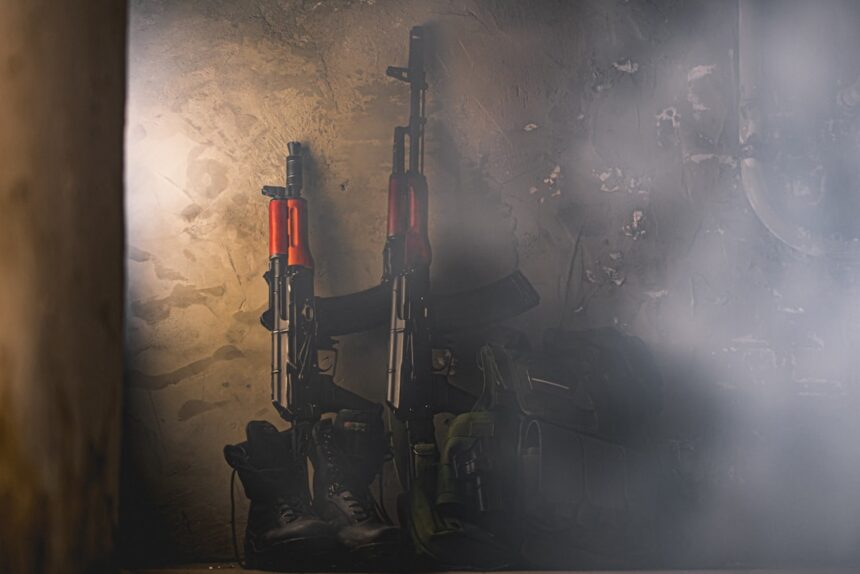
The iconic AK-47 rifle, renowned for its ruggedness, reliability, and widespread use across the globe, has long been a symbol of military might and, unfortunately, conflict. Its simple yet effective design has cemented its place in history. However, a disturbing and potentially catastrophic issue has emerged, casting a shadow over this legendary firearm: the phenomenon of AK-pattern rifles exploding due to ammunition malfunctions. This is not a mere inconvenience; it represents a significant danger to the shooter, bystanders, and anyone within the vicinity of such a catastrophic event. The causes are multifaceted, stemming from a complex interplay of ammunition quality, firearm condition, and improper handling. Understanding these factors is paramount to preventing future incidents and ensuring the safety of those who operate and are near these weapons.
Understanding the Mechanics of a Rifle Explosion
When an AK-pattern rifle explodes, it’s not the rifle itself that’s spontaneously combusting in the traditional sense. Instead, the firearm’s internal pressure exceeds its structural integrity, leading to a violent rupture. This typically occurs when the ammunition fired generates pressures far beyond what the rifle is designed to withstand. The immense forces involved can cause catastrophic failure of critical components, most notably the barrel and receiver. The rapid release of gases and shrapnel turns the firearm into a dangerous projectile, posing a severe threat of injury or fatality.
The Role of Ammunition in Catastrophic Failure
The primary culprit in most AK rifle explosions is ammunition that is either defective or improperly loaded. Commercial ammunition manufacturers adhere to strict quality control standards, but even the most reputable companies can have a bad batch. For military-grade ammunition, while generally robust, variations in manufacturing can still occur, especially in older stockpiles or ammunition from less regulated sources. The common threads in problematic ammunition include:
Over-Pressurized Cartridges
This is perhaps the most direct cause of rifle explosions. Over-pressurization can arise from several factors during the ammunition manufacturing process:
- Incorrect Powder Charge: Using too much gunpowder in a cartridge will significantly increase the pressure generated upon firing. This can happen due to errors in the powder dispensing machinery or, in hand-loaded ammunition, a miscalculation by the reloader. The intended pressure curve for a specific cartridge is carefully calibrated; exceeding it can overwhelm the firearm’s steel.
- Incorrect Powder Type: Different types of gunpowder have different burn rates and energy densities. Using a faster-burning powder or one not suited for the specific cartridge case and bullet weight can lead to a pressure spike. This is a common risk for amateur handloaders who may not fully understand the nuances of powder selection.
- Double Charging: A dangerous oversight during handloading is accidentally putting two powder charges into a single cartridge case. This is almost guaranteed to result in extreme over-pressurization and a catastrophic failure.
Defective Projectiles
While less common than powder-related issues, problems with the projectile itself can also contribute to explosions:
- Bullet Seating Depth: If a bullet is seated too deeply into the cartridge case, it effectively reduces the available volume for the burning powder. This increased resistance and reduced chamber volume can lead to a significant pressure increase. This is particularly concerning with hand-loaded ammunition where precise measurements are crucial.
- Bullet Weight Mismatch: Using a bullet that is significantly heavier than what the cartridge is designed for can also create higher pressures. While the powder charge might be within acceptable limits for a lighter bullet, it can become excessive for a heavier one.
- Bullet Obstruction: In rare instances, a foreign object lodged in the bore of the rifle before firing, or a bullet that has deformed and is creating an obstruction, can lead to a dangerous pressure buildup behind the projectile as the next round is fired.
Case Defects
The cartridge case itself is designed to contain the initial explosion and direct the gases down the barrel. Defects in the case can compromise this containment:
- Cracked or Corroded Cases: Old or damaged cartridge cases can fail under pressure, allowing hot gases to escape prematurely. This can cause damage to the firearm and potentially injure the shooter.
- Improperly Sized Cases: Reloading requires resizing spent cartridge cases to ensure they will chamber and fire correctly. If a case is not properly resized, it can lead to feeding issues or, in some extreme cases, contribute to pressure problems.
In recent discussions surrounding firearm safety, a particularly alarming topic has emerged regarding AK rifles and the potential for ammunition to explode. An insightful article that delves into this issue can be found on In The War Room, where experts analyze the causes and consequences of such incidents. For a deeper understanding of this critical subject, you can read the article here: In The War Room.
The Condition of the AK Rifle Itself
While ammunition is often the trigger, the condition of the AK rifle plays a crucial role in its ability to withstand the forces of firing. A well-maintained and properly functioning rifle is significantly less likely to fail catastrophically.
Barrel and Chamber Integrity
The barrel and chamber are the primary containment vessels for the explosion. Any compromise in their structural integrity dramatically increases the risk of a dangerous incident.
Barrel Obstructions
The most common cause of barrel-related explosions is an obstruction within the bore. This can happen for several reasons:
- Failure to Clear the Barrel: If a firearm is not properly cleared after use, or if there’s an accidental discharge with debris in the barrel, it can lead to a dangerous situation.
- Mud, Snow, or Debris: In field conditions, mud, snow, or other debris can enter the barrel. If a round is fired without clearing the obstruction, the firearm can explode.
- Squib Load: A “squib load” is a round that fires with significantly reduced powder. The bullet may travel down the barrel but not have enough momentum to exit completely, leaving it lodged. If a subsequent, full-power round is fired, it will encounter this lodged bullet, creating a severe obstruction and likely causing the rifle to explode. This is a particularly insidious problem as the first shot might seem normal.
- Bullet Deformation: In very rare cases, a bullet might deform during feeding or firing and become lodged in the barrel.
Wear and Tear on the Barrel
Over extensive use, the barrel of any firearm can experience wear. While AK barrels are known for their durability, extreme neglect or exceptionally high round counts without proper maintenance can eventually lead to a weakening of the metal.
Receiver and Bolt Group Issues
The receiver houses the bolt and firing mechanism and is subjected to significant stress during firing.
Cracked or Damaged Receiver
The receiver is a critical structural component. Cracks, especially in older or heavily used firearms, can compromise its ability to withstand firing pressures. This can be a result of manufacturing defects, excessive stress, or prior damage.
Bolt Issues
While less common, issues with the bolt can also contribute to dangerous situations:
- Bolt Malfunction: A bolt that fails to lock properly or is damaged can create an unsafe firing condition.
- Excessive Wear on Locking Lugs: The locking lugs on the bolt are crucial for securing the bolt to the barrel extension. Significant wear can lead to a failure to lock securely, potentially resulting in a dangerous gas escape or a failure to contain the explosion.
Causes Beyond Ammunition and Firearm Condition
While ammunition and firearm condition are the most direct contributors, other factors can indirectly lead to or exacerbate the risk of an AK rifle explosion.
Improper Handling and Maintenance
The adage “an ounce of prevention is worth a pound of cure” is particularly relevant here. Neglect of proper handling and maintenance protocols significantly increases the likelihood of dangerous malfunctions.
Lack of Regular Cleaning and Inspection
- Carbon Buildup: Excessive carbon and fouling in the barrel and action can lead to malfunctions and potentially contribute to pressure issues, especially if it impedes proper bolt lockup.
- Corrosion: Rust and corrosion can weaken metal components, making them more susceptible to failure under stress. Regular cleaning and lubrication prevent this.
- Wear and Tear: Without regular inspections, subtle signs of wear on critical components might go unnoticed until they fail catastrophically.
Ignoring Warning Signs
Firearms often provide subtle clues when something is not right. Ignoring these signs can be dangerous.
- Unusual Recoil or Muzzle Flash: A sudden change in recoil or a significantly larger muzzle flash than usual can indicate pressure problems with the ammunition.
- Feeding or Extraction Issues: While not directly related to explosions, persistent feeding or extraction problems can sometimes be a symptom of underlying issues that could contribute to a dangerous situation.
- Strange Noises: Any unusual sounds during firing, such as a “pop” instead of a “bang,” should be a serious warning.
Ammunition Storage and Handling
Even high-quality ammunition can degrade if not stored properly, and improper handling during loading can introduce issues.
Environmental Factors
- Moisture and Humidity: Exposure to moisture can cause corrosion in ammunition components, affecting the powder’s performance and potentially leading to unpredictable pressures.
- Extreme Temperatures: While modern ammunition is generally robust, prolonged exposure to extreme heat or cold can affect the powder’s burn rate, potentially altering pressure characteristics.
Handloading Risks
As mentioned earlier, handloading offers customizability but also introduces a higher risk of error for inexperienced individuals.
- Inaccurate Measurements: Precise measurement of powder is critical. Even small deviations can have significant consequences.
- Lack of Proper Equipment: Using worn or inaccurate reloading dies and scales can lead to errors in cartridge assembly.
- Insufficient Knowledge: A thorough understanding of reloading principles, including load data, component compatibility, and safety procedures, is absolutely essential.
Identifying and Mitigating the Risk
The prospect of an AK rifle exploding is a sobering one, but by understanding the underlying causes, significant steps can be taken to mitigate this risk. Awareness, education, and diligent practice are key.
Prioritizing Ammunition Quality
The adage “garbage in, garbage out” is particularly apt when discussing ammunition.
Choosing Reputable Manufacturers
- Commercial Standards: Stick to ammunition from well-established and reputable commercial manufacturers. These companies invest heavily in quality control and have a vested interest in producing safe ammunition.
- Avoiding Unknown Sources: Be extremely wary of ammunition from unknown or unverified sources, especially surplus ammunition of questionable origin or condition.
Inspecting Ammunition Visually
Before loading any ammunition, a quick visual inspection can catch obvious defects.
- Primer Condition: Look for signs of corrosion, damage, or if the primer is seated too high or too low.
- Case Integrity: Check for dents, cracks, or significant corrosion on the cartridge case.
- Bullet Seating: Ensure the bullet is seated straight and at a consistent depth.
Maintaining the Firearm Meticulously
A well-maintained firearm is a safe firearm. Regular and thorough maintenance is non-negotiable.
Regular Cleaning and Lubrication
- Follow Manufacturer Guidelines: Adhere to the cleaning and lubrication recommendations provided by the firearm’s manufacturer.
- Use Appropriate Cleaning Supplies: Employ bore cleaners, solvents, and lubricants designed for firearms.
- Pay Attention to Critical Areas: Ensure the bore, chamber, bolt face, and gas system are kept clean and properly lubricated.
Performing Regular Inspections
- Visual Checks: Periodically inspect the barrel for any visible damage or obstructions. Examine the receiver and other critical components for cracks or signs of excessive wear.
- Function Checks: Perform function checks to ensure the action cycles smoothly, the safety operates correctly, and the trigger mechanism functions as intended.
Responsible Ammunition Handling and Storage
Proper storage and handling of ammunition are crucial for maintaining its integrity and preventing accidental damage.
Secure and Dry Storage
- Cool, Dry Environment: Store ammunition in a cool, dry place, away from direct sunlight and extreme temperature fluctuations.
- Original Packaging: Whenever possible, keep ammunition in its original packaging, which is designed to protect it from environmental damage.
- Securely Contained: Ensure ammunition is stored in a manner that prevents accidental damage or spillage.
Educating Handloaders
For those who choose to handload their own ammunition, education and adherence to strict safety protocols are paramount.
- Comprehensive Training: Seek out reputable reloading courses or mentors to gain a thorough understanding of the process.
- Accurate Data and Components: Use only up-to-date and verified load data from reliable sources. Ensure all components are compatible.
- Invest in Quality Equipment: Utilize accurate scales, calipers, and reloading dies.
- Double-Checking: Implement a system of double-checking all measurements and assembled cartridges.
The recent discussions surrounding the safety of AK rifles have brought attention to the potential dangers of exploding ammunition. This topic is crucial for both enthusiasts and those who rely on these firearms for protection. For a deeper understanding of the implications and safety measures associated with this issue, you can read a related article that explores the risks and preventative strategies in detail. Check it out here to gain more insights into the world of firearm safety and ammunition reliability.
The Broader Implications and Future Considerations
The instances of AK rifles exploding due to ammunition malfunctions, while not an everyday occurrence, are serious enough to warrant significant attention. These events highlight the critical importance of a holistic approach to firearm safety, encompassing not just the operation of the weapon but also the quality of the ammunition and the diligence of maintenance.
The Importance of Shooter Education and Training
Beyond the technical aspects of the rifle and ammunition, the human element is often the most crucial factor in preventing accidents.
Continuous Learning
Firearm owners and operators should engage in continuous learning regarding safe handling practices, ammunition types, and potential malfunction indicators. This includes attending professional training courses and staying informed about safety bulletins.
Situational Awareness
Being aware of one’s surroundings and the condition of both the firearm and the ammunition is paramount. Distractions or complacency can lead to overlooking critical warning signs.
The Role of Manufacturers and Regulatory Bodies
While the responsibility ultimately lies with the individual user, manufacturers and regulatory bodies also play a role in promoting safety.
Ammunition Quality Control
Manufacturers have a responsibility to maintain stringent quality control measures throughout their production processes. Any lapse can have devastating consequences.
Firearm Design and Safety Features
While the AK platform is known for its simplicity, ongoing research into potential design improvements that could further enhance safety, without compromising its core functionality, is always valuable.
Reporting and Analysis of Incidents
Accurate reporting and thorough analysis of firearm malfunctions, including explosions, are vital for identifying trends, understanding root causes, and informing future safety initiatives.
A Call to Vigilance
The AK rifle, despite its legendary status, is not immune to the dangers posed by faulty ammunition or a poorly maintained weapon. The potential for catastrophic failure is a stark reminder that firearms demand respect, knowledge, and unwavering attention to safety. Whether you are a civilian sport shooter, a law enforcement officer, or a military personnel, understanding the intricacies of how ammunition and firearm condition can lead to explosive failures is not just prudent; it is essential for survival and the safety of those around you. The danger ahead is real, but with diligence, education, and a commitment to best practices, it can be effectively navigated, ensuring that the legacy of the AK platform is one of reliability, not of catastrophic failure.

The Vietnam Plot That Made Soldiers Fear Their Own Guns
FAQs
What is an AK rifle?
An AK rifle, also known as an AK-47, is a gas-operated, 7.62x39mm assault rifle developed in the Soviet Union by Mikhail Kalashnikov. It is one of the most widely used rifles in the world.
What does it mean for ammunition to explode in an AK rifle?
When ammunition explodes in an AK rifle, it means that the cartridge has detonated prematurely, causing the rifle to malfunction and potentially causing injury to the shooter or those nearby.
What are the potential causes of ammunition exploding in an AK rifle?
Ammunition can explode in an AK rifle due to a variety of factors, including overpressure, manufacturing defects, improper storage, or using the wrong type of ammunition for the rifle.
How can shooters prevent ammunition from exploding in an AK rifle?
Shooters can prevent ammunition from exploding in an AK rifle by using high-quality, properly stored ammunition, following manufacturer guidelines for the rifle, and regularly inspecting the rifle and ammunition for any signs of damage or defects.
What should shooters do if they experience ammunition exploding in an AK rifle?
If a shooter experiences ammunition exploding in an AK rifle, they should immediately stop using the rifle, safely unload and clear the firearm, and seek the assistance of a qualified gunsmith to inspect the rifle and ammunition for any potential issues.