The Damascus Titan II Disaster stands as a grim reminder of the inherent risks in the United States’ nuclear arsenal and the crucial, often unheralded, role played by Air Force personnel in mitigating and responding to such catastrophic events. While the public often focuses on the immense destructive power of the weapons themselves, the human element – the training, dedication, and quick thinking of those stationed at Titan II missile sites – was paramount in preventing an even more devastating outcome. This article will delve into the multifaceted responsibilities and actions of Air Force personnel in the context of the Damascus Titan II Disaster, examining their contributions before, during, and in the aftermath of the incident.
The existence of the Titan II Intercontinental Ballistic Missile (ICBM) system was a cornerstone of the United States’ Cold War nuclear deterrence strategy. Stationed in hardened underground silos across the American heartland, these massive weapons were designed to deliver a devastating payload in response to an attack. The responsibility for their security, maintenance, and readiness rested squarely on the shoulders of Air Force personnel, primarily those belonging to the Strategic Air Command (SAC). The Damascus Titan II site, like its counterparts, was a complex operation requiring a highly specialized workforce.
The Guardians of the Silo: Security and Readiness
Air Force personnel assigned to Titan II sites were not merely technicians; they were also the first line of defense against any compromise of the missile’s security. This involved a rigorous regimen of patrols, access control, and constant vigilance. Sentries stood watch over the silo entrances, trained to identify and respond to any unauthorized approach. Security forces were equipped and drilled to handle a range of scenarios, from sabotage attempts to potential external threats. Their presence was a silent, but potent, deterrent, ensuring that the immense power housed within the silo remained under unwavering control.
The Technicians of Doom: Maintenance and Operational Integrity
The Titan II missile system was a marvel of engineering, but also a complex and temperamental machine. Its Liquid Propellant system, a key component, demanded constant monitoring and meticulous maintenance. Air Force technicians, often referred to as “missileers” or “maintenance crews,” were the lifeblood of the silo’s operational integrity. They underwent extensive and highly specialized training, not only in the mechanics of the missile but also in the critical safety protocols surrounding its handling. This included understanding the volatile nature of the propellants, the intricate electrical and hydraulic systems, and the procedures for emergency response. Their daily tasks involved a constant cycle of inspections, diagnostics, and minor repairs, all aimed at ensuring the missile remained in a state of readiness.
The Human Factor: Training and Protocol
Beyond the technical expertise, the effectiveness of Air Force personnel hinged on their rigorous training and unwavering adherence to established protocols. Every action, from routine maintenance to emergency procedures, was dictated by detailed checklists and stringent regulations. This emphasis on standardization and discipline was not an oversight; it was a calculated necessity in an environment where a single error could have apocalyptic consequences. Personnel were subjected to continuous evaluation and refresher courses, ensuring that their skills remained sharp and their knowledge current. Simulated emergencies were a regular feature of their training, preparing them for scenarios far more dire than their daily routines.
The Damascus Titan II disaster remains a poignant reminder of the challenges faced by Air Force personnel during the Cold War era. For a deeper understanding of the events surrounding this tragic incident and its implications for military operations, you can read a related article that explores the complexities of nuclear weapon management and the lessons learned from such disasters. For more information, visit this article.
The Unfolding Crisis: The Damascus Titan II Incident
The morning of September 18, 1980, at the Damascus Titan II site in Arkansas, marked a stark deviation from the routine. A catastrophic event, born from a combination of human error and mechanical failure, began to unfold deep within the silo. The exact sequence of events has been meticulously documented, but it is the actions of the Air Force personnel present that truly defined the response to the crisis.
The Initial Spark: A Routine Maintenance Gone Wrong
The genesis of the disaster was a seemingly routine task: the replacement of a worn-out O-ring within the second stage of the Titan II missile. This process involved depressurizing and opening a section of the missile’s fuel system. It was during this delicate operation that a dropped wrench, by a technician, pierced the missile’s fuel tank. This seemingly minor event had profound and immediate consequences.
The Cascade of Failure: Propellant Leakage and Ignition
The puncture initiated a leak of highly volatile and toxic hypergolic propellants – fuels that ignite on contact with oxidizers. This leakage created a rapidly escalating hazard within the confined space of the silo. The immediate concern was not a nuclear detonation, but the immense energy released by the burning propellants. The intensity of the combustion generated extreme heat and pressure, threatening to breach the silo’s hardened structure.
The Emergency Response: Courage Under Fire
As alarms blared and the situation rapidly deteriorated, the Air Force personnel on site were faced with an unimaginable crisis. Their training immediately kicked in, transforming abstract protocols into life-saving actions. The primary objective shifted from missile maintenance to personnel safety and the containment of the escalating inferno.
The Role of the Titan II Missile Crew: Immediate Actions
The men and women directly involved in the operation within the silo were the first responders to this unfolding catastrophe. Their courage and quick thinking were instrumental in preventing a far worse outcome.
The Evacuation Imperative: Saving Lives Above All
The paramount concern was the safety of the personnel. Once the leak and subsequent ignition were detected, the immediate order was to evacuate the silo. This was not a simple task; the environment was rapidly becoming toxic and unstable. Air Force personnel, guided by their training, initiated emergency egress procedures, ensuring that every individual was accounted for and that those who could assist were directed to do so.
The Firefighting Efforts: A Desperate Battle
Despite the extreme danger, a contingent of Air Force personnel, armed with specialized firefighting equipment, launched a desperate attempt to control the propellant fire. They understood that a sustained fire could lead to a catastrophic explosion of the missile’s warhead. These individuals, operating in an environment filled with toxic fumes and intense heat, displayed extraordinary bravery. Their efforts, while ultimately unable to extinguish the inferno entirely, likely played a role in preventing a full-scale nuclear detonation.
The Communication Chain: Alerting Higher Command
Crucial to the overall response was the establishment and maintenance of communication with higher command. Air Force personnel were responsible for relaying accurate and timely information about the unfolding crisis. This allowed for the mobilization of external emergency response teams and the implementation of broader containment strategies. Their ability to remain calm and communicate effectively under extreme duress was vital for a coordinated response.
The Wider Air Force Response: Containment and Support
The Damascus Titan II Disaster was not just an isolated incident within a single silo; it triggered a significant mobilization of Air Force resources and personnel. The response extended far beyond the immediate vicinity of the silo.
The Specialized Teams: Bringing in Expertise
Recognizing the unprecedented nature of the event, the Air Force rapidly deployed specialized teams to the site. These included hazardous materials (HAZMAT) units, explosive ordnance disposal (EOD) specialists, and engineers. These individuals brought with them the advanced training and equipment necessary to deal with the unique challenges presented by burning rocket fuel and the potential detonation of a nuclear warhead. Their arrival signaled a shift from immediate crisis management to a more strategic and sustained containment effort.
The Security Perimeter: Protecting the Public and the Site
Maintaining a secure perimeter around the Damascus site was another critical role for Air Force personnel. This involved establishing exclusion zones, controlling access, and ensuring the safety of the surrounding civilian population. The potential for fallout and the inherent danger of the volatile situation necessitated a robust security presence, managed and executed by trained Air Force security forces.
The Strategic Command and Control: Orchestrating the Response
At a higher level, Strategic Air Command (SAC) played a crucial role in coordinating the overall response. Air Force officers and staff were responsible for making critical decisions, allocating resources, and managing the complex interagency coordination that was required. This involved liaising with other military branches, civilian emergency management agencies, and government officials, all of whom had a stake in mitigating the disaster.
The Damascus Titan II disaster remains a significant event in the history of the Air Force, highlighting the critical importance of safety protocols in handling nuclear weapons. For those interested in exploring this topic further, a related article provides an in-depth analysis of the incident and its implications for military operations. You can read more about it in this insightful piece on the subject, which can be found here. Understanding the lessons learned from such tragedies is essential for ensuring the safety of personnel and the integrity of national security.
The Aftermath and Legacy: Lessons Learned and Personnel Recognition
| Metric | Data |
|---|---|
| Date of Incident | September 18, 1980 |
| Location | Damascus, Arkansas |
| Type of Incident | Titan II missile explosion |
| Number of Air Force Personnel Involved | Approximately 20 |
| Casualties | 1 fatality (Airman David Livingston) |
| Injuries | Several personnel injured |
| Cause of Incident | Accidental puncture of missile fuel tank by a dropped socket wrench |
| Missile Warhead | W-53 nuclear warhead (did not detonate) |
| Response Time | Emergency response initiated immediately after fuel leak detected |
| Outcome | Explosion destroyed missile silo; no nuclear detonation |
The Damascus Titan II Disaster, while a harrowing event, ultimately highlighted the professionalism and dedication of the Air Force personnel involved. The absence of a nuclear detonation, though a complex interplay of factors, owes a significant debt to the actions of these individuals.
The Unsung Heroes: Acknowledging Sacrifice
Many of the Air Force personnel who responded to the Damascus incident faced extreme personal risk. Their actions, often performed under immense pressure and with little immediate recognition, exemplify the spirit of service and sacrifice inherent in military duty. While official commendations and awards were undoubtedly given, the true measure of their heroism lies in their commitment to their mission and their fellow service members.
The Investigation and Analysis: Improving Future Responses
Following the incident, a thorough investigation was launched to understand the root causes and to identify areas for improvement in safety protocols and operational procedures. Air Force personnel played a vital role in this investigative process, providing detailed accounts and technical insights. The lessons learned from Damascus directly influenced the development of enhanced safety measures for future ICBM operations and contributed to the eventual decommissioning of the Titan II system.
The Enduring Impact: A Testament to Human Resilience
The Damascus Titan II Disaster serves as a powerful testament to human resilience in the face of overwhelming odds. It underscores the fact that even the most advanced technology is reliant on the human element for its safe and effective operation. The Air Force personnel stationed at Damascus, and those who responded to the crisis, demonstrated extraordinary courage, competence, and dedication. Their story, though often overshadowed by the sheer destructive potential of the weapons they guarded, is a crucial chapter in the history of the United States’ nuclear arsenal and a profound tribute to the often-invisible sacrifices of those who serve. The memory of their actions continues to serve as a reminder of the vital role played by Air Force personnel in safeguarding national security, even in the most perilous of circumstances.
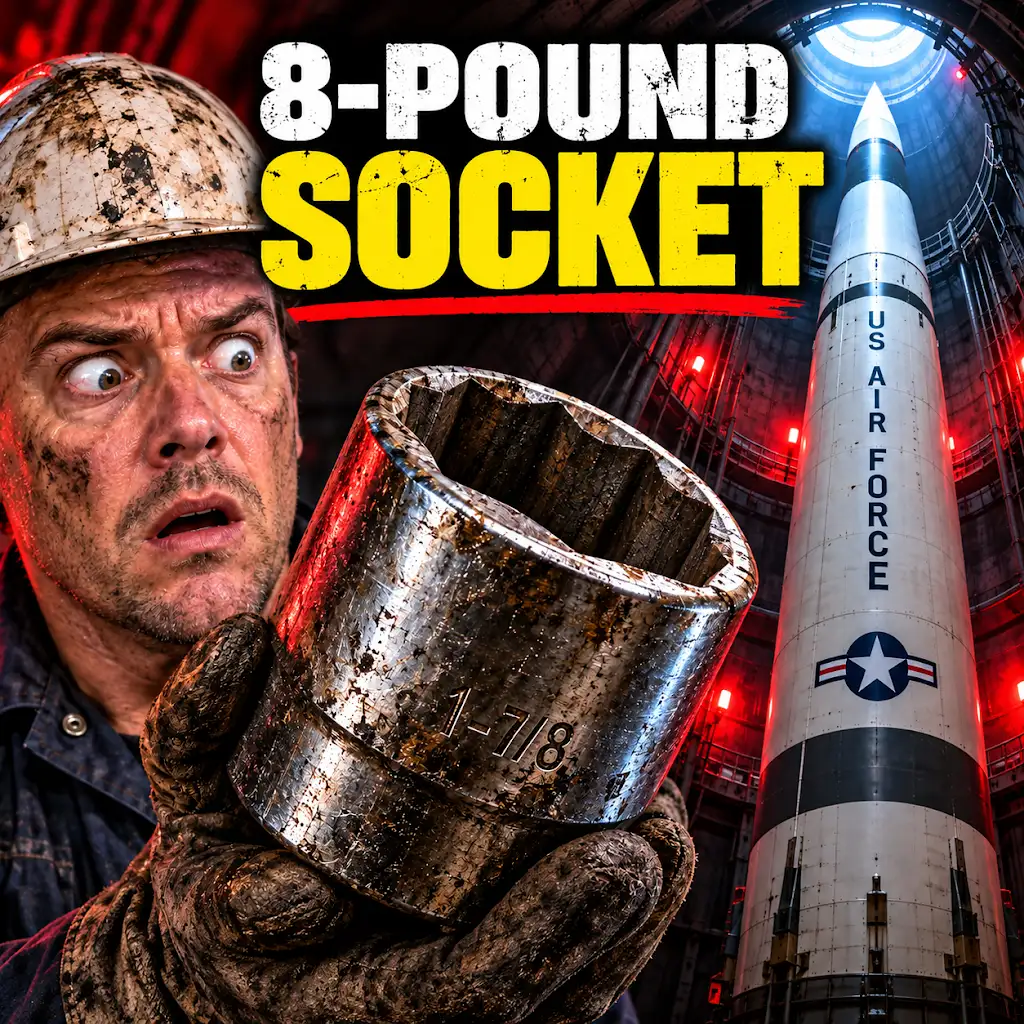
How a Dropped Socket Destroyed a Titan II Missile
FAQs
What happened during the Damascus Titan II disaster?
The Damascus Titan II disaster occurred on September 18, 1980, when a liquid fuel missile exploded at a missile complex near Damascus, Arkansas.
How many Air Force personnel were involved in the Damascus Titan II disaster?
There were 55 Air Force personnel present at the missile complex when the explosion occurred.
What caused the explosion at the Damascus Titan II missile complex?
The explosion was caused by a ruptured fuel tank in the missile, which released toxic fumes and ultimately led to the detonation of the missile.
Were there any fatalities or injuries as a result of the Damascus Titan II disaster?
There was one fatality and numerous injuries among the Air Force personnel present at the missile complex during the explosion.
What was the aftermath of the Damascus Titan II disaster?
Following the disaster, the Air Force conducted investigations and implemented safety measures to prevent similar incidents in the future. The damaged missile complex was also decommissioned and the site was cleaned up.