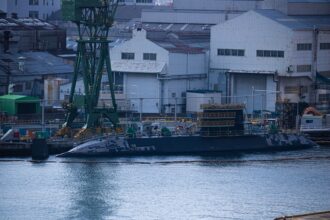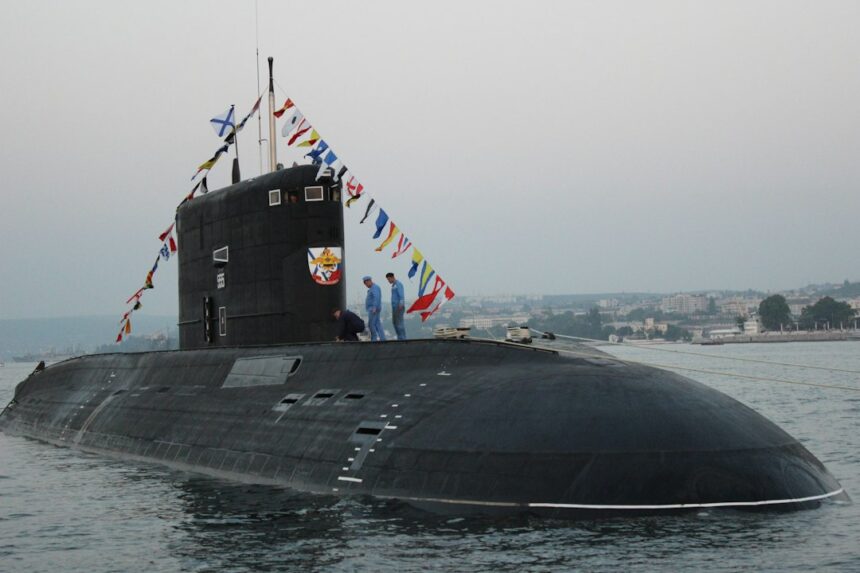
The silent depths of the ocean have long been a domain of strategic importance, and within this realm, acoustic intelligence collection stands as a cornerstone of national security. Submarines, with their inherent stealth and persistent presence, are uniquely positioned to gather this vital information. Over the years, the techniques employed by these underwater platforms have undergone remarkable advancements, driven by technological innovation and evolving geopolitical landscapes. From passive listening to active probing, and from the sheer processing power of onboard systems to the sophisticated networks that link them, the collection of submarine acoustic intelligence has become an intricate and highly advanced science. This article explores the multifaceted evolution of these techniques, highlighting key breakthroughs and their implications for modern naval operations.
The Evolution of Passive Acoustic Monitoring
The fundamental principle of passive acoustic intelligence (PAI) is to listen to the sounds of the underwater environment without emitting any sound of one’s own. This approach offers an unparalleled level of stealth, allowing submarines to gather information without revealing their presence. Historically, PAI relied on relatively simple hydrophone arrays and human interpretation. However, modern PAI systems are vastly more sophisticated, employing advanced sensor technology, massive data processing capabilities, and intelligent algorithms.
Advanced Hydrophone and Array Technologies
The heart of any passive acoustic system is its hydrophone array. Early arrays were linear and relatively small, capable of detecting only the loudest and closest sounds. Today’s submarines are equipped with far more complex and sensitive hydrophone arrays, often utilizing distributed configurations spread across the hull. These arrays can take various forms, including conformal arrays that integrate seamlessly into the submarine’s hull, providing a wider and more uniform acoustic aperture. Furthermore, the development of new materials and transducer designs has led to hydrophones with significantly improved sensitivity and bandwidth, capable of detecting fainter signals across a broader spectrum.
The concept of beamforming, the process of combining signals from multiple hydrophones to focus on a specific direction, has also seen dramatic improvements. Advanced digital beamforming techniques allow for precise directional analysis, effectively isolating and amplifying sounds originating from a particular bearing while suppressing noise from other directions. This is crucial for distinguishing the subtle acoustic signatures of specific vessels from the ambient noise of the ocean.
Sophisticated Signal Processing and Feature Extraction
The sheer volume of acoustic data collected by modern arrays is staggering. Processing this data in real-time to extract meaningful intelligence is a significant challenge, and it is here that advances in signal processing have been most transformative. Techniques such as noise reduction, signal enhancement, and spectral analysis are employed to isolate desired signals from unwanted noise. For instance, advanced filtering algorithms can effectively remove the characteristic sounds of marine life, seismic activity, or even the submarine’s own internal noises, allowing for clearer detection of man-made sounds.
Feature extraction is another critical area. Instead of just identifying a sound as “a ship,” advanced systems aim to extract specific acoustic features that can uniquely identify a target. This includes analyzing the tonal components of machinery noise, the propeller cavitation patterns, and the Doppler shifts that indicate the target’s speed and course. These extracted features are then compared against extensive acoustic libraries, often referred to as “fingerprints,” to identify the specific class and even the individual identity of a vessel. The development of machine learning and artificial intelligence algorithms has revolutionized this process, enabling systems to learn and adapt to new acoustic signatures and to perform classification with unprecedented accuracy.
The Role of Artificial Intelligence in Acoustic Interpretation
Artificial intelligence (AI) and machine learning (ML) have become indispensable tools in the interpretation of acoustic data. Historically, acoustic analysts relied on extensive training and experience to identify and classify sounds. While human expertise remains valuable, AI/ML algorithms can process vast datasets far more rapidly and consistently. These algorithms can be trained on enormous libraries of known acoustic signatures, enabling them to recognize patterns that might be too subtle for the human ear or too complex to be manually analyzed.
Deep learning, a subset of ML, has shown particular promise in acoustic intelligence. Convolutional neural networks (CNNs) are adept at identifying spatial patterns within acoustic data, while recurrent neural networks (RNNs) are well-suited for analyzing time-series data, such as the changing acoustic signature of a moving vessel. AI can also assist in anomaly detection, identifying unusual acoustic events that might indicate novel threats or unexpected activities. Furthermore, AI can automate many of the laborious tasks associated with data analysis, freeing up human analysts to focus on higher-level interpretation and strategic decision-making.
Submarine acoustic intelligence collection plays a crucial role in modern naval warfare, enabling the detection and tracking of underwater threats. For those interested in exploring this topic further, a related article can be found at this link, which delves into the technologies and strategies employed in submarine operations and their implications for global security.
Advancements in Active Acoustic Intelligence Gathering
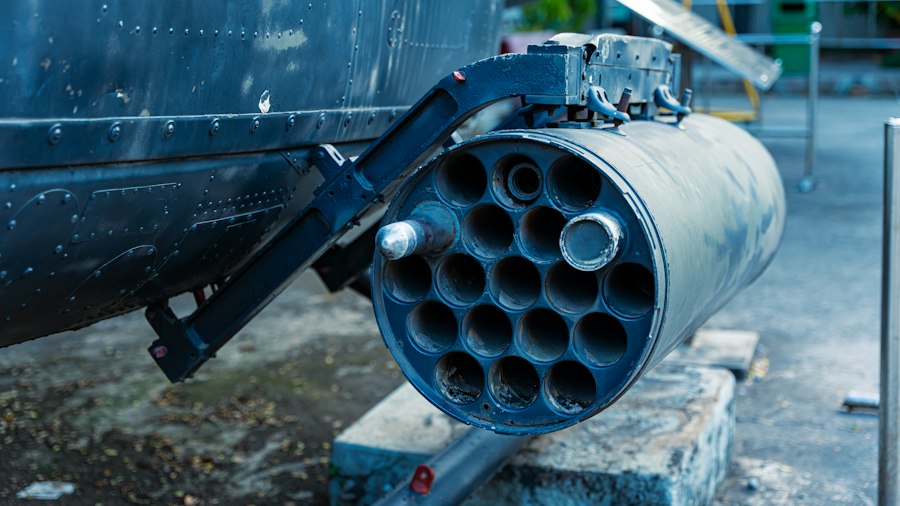
While passive listening remains the preferred method for stealthy intelligence collection, active acoustic systems also play a crucial role in submarine acoustic intelligence. Active systems involve the emission of sound pulses (sonar pings) and the analysis of the returning echoes. This provides direct information about the target’s range, bearing, and even its shape and composition. However, the inherent risk of revealing the submarine’s position makes active sonar a tactical decision, often employed when stealth is less critical or when specific information is urgently required.
High-Resolution Imaging Sonar
Modern active sonar systems are far removed from the rudimentary sounders of the past. High-resolution imaging sonar utilizes advanced signal processing to create detailed acoustic images of the underwater environment. These systems employ sophisticated transmit and receive beamforming techniques, coupled with broadband signal waveforms, to achieve excellent spatial resolution. This allows submarines to not only detect targets but also to identify their physical characteristics, such as hull shape, propeller design, and even the presence of external equipment.
The development of synthetic aperture sonar (SAS) has been a particularly significant breakthrough. SAS techniques use the submarine’s motion to synthesize a much larger aperture than is physically present, leading to extremely high-resolution acoustic imagery. This allows for the identification of even small details on a target’s hull, which can be crucial for distinguishing between different classes of vessels or identifying specific modifications.
Submarine acoustic intelligence collection has become increasingly vital in modern naval warfare, as it allows for the monitoring of underwater activities and the detection of potential threats. A related article that delves deeper into this subject can be found on In The War Room, where experts discuss the advancements in sonar technology and its implications for national security. For more insights, you can read the article here. Understanding these developments is crucial for comprehending the evolving dynamics of maritime strategy.
Advanced Sonar Waveform Design and Processing
The design of sonar waveforms is critical for achieving optimal performance in active acoustic intelligence. Traditional single-frequency pings are easily detectable and can reveal the presence of the sonar platform. Modern systems employ more sophisticated waveforms, such as chirp signals, which are broadband pulses that can be compressed to achieve high resolution while also offering better signal-to-noise ratio. Frequency-modulated (FM) chirps and phase-coded waveforms are examples of such techniques.
The processing of the returned echoes is equally important. Advanced signal processing algorithms are used to compensate for environmental factors like reverberation, scattering, and attenuation, which can degrade the quality of the sonar data. Techniques like matched filtering, inverse filtering, and adaptive beamforming are employed to extract the maximum amount of information from the echoes. The integration of AI/ML in active sonar processing is also growing, enabling systems to automatically classify targets based on their acoustic reflections and to adapt waveform parameters in real-time to optimize performance in changing conditions.
Exploiting Environmental Acoustics for Enhanced Detection
The underwater environment is not a uniform medium; it is a complex and dynamic system where sound propagation is influenced by factors such as temperature, salinity, pressure, and the seafloor topography. Advanced acoustic intelligence techniques aim to exploit these environmental characteristics to enhance detection capabilities. This involves understanding and modeling how sound travels in different conditions, allowing submarines to optimize their sonar operations and to interpret acoustic signals more effectively.
For example, submarines can utilize the phenomenon of sound convergence zones to detect targets at very long ranges. Conversely, they might employ techniques that leverage shallow water acoustics or operate in areas where sound is channelled to their advantage. Understanding the acoustic properties of the seabed can also aid in target classification, as the way sound reflects off different materials can provide valuable clues. Modern systems often incorporate real-time environmental sensing and acoustic propagation modeling to adapt their strategies and maximize the effectiveness of their acoustic intelligence collection.
The Integration of Multi-Sensor Acoustic Systems
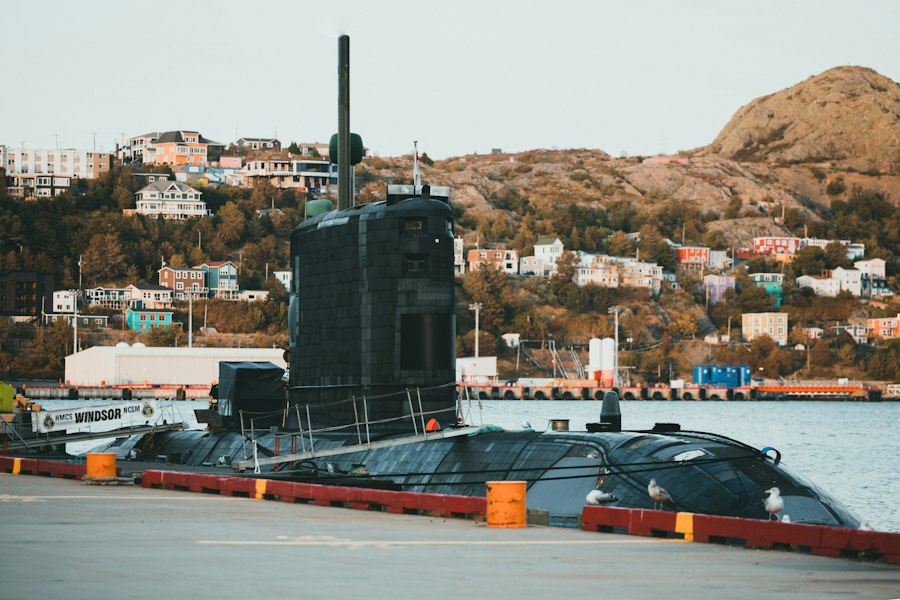
The most sophisticated submarine acoustic intelligence collection relies not just on individual sensor types but on the synergistic integration of multiple acoustic sensors and other intelligence platforms. This multi-sensor approach allows for a more comprehensive understanding of the underwater environment and significantly enhances the accuracy and reliability of the intelligence gathered.
Cross-Correlation and Fusion of Acoustic Data
Cross-correlation involves comparing acoustic signals from different sensors or different time periods to identify commonalities and extract more robust information. For instance, a weak passive sonar detection might be corroborated by a brief active sonar ping or by correlating the sound signature with intelligence from other sources. Data fusion takes this a step further by combining information from various sensors and intelligence disciplines into a single, coherent picture.
This fusion can involve combining passive sonar data with active sonar data, or it can extend to integrating acoustic intelligence with other forms of intelligence, such as electro-magnetic intelligence (ELINT) or signals intelligence (SIGINT). For example, if a submarine detects a specific acoustic signature, and this is cross-referenced with a known vessel’s ELINT emissions, the confidence in the identification and tracking of that vessel is significantly increased. Advanced fusion algorithms, often powered by AI, can weigh the contributions of different sensors and sources to produce a more accurate assessment than any single source could provide.
Distributed and Networked Acoustic Sensor Networks
The concept of distributed acoustic sensor networks, even for submarine-based collection, is an emerging area. While submarines are inherently solitary platforms, they can benefit from the ability to coordinate with other assets or to deploy expendable acoustic sensors. These sensors, once deployed, can relay acoustic data back to the submarine or to a central processing node, creating a wider network of listening posts.
This could involve the deployment of small, autonomous underwater vehicles (AUVs) equipped with acoustic sensors, or the use of towed arrays that extend the submarine’s acoustic reach considerably. In a broader military context, submarines might also contribute their acoustic data to a larger network of underwater sensors, including fixed arrays or other submarines, to build a comprehensive picture of maritime activity. Secure communication links and sophisticated data management systems are essential for the effective operation of such networked sensor systems.
Advancements in Acoustic Signature Libraries and Databases
The effectiveness of any acoustic intelligence system hinges on the quality and comprehensiveness of its acoustic signature libraries. These libraries are vast repositories of recorded and analyzed sounds from various naval platforms, civilian vessels, and even marine life. The process of building and maintaining these libraries is a continuous effort, requiring ongoing data collection, expert analysis, and regular updates.
Modern libraries are not merely static collections of sound files. They are dynamic databases that incorporate detailed information about each signature, including its frequency spectrum, temporal characteristics, directional properties, and environmental dependencies. Machine learning plays a crucial role in automatically updating and expanding these libraries, identifying new signatures, and refining existing ones. The ability to quickly and accurately compare an unknown acoustic signal against these ever-growing libraries is a critical component of effective acoustic intelligence collection.
Challenges and Future Directions in Submarine Acoustics
Despite the remarkable advancements in submarine acoustic intelligence collection, significant challenges remain, and the field continues to evolve rapidly. The increasing complexity and stealth capabilities of modern naval vessels, coupled with the ever-present challenges of the underwater acoustic environment, necessitate continuous innovation.
Counter-Stealth and Deception Technologies
As acoustic intelligence techniques become more sophisticated, so too do the measures taken to counter them. Modern warships are designed with acoustic signatures that are significantly quieter and more difficult to detect and classify than those of their predecessors. This includes the use of advanced hull coatings to absorb sonar energy, quieter machinery, and sophisticated propeller designs to reduce cavitation noise. Furthermore, naval forces are employing acoustic deception techniques, such as deploying decoys or generating false acoustic signatures, to mislead enemy submarines.
The development of novel acoustic sensors and processing techniques is crucial to overcome these counter-stealth measures. This includes research into ultra-low frequency acoustics, non-linear acoustics, and advanced signal processing methods that can penetrate the increasingly sophisticated noise reduction technologies employed by modern vessels. The ability to detect and classify even the faintest acoustic traces will be paramount in future intelligence collection efforts.
The Impact of Emerging Technologies and AI
The integration of artificial intelligence is not just a current trend but a fundamental driver of future advancements in submarine acoustics. Beyond improved classification and data processing, AI is poised to revolutionize acoustic intelligence in several ways. This includes AI-powered autonomous acoustic systems that can operate with minimal human intervention, adaptive sonar systems that can reconfigure themselves in real-time to optimize performance, and predictive analytics that can forecast the movement and behavior of underwater targets based on subtle acoustic cues.
Furthermore, the development of quantum computing could unlock unprecedented processing power, enabling real-time analysis of massive acoustic datasets and the development of entirely new approaches to acoustic signal processing. The miniaturization of sensors and the development of novel sensing modalities, such as distributed fiber-optic acoustic sensing, also hold promise for expanding the reach and capabilities of submarine acoustic intelligence.
The Ethical and Legal Dimensions of Acoustic Intelligence
As acoustic intelligence capabilities become more pervasive, ethical and legal considerations come to the forefront. The ability to collect detailed acoustic information about maritime traffic raises questions about privacy and the potential for misuse. International law and conventions governing the conduct of naval operations in international waters are constantly being tested by technological advancements.
Ensuring that acoustic intelligence collection is conducted in accordance with international law and ethical guidelines is crucial for maintaining trust and stability. This involves transparent reporting of capabilities where possible, adherence to rules of engagement, and a commitment to responsible use of the intelligence gathered. The ongoing debate around the militarization of the oceans and the potential for acoustic pollution also necessitates careful consideration of the environmental impact of sonar operations.
Interoperability and Information Sharing
In a complex and increasingly interconnected global security environment, interoperability and effective information sharing are paramount. Submarine acoustic intelligence, while often highly sensitive, needs to be integrated with broader intelligence frameworks and shared with relevant allies and partner nations where appropriate. This requires the development of standardized data formats, secure communication protocols, and robust data management systems that can facilitate seamless information exchange.
The ability for different national naval forces to share and fuse acoustic intelligence from their submarine fleets can significantly enhance collective maritime awareness and improve the effectiveness of joint operations. This collaboration is not just about technological integration but also about building trust and establishing clear protocols for the sharing and protection of sensitive intelligence. The future of submarine acoustic intelligence collection will undoubtedly be characterized by greater collaboration and a more integrated approach to maritime domain awareness.

The Soviet Submarine Britain Lost—Then Found Again
FAQs
What is submarine acoustic intelligence collection?
Submarine acoustic intelligence collection is the process of gathering and analyzing acoustic signals emitted by submarines to gather information about their location, movements, capabilities, and intentions.
How is submarine acoustic intelligence collected?
Submarine acoustic intelligence is collected using a variety of methods, including passive sonar systems, towed arrays, sonobuoys, and hydrophones, which are used to detect, track, and analyze underwater acoustic signals.
What is the importance of submarine acoustic intelligence collection?
Submarine acoustic intelligence collection is crucial for naval forces to monitor and track enemy submarines, gather information on potential threats, protect maritime assets, and maintain situational awareness in underwater environments.
What are the challenges associated with submarine acoustic intelligence collection?
Challenges in submarine acoustic intelligence collection include background noise interference, signal processing complexities, environmental factors affecting acoustic propagation, and the need for continuous monitoring to detect and track submarines effectively.
How is submarine acoustic intelligence used in military operations?
Submarine acoustic intelligence is used in military operations for anti-submarine warfare, intelligence gathering, surveillance, reconnaissance, and strategic planning to enhance maritime security and protect national interests in underwater domains.