The Evolving Landscape of Nuclear Detonation Detection
The stark reality of nuclear proliferation necessitates a robust and ever-improving global network for detecting nuclear detonations. While the devastating consequences of such an event are well-understood, the ability to rapidly and accurately identify a detonation, determine its yield, location, and type, is paramount for effective response, de-escalation, and accountability. At the forefront of this critical capability lies the advancement in nuclear detonation tracking radar systems technology. These sophisticated systems, far removed from the rudimentary radar of yesteryear, are undergoing transformative evolution, driven by breakthroughs in signal processing, sensor technology, and artificial intelligence, all aimed at enhancing their sensitivity, range, resolution, and survivability.
The fundamental principle behind nuclear detonation detection via radar remains the detection of the atmospheric disturbances and electromagnetic pulses (EMPs) generated by a nuclear explosion. A nuclear detonation, whether atmospheric, surface, or subsurface, releases an immense amount of energy in a very short period. This energy manifests in several detectable phenomena, including a shockwave, intense thermal radiation, and a powerful EMP. Radar systems, by emitting radio waves and analyzing their reflections, can discern anomalies in the atmosphere and ionosphere that are indicative of these events. However, distinguishing a nuclear detonation signature from natural phenomena like lightning or man-made interference poses a significant challenge, one that current advancements are actively addressing.
The development of nuclear detonation tracking radar systems is not merely an academic pursuit; it is a matter of global security. The proliferation of nuclear weapons, coupled with the increasing complexity of potential scenarios, demands that these detection systems be not only highly reliable but also resilient to adversarial countermeasures and environmental factors. The advancements discussed herein represent a paradigm shift in this ongoing effort, moving towards a more integrated, intelligent, and preemptive detection and tracking capability.
Nuclear detonation tracking radar systems play a crucial role in monitoring and detecting nuclear explosions, ensuring global security and compliance with international treaties. For a deeper understanding of the technologies and methodologies involved in these systems, you can explore a related article that delves into their operational mechanisms and strategic importance. To read more, visit this article.
Enhancing Detection Capabilities: Sensitivity and Signal Resolution
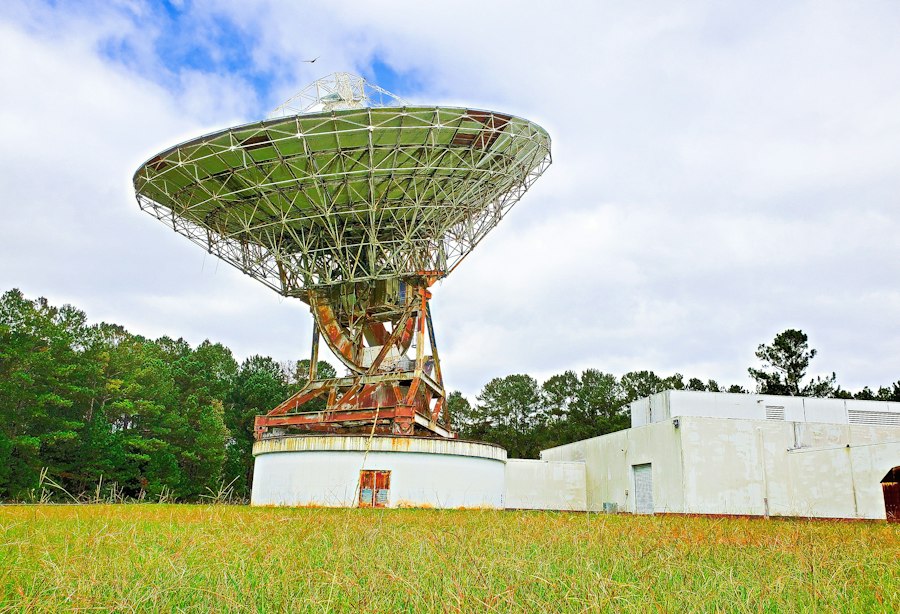
The core of any radar system lies in its ability to detect faint signals amidst significant noise. For nuclear detonation tracking, this translates to identifying the subtle atmospheric and ionospheric disturbances that even a low-yield device might induce, or conversely, distinguishing the powerful signature of a larger yield device from natural background clutter. Recent advancements have focused on pushing the boundaries of sensitivity and signal resolution to unprecedented levels.
Advanced Antenna Design and Beamforming
Traditional radar systems often employ broad, omnidirectional beams, which can be inefficient and prone to false alarms. Modern nuclear detonation tracking radar systems are increasingly incorporating phased array antennas. These arrays consist of numerous small antenna elements that can be individually controlled in terms of their phase and amplitude. By precisely manipulating these elements, the radar beam can be steered electronically, allowing for rapid scanning of vast areas without physically moving the antenna. This electronic steering offers several advantages: faster detection times, the ability to track multiple targets simultaneously, and the creation of highly focused beams that can achieve superior signal-to-noise ratios.
Furthermore, advanced beamforming techniques, such as adaptive beamforming, are being integrated. Adaptive beamforming dynamically adjusts the antenna’s radiation pattern to suppress interfering signals and enhance the reception of desired signals. In the context of nuclear detonations, this means the radar can effectively “null out” signals from known sources of interference, such as commercial radar installations or even certain weather patterns, thereby increasing the probability of detecting a genuine detonation signature. The ability to form multiple, independent beams also allows for simultaneous surveillance of different regions or for focused observation of a potential event’s trajectory.
Novel Radar Frequencies and Waveforms
The choice of radar frequency plays a crucial role in its performance. While lower frequencies are better at penetrating atmospheric disturbances, higher frequencies offer greater resolution. Advancements are exploring the use of a wider spectrum of frequencies, including millimeter-wave bands, which can provide extremely fine-grained detail of atmospheric structures. However, these higher frequencies are more susceptible to atmospheric attenuation, necessitating sophisticated signal processing to compensate.
The development of advanced waveform design is also critical. Instead of simple pulses, modern systems utilize complex waveforms like linear frequency modulated (LFM) chirps or phase-coded pulses. These waveforms allow for greater energy to be transmitted within a given pulse duration, improving detection range and enabling advanced signal processing techniques like pulse compression. Pulse compression, for instance, allows the radar to achieve the range resolution of a short pulse while transmitting the energy of a long pulse, significantly enhancing the ability to discern fine details in the reflected signal. Furthermore, techniques like Doppler radar, which measures the frequency shift of the reflected signal caused by the movement of the target, are being refined to provide more precise information about the velocity and trajectory of atmospheric disturbances.
Enhanced Signal Processing and Algorithms
Perhaps the most significant advancements lie in the realm of signal processing. Raw radar returns are often noisy and complex. Sophisticated algorithms are now employed to extract meaningful information from these signals. This includes techniques for clutter suppression, anomaly detection, and signature identification. Machine learning and artificial intelligence (AI) are playing an increasingly vital role in this domain. AI-powered algorithms can be trained on vast datasets of both simulated and real-world radar returns, enabling them to learn to distinguish the subtle fingerprints of a nuclear detonation from a wide array of other atmospheric phenomena.
These AI models can perform complex pattern recognition tasks that would be challenging for human operators or simpler algorithms. They can identify specific spectral characteristics, temporal evolution, and spatial distributions of energy that are uniquely associated with nuclear explosions. Techniques like deep learning, particularly convolutional neural networks (CNNs) and recurrent neural networks (RNNs), are proving highly effective in analyzing the complex spatio-temporal data generated by radar systems. CNNs are adept at identifying spatial features, while RNNs are suited for analyzing sequential data, making them ideal for tracking the evolving signature of a detonation.
Expanding Reach and Accuracy: Surveillance and Tracking
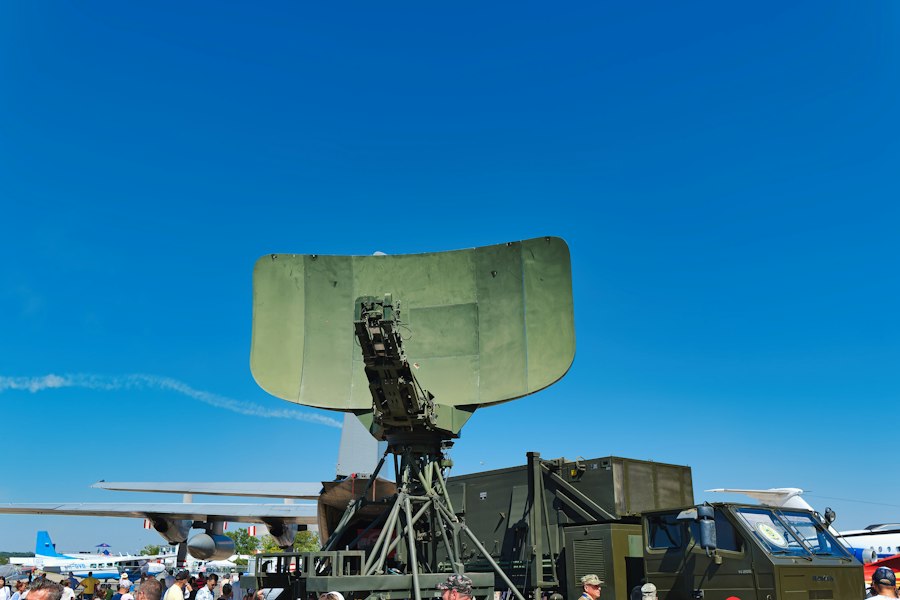
Beyond mere detection, the ability to accurately track a detonation, determine its precise location, and estimate its yield are crucial for effective response. Advancements in radar systems are significantly enhancing their surveillance capabilities and the precision with which they can pinpoint and characterize a nuclear event.
Multi-Static and Bistatic Radar Architectures
Traditionally, radar systems operate in a monostatic configuration, where the transmitter and receiver are co-located. However, the development of multi-static and bistatic radar systems offers a significant advantage in terms of coverage and detection probability. In bistatic radar, the transmitter and receiver are separated, while in multi-static radar, there are multiple separated transmitters and receivers.
This distributed architecture provides several benefits. Firstly, it can overcome line-of-sight limitations inherent in monostatic radar, allowing for the detection of targets that might be obscured by terrain or curvature of the Earth. Secondly, by receiving reflections from multiple angles, multi-static systems can triangulate a target’s location with much higher accuracy. Thirdly, the survivability of the system is enhanced, as the individual components are more dispersed and less vulnerable to a single attack. Furthermore, the use of networked radar systems, where data from multiple geographically dispersed radars are fused, creates a comprehensive surveillance network that can detect and track events across vast areas.
Ionospheric Anomaly Detection and Analysis
A nuclear detonation, particularly an atmospheric or high-altitude burst, has a profound impact on the Earth’s ionosphere. The intense energy release can cause significant ionization, leading to detectable changes in radio wave propagation. Advanced radar systems are being developed to specifically monitor and analyze these ionospheric disturbances. These systems, often referred to as ionospheric sounders or ionospheric modification radars, can detect subtle anomalies in electron density and plasma frequency that are characteristic of a detonation.
By analyzing the way radio waves are reflected or refracted by the disturbed ionosphere, these radars can infer the location and magnitude of the detonation. The integration of these ionospheric monitoring capabilities with traditional atmospheric radar provides a multi-layered detection approach, increasing the likelihood of detecting a detonation regardless of its altitude or yield. This synergy between atmospheric and ionospheric radar detection is a key area of ongoing research and development.
Real-time Data Fusion and Interoperability
The sheer volume of data generated by modern radar networks necessitates sophisticated data fusion capabilities. Advancements are focused on developing systems that can integrate information from various radar types (e.g., ground-based, airborne, space-based), as well as from other sensor networks (e.g., seismic, infrasound, satellite imagery). This fusion allows for a more comprehensive and accurate understanding of a potential event.
Real-time data fusion platforms, often employing cloud-computing architectures and advanced communication protocols, enable near-instantaneous processing and dissemination of critical information to decision-makers. Interoperability between different national and international sensor systems is also a growing priority, ensuring that a global detection network can function seamlessly. This is particularly important for treaty verification and for coordinating international responses to potential threats. The ability to rapidly share and cross-correlate data from diverse sources significantly reduces the time to confirm a detonation and provides a more robust basis for subsequent actions.
Responding to Evolving Threats: Survivability and Countermeasures
The effectiveness of any detection system is diminished if it is vulnerable to attack or interference. As nuclear detonation tracking radar systems become more sophisticated, so too do the potential threats and countermeasures they might face. Advancements are therefore heavily focused on ensuring the survivability and resilience of these critical assets.
Hardening and Dispersal Strategies
The physical survivability of radar installations is a paramount concern. This involves hardening critical infrastructure against physical attack, including blast-resistant structures and redundant power supplies. However, the most effective strategy for enhancing survivability is often dispersal. By distributing radar components across wide geographical areas, the impact of a single attack is minimized. Mobile radar systems, which can be rapidly deployed to different locations, also offer increased flexibility and resilience.
Furthermore, the development of networked radar systems, where a failure of one node does not compromise the entire network, is a key aspect of survivability. The ability for surviving nodes to reconfigure themselves and continue operations, albeit with potentially reduced coverage, is a testament to the advancements in resilient system design. Stealth technologies, while traditionally associated with offensive platforms, are also being considered for defensive radar installations to reduce their detectability by adversaries.
Electronic Warfare and Jamming Mitigation
Adversaries may attempt to disrupt radar operations through electronic warfare (EW) tactics, primarily jamming. Advanced radar systems are being equipped with sophisticated EW capabilities to detect and counter jamming attempts. This includes the use of frequency hopping, where the radar rapidly changes its operating frequency to make it difficult for jammers to lock on. Adaptive beamforming, as mentioned earlier, also plays a crucial role in mitigating jamming by nulling out interfering signals.
The development of cognitive radar systems, which can learn and adapt to the electronic environment in real-time, is another promising avenue. These systems can identify novel jamming techniques and autonomously adjust their parameters to maintain operational effectiveness. The ongoing arms race between jamming technologies and countermeasures necessitates continuous innovation in this area. Research into advanced signal processing techniques that can extract weak signals from strong jamming environments is a critical component of this effort.
Cyber Security and Data Integrity
In an increasingly digitized world, the cyber security of radar systems is as important as their physical security. Radar systems are often connected to wider networks, making them vulnerable to cyberattacks that could compromise data integrity, disrupt operations, or even lead to false alarms. Robust cyber security protocols, including encryption, intrusion detection systems, and secure authentication mechanisms, are essential to protect these systems.
Ensuring the integrity of the data collected by radar systems is paramount. Tampered data could lead to misinterpretations and incorrect responses. Blockchain technology, for instance, is being explored as a means to create immutable audit trails for radar data, ensuring its authenticity and preventing unauthorized modifications. Regular security audits and penetration testing are crucial to identify and address potential vulnerabilities. The interconnected nature of modern sensor networks means that a single point of compromise can have far-reaching consequences, making a multi-layered cybersecurity approach indispensable.
Nuclear detonation tracking radar systems play a crucial role in monitoring and identifying nuclear events, ensuring global security and compliance with international treaties. For a deeper understanding of the advancements in these technologies, you can explore a related article that discusses the implications and effectiveness of such systems in modern defense strategies. This insightful piece can be found at In The War Room, where it delves into the challenges and innovations shaping the future of nuclear detection.
The Future of Detection: Integration and Autonomy
| System Name | Country of Origin | Frequency Range | Detection Range (km) | Primary Purpose | Deployment Type | Operational Since |
|---|---|---|---|---|---|---|
| AN/FPS-85 Phased Array Radar | USA | 420-450 MHz (UHF) | Over 5,000 | Space object tracking and missile detection | Ground-based | 1969 |
| Daryal Radar | Russia | 150-200 MHz (VHF) | Up to 6,000 | Early warning of missile launches and nuclear detonations | Ground-based | 1984 |
| Ballistic Missile Early Warning System (BMEWS) | USA | 440 MHz (UHF) | 4,500 – 6,000 | Missile launch detection and nuclear detonation tracking | Ground-based | 1960s |
| Perimeter Acquisition Radar Attack Characterization System (PARCS) | USA | 440 MHz (UHF) | 4,000+ | Missile launch detection and nuclear detonation tracking | Ground-based | 1977 |
| Thule Radar | USA/Denmark | 420-450 MHz (UHF) | 4,500+ | Early warning of missile launches and nuclear detonations | Ground-based | 1960s |
The trajectory of nuclear detonation tracking radar systems technology points towards increasingly integrated, intelligent, and autonomous capabilities. The focus is shifting from reactive detection to a more proactive and predictive approach.
Space-Based Radar Systems and Global Coverage
While ground-based radar systems provide essential coverage, the curvature of the Earth and geographical limitations can create blind spots. The development of space-based radar systems, such as radar satellites, offers the potential for continuous, global surveillance. These systems can provide an overhead perspective, unaffected by terrestrial obstacles, and can monitor vast oceanic areas where ground-based infrastructure might be sparse.
The integration of space-based radar with ground-based and airborne assets is creating a truly multi-domain detection network. Advanced algorithms are being developed to fuse data from these disparate platforms, providing a comprehensive and highly accurate picture of potential threats. The ability to detect atmospheric disturbances from space, even subtle ones, could provide an early warning of an event that might otherwise go unnoticed for a critical period.
AI-Driven Autonomous Decision Support
The increasing complexity of data and the need for rapid response are driving the development of more autonomous decision support systems. AI algorithms are not only being used for signal processing and threat identification but also for providing recommendations and even initiating automated responses in certain scenarios. While full autonomy in initiating retaliatory actions remains a highly sensitive and debated topic, AI is increasingly being used to assist human operators by filtering information, prioritizing alerts, and providing context-aware decision support.
The development of “explainable AI” (XAI) is crucial in this context, ensuring that the reasoning behind AI-driven recommendations is transparent and understandable to human operators. This fosters trust and allows for informed decision-making. The goal is to create a system where AI augments human judgment, rather than replacing it entirely, leading to faster, more accurate, and more confident decision-making in high-stakes situations.
Proactive Threat Assessment and Intelligence Integration
The future of nuclear detonation tracking radar systems extends beyond merely detecting an explosion. It involves integrating radar data with a wide range of intelligence sources, including satellite imagery, human intelligence, and cyber intelligence, to proactively assess threats and identify potential vulnerabilities. By analyzing patterns in global activities and combining this with real-time sensor data, it may become possible to predict or anticipate potential nuclear activities.
This shift towards proactive threat assessment requires sophisticated data analytics and predictive modeling. The ability to identify anomalies in conventional activities that might precede a nuclear detonation, such as unusual movements of materials or personnel, can provide valuable early warning. The integration of radar data into these broader intelligence frameworks allows for a more holistic understanding of the global security landscape, moving from a purely reactive stance to a more preemptive and preventative posture.
The Ongoing Imperative for Technological Advancement
The continuous evolution of nuclear detonation tracking radar systems technology is a testament to the enduring commitment to global security. The advancements in sensitivity, resolution, coverage, and survivability are not isolated developments but rather interconnected elements of a sophisticated, multi-layered defense system. As the geopolitical landscape shifts and new technological challenges emerge, the imperative for ongoing research and development in this critical field will only intensify. The sophisticated radar systems of today, and the even more intelligent and integrated systems of tomorrow, represent humanity’s vigilant watch against the ultimate catastrophe, offering a crucial layer of defense in an increasingly complex world. The pursuit of technological superiority in this domain is not about escalation, but about deterrence, prevention, and the unwavering hope of ensuring that the destructive power of nuclear weapons remains forever contained.

The 1958 Space Nukes Meant to Destroy Soviet Missiles
FAQs
What is a nuclear detonation tracking radar system?
A nuclear detonation tracking radar system is a specialized radar system designed to detect and track nuclear explosions in the atmosphere or in space.
How do nuclear detonation tracking radar systems work?
These radar systems work by emitting radio waves and then detecting the reflections or echoes of those waves off of nuclear explosions. By analyzing the reflected signals, the system can determine the location, time, and characteristics of the detonation.
What are the main components of a nuclear detonation tracking radar system?
The main components of a nuclear detonation tracking radar system typically include a transmitter to emit radio waves, a receiver to capture the reflected signals, signal processing units to analyze the data, and a display system to present the information to operators.
Where are nuclear detonation tracking radar systems commonly used?
These radar systems are commonly used by government agencies, such as the military and national security organizations, to monitor and verify compliance with international treaties banning nuclear testing.
What are the benefits of using nuclear detonation tracking radar systems?
Using these radar systems can help in detecting and deterring nuclear weapons testing, monitoring nuclear proliferation, and ensuring global security by providing accurate and timely information about nuclear detonations.