So, you’re curious about what’s new in medical isotope processing facilities? Basically, things are getting faster, more efficient, and, importantly, safer for both the people working there and the patients who benefit. It’s all about making sure these crucial medical tools are available when and where they’re needed, and the folks behind the scenes are making some pretty impressive strides.
The biggest bottleneck in getting medical isotopes to patients has always been production and getting them out the door quickly. Medical isotopes often have very short half-lives, meaning they decay rapidly. This means they need to be produced, processed, and delivered with incredible speed, sometimes within hours of leaving the reactor or accelerator.
Cyclotrons: The New Workhorses
For a long time, nuclear reactors were the primary source of many critical medical isotopes. However, advancements in accelerator technology, particularly cyclotrons, have changed the game.
Increased Beam Power and Efficiency
Modern cyclotrons are much more powerful, allowing them to produce higher quantities of isotopes in a shorter amount of time. Researchers are constantly fine-tuning the design and operational parameters of these machines to maximize their efficiency, meaning more isotope output for the same energy input. This translates directly into more availability for patients.
Targeting Specific Isotopes
Newer cyclotron designs are also better at targeting the production of very specific isotopes. This is important because different medical procedures require different isotopes. Being able to reliably produce a range of isotopes from a single facility offers greater flexibility and responsiveness to demand.
Miniaturization and Decentralization
Instead of relying on a few massive, centralized facilities that can be vulnerable to disruptions, there’s a growing trend towards smaller, more localized production units.
Desktop Cyclotrons
There’s even research and development into “desktop” cyclotrons, which are much smaller and can potentially be installed in individual hospitals or clinics. While still in their early stages for widespread clinical use, the concept offers the ultimate in rapid, on-demand isotope production, virtually eliminating delivery time.
Reduced Logistics Complexity
Decentralized production also significantly reduces the logistical challenges associated with transporting highly radioactive materials over long distances, improving safety and reducing costs.
Medical isotope processing facilities play a crucial role in the production of isotopes used for diagnostic imaging and cancer treatment. For a deeper understanding of the challenges and advancements in this field, you can refer to a related article that discusses the latest developments and regulatory considerations in the industry. To read more, visit this article.
Enhanced Safety Protocols: Protecting the People and the Planet
When you’re dealing with radioactive materials, safety is paramount. The facilities themselves are designed with multiple layers of protection, and the processing itself involves sophisticated methods to minimize exposure.
Advanced Shielding and Containment
The physical structures of these facilities are built with robust shielding, often using thick concrete, lead, and specialized materials, to prevent radiation from escaping. Advanced containment systems are also in place to manage any potential leaks or spills, ensuring that the environment and workers remain protected.
Real-time Monitoring
Modern facilities are equipped with sophisticated real-time radiation monitoring systems. These systems continuously track radiation levels throughout the facility and in the surrounding environment, providing immediate alerts if any deviations occur. This allows for quick intervention and ensures that safety parameters are always maintained.
Automation and Remote Handling
A significant advancement is the increased use of automation and robotics in processing. This takes human operators out of the direct line of fire when handling radioactive materials.
Robotic Arms and Manipulators
Robotic arms and advanced manipulators allow technicians to perform intricate tasks like transferring, weighing, and dispensing radioactive compounds from a safe distance behind protective shielding. This drastically reduces the potential for worker exposure.
Closed-Loop Systems
Processing is increasingly done within closed-loop systems, minimizing the need for manual intervention and reducing the likelihood of airborne contamination. This also helps in the efficient recycling and management of materials within the facility.
Streamlined Processing Techniques: Doing More with Less
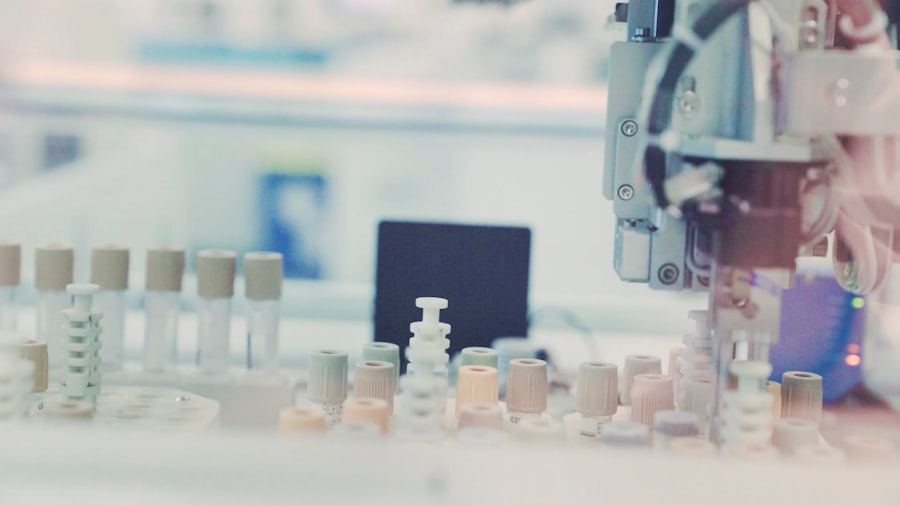
The actual steps involved in extracting and purifying medical isotopes from their production source are becoming more efficient and less wasteful.
Improved Separation Technologies
The process of isolating the desired isotope from the target material and any byproducts is critical. Researchers are developing more precise and efficient separation techniques.
Chromatography Advances
Chromatography, a technique used to separate compounds, is being refined for isotope processing. Newer chromatographic materials are more selective, allowing for faster and more complete separation of isotopes, leading to higher purity and yield.
Solvent Extraction Optimization
Optimized solvent extraction methods are also being employed to efficiently remove unwanted elements, ensuring that the final medical isotope product is of the highest possible quality, crucial for patient safety and diagnostic accuracy.
Reduced Waste Generation
A key focus is on minimizing radioactive waste produced during processing. This not only reduces environmental impact but also lowers disposal costs and complexities.
Better Target Design
The design of the targets used in reactors and cyclotrons is being improved to maximize isotope production and minimize the generation of unwanted radioactive byproducts. This “design-for-de-risking” approach starts at the very beginning of the production chain.
Recycling and Re-use Initiatives
Where possible, efforts are being made to safely recycle or re-use materials within the processing facility, further reducing the overall waste footprint.
Quality Control and Assurance: Ensuring Purity and Potency

For medical isotopes, the quality of the final product is non-negotiable. These are materials that will be administered to patients, so stringent quality control is essential.
Advanced Analytical Techniques
The methods used to verify the identity, purity, and activity of medical isotopes are becoming more sophisticated.
High-Resolution Spectroscopy
Techniques like gamma-ray spectroscopy and mass spectrometry are used to precisely identify and quantify isotopes. Advancements in detector technology and data analysis software allow for more accurate and faster measurements.
Automated Testing
Automated quality control systems are being implemented to reduce human error and speed up the testing process. These systems can perform a battery of tests consistently, providing reliable data on each batch.
Traceability and Data Management
Ensuring complete traceability from production to patient is a major focus. Modern facilities employ robust data management systems.
Blockchain Technology Exploration
While still in its nascent stages for this specific application, there’s exploration into using technologies like blockchain to create an immutable and transparent record of isotope production, handling, and delivery. This offers unprecedented levels of accountability.
Digital Record Keeping
Comprehensive digital databases track every step of the process, from raw material origin to final dispatch, ensuring that any question about a specific batch can be answered quickly and accurately.
Medical isotope processing facilities play a crucial role in the production of isotopes used for diagnostic imaging and treatment in modern medicine. For a deeper understanding of the challenges and advancements in this field, you can explore a related article that discusses the strategic importance of these facilities in healthcare. This insightful piece highlights the ongoing developments and innovations that are shaping the future of medical isotopes. To read more about it, visit this article.
Innovations in Radiopharmaceutical Production: Beyond Just Isotopes
| Facility Name | Location | Isotopes Processed | Production Capacity |
|---|---|---|---|
| Canadian Nuclear Laboratories | Chalk River, Ontario, Canada | Molybdenum-99, Iodine-131 | 40% of global Mo-99 supply |
| IRE-Elit | Fleurus, Belgium | Molybdenum-99, Iodine-131, Xenon-133 | Supplies 25% of global Mo-99 demand |
| ANSTO | Lucas Heights, New South Wales, Australia | Molybdenum-99, Iodine-131 | Supplies 25% of global Mo-99 demand |
Medical isotopes are often the building blocks for radiopharmaceuticals – drugs that combine a radioactive isotope with a biological molecule. Advancements in processing facilities are also supporting the creation of these more complex therapeutic and diagnostic agents.
Synthesis Automation
The chemical processes used to attach isotopes to molecules are also being automated for greater precision and safety.
Automated Synthesis Modules
Dedicated automated synthesis modules are designed to handle the often-sensitive chemical reactions involved in radiopharmaceutical production. These modules operate under strict control, ensuring consistent product quality and minimizing operator exposure.
Microfluidic Technologies
Research is ongoing into using microfluidic technology, which employs tiny channels to perform chemical reactions. This could lead to more efficient and localized production of specific radiopharmaceuticals closer to the point of patient care.
Development of Novel Radiotracers
Processing facilities are crucial for the development and production of new radiotracers that can target specific diseases or biological processes.
Handling Complex Molecules
As radiotracers become more complex, the processing facilities need to be able to handle these delicate molecules without degrading them or compromising the attached isotope. This requires specialized equipment and expertise.
Collaborative Research Environments
Modern facilities often foster collaborative environments where chemists, physicists, and clinicians can work together to design, produce, and test new radiopharmaceuticals, accelerating the translation of research into clinical applications.
In essence, the advancements in medical isotope processing facilities are all about making these critical tools more accessible, reliable, and safe. It’s a quiet but vital area of medical science that’s constantly evolving to meet the growing needs of patients worldwide.

Why Modern Medicine Can’t Store Tomorrow
FAQs
What are medical isotope processing facilities?
Medical isotope processing facilities are specialized facilities that produce and process radioactive isotopes used in medical imaging and cancer treatment. These facilities play a crucial role in providing essential medical isotopes for diagnostic and therapeutic purposes.
How do medical isotope processing facilities work?
Medical isotope processing facilities typically use nuclear reactors or particle accelerators to produce radioactive isotopes. These isotopes are then processed and purified to meet the specific requirements for medical use. The facilities adhere to strict safety and quality control measures to ensure the production of high-quality medical isotopes.
Why are medical isotope processing facilities important?
Medical isotope processing facilities are important because they supply the medical community with essential isotopes for diagnostic imaging procedures such as PET scans and SPECT scans, as well as for cancer treatment through radiation therapy. These isotopes are critical for diagnosing and treating various medical conditions, making the facilities vital for healthcare worldwide.
What are the safety measures in place at medical isotope processing facilities?
Medical isotope processing facilities adhere to stringent safety measures to protect workers, the public, and the environment from potential radiation hazards. These measures include strict radiation monitoring, containment systems, and adherence to regulatory guidelines to ensure the safe handling and processing of radioactive materials.
How are medical isotope processing facilities regulated?
Medical isotope processing facilities are regulated by national and international nuclear regulatory agencies to ensure compliance with safety, security, and quality standards. These regulations cover aspects such as facility design, operational procedures, waste management, and emergency preparedness to safeguard the public and the environment.