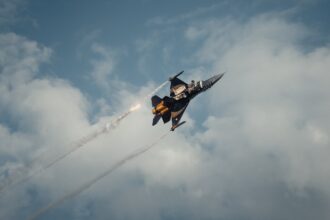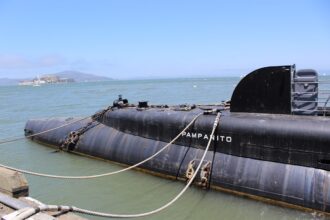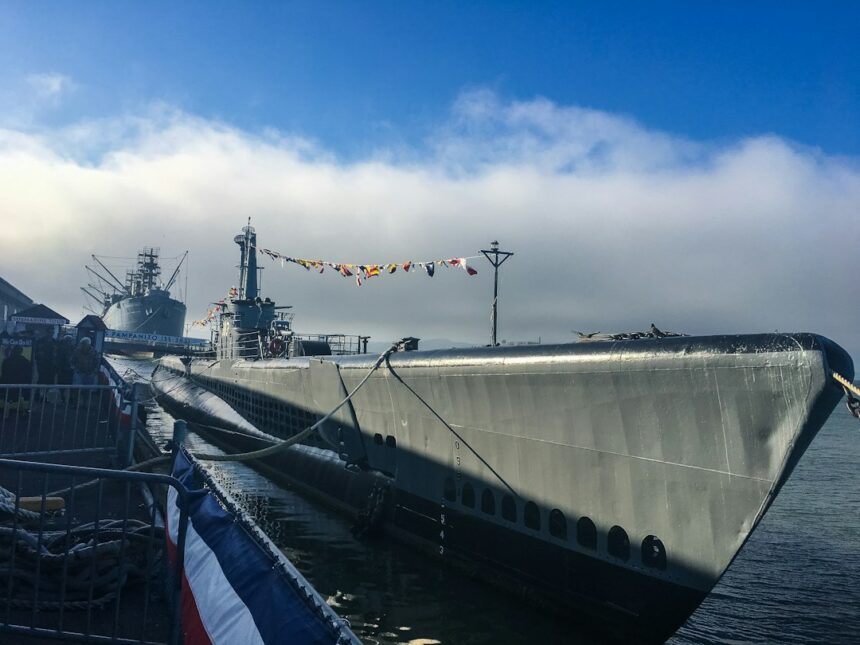
The Cold War, a period of geopolitical tension between the United States and the Soviet Union and their respective allies, was characterized by a relentless arms race. While much attention has been focused on the nuclear arsenals and strategic bombers, the naval arms race was equally critical, serving as a vital instrument for power projection, deterrence, and the protection of global trade routes. The navies of both superpowers underwent a dramatic transformation during this era, driven by a confluence of technological innovation and evolving strategic imperatives. These advancements not only shaped the capabilities of naval forces but also had a profound and lasting impact on global maritime security and the very nature of naval warfare.
The Submarine Revolution: A New Era of Silent Warfare
Perhaps no single development defined the Cold War naval landscape more than the rapid evolution of the submarine. Initially conceived as a platform for commerce raiding and limited offensive action, the submarine transformed into a truly strategic weapon system capable of delivering nuclear payloads and exerting unprecedented influence on the global stage. The technological leaps made during this period were nothing short of revolutionary, moving the submarine from a relatively vulnerable craft to a formidable and often undetectable threat.
The Dawn of Nuclear Propulsion and its Implications
The advent of nuclear propulsion was a game-changer for submarine design and operational capability. Prior to this, submarines relied on diesel engines, which required frequent surfacing to recharge batteries, exposing them to detection. The USS Nautilus, commissioned in 1954, marked the beginning of the nuclear submarine era. Its ability to remain submerged for extended periods, limited only by food and crew endurance, fundamentally altered naval strategy. This meant submarines could operate in enemy waters for weeks or months without surfacing, conduct reconnaissance missions, and launch attacks with a significantly reduced risk of detection and interception. The strategic implications were immense; nuclear-powered submarines became ideal platforms for the elusive second-strike capability, capable of surviving a first strike and retaliating with devastating force.
Ballistic Missile Submarines: The Ultimate Deterrent
The marriage of nuclear propulsion with the development of submarine-launched ballistic missiles (SLBMs) created the ultimate deterrent: the ballistic missile submarine (SSBN). These vessels, armed with multiple nuclear warheads capable of reaching targets thousands of miles away, represented a significant escalation in the strategic arms race. The United States developed the Polaris missile system, followed by Poseidon and Trident, equipping its George Washington, Ethan Allen, Lafayette, James Madison, Benjamin Franklin, and Ohio-class submarines. The Soviet Union responded with its own series of SSBNs, including the Golf, Hotel, and Delta classes, armed with similarly potent ballistic missiles. The deployment of SSBNs provided both superpowers with a survivable and mobile nuclear force, ensuring that neither side could eliminate the other’s nuclear retaliatory capability in a pre-emptive strike. This contributed to the concept of Mutually Assured Destruction (MAD), a chilling but effective form of deterrence that largely prevented direct military confrontation between the superpowers.
Hunter-Killer Submarines: The Shadow War Beneath the Waves
While SSBNs focused on strategic deterrence, a parallel evolution occurred in the development of attack submarines, also known as hunter-killer submarines. These vessels, often designated SSNs (nuclear-powered attack submarines) or SSKs (conventional attack submarines), were designed to hunt and destroy enemy submarines, surface ships, and land targets. Technological advancements in sonar, torpedoes, and propulsion systems made these submarines increasingly sophisticated. Passive sonar systems improved dramatically, allowing submarines to listen for the faint sounds of other vessels at greater distances and with improved accuracy. Active sonar, while more detectable, provided precise range and bearing information. The development of wire-guided torpedoes and later, advanced anti-ship missiles, further enhanced their offensive capabilities. The “silent service,” as the submarine arm was often called, engaged in a constant, often invisible, cat-and-mouse game beneath the waves, with intelligence gathering and anti-submarine warfare (ASW) becoming critical components of naval operations.
During the Cold War, advancements in naval technology played a crucial role in the strategic balance between superpowers. For a deeper understanding of how these innovations shaped naval warfare and influenced military tactics, you can read the article on Cold War naval technology at In the War Room. This resource provides insightful analysis and historical context regarding the development of submarines, aircraft carriers, and other naval assets during this tense period.
Aircraft Carriers: The Projection of Global Power
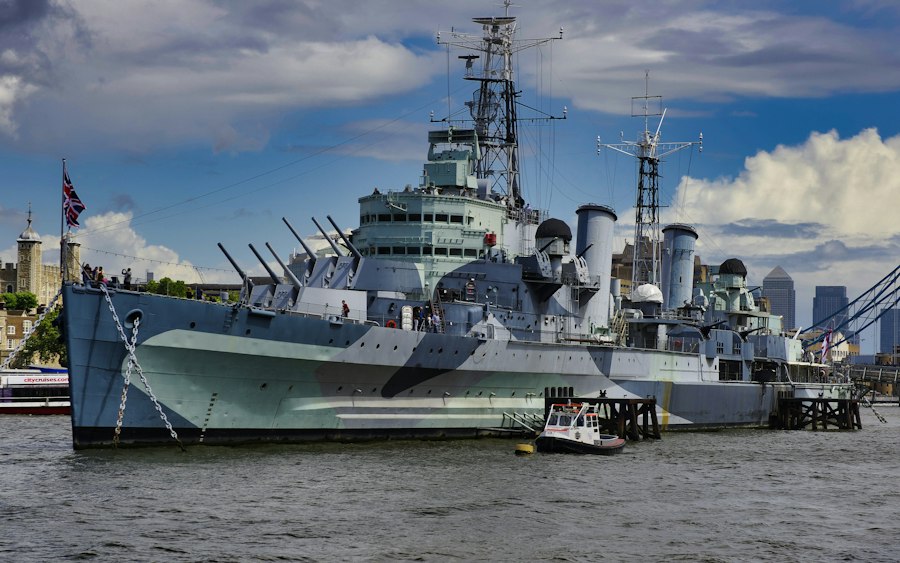
The aircraft carrier remained a cornerstone of naval power throughout the Cold War, evolving from a platform primarily for naval aviation into a mobile airbase capable of projecting power across vast distances. The rivalry between the United States and the Soviet Union saw significant investment in carrier technology, leading to the development of larger, more sophisticated vessels and more capable aircraft.
Supercarriers: Floating Cities of Military Might
The United States, with its global commitments, continued to lead the development of aircraft carriers, culminating in the “supercarrier” era. These massive vessels, such as the Forrestal, Kitty Hawk, and later the Nimitz classes, were more than just ships; they were floating cities, housing thousands of personnel and a formidable air wing. Their sheer size and capacity allowed for the operation of a wide range of aircraft, from high-performance fighter jets and attack bombers to early warning and electronic warfare aircraft. The development of the angled flight deck and the catapult and arrester gear systems allowed for more efficient and safer launching and recovery of aircraft, enabling continuous flight operations. The introduction of nuclear propulsion for carriers in the form of the USS Enterprise (CVN-65) further enhanced their operational range and endurance, allowing them to remain on station for extended periods without the need for refueling.
Soviet Carrier Ambitions: A Different Approach
The Soviet Union, while initially lagging in carrier development, eventually pursued its own carrier programs, albeit with a different strategic focus. Soviet carriers, such as the Kiev and Kuznetsov classes, were often designed as “heavy aircraft-carrying cruisers,” incorporating a significant armament of anti-ship missiles and anti-submarine weapons alongside their aircraft complement. This reflected a Soviet doctrine that viewed carriers as part of a broader naval surface battle group, capable of both launching aircraft and engaging in direct combat with enemy fleets. While they did not achieve the same global reach or operational tempo as their American counterparts, these Soviet carriers represented a significant challenge to Western naval dominance in certain theaters.
The Carrier’s Role in Limited Conflicts and Power Projection
Beyond strategic deterrence, aircraft carriers played a crucial role in demonstrating naval power and responding to limited conflicts. Their ability to deploy aircraft rapidly to any theater of operations made them invaluable tools for show of force missions, supporting amphibious landings, and conducting air strikes in regional conflicts. During the Vietnam War, for example, US aircraft carriers provided a significant portion of the close air support and interdiction bombing. In the Indian Ocean and the Mediterranean, carrier battle groups served as visible symbols of American resolve and power, influencing regional dynamics and deterring potential adversaries.
Surface Combatants: The Backbone of the Fleet
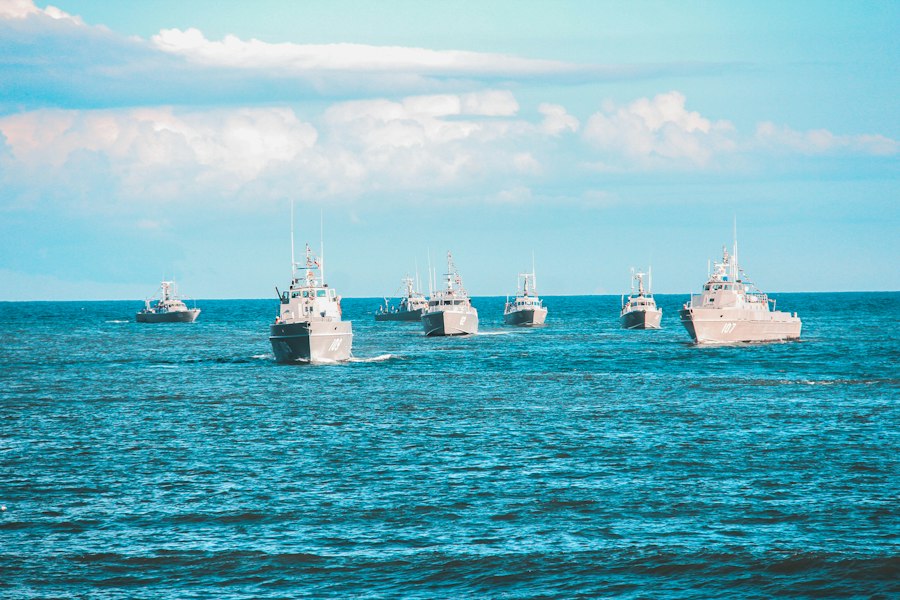
While submarines and carriers often captured the headlines, the workhorses of the Cold War navies were the surface combatants – destroyers, cruisers, and frigates. These vessels evolved significantly, incorporating new weapon systems, advanced sensors, and improved survivability to counter emerging threats.
Missile Warfare and Guided Weapons
The most significant advancement in surface combatant armament was the integration of guided missiles. Gone were the days when heavy naval guns were the primary offensive weapon. Instead, destroyers and cruisers were armed with a diverse array of surface-to-air missiles (SAMs) for air defense and anti-ship missiles (AShMs) for engaging enemy vessels. The development of systems like the American Standard Missile family and the Soviet P-15 Termit (Styx) missile, famously used to sink the Israeli destroyer Eilat, revolutionized naval combat. These missiles offered longer ranges, greater accuracy, and the ability to overwhelm enemy defenses. The introduction of vertical launching systems (VLS) in later classes allowed for a much denser and more responsive missile payload, enabling ships to engage multiple threats simultaneously.
Anti-Submarine Warfare Capabilities
With the growing threat of Soviet submarines, surface combatants were heavily re-engineered for anti-submarine warfare (ASW). They were equipped with sophisticated sonar systems, both hull-mounted and towed arrays, to detect submarines. Their armament included torpedoes, ASROC (Anti-Submarine ROCket) systems which launched torpedoes from a distance, and depth charges. Helicopter-borne ASW systems also became increasingly vital, with naval helicopters providing an extended sensor and weapon platform, capable of searching for submarines over a wide area and delivering torpedoes with pinpoint accuracy. The escort role for carrier battle groups and merchant convoys became a primary mission for destroyers and frigates, requiring them to maintain a constant vigil against the silent threat from below.
The Rise of Electronic Warfare and Command and Control
As the speed and sophistication of naval warfare increased, so did the importance of electronic warfare (EW) and advanced command and control (C2) systems. Surface combatants were equipped with sophisticated radar and electronic countermeasures (ECM) systems to detect and jam enemy radar, as well as decoys and chaff to confuse incoming missiles. Integrated combat systems emerged, linking together radar, sonar, weapons, and communications into a unified network. This allowed for faster decision-making and a more coordinated response to multiple threats. The development of secure communication systems and data links was crucial for maintaining fleet coordination and effectiveness, especially in the context of coordinated anti-submarine operations or amphibious assaults.
Logistics and Support: The Unsung Heroes of Naval Power
The ability to project and sustain naval power across vast oceans relies heavily on a sophisticated and robust logistics and support infrastructure. During the Cold War, both superpowers invested heavily in expanding and modernizing their support fleets, understanding that even the most advanced warships are useless without fuel, ammunition, and provisions.
Replenishment at Sea: Sustaining Global Operations
The concept of replenishment at sea (RAS) became paramount for maintaining long-duration naval operations, especially for carrier battle groups and submarines operating far from home ports. This involved the development of specialized underway replenishment ships, capable of transferring fuel, ammunition, spare parts, and provisions to warships while both vessels were underway. The efficiency and safety of these operations were critical, and significant advancements were made in hose and coupling technology, alongside standardized procedures. The ability to refuel and rearm at sea allowed naval forces to remain on station for extended periods, projecting power and responding to crises without the need for constant returns to port, a crucial advantage in a global Cold War.
Amphibious Warfare Capabilities: Seizing and Holding Ground
The Cold War also saw a significant evolution in amphibious warfare capabilities. The ability to land troops and equipment on hostile shores was a critical component of power projection and potential intervention. Both the US and Soviet navies invested in specialized amphibious assault ships, landing craft, and hovercraft. The development of the LHA and LHD classes in the US Navy, capable of carrying a full Marine Expeditionary Unit, represented a leap forward in amphibious assault capability. These vessels were designed to transport troops, aircraft, and landing craft, enabling rapid deployment and sustained operations ashore. The threat of amphibious assault also served as a deterrent, forcing potential adversaries to consider the possibility of a land invasion from the sea.
Mine Warfare and Countermeasures: A Persistent Threat
Despite the advancements in offensive and defensive technologies, mine warfare remained a persistent and dangerous threat throughout the Cold War. Both sides developed sophisticated naval mines, including bottom mines, moored mines, and even advanced influence mines that could detect and target specific types of vessels. Countering these threats also saw significant technological development, with the introduction of sophisticated mine-hunting sonars, remotely operated vehicles (ROVs) for mine neutralization, and specialized mine-clearing ships and equipment. The need to keep vital sea lanes open for trade and military operations made mine countermeasures a crucial, albeit often overlooked, aspect of naval security.
The advancements in naval technology during the Cold War played a crucial role in shaping military strategies and geopolitical dynamics. For those interested in exploring this topic further, a related article delves into the intricacies of submarine warfare and its impact on naval power. You can read more about it in this insightful piece on Cold War naval innovations at In the War Room. Understanding these developments provides valuable context for the naval arms race that characterized this tense period in history.
The Legacy of the Cold War Naval Arms Race
| Technology | Country | Introduction Year | Key Features | Impact on Naval Warfare |
|---|---|---|---|---|
| Ballistic Missile Submarines (SSBN) | USA | 1960 | Submerged launch of nuclear missiles, stealth capabilities | Enhanced second-strike nuclear deterrence |
| Typhoon-class Submarine | USSR | 1981 | Largest nuclear-powered ballistic missile submarine, multiple missile tubes | Increased Soviet underwater nuclear strike capability |
| Guided Missile Destroyers | USA | 1960s | Equipped with surface-to-air and surface-to-surface missiles | Improved fleet air defense and anti-ship warfare |
| Echo-class Submarines | USSR | 1960s | Nuclear-powered cruise missile submarines | Extended Soviet naval strike range |
| Aircraft Carriers (Nimitz-class) | USA | 1975 | Nuclear-powered, large air wing capacity | Global power projection and sustained naval air operations |
| Hydroacoustic Sonar Systems | Both | 1950s-1980s | Advanced submarine detection and tracking | Improved anti-submarine warfare capabilities |
| Sea-launched Cruise Missiles (SLCM) | Both | 1970s | Long-range precision strike from ships and submarines | Enhanced naval strike flexibility and deterrence |
The intense competition and technological innovation that characterized the Cold War naval arms race left an indelible mark on the world’s navies. The advancements made in submarine technology, carrier aviation, missile systems, and electronic warfare continue to shape naval capabilities and strategies today.
The Enduring Importance of Submarine Warfare
The submarine, once a niche weapon system, has solidified its position as a critical component of modern naval power. The lessons learned in stealth, sonar technology, and the strategic application of nuclear-armed submarines continue to inform the development of underwater warfare. The continuous evolution of submarine design, from hunter-killers to ballistic missile platforms, underscores their enduring importance in maintaining strategic balance and projecting power.
The Dominance of Carrier Aviation and Expeditionary Operations
The aircraft carrier, a symbol of American naval supremacy, remains a formidable platform for power projection and intervention. The ability to deploy a potent air wing anywhere in the world has made carrier battle groups indispensable in addressing global security challenges. The legacy of Cold War amphibious warfare also continues to inform modern expeditionary operations, emphasizing the importance of rapid deployment and sustained operations ashore.
The Transformation of Naval Combat
The introduction of guided missiles and sophisticated electronic warfare systems fundamentally transformed naval combat. The emphasis shifted from close-range gun duels to long-range engagements, requiring advanced sensors, sophisticated targeting, and highly integrated combat systems. The ongoing evolution of these technologies, building on the foundations laid during the Cold War, continues to redefine the nature of naval warfare, emphasizing speed, information dominance, and multi-domain operations. The technological prowess developed during this era of intense rivalry has provided the framework for the naval forces of today, shaping their capabilities, doctrines, and their vital role in maintaining global security.
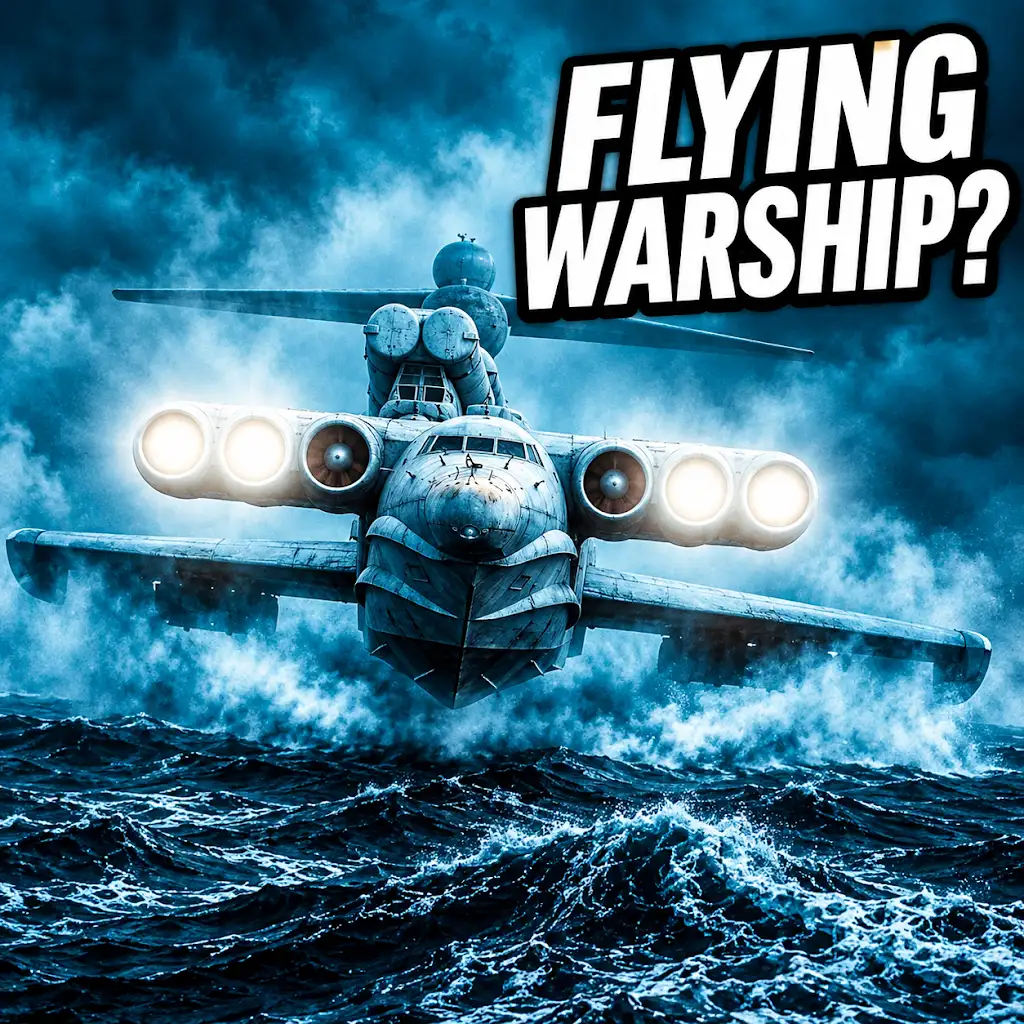
The Soviet Warship That Learned to Fly
FAQs
What role did submarines play in the Cold War naval technology?
Submarines played a crucial role in the Cold War naval technology as they were used for intelligence gathering, surveillance, and strategic deterrence. Both the United States and the Soviet Union invested heavily in developing advanced submarine technology.
How did aircraft carriers contribute to naval warfare during the Cold War?
Aircraft carriers were essential during the Cold War as they provided a mobile airfield for launching and recovering aircraft. They played a significant role in power projection, anti-submarine warfare, and supporting naval operations in various regions around the world.
What advancements were made in naval aviation technology during the Cold War?
During the Cold War, naval aviation technology saw significant advancements, including the development of jet-powered aircraft, carrier-based anti-submarine warfare aircraft, and aerial reconnaissance platforms. These advancements greatly enhanced the capabilities of naval air forces.
How did the development of guided missile technology impact naval warfare in the Cold War?
The development of guided missile technology revolutionized naval warfare during the Cold War by providing ships and submarines with long-range precision strike capabilities. This technology allowed naval forces to engage enemy targets from a distance, increasing their effectiveness in combat.
What role did electronic warfare systems play in Cold War naval technology?
Electronic warfare systems played a critical role in Cold War naval technology by providing ships and aircraft with the ability to detect, jam, and deceive enemy radar and communication systems. These systems were essential for maintaining a tactical advantage and protecting naval assets from enemy threats.