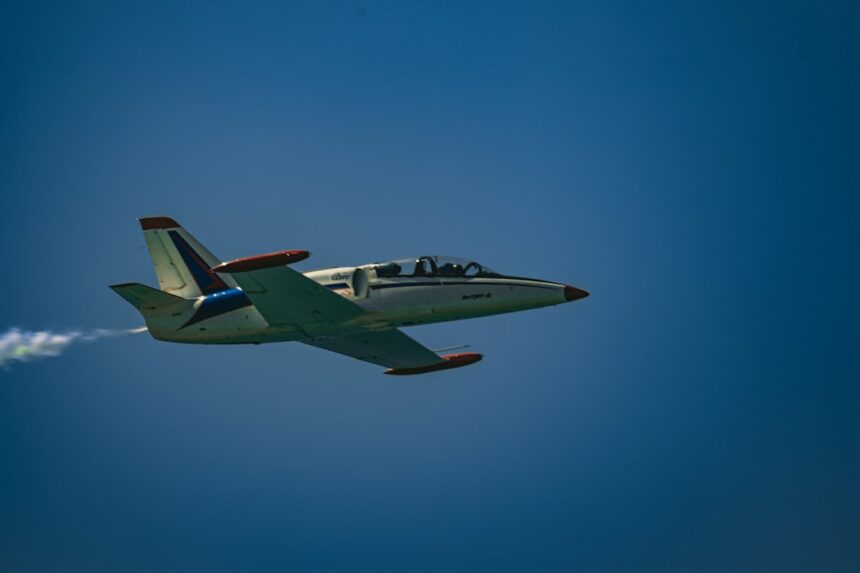
The training of American fighter pilots has evolved significantly since the beginning of military aviation. During the early period of flight, training methods were basic and often involved learning through experience and mistakes. Pilots received instruction primarily in fundamental flying techniques, with minimal focus on aerial combat complexities.
As warfare changed, particularly during World War I and World War II, training approaches also developed. The deployment of more advanced aircraft and the requirement for strategic aerial operations led to the implementation of more organized pilot training systems. This era established formal training programs that encompassed flight skills, tactical knowledge, and combat preparation.
Technological progress drove corresponding changes in U.S. military training methods. The post-war period introduced the jet era, creating new challenges and possibilities for fighter pilots.
The Korean War demonstrated the necessity for pilots to master high-speed operations and air-to-air combat techniques. Training programs subsequently integrated advanced aerial tactics, focusing on situational awareness and rapid decision-making capabilities. The Vietnam War accelerated these developments as pilots encountered new threats including surface-to-air missiles and sophisticated enemy aircraft.
This resulted in the creation of comprehensive training systems that combined flight instruction with simulation exercises and training scenarios designed to prepare pilots for actual combat conditions.
Key Takeaways
- American fighter pilot training has evolved to incorporate advanced simulation and technology for enhanced preparedness.
- Mental and physical fitness are critical components alongside technical skills in pilot training programs.
- Emphasis on teamwork, communication, and leadership is integral to developing effective combat pilots.
- Adversarial training exercises like Red Flag play a key role in preparing pilots for real-world combat scenarios.
- Future training focuses on integrating cutting-edge technology and advanced combat tactics to maintain air superiority.
The Importance of Advanced Simulation Technology
In contemporary fighter pilot training, advanced simulation technology plays a pivotal role in preparing pilots for the complexities of modern aerial combat. Flight simulators have evolved from simple mechanical devices into highly sophisticated systems that replicate real-world flying conditions with remarkable accuracy. These simulators allow pilots to experience a wide range of scenarios, from routine flights to high-stakes combat situations, all without the risks associated with actual flight.
The ability to practice maneuvers and tactics in a controlled environment enhances a pilot’s skills and confidence, making them more effective in real combat situations. Moreover, simulation technology enables instructors to create tailored training experiences that address specific weaknesses or areas for improvement. By analyzing performance data from simulation exercises, trainers can provide targeted feedback and adjust training regimens accordingly.
This personalized approach not only accelerates the learning process but also ensures that pilots are well-prepared for the challenges they will face in the air. As technology continues to advance, the integration of virtual reality and artificial intelligence into simulation training is expected to further enhance the effectiveness of pilot training programs. Learn about the fascinating story of a Soviet radar engineer espionage Cold War operation that changed history.
The Role of Mental and Physical Fitness in Fighter Pilot Training

Mental and physical fitness are critical components of fighter pilot training, as they directly impact a pilot’s performance in high-pressure situations.
Pilots must be able to make quick decisions, often in life-or-death scenarios, while maintaining focus amidst the chaos of combat.
To prepare for these challenges, training programs emphasize the importance of mental conditioning through stress management techniques and cognitive training exercises. Physical fitness is equally essential, as the physiological demands of flying at high speeds and altitudes can take a toll on the body. Fighter pilots are subjected to extreme G-forces during maneuvers, which can lead to fatigue and decreased performance if not properly managed.
Training regimens typically include rigorous physical conditioning programs designed to enhance strength, endurance, and overall health. Additionally, nutrition plays a vital role in maintaining peak performance levels. By prioritizing both mental and physical fitness, fighter pilot training ensures that individuals are not only skilled aviators but also resilient warriors capable of handling the rigors of aerial combat.
Advanced Combat Maneuvers and Tactics
The mastery of advanced combat maneuvers and tactics is a cornerstone of fighter pilot training. As aerial warfare has evolved, so too have the strategies employed by pilots in combat situations. Modern fighter pilots must be proficient in a variety of maneuvers that allow them to outmaneuver adversaries while maximizing their own aircraft’s capabilities.
Training programs focus on teaching pilots how to execute complex aerial maneuvers such as barrel rolls, split-S turns, and high-speed passes, all while maintaining situational awareness. In addition to individual maneuvers, understanding tactical formations and team-based strategies is crucial for success in combat. Pilots are trained to operate as part of a cohesive unit, coordinating their actions with wingmen to achieve mission objectives effectively.
This includes practicing tactics such as flanking maneuvers and coordinated attacks on enemy targets. By honing these skills through rigorous training exercises, fighter pilots develop the ability to adapt their tactics in real-time based on changing battlefield conditions, ultimately enhancing their effectiveness in combat scenarios.
The Use of Advanced Weapons Systems and Technology
| Training Method | Description | Duration | Key Metrics | Purpose |
|---|---|---|---|---|
| Initial Flight Screening (IFS) | Basic flight training to assess aptitude and foundational skills | 4-6 weeks | ~25 flight hours, pass rate ~85% | Identify candidates suitable for advanced pilot training |
| Undergraduate Pilot Training (UPT) | Comprehensive pilot training including academics, simulators, and flight | 52 weeks | ~200 flight hours, simulator hours vary, graduation rate ~75% | Train pilots to fly operational aircraft |
| Introduction to Fighter Fundamentals (IFF) | Advanced training focusing on fighter tactics and maneuvers | 8-10 weeks | ~40 flight hours, emphasis on air combat maneuvering | Prepare pilots for fighter aircraft transition |
| Formal Training Unit (FTU) | Type-specific training on assigned fighter aircraft | 12-16 weeks | ~60-80 flight hours, mission qualification standards | Qualify pilots on specific fighter platforms |
| Red Flag Exercises | Advanced combat training exercises simulating real combat scenarios | 2-3 weeks per exercise | Multiple sorties, joint force integration, high-threat environment | Enhance combat readiness and tactics |
The integration of advanced weapons systems and technology into fighter pilot training has revolutionized how pilots prepare for combat. Modern fighter jets are equipped with an array of sophisticated weaponry, including precision-guided munitions, air-to-air missiles, and advanced targeting systems. Training programs must ensure that pilots are not only familiar with these systems but also adept at utilizing them effectively in various combat scenarios.
Pilots undergo extensive training on how to operate these advanced systems, including understanding their capabilities and limitations. This knowledge is critical for making informed decisions during combat operations. Additionally, training often includes simulations that allow pilots to practice engaging targets using different weapons systems under varying conditions.
By familiarizing themselves with these technologies during training, pilots can maximize their effectiveness in real-world engagements, ensuring they can leverage their aircraft’s full potential when it matters most.
The Emphasis on Teamwork and Communication in Fighter Pilot Training

Teamwork and communication are fundamental aspects of successful fighter pilot operations. In modern aerial combat, pilots rarely operate in isolation; instead, they work as part of a larger team that includes other pilots, ground control personnel, and support staff. Effective communication is essential for coordinating actions during missions and ensuring that all team members are aware of their roles and responsibilities.
Training programs place a strong emphasis on developing these skills through collaborative exercises and simulations that mimic real-world scenarios. Pilots learn how to communicate clearly and concisely under pressure while also honing their ability to listen and respond to instructions from their teammates and superiors. This focus on teamwork extends beyond verbal communication; non-verbal cues and situational awareness are equally important in maintaining effective coordination during high-stakes operations.
The Influence of Historical American Fighter Pilot Methods
The legacy of historical American fighter pilot methods continues to shape contemporary training practices. Lessons learned from past conflicts have informed the development of modern training programs, ensuring that pilots are equipped with the knowledge and skills necessary to succeed in today’s complex battlefield environments. Historical figures such as the legendary “Flying Tigers” from World War II exemplified innovative tactics that emphasized agility and adaptability—principles that remain relevant in current training methodologies.
Moreover, the experiences of past conflicts have underscored the importance of continuous improvement in pilot training. As new threats emerge and technology evolves, it is essential for training programs to adapt accordingly. By studying historical successes and failures, modern trainers can refine their approaches to better prepare pilots for the challenges they will face in future conflicts.
The Integration of Leadership and Decision-Making Skills in Training
Leadership and decision-making skills are integral components of fighter pilot training, as pilots often find themselves in positions where they must make critical choices under pressure. Effective leadership is essential not only for individual pilots but also for fostering a cohesive team environment during missions. Training programs emphasize the development of these skills through scenario-based exercises that challenge pilots to think critically and make sound decisions in high-stress situations.
Pilots are encouraged to take initiative and demonstrate leadership qualities during training exercises, whether they are leading a formation or coordinating with ground support teams. This focus on leadership extends beyond technical proficiency; it encompasses interpersonal skills such as conflict resolution and team motivation. By cultivating these abilities during training, fighter pilots are better prepared to navigate the complexities of real-world operations where effective leadership can mean the difference between success and failure.
The Impact of Advanced Air Combat Training Programs
Advanced air combat training programs have significantly enhanced the preparedness of American fighter pilots for modern warfare. These programs incorporate cutting-edge techniques and technologies designed to simulate real-world combat scenarios as closely as possible. By exposing pilots to a variety of challenging situations—ranging from dogfights to coordinated strikes against ground targets—these programs ensure that they are well-equipped to handle any situation they may encounter in actual combat.
Furthermore, advanced air combat training emphasizes adaptability and innovation. Pilots are encouraged to think creatively when faced with unexpected challenges during exercises, fostering a mindset that values flexibility over rigidity. This approach not only enhances individual performance but also contributes to overall mission success by promoting a culture of continuous learning and improvement within pilot ranks.
The Role of Adversarial Training and Red Flag Exercises
Adversarial training exercises, such as Red Flag operations, play a crucial role in preparing fighter pilots for real-world combat scenarios by simulating high-stakes environments where they face off against adversaries employing realistic tactics. These exercises involve multiple aircraft from various branches of the military working together against simulated enemy forces, providing invaluable experience in teamwork and coordination under pressure. During Red Flag exercises, pilots encounter a range of challenges designed to test their skills and decision-making abilities in dynamic situations.
The intensity of these exercises helps build resilience among pilots while reinforcing the importance of adaptability in combat operations. By participating in adversarial training, fighter pilots gain firsthand experience navigating complex scenarios that mirror potential future conflicts—ultimately enhancing their readiness for actual combat missions.
The Future of American Fighter Pilot Training
As technology continues to advance at an unprecedented pace, the future of American fighter pilot training is poised for further evolution. Innovations such as artificial intelligence (AI), machine learning, and virtual reality (VR) are expected to play increasingly significant roles in shaping how pilots are trained. These technologies offer new opportunities for personalized learning experiences that cater to individual strengths and weaknesses while providing immersive simulations that replicate real-world conditions more accurately than ever before.
Moreover, as geopolitical landscapes shift and new threats emerge, pilot training programs will need to adapt accordingly—incorporating lessons learned from recent conflicts while remaining agile enough to respond to future challenges. The emphasis on mental resilience, physical fitness, teamwork, communication skills, leadership development, and advanced technology will remain central tenets of effective pilot training moving forward. In conclusion, American fighter pilot training has come a long way since its inception—evolving into a comprehensive program that prioritizes not only technical proficiency but also mental acuity, physical fitness, teamwork dynamics, leadership capabilities, and adaptability in an ever-changing landscape of aerial warfare.
As advancements continue shaping this field over time—ensuring that future generations of fighter pilots are equipped with the skills necessary for success—the legacy established by those who came before them will undoubtedly endure as an integral part of military aviation history.
American fighter pilot training methods have evolved significantly over the years, incorporating advanced technology and innovative strategies to enhance pilot performance and safety. A related article that delves deeper into these training techniques can be found at this link. This resource provides insights into the latest developments in pilot training and the impact of simulation and real-world exercises on the effectiveness of fighter pilots.
WATCH THIS! 🕵️ HE CHOSE BETRAYAL—And His Wife Paid the Price | The Billion Dollar Spy
FAQs
What are the primary stages of American fighter pilot training?
American fighter pilot training typically includes several stages: initial flight screening, undergraduate pilot training (UPT), specialized fighter training, and operational conversion units. Trainees first learn basic flight skills before advancing to complex fighter tactics and mission simulations.
How long does it take to become a qualified American fighter pilot?
The entire training process to become a qualified fighter pilot usually takes about 1.5 to 2 years after completing initial officer commissioning and flight screening. This includes undergraduate pilot training and specialized fighter training.
What types of aircraft are used in American fighter pilot training?
Training aircraft commonly used include the T-6 Texan II for initial flight training, the T-38 Talon for advanced jet training, and various fighter jets such as the F-16 Fighting Falcon or F-35 Lightning II for specialized fighter training.
What skills are emphasized during American fighter pilot training?
Training emphasizes advanced flying skills, aerial combat tactics, weapons systems operation, situational awareness, decision-making under pressure, and teamwork. Pilots also learn to operate sophisticated avionics and engage in simulated combat scenarios.
Who conducts the training for American fighter pilots?
Training is conducted by the United States Air Force and United States Navy, depending on the branch. Experienced instructor pilots and training squadrons oversee the curriculum and provide hands-on instruction.
Are simulator sessions part of the training process?
Yes, flight simulators play a crucial role in fighter pilot training. They allow pilots to practice complex maneuvers, emergency procedures, and combat scenarios in a controlled, safe environment.
What physical and mental requirements must candidates meet?
Candidates must meet strict physical fitness standards, including vision and health requirements. They also undergo psychological evaluations to ensure they can handle the stress and demands of high-speed aerial combat.
Can foreign pilots train using American fighter pilot training methods?
Yes, allied foreign military pilots sometimes participate in American training programs through international agreements, gaining access to U.S. training methods and facilities.
How has technology influenced American fighter pilot training?
Advancements in simulation technology, virtual reality, and data analytics have enhanced training effectiveness by providing realistic scenarios and detailed performance feedback, improving pilot readiness and safety.
What is the role of continuous training after initial qualification?
Even after qualification, fighter pilots undergo ongoing training to maintain proficiency, learn new tactics, and adapt to evolving technologies and threats throughout their careers.