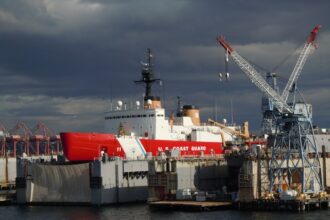
The ever-evolving landscape of global security necessitates a robust and sophisticated approach to missile defense. As nation-states and non-state actors develop increasingly advanced ballistic and cruise missile capabilities, the strategies employed to counter these threats must evolve in parallel. Effective missile defense is not merely about intercepting a projectile; it is a multifaceted doctrine encompassing early warning, layered defenses, sophisticated command and control, and continuous adaptation to emerging technologies. This article delves into the advanced military strategies that underpin the development and deployment of effective missile defense systems, examining the complexities and considerations involved in safeguarding against the catastrophic potential of missile strikes.
The Foundation of Vigilance: Early Warning and Situational Awareness
The cornerstone of any effective missile defense system lies in its ability to detect a threat as early as possible. This proactive stance maximizes reaction time, allowing for the engagement of a missile at various stages of its trajectory and providing critical intelligence for defensive operations. Advanced early warning systems leverage a complex network of sensors and data fusion techniques to achieve unprecedented levels of situational awareness.
Global Sensor Networks and Data Fusion
The effectiveness of early warning hinges on a globally distributed network of sensors. This includes space-based infrared satellites, ground-based radar installations, and airborne platforms. Space-based systems, such as those equipped with infrared sensors, are crucial for detecting the heat signature of a missile launch in its boost phase, providing initial notification of an incoming threat. These satellites offer a broad, persistent view of potential launch sites, allowing for rapid identification of activity. Ground-based radar systems, operating across various frequencies, then take over as the missile ascends, tracking its trajectory and providing detailed data on its speed, altitude, and predicted flight path.
The sheer volume of data generated by these disparate sensors presents a significant challenge. Advanced data fusion algorithms are therefore essential. These algorithms integrate information from multiple sources, correlating sensor readings, filtering out noise and false positives, and building a comprehensive picture of the operational environment. Machine learning and artificial intelligence play an increasingly vital role in this process, enabling systems to learn from past events, identify subtle patterns indicative of a threat, and predict missile behavior with greater accuracy. The ability to fuse data from diverse sources – including intelligence reports and human observation – creates a more resilient and reliable early warning capability.
Trajectory Prediction and Threat Assessment
Once a potential launch is detected, the immediate priority is to accurately predict the missile’s trajectory and assess the nature of the threat. This involves sophisticated algorithms that analyze the missile’s initial flight parameters and compare them against known missile profiles. Factors such as launch angle, burn time, and observable aerodynamic characteristics are fed into predictive models to estimate the target location, impact time, and potential range.
Threat assessment goes beyond simple trajectory prediction. It involves understanding the likely payload, the intent behind the launch, and the broader geopolitical context. Are we dealing with a tactical ballistic missile intended for a localized strike, or an intercontinental ballistic missile (ICBM) with the potential for strategic devastation? Analyzing the launch site, the type of missile detected (if discernible), and any accompanying intelligence provides critical context for prioritizing defensive resources and determining the appropriate response. This continuous assessment allows commanders to refine their understanding of the threat, allocate interceptors effectively, and provide timely warnings to protected populations and assets.
In the realm of military strategies for missile defense, understanding the evolving landscape of threats and countermeasures is crucial. A related article that delves into these strategies can be found at In The War Room, where experts analyze the latest developments in missile defense systems and their implications for national security. This resource provides valuable insights into how military forces are adapting to new technologies and the strategic considerations that come into play in the defense against missile threats.
Layered Defense Architectures: Intercepting Threats at Multiple Stages
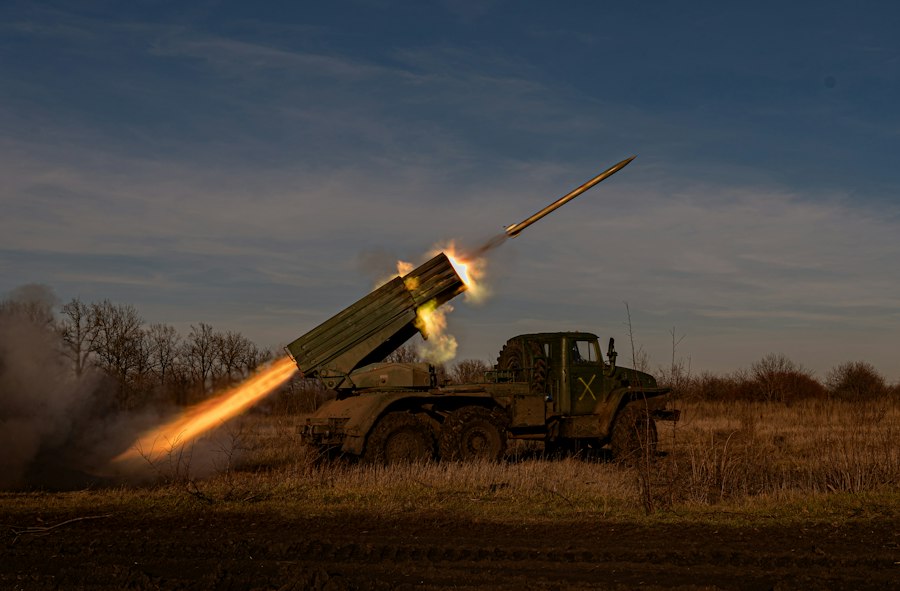
No single missile defense technology is foolproof. Therefore, advanced military strategies emphasize the development of layered defense architectures. This approach aims to engage and neutralize a missile at multiple points in its flight, from its boost phase shortly after launch to its terminal phase as it approaches its target. Each layer is designed to address specific missile characteristics and vulnerabilities, creating multiple opportunities for interception and increasing the overall probability of success.
Boost Phase Interception
The boost phase, the initial powered flight of a ballistic missile, represents a critical window for interception. During this phase, the missile is relatively slow-moving and its trajectory is most predictable. However, it is also a challenging environment, characterized by extreme heat, rapid acceleration, and the presence of booster rockets. Advanced strategies for boost phase interception often involve space-based interceptors or high-altitude, long-endurance aircraft equipped with sophisticated sensors and weapons.
Space-based interceptors, while technologically demanding and costly, offer the advantage of engaging a missile before it can deploy countermeasures or disperse. These interceptors would need to be rapidly deployable and capable of precise maneuvering to collide with or destroy the rising missile. High-altitude aircraft, such as specialized drones or modified reconnaissance planes, could also be employed to track missiles during their boost phase, especially over vast oceanic expanses where ground-based radar coverage is limited. The key to successful boost phase interception lies in early detection and the ability to rapidly deploy interceptors to the predicted intercept point.
Mid-Course Phase Interception
The mid-course phase is the longest and most stable part of a ballistic missile’s flight. After the booster rockets have detached, the missile travels through the upper atmosphere and space, unpowered. This phase offers a larger engagement envelope and a more predictable trajectory compared to the boost phase. Ground-based and sea-based radar systems are particularly effective during this stage, tracking the missile and guiding interceptors.
Advanced interceptors, such as the U.S. Ground-based Midcourse Defense (GMD) system, are designed to engage threats during this phase. These interceptors carry non-explosive kinetic kill vehicles that physically collide with the incoming missile or its warhead, destroying it through sheer force. The development of highly maneuverable interceptors with advanced seeker heads is crucial for accounting for any potential evasive maneuvers or decoys deployed by the adversary. The ability to track multiple targets simultaneously and launch multiple interceptors against a single threat is also a key feature of sophisticated mid-course defense strategies. Sea-based platforms, such as Aegis-equipped destroyers and cruisers, provide an agile and mobile mid-course defense capability, allowing for the repositioning of assets to counter emerging threats.
Terminal Phase Interception
The terminal phase is the final descent of a missile towards its target. During this stage, the missile is accelerating rapidly, and its trajectory becomes more difficult to predict due to atmospheric effects and potential warhead separation. However, this phase is also the last opportunity to intercept the threat before it reaches its intended destination. Terminal phase interception is primarily handled by short-range and medium-range missile defense systems.
These systems, such as Patriot or THAAD (Terminal High Altitude Area Defense), are designed to engage missiles at lower altitudes and shorter ranges. They employ highly agile interceptors with advanced seeker technologies that can discriminate between warheads and decoys. The development of directed-energy weapons, such as high-energy lasers, is also a promising avenue for terminal phase interception. Lasers offer the potential for near-instantaneous engagement and an unlimited magazine, although their effectiveness is currently limited by atmospheric conditions and power requirements. The success of terminal phase interception relies on rapid detection, precise tracking, and highly responsive interceptors.
Command, Control, and Communications: The Nervous System of Missile Defense
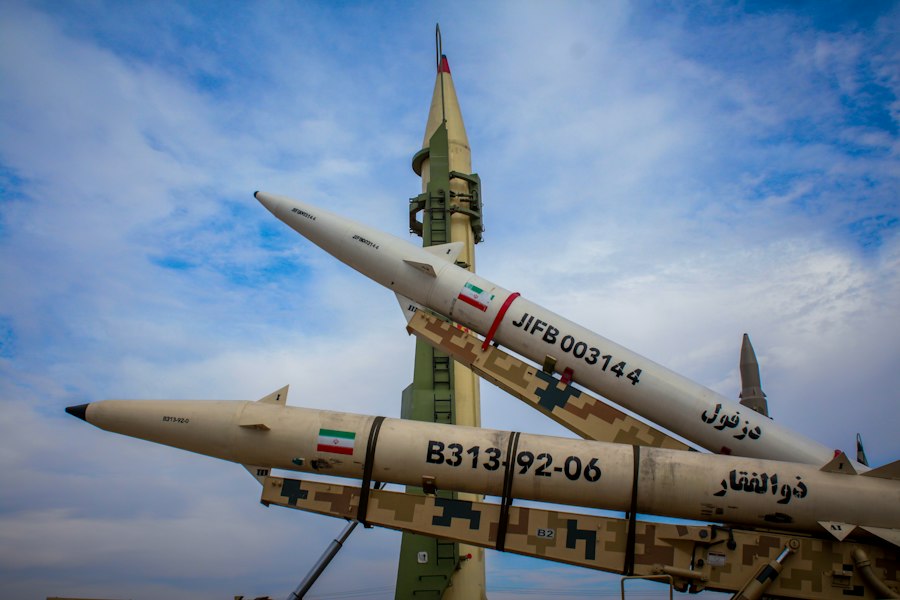
The effectiveness of any missile defense system is inextricably linked to its command, control, and communications (C3) infrastructure. This complex network acts as the “nervous system,” coordinating the vast array of sensors, decision-making processes, and interceptor platforms. Advanced C3 strategies prioritize speed, accuracy, resilience, and interoperability to ensure that defensive assets are employed effectively and efficiently.
Integrated Command and Decision-Making
In the chaotic environment of a missile attack, rapid and accurate decision-making is paramount. Integrated command and decision-making processes leverage artificial intelligence and sophisticated algorithms to support human operators. These systems can analyze incoming threat data, present optimized engagement options, and even automate certain defensive actions based on pre-defined rules of engagement.
The goal is to reduce the time between detection and engagement, minimizing the window of vulnerability. This often involves a hierarchical command structure where localized decision-making authority is empowered for immediate threats, while higher command levels oversee strategic resource allocation and broader defensive operations. The integration of diverse intelligence streams, including cyber intelligence and human intelligence, further enriches the decision-making process, providing a more complete understanding of the threat landscape.
Resilient Communication Networks
Missile defense operations are highly dependent on secure and resilient communication networks. These networks must be able to withstand cyberattacks, electronic jamming, and even physical disruption. Advanced strategies employ a combination of redundant communication channels, including satellite links, fiber optic cables, and secure radio frequencies, to ensure that critical data can flow unimpeded.
The use of mesh networks and decentralized communication architectures can enhance resilience, allowing for continued operation even if individual nodes are compromised. Encryption and authentication protocols are essential to protect the integrity and confidentiality of communications, preventing adversaries from intercepting or manipulating vital information. The ability to communicate seamlessly between different branches of the military, allied nations, and even civilian authorities is also a critical component of an effective C3 system.
Interoperability and Coalition Defense
In an increasingly interconnected world, missile defense is rarely a unilateral effort. Effective strategies emphasize interoperability between different national missile defense systems and the ability to operate within coalition frameworks. This requires standardized communication protocols, data formats, and command structures.
Allied nations often possess complementary missile defense capabilities, and seamless integration allows for a more robust and comprehensive defensive posture. For example, one nation might have advanced early warning satellites, while another possesses superior interceptor technology. By sharing data and coordinating defensive actions, coalitions can achieve a level of protection that would be unattainable individually. This interoperability is not just technical; it also involves the development of shared doctrines, training exercises, and mutual trust between participating nations.
Countering Advanced Threats: Adapting to Emerging Technologies
The adversaries of missile defense systems are not static. They continuously research and develop new technologies to overcome existing defensive measures. Advanced military strategies must therefore incorporate a forward-looking approach, anticipating future threats and developing countermeasures proactively.
Ballistic Missile Modernization and Hypersonics
Ballistic missile technology continues to advance, with nations developing longer-range missiles, multiple independently targetable re-entry vehicles (MIRVs) to overwhelm defenses, and maneuvering re-entry vehicles (MaRVs) to complicate trajectory prediction. The emergence of hypersonic glide vehicles (HGVs) presents a particularly significant challenge. HGVs are launched on ballistic missile boosters but then glide at hypersonic speeds along unpredictable trajectories, making them extremely difficult to track and intercept with current systems.
Advanced missile defense strategies are focused on developing new interceptor technologies capable of engaging these faster and more agile threats. This includes improved radar with greater tracking resolution, faster and more maneuverable interceptors, and potentially directed-energy weapons that can engage targets at extreme speeds. Research into counter-hypersonic technologies, such as advanced sensor systems and predictive algorithms, is a high priority.
Electronic Warfare and Cyber Resilience
Electronic warfare (EW) and cyberattacks pose a significant threat to missile defense systems. Adversaries can attempt to jam radar signals, spoof sensor data, or disrupt communication networks. Advanced missile defense strategies must incorporate robust EW countermeasures and strong cyber defenses.
This includes developing radar systems that are resistant to jamming, employing techniques to detect and counter spoofing, and implementing sophisticated cyber security measures to protect critical command and control systems. The ability to rapidly identify and respond to cyber intrusions is crucial, ensuring that the missile defense network remains operational even under attack. This also involves continuous vulnerability assessments and the implementation of patching and mitigation strategies.
Deception, Countermeasures, and Discrimination
Adversaries may employ decoys, chaff, and other countermeasures to confuse defensive systems and mask the true warhead. Advanced missile defense requires sophisticated discrimination capabilities to accurately identify and target the actual threat. This involves developing sensors and algorithms that can distinguish between warheads and decoys based on subtle differences in their physical characteristics, thermal signatures, or flight dynamics.
The development of intelligent interceptors with advanced seeker heads capable of real-time discrimination is crucial. Furthermore, understanding the adversary’s likely deception tactics is essential for developing effective counter-deception strategies. This involves continuous intelligence gathering and analysis of adversary doctrine and technological development.
In recent discussions about military strategies for missile defense, the importance of integrating advanced technologies has become increasingly evident. A related article that explores innovative approaches to enhancing missile defense systems can be found at this link. By examining various case studies and expert analyses, the article sheds light on how nations can improve their defensive capabilities against evolving threats in the modern battlefield.
The Human Element and Future Directions
| Strategy | Description | Key Technologies | Effectiveness | Challenges |
|---|---|---|---|---|
| Layered Defense | Multiple defensive layers to intercept missiles at different phases of flight (boost, midcourse, terminal) | Early warning radars, interceptors, Aegis BMD, THAAD, Patriot systems | High – increases interception probability by redundancy | High cost, complex coordination, potential saturation by multiple missiles |
| Boost Phase Intercept | Targeting missiles during their initial powered flight phase | High-speed interceptors, space-based sensors, directed energy weapons | Moderate – limited window but disables missile early | Requires proximity to launch site, rapid detection and response |
| Midcourse Intercept | Engaging missiles in space during their ballistic trajectory | Ground-based interceptors, space sensors, kill vehicles | Moderate to High – longest engagement window | Decoys and countermeasures can reduce effectiveness |
| Terminal Phase Intercept | Intercepting missiles as they re-enter atmosphere towards target | Patriot PAC-3, THAAD, close-in weapon systems | High – last line of defense | Short reaction time, limited coverage area |
| Directed Energy Weapons | Using lasers or microwave weapons to disable or destroy missiles | High-energy lasers, microwave emitters | Emerging – promising for rapid, cost-effective defense | Power supply, atmospheric interference, range limitations |
| Electronic Warfare | Jamming or spoofing missile guidance systems | Electronic jammers, cyber warfare tools | Variable – depends on missile technology | Advanced missiles may resist jamming, requires intelligence |
While technology forms the backbone of advanced missile defense, the human element remains indispensable. Highly trained operators, strategic thinkers, and dedicated researchers are essential for the effective development, deployment, and operation of these complex systems.
Training and Operator Proficiency
The most sophisticated missile defense system is only as effective as the personnel who operate it. Continuous and rigorous training is paramount to ensure that operators can effectively manage complex systems, interpret vast amounts of data, and make critical decisions under immense pressure. This includes realistic simulations, joint exercises with allied forces, and ongoing education to keep pace with technological advancements and evolving threat landscapes.
The ability of operators to maintain situational awareness, identify anomalies, and execute complex engagement sequences is crucial. Investing in human capital – through recruitment, training, and retention – is as important as investing in hardware and software.
Strategic Thinking and Policy Development
Effective missile defense is not solely a technical endeavor; it is deeply intertwined with strategic thinking and policy development. Nations must carefully consider the implications of deploying missile defense systems, including their impact on strategic stability, deterrence, and arms control.
This involves a nuanced understanding of geopolitical dynamics, the motivations of potential adversaries, and the ethical considerations surrounding the use of such powerful technologies. Policymakers and military strategists must engage in continuous dialogue to ensure that missile defense strategies align with broader national security objectives and contribute to a more stable global security environment.
Research and Development for Future Generations
The arms race in missile technology demands a perpetual commitment to research and development for future generations of missile defense. This includes exploring entirely new paradigms for interception, such as advanced directed-energy weapons, space-based interceptor constellations, and novel sensing technologies.
Investing in basic research, fostering innovation, and encouraging collaboration between government, academia, and industry are essential to staying ahead of emerging threats. The ability to rapidly prototype, test, and field new technologies will be critical in maintaining an effective missile defense capability in the decades to come. The pursuit of effective missile defense is a continuous journey, demanding constant vigilance, adaptation, and a forward-looking perspective to safeguard against the existential threat of missile warfare.

The 1958 Space Nukes Meant to Destroy Soviet Missiles
FAQs
What is missile defense?
Missile defense refers to the systems and strategies designed to detect, track, intercept, and destroy incoming missiles before they reach their intended targets.
What are some common military strategies for missile defense?
Common military strategies for missile defense include using ground-based interceptors, sea-based interceptors, air defense systems, and space-based sensors to detect and neutralize incoming threats.
How do ground-based interceptors work in missile defense?
Ground-based interceptors are missiles launched from the ground to intercept and destroy incoming enemy missiles in the midcourse phase of their flight, before they re-enter the Earth’s atmosphere.
What role do sea-based interceptors play in missile defense?
Sea-based interceptors are missiles launched from naval ships or submarines to intercept and destroy incoming missiles. These systems provide flexibility and mobility in defending against threats from various locations.
How do air defense systems contribute to missile defense?
Air defense systems, such as surface-to-air missiles and fighter aircraft, are used to intercept and destroy enemy missiles in the terminal phase of their flight, as they approach their targets. These systems provide a final layer of defense against incoming threats.