The clandestine world of intelligence gathering, often associated with shadowy operatives and satellite surveillance, extends its reach into the planet’s deepest trenches. The Central Intelligence Agency (CIA), operating under the veil of national security, has developed and employed a suite of advanced technologies for undersea recovery operations. These operations are crucial for retrieving sensitive materials, disabled or downed aircraft, and even submarines that have met unfortunate fates, all while maintaining an operational advantage and minimizing the risk of adversaries gaining access to vital information or technology. The ocean depths, a vast and often unforgiving realm, present unique challenges that necessitate specialized and cutting-edge solutions.
Strategic Significance of Submerged Assets
The strategic importance of assets that operate or are deployed beneath the waves cannot be overstated. Submarines, for instance, represent a significant investment in stealth and strategic projection. Their loss, whether due to malfunction or hostile action, represents not only a financial blow but also a critical intelligence vulnerability. The data logs, sonar recordings, and cryptographic equipment contained within a lost submarine could offer invaluable insights into operational capabilities, deployment patterns, and technological vulnerabilities of a nation. Therefore, the ability to recover such an asset discreetly and efficiently is paramount. Beyond military applications, sensitive scientific payloads, downed reconnaissance drones, or even cargo with national security implications can find themselves on the seabed, demanding retrieval. The silent depths become a potential repository of secrets, and for the CIA, the ability to access these secrets is a core tenet of its mission.
Countering Adversarial Exploitation
The recovery of submerged assets is not merely about retrieval; it is equally about denial. If a downed aircraft or a disabled submarine falls into enemy hands before a recovery operation can conclude, it presents an immediate and significant advantage to the adversary. They could potentially reverse-engineer advanced technologies, glean intelligence about U.S. capabilities, or even expose operational methods. Advanced CIA undersea recovery techniques are, therefore, a vital deterrent, ensuring that potential adversaries are denied the spoils of opportunity. This proactive approach is akin to a skilled locksmith securing a vault, not only to access its contents but also to prevent others from doing so. The CIA’s efforts are designed to be so swift and covert that the discovery of a submerged asset by an adversary becomes an impossibility.
The Unseen Challenges of the Deep
The ocean is not a static environment. Its immense pressures, extreme temperatures, perpetual darkness, and dynamic currents create a hostile arena for any terrestrial or aerial technology. Recovering an object weighing many tons from thousands of meters below the surface, with limited visibility and in potentially rough seas, requires solutions that defy conventional engineering. The very act of sending equipment into these environments is a testament to human ingenuity and the relentless pursuit of objectives, regardless of the physical barriers. These challenges are akin to performing intricate surgery in a hurricane, where every movement must be precise, and every tool must be robust.
The CIA has long been involved in various covert operations, and one fascinating aspect of their work is undersea recovery technology. An insightful article that delves into this topic is available at this link, which explores the advancements and historical significance of the agency’s underwater capabilities. This article sheds light on how such technologies have played a crucial role in intelligence gathering and national security efforts throughout the years.
Specialized Recovery Vessels
The Stealth and Support Platform
Central to any advanced undersea recovery operation is the deployment platform. These are not your typical research vessels; they are sophisticated, often disguised, and equipped with a host of specialized systems. The CIA likely utilizes a mix of surface vessels and, potentially, submersible platforms. Surface vessels used for these operations are designed for discretion, often appearing as innocuous cargo ships or fishing trawlers to mask their true purpose. Their hulls may incorporate advanced acoustic dampening systems to minimize their own sonar signature and prevent detection by adversarial underwater surveillance. Internally, these vessels are bustling hubs of activity, housing the control centers for remotely operated vehicles (ROVs), scientific laboratories for immediate analysis, and specialized crew quarters.
Discreet Hull Design and Acoustic Signature Management
The external appearance of these vessels is a critical component of their covert nature. A vessel designed for public consumption must blend seamlessly into the maritime landscape. This involves mimicking the typical hull shapes, paint schemes, and deck layouts of vessels commonly found in the region of operation. Acoustic signature management is equally crucial. Every vessel generates noise through its engines, propellers, and hull interactions with water. Advanced passive sonar systems employed by potential adversaries could detect even the subtlest of sounds. Therefore, these recovery platforms incorporate technologies such as advanced propeller designs that produce minimal cavitation, strategically placed mufflers for engine noise, and hull coatings designed to absorb or deflect sonar waves. The goal is to make the vessel appear as unremarkable and unnoticed as possible, a ghost in the ocean’s vast expanse.
Integrated Command and Control Centers
The brain of any recovery operation resides within the command and control center. These centers are equipped with state-of-the-art communication systems, advanced sonar displays, real-time video feeds from ROVs, and sophisticated navigation and positioning equipment. The crew must maintain constant situational awareness, coordinating the various elements of the operation from the surface vessel to the remotely deployed hardware. This integrated network allows for split-second decision-making and precise control over complex maneuvers in a highly unforgiving environment. The command center acts as the conductor of a complex orchestra, where each instrument – the ROVs, the sonar arrays, the thrusters – must perform in perfect harmony.
Submersible Support Platforms
In certain scenarios, the CIA may employ submersible platforms that operate beneath the surface, offering an even greater degree of stealth and proximity to the target. These could range from highly advanced, large-displacement submarines designed for support roles to more specialized, smaller submersible vehicles capable of deploying and operating ROVs or divers. Their ability to operate independently of weather conditions and remain undetected for extended periods makes them invaluable assets for sensitive recovery missions. This offers a distinct advantage, allowing operations to proceed without the direct visual signature of a surface vessel, effectively disappearing beneath the waves.
Enhanced Stealth and Autonomous Capabilities
Submersible support platforms are engineered with stealth as a primary design principle. Their hulls are streamlined to minimize hydrodynamic drag and acoustic noise. Advanced propulsion systems, often electric, are exceptionally quiet, further reducing their detectability. These platforms can possess significant autonomous capabilities, allowing them to navigate to a target area, conduct initial reconnaissance, and even perform preliminary tasks without constant human oversight. This reduces the reliance on surface support and minimizes the risk of detection during transit. Their ability to remain submerged for extended durations means they can effectively “watch” a target site, waiting for the opportune moment for recovery.
Advanced Remotely Operated Vehicles (ROVs)
The Eyes and Hands of the Deep
Remotely Operated Vehicles (ROVs) are the workhorses of modern undersea recovery. These untethered or tethered robotic submersibles are equipped with an array of sensors, manipulators, and sampling tools, allowing them to operate in environments too dangerous or too deep for human divers. The CIA’s ROV fleet is undoubtedly at the cutting edge of this technology, designed for precision, robustness, and adaptability. They are capable of performing complex tasks with a high degree of accuracy, making them indispensable for delicate recovery operations. An ROV can be thought of as an extension of the human operator, a highly specialized robotic hand and eye capable of reaching where flesh cannot.
High-Definition Imaging and Sonar Systems
Accurate situational awareness is critical for ROV operations. The CIA employs ROVs equipped with ultra-high-definition cameras, capable of providing crystal-clear imagery even in the abyssal darkness. These cameras are often supplemented by powerful LED lighting systems that can illuminate vast areas of the seabed. Crucially, they are paired with advanced sonar systems, including multi-beam echo sounders and side-scan sonar, which can create detailed topographical maps of the underwater environment and identify submerged objects with remarkable precision. This allows operators to not only see their target but to understand the surrounding terrain, preventing accidental damage during delicate maneuvers.
Dexterous Manipulator Arms and Precision Tools
The ability to interact with submerged objects requires highly sophisticated manipulator arms. These arms are designed to mimic the dexterity and strength of human limbs, allowing for the delicate grasping of fragile materials, the cutting of stubborn cables, or the precise placement of lifting equipment. The CIA’s ROVs likely feature multi-jointed arms with a wide range of motion and interchangeable end-effectors, allowing them to adapt to a variety of recovery tasks. Beyond manipulators, these ROVs can be outfitted with specialized tools such as water jets for clearing debris, coring devices for sediment samples, and even laser systems for precise cutting.
Autonomous Underwater Vehicles (AUVs)
While ROVs are tethered to a surface vessel or support platform for power and communication, Autonomous Underwater Vehicles (AUVs) operate independently, programmed with missions and capable of navigating and executing tasks without direct human control. The CIA is likely to employ AUVs for initial reconnaissance, mapping of potential recovery sites, and even for pre-positioning equipment. Their ability to operate for extended periods and cover large areas makes them ideal for surveying vast stretches of the ocean floor, identifying anomalies, and gathering crucial data before a manned or ROV-assisted recovery is initiated. An AUV is a scout, sent ahead to map the terrain and identify the path for the main operation.
Mission Planning and Navigation Software
The intelligence and effectiveness of an AUV are heavily reliant on its mission planning software. This software allows operators to define detailed operational parameters, including search patterns, target identification criteria, and contingency plans. Advanced navigation systems, incorporating inertial navigation, Doppler velocity logs, and acoustic positioning systems, enable the AUV to accurately track its position and follow its programmed course, even in environments where GPS signals are unavailable. This sophisticated software is the brain of the autonomous explorer.
Data Acquisition and Environmental Sensing
AUVs are equipped with a suite of sensors for data acquisition. This can include high-resolution sonar for bathymetric mapping, optical cameras for visual surveys, and environmental sensors to measure water temperature, salinity, and chemical composition. This data is invaluable for understanding the conditions surrounding a submerged asset and for planning the most effective recovery strategy. They can also be used to monitor the environment for any signs of adversarial activity or unintended consequences of the recovery operation.
Deep Submergence Rescue Vehicles (DSRVs) and Human Intervention
The Human Element in High-Risk Operations
While technology plays a dominant role, human expertise remains indispensable. In certain critical scenarios, particularly involving the recovery of personnel from disabled submarines, Deep Submergence Rescue Vehicles (DSRVs) are employed. These are highly specialized submersibles designed to dock with a distressed submarine and transfer its crew to safety. The CIA, in conjunction with other branches of the U.S. military, would have access to and potentially enhance such advanced DSRV capabilities. These vehicles represent the ultimate safety net, a combination of advanced engineering and human courage.
Life Support and Atmospheric Control Systems
DSRVs are equipped with sophisticated life support systems, including oxygen generators, CO2 scrubbers, and atmospheric monitoring equipment, to sustain the rescued personnel during their transfer. Maintaining a stable and breathable atmosphere within the DSRV is paramount, especially when operating under extreme pressure. The design prioritizes the well-being of those being rescued, providing a temporary haven from the hostile depths.
Docking and Transfer Mechanisms
The primary function of a DSRV is to safely and securely mate with a distressed submarine. This requires highly precise docking mechanisms that can compensate for relative movement between the two vessels. Once docked, specialized hatches and transfer systems allow for the safe evacuation of personnel from the sunken submarine into the DSRV. These mechanisms are engineered to withstand immense pressure and operate reliably in challenging conditions.
Specialized Diving and Underwater Construction Teams
In situations where automated systems are insufficient or when more direct intervention is required, highly trained specialized diving teams are deployed. These teams operate in conjunction with recovery vessels and ROVs, performing tasks such as attaching lifting gear, conducting underwater inspections, or disarming potential hazards. Their expertise is invaluable for complex and nuanced recovery operations. This is where the human touch, guided by advanced technology, makes the final critical connection.
Saturation Diving Techniques
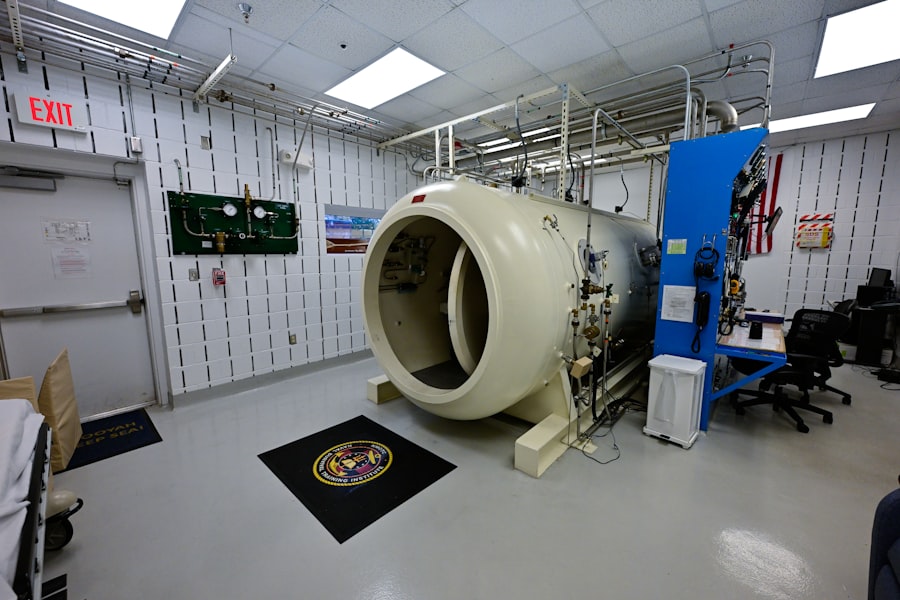
For prolonged operations at significant depths, saturation diving techniques are employed. Divers live in a pressurized habitat, breathing a gas mixture that saturates their tissues, allowing them to avoid the physiological stresses of repeated ascents and descents. This enables them to work for extended periods at depth without decompression sickness, effectively extending their operational window.
Underwater Dexterity and Problem-Solving
These specialized divers possess a unique blend of underwater dexterity and problem-solving skills. They are trained to operate specialized tools, conduct complex underwater repairs, and adapt to unforeseen circumstances. Their ability to think and act critically in a high-pressure, low-visibility environment is a testament to their rigorous training and the advanced equipment they utilize.
The CIA has long been involved in various covert operations, and one fascinating aspect of their work is undersea recovery technology. This technology has played a crucial role in retrieving valuable assets from the ocean floor, including sunken submarines and lost equipment. For those interested in exploring more about the implications and advancements in this field, a related article can be found at In the War Room, which delves into the intricacies of these operations and their impact on national security.
Advanced Sonar and Imaging Technologies
| Metric | Details |
|---|---|
| Technology Name | Undersea Recovery Systems (URS) |
| Operational Depth | Up to 6,000 meters |
| Recovery Accuracy | Within 5 meters of target |
| Deployment Time | Less than 2 hours |
| Payload Capacity | Up to 500 kilograms |
| Navigation System | Inertial Navigation with Sonar Mapping |
| Communication Method | Acoustic Telemetry |
| Recovery Success Rate | Approximately 90% |
| Year Introduced | 1970s |
Peering Through the Murk
The ocean floor is often shrouded in sediment and darkness, making visual identification of submerged objects incredibly difficult. Advanced sonar and imaging technologies are essential for circumventing these limitations. The CIA invests heavily in these systems to ensure that their recovery operations are both efficient and accurate, capable of locating targets that would otherwise remain hidden. These technologies act as the eyes of an unseen observer, piercing the veil of the deep.
Synthetic Aperture Sonar (SAS)
Synthetic Aperture Sonar (SAS) represents a significant leap forward in underwater imaging. Unlike traditional side-scan sonar, SAS uses advanced signal processing techniques to create much higher-resolution images. By moving the sonar transducer across a target area, the system synthesizes a much larger “aperture,” effectively creating a virtual antenna that can achieve resolution comparable to optical imaging systems. This allows for the detailed identification of even small objects on the seabed, making it invaluable for pinpointing specific components of a downed aircraft or the precise location of a lost vessel.
Multi-Beam Echo Sounders (MBES)
Multi-beam echo sounders are used to create detailed bathymetric maps of the seafloor. These systems emit sound pulses in a fan shape, allowing them to collect depth data across a wide swath of the seabed simultaneously. This provides a three-dimensional representation of the underwater topography, crucial for understanding the terrain, identifying potential hazards like underwater canyons or rocky outcrops, and planning safe approach routes for recovery vehicles. The MBES creates a digital map of the underwater landscape.
Acoustic Holography and Sub-Bottom Profiling
Beyond surface imaging, the CIA likely employs technologies capable of imaging beneath the seafloor. Acoustic holography and sub-bottom profiling systems use sound waves to penetrate the sediment layer, revealing buried objects or geological structures. This is particularly useful if a downed aircraft or vessel has partially sunk into the seabed, or if important components have become buried over time. These technologies are like an X-ray for the ocean floor.
Sub-Bottom Profiling for Buried Objects
Sub-bottom profilers emit low-frequency sound waves that can penetrate the seabed. The reflections of these sound waves from different layers of sediment and any buried objects are then analyzed to create a profile of what lies beneath the surface. This is critical for locating objects that are no longer visible on the seafloor, especially if they have been covered by silt or debris.
Acoustic Holography for Object Characterization
Acoustic holography takes sonar imaging to another level by creating three-dimensional holographic representations of underwater objects. By analyzing the phase and amplitude of reflected sound waves, these systems can reconstruct the shape and structure of an object with remarkable detail. This allows for the accurate identification and characterization of submerged assets before recovery operations even begin, reducing the risk of misidentification or errors in planning.
Advanced Manipulation and Lifting Technologies
The Precise Grip and Mighty Lift
Once a submerged object is located and identified, the challenge shifts to its physical recovery. This requires sophisticated manipulation and lifting technologies capable of handling objects of varying sizes and fragility, all while operating under immense pressure and in challenging environmental conditions. The CIA’s capabilities in this area are designed for both precision and brute force, ensuring that assets can be brought to the surface safely and securely. These are the tools that can either delicately cradle a fragile artifact or exert immense force to lift a heavy wreck.
Advanced Winch and Cable Systems
The retrieval of heavy objects from the deep requires incredibly robust winch and cable systems. These systems must be capable of exerting immense tensile strength, resisting corrosion in saltwater, and operating reliably under constant stress. Advanced materials, such as high-strength synthetic fibers and corrosion-resistant alloys, are employed in their construction. The control systems for these winches are highly sophisticated, allowing for precise tension management and controlled ascent rates to prevent damage to the recovered object.
Submersible Cranes and Articulating Lift Systems
For larger and more complex recovery operations, submersible cranes and articulating lift systems are employed. These are highly engineered robotic systems that can be deployed from recovery vessels or even integrated into specialized submersible platforms. They are designed to precisely maneuver and attach lifting equipment to submerged objects, providing controlled and stable lifts from the seafloor to the surface. The articulation allows for complex movements in tight spaces.
Sample Collection and Debris Management Tools
Beyond the primary recovery of large objects, advanced recovery operations often involve the collection of smaller samples or the management of surrounding debris. The CIA’s capabilities likely extend to highly specialized tools for these tasks. This could include remotely operated devices for collecting geological samples, containment booms for preventing the spread of hazardous materials, or tools for dismantling and removing smaller pieces of debris that could interfere with the main recovery.
Robotic Arms for Delicate Grasping and Cutting
As mentioned with ROVs, the manipulator arms are critical. For recovery, these arms are equipped with specialized grippers designed for a wide range of objects, from delicate instrumentation to robust structural components. They can also be equipped with cutting tools, such as hydraulic shears or specialized saws, to sever cables or dismantle sections of a submerged structure if necessary for safe extraction.
Controlled Descent and Ascent Systems
The safe transportation of recovered objects from the ocean depths to the surface is as critical as the initial lift. Controlled descent and ascent systems are employed to manage the rate of movement, ensuring that the object is not subjected to undue stress from changing pressures or currents. This might involve the use of buoyancy control systems or specialized decelerators to ensure a smooth and safe transfer.
In conclusion, the CIA’s commitment to advanced undersea recovery technology is a testament to its dedication to national security and its proactive approach to intelligence gathering. The development and deployment of these sophisticated tools and systems allow the agency to operate effectively in one of the planet’s most challenging environments, ensuring that vital assets are secured and the risks of adversarial exploitation are mitigated. The ocean’s depths, once a barrier, are increasingly becoming a domain where the CIA can exert its influence, a testament to the relentless advancement of human ingenuity in the service of national interest.
WATCH NOW ▶️ The CIA’s Impossible Mission To Steal A Nuclear Submarine
FAQs
What is CIA undersea recovery technology?
CIA undersea recovery technology refers to specialized equipment and methods developed or utilized by the Central Intelligence Agency to locate, retrieve, and secure objects or materials from underwater environments. This technology is often used for recovering sensitive items such as lost equipment, intelligence materials, or other valuable assets from the ocean floor.
What types of equipment are involved in CIA undersea recovery operations?
The equipment typically includes remotely operated vehicles (ROVs), submersibles, sonar mapping systems, underwater robotics, and specialized retrieval tools. These technologies enable precise navigation, identification, and extraction of objects from challenging underwater conditions.
For what purposes does the CIA use undersea recovery technology?
The CIA employs undersea recovery technology primarily for intelligence gathering, securing lost or compromised equipment, and conducting covert operations that require retrieval of materials from underwater locations. This can include recovering sunken vessels, surveillance devices, or other classified items.
How does undersea recovery technology benefit intelligence operations?
Undersea recovery technology enhances intelligence operations by allowing the CIA to access and retrieve critical information or equipment that would otherwise be inaccessible. It supports mission success by enabling covert recovery efforts, minimizing risk to personnel, and preserving sensitive materials.
Is CIA undersea recovery technology used in collaboration with other agencies?
Yes, the CIA often collaborates with other government agencies such as the Navy, National Security Agency (NSA), and specialized military units to leverage combined expertise and resources for undersea recovery missions. This cooperation ensures effective deployment of technology and successful mission outcomes.