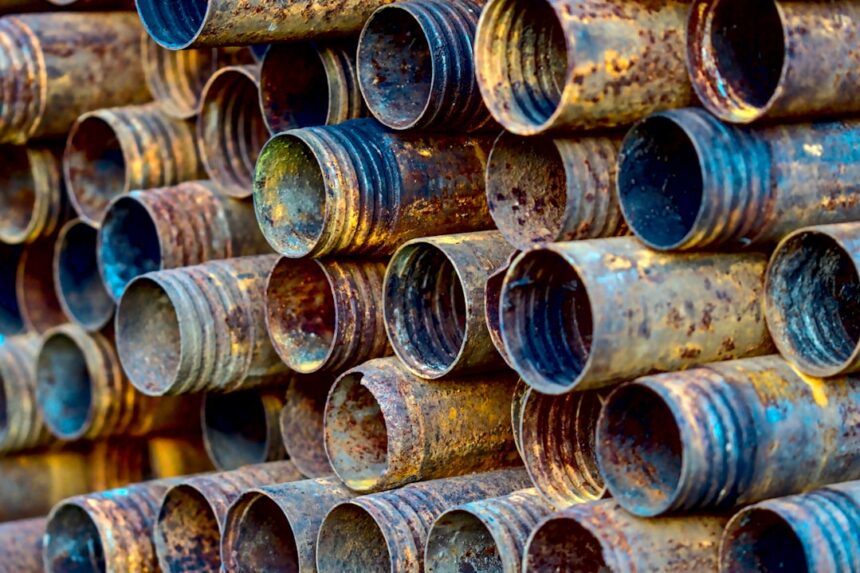
Addressing Pressurized Water Reactor Primary Loop Corrosion
The primary coolant loop of a Pressurized Water Reactor (PWR) is the intricate circulatory system that transports heat from the nuclear fuel to the steam generators. This system, operating under high pressure and elevated temperatures, is a complex network of pipes, pumps, and the reactor vessel itself. The integrity and efficiency of this loop are paramount for the safe and reliable operation of the nuclear power plant. However, this benign-looking system is not immune to the relentless forces of chemistry and physics. Corrosion, a silent saboteur, poses a significant threat to its longevity and performance. This article delves into the multifaceted challenge of addressing corrosion within the primary loop of PWRs, exploring its origins, consequences, and the sophisticated strategies employed to combat it, ensuring the heart of the reactor continues to beat strong for decades.
The primary coolant loop, filled with high-purity, demineralized water, is designed to be a controlled environment. However, even in such a meticulously managed system, a confluence of factors can initiate and propagate corrosive processes. The chemistry of the primary coolant is not static; it is a dynamic equilibrium influenced by numerous variables.
Water Chemistry and Its Impact
The water in the primary loop is not merely a heat transfer medium; it is an active participant in the chemical reactions occurring within the system. Its purity is critical. Dissolved ions, even in trace amounts, can act as catalysts or reactants in corrosion processes.
Dissolved Oxygen and Hydrogen
While a well-controlled PWR primary system is typically maintained in a reducing or near-neutral hydrogen-rich environment to mitigate general corrosion, transient introductions of oxygen can be highly detrimental. Oxygen, acting as an oxidant, readily attacks metallic surfaces. The subsequent formation of metal oxides is the hallmark of corrosion. Hydrogen, on the other hand, is often deliberately maintained at specific concentrations to suppress the formation of oxidizing species like peroxide.
pH and Alkalinity Control
The pH of the primary coolant is a crucial parameter. Generally, PWRs operate within a slightly alkaline pH range (typically 6.7 to 7.4, though some plants may operate slightly outside this range depending on their water chemistry specifications). Maintaining this pH range is vital for minimizing general corrosion of the stainless steel and nickel-base alloy components. Deviations from the target pH, whether acidic or excessively alkaline, can accelerate specific corrosion mechanisms. For example, very low pH can lead to general dissolution of metals, while high pH can sometimes exacerbate stress corrosion cracking in certain materials or lead to issues with fuel cladding, like cladding hull corrosion.
Impurities and Their Sources
Impurities can enter the primary coolant loop from various sources. While the demineralization system is designed to remove them, small ingress can still occur. These impurities can include:
- Chloride ions: Known to be highly aggressive in promoting pitting corrosion and stress corrosion cracking, especially in stainless steels. Sources can include leaks from secondary side components, improper maintenance procedures, or even residual cleaning agents.
- Sulfate ions: Can contribute to general corrosion and intergranular attack.
- Boron: While used for reactivity control, its concentration needs to be carefully managed. Boron species can influence water chemistry and, in certain conditions, contribute to corrosion.
- Ammonia and amines: Sometimes used for pH control in secondary systems, if these leak into the primary, they can affect primary water chemistry and potentially lead to corrosion issues.
Operating Parameters: Temperature and Pressure
The harsh operating conditions within the primary loop are inherently conducive to corrosion. The high temperatures and pressures accelerate chemical reaction rates, making even slow processes significant over time.
Elevated Temperatures
The primary coolant operates at temperatures typically ranging from 290°C (554°F) at the cold leg to approximately 325°C (617°F) at the hot leg. These elevated temperatures significantly increase the mobility of ions and the kinetics of electrochemical reactions, thus accelerating corrosion rates compared to ambient conditions. Think of it as providing the necessary energy for the chemical reactions to overcome their activation barriers with greater ease.
High Pressure Environment
The pressure in the PWR primary loop is maintained at around 155 bar (2250 psi). This high pressure influences the solubility of gases in the coolant and impacts the mechanical stresses on components. While pressure itself is not a direct driver of chemical corrosion, it dictates the physical state of the water and its behavior at elevated temperatures, creating the environment where corrosion can thrive.
Material Selection and Integrity
The materials used in the construction of the primary loop are carefully selected for their inherent resistance to the primary coolant environment. However, even the most robust materials have their limits, and the presence of flaws or improper material composition can create vulnerabilities.
Stainless Steel and Nickel-Base Alloys
The primary loop predominantly utilizes stainless steels (e.g., 304L and 316L) and nickel-base alloys (e.g., Inconel 600 and 690). These materials offer good general corrosion resistance under normal operating conditions. However, they are not entirely immune. Their susceptibility varies depending on the specific alloy, the presence of impurities, and the operating conditions.
Material Defects and Fabrication Issues
During fabrication and construction, microscopic defects such as inclusions, voids, or improper welding can create localized areas of weakness. These defects can act as initiation sites for corrosion, concentrating corrosive agents and accelerating their attack.
Corrosion in the primary loop of pressurized water reactors (PWRs) is a critical issue that can affect the safety and efficiency of nuclear power plants. A related article that delves into the mechanisms and mitigation strategies for this type of corrosion can be found at In the War Room. This resource provides valuable insights into the challenges faced by the nuclear industry and the ongoing research aimed at enhancing the longevity and reliability of reactor components.
Manifestations of Corrosion in the Primary Loop
Corrosion in the primary loop does not manifest as a single, uniform process. Instead, a variety of damage mechanisms can occur, each with its distinct characteristics and implications. These mechanisms often work in concert, compounding the damage and posing complex challenges for plant operators and engineers.
General Corrosion
General corrosion refers to the uniform thinning of a metal surface across a large area. While individual corrosion rates might be low, over the decades-long lifespan of a nuclear reactor, significant material loss can accumulate.
Uniform Metal Dissolution
In conditions where the protective oxide layer is continuously removed or where the chemical environment is consistently aggressive, general corrosion can occur. This is characterized by a gradual loss of metal from the surface. Stainless steel, when exposed to aggressive environments, can experience uniform dissolution.
Localized Corrosion
Localized corrosion mechanisms are often more insidious and damaging because they concentrate corrosive attack on small areas, leading to rapid penetration and the potential for failure.
Pitting Corrosion
Pitting corrosion is characterized by the formation of small, deep holes or cavities on the metal surface. This is a particularly concerning form of corrosion because it can lead to rapid perforation of components with relatively little overall metal loss. It is often initiated by the presence of aggressive ions like chlorides or under conditions where the protective passive film breaks down.
Crevice Corrosion
Crevice corrosion occurs in confined spaces where stagnant conditions and concentration gradients of corrosive species can develop. Examples include areas under gaskets, deposits, or where components are bolted together. The stagnant water in these crevices can become more aggressive than the bulk coolant, leading to accelerated corrosion.
Stress Corrosion Cracking (SCC)
Stress corrosion cracking is a failure mechanism that occurs when a susceptible material is exposed to a corrosive environment under tensile stress. This can lead to the initiation and propagation of cracks, even at stresses below the material’s yield strength.
Intergranular Stress Corrosion Cracking (IGSCC)
This specific form of SCC involves cracks that preferentially propagate along the grain boundaries of the metal. The susceptibility to IGS উদ্বে is often related to the material’s microstructure, particularly the presence of sensitizing heat treatments that deplete chromium at the grain boundaries, making them less corrosion resistant.
Transgranular Stress Corrosion Cracking (TGSCC)
In contrast to IGSCC, transgranular SCC cracks propagate through the grains of the metal. The susceptibility to TGSCC is dependent on the specific alloy and the corrosive environment. In PWR primary systems, materials like stainless steel can be susceptible to TGSCC under certain chemical conditions and stress states.
Flow Accelerated Corrosion (FAC)
Flow accelerated corrosion is a phenomenon where the erosion due to flowing coolant, combined with chemical attack, leads to accelerated material removal. This is particularly prevalent in regions of high flow velocity and turbulence, such as at bends, reductions in pipe diameter, or around valve components.
Erosion-Corrosion Synergy
FAC is not purely an erosion or a corrosion process but a synergistic interaction. The flowing coolant mechanically wears away the protective oxide layer, exposing fresh metal to the corrosive environment, which then reforms the oxide, only to be eroded again. This cycle leads to significantly higher material loss than either process would achieve independently.
Other Forms of Corrosion
Beyond these primary mechanisms, other forms of corrosion can also impact the primary loop.
Intergranular Attack (IGA)
IGA is a form of corrosion that attacks the grain boundaries of a metal without significant visible attack on the grain surfaces. It is often related to material composition or heat treatments that create a less corrosion-resistant zone along the grain boundaries.
Hydrogen Embrittlement
While not strictly a corrosion mechanism in the same vein as metal dissolution, hydrogen embrittlement is a serious material degradation process that can be influenced by the coolant chemistry. Atomic hydrogen can diffuse into the metal lattice and accumulate at stress concentration points, leading to reduced ductility and increased susceptibility to brittle fracture, especially under tensile stress.
Consequences of Primary Loop Corrosion
The unchecked progression of corrosion within the primary loop can have far-reaching and severe consequences for the safe and efficient operation of a nuclear power plant. These consequences range from reduced efficiency to catastrophic failure.
Reduced Heat Transfer Efficiency
As corrosion products, such as metal oxides, build up on heat transfer surfaces (e.g., the fuel rods and the steam generator tubes), they form an insulating layer. This insulating layer impedes the efficient transfer of heat from the fuel rods to the primary coolant and subsequently from the primary coolant to the secondary side water in the steam generators. This reduction in heat transfer efficiency directly translates to a decrease in the overall power output of the reactor, as less steam is generated to drive the turbines.
Increased Radiation Exposure
Corrosion products in the primary loop are radioactive due to their proximity to the nuclear fuel. As these corroded particles circulate, they can deposit on components throughout the primary system, including those that are periodically accessed for maintenance or inspection. This deposition increases the general radiation field within the plant, leading to higher radiation doses for plant personnel during routine maintenance activities and potentially necessitating more stringent safety protocols and specialized equipment, such as remote handling tools.
Component Degradation and Failure Risk
The most critical consequence of corrosion is the degradation of structural integrity of primary loop components. Pitting to perforation, wall thinning due to general corrosion, and crack propagation from SCC can lead to eventual failure of piping, reactor vessel internals, or critical components like steam generator tubes. Such failures can have immediate and severe safety implications, potentially leading to loss of coolant accidents (LOCA) or other hazardous events.
Increased Maintenance and Replacement Costs
Addressing corrosion-related issues translates directly to significant financial burdens. Extensive inspections are required to monitor component integrity. When corrosion damage reaches unacceptable levels, components must be repaired or replaced. For example, steam generator tube plugging or replacement is a costly and time-consuming undertaking, impacting plant availability and operational economics.
Impact on Fuel Performance
Corrosion on the surface of fuel rods can affect their thermal performance. The buildup of corrosion products can lead to localized hotspots on the fuel cladding, potentially increasing fuel temperature and impacting fuel integrity. While fuel cladding is designed for extreme conditions, accelerated degradation due to primary coolant corrosion can shorten its effective lifespan.
Mitigation and Control Strategies
Combating corrosion in the primary loop is a continuous and multifaceted endeavor, requiring a combination of meticulous water chemistry control, vigilant monitoring, and proactive material management. The goal is not to eliminate corrosion entirely – an unrealistic objective in such a demanding environment – but to reduce it to acceptable levels, ensuring safe and reliable operation.
Water Chemistry Control: The First Line of Defense
Maintaining precise control over the primary coolant chemistry is the cornerstone of corrosion mitigation. This is achieved through a sophisticated system of purification, impurity removal, and the deliberate adjustment of key chemical parameters.
High-Purity Water Management
The initial water used in the primary loop is of extremely high purity, achieved through advanced demineralization processes. This removes dissolved ions and particulate matter that could initiate or exacerbate corrosion. Continuous purification systems are in place to remove impurities that are generated or ingress into the system during operation.
Hydrogen Water Chemistry (HWC) and Oxygen Scavenging
While traditional PWR operation aims for near-neutral or slightly alkaline conditions, some advanced strategies involve the deliberate injection of hydrogen to maintain a slightly reducing environment. Hydrogen reacts with any dissolved oxygen, effectively scavenging it and preventing it from participating in oxidative corrosion reactions. This approach, known as Hydrogen Water Chemistry (HWC), has been shown to be effective in reducing general corrosion and IGSCC. However, careful control of hydrogen concentration is essential to avoid potential issues like hydrogen embrittlement in certain materials.
pH and Alkalinity Control
As mentioned, maintaining the pH within the target range (typically 6.7 to 7.4 for many PWRs) is critical. This is often achieved through the controlled addition of boric acid for reactivity control and lithium hydroxide for pH adjustment. The precise chemical species of boron and lithium, and their relative concentrations, need to be carefully managed to achieve the desired pH without introducing other detrimental chemical effects.
Impurity Monitoring and Control
Continuous monitoring for key impurities such as chlorides, sulfates, and other detrimental ions is essential. If elevated levels are detected, targeted removal strategies are implemented, which may involve increased ion exchange resin capacity in the purification system or other chemical treatments. Understanding the source of impurity ingress is also crucial for preventing recurrence.
Material Selection and Design Considerations
The choice of materials and their design plays a pivotal role in resisting corrosion. Advances in materials science and careful consideration during the design phase can significantly enhance the long-term integrity of the primary loop.
Advanced Alloy Development
Research and development continue to focus on the development of more corrosion-resistant alloys for primary loop applications. Alloys with higher chromium and nickel content, or with specific additions, are being explored to improve resistance to SCC and other aggressive corrosion mechanisms. For example, the transition from Inconel 600 to Inconel 690 for steam generator tubes in many PWRs was driven by the superior stress corrosion cracking resistance of the latter.
Stress Relief and Fabrication Practices
Proper heat treatments are applied during fabrication to relieve residual stresses introduced during manufacturing processes like welding and forming. These stresses can act as a driving force for SCC. Rigorous quality control during welding and fabrication, including non-destructive examination (NDE) techniques, helps to identify and eliminate defects that could serve as initiation sites for corrosion.
Protective Coatings and Surface Treatments
In some specific applications, protective coatings or surface treatments might be considered to enhance the corrosion resistance of critical components. However, the high temperatures and radiation environment of the primary loop present significant challenges for the long-term durability of most coatings, making this less common for major structural components compared to specialized applications.
Inspection and Monitoring: The Watchful Eye
Regular and thorough inspections are indispensable for detecting and assessing the extent of corrosion before it can lead to significant damage. Advanced inspection technologies are employed to peer into the heart of the primary loop.
Non-Destructive Examination (NDE) Techniques
A suite of NDE techniques is routinely employed for the inspection of primary loop components. These include:
- Ultrasonic Testing (UT): Used to detect internal flaws, wall thinning, and cracks by analyzing the reflection of sound waves from material interfaces and discontinuities.
- Eddy Current Testing (ECT): Particularly useful for inspecting tubing in steam generators and heat exchangers, ECT detects surface and near-surface flaws by inducing eddy currents in the material and measuring their response to flaws.
- Radiographic Testing (RT): While less common for in-service inspection of the primary loop due to radiation, it can be used during fabrication or for specific component inspections to detect internal voids and inclusions.
- Visual Inspection: Although seemingly basic, detailed visual inspections (often enhanced with borescopes and cameras) remain important for identifying obvious signs of corrosion, erosion, or deposits in accessible areas.
####،،،،،،،،،،،،،،،،،،،، In-Situ Monitoring and Corrosion Sensors
Advances in sensor technology allow for real-time or near real-time monitoring of key parameters related to corrosion. This can include:
- Corrosion Potential (CP) Monitoring: Measuring the electrochemical potential of metal surfaces can provide an indication of the corrosivity of the environment. Significant shifts in CP can signal changes in water chemistry or increased susceptibility to corrosion.
- Acoustic Emission (AE) Monitoring: This technique can detect the formation and propagation of cracks by listening for the subtle acoustic signals emitted by these events. AE monitoring can provide early warning of SCC or other fracture mechanisms.
- Water Chemistry Analyzers: Continuous online analyzers monitor a range of chemical parameters in the primary coolant, providing immediate feedback on deviations from target chemistry and allowing for rapid corrective action.
Repair and Replacement Strategies
When corrosion damage is detected and deemed unacceptable, or when components approach the end of their design life, repair or replacement becomes necessary. These operations are complex and require meticulous planning and execution to minimize radiation exposure and ensure the integrity of the repaired or replaced components.
Component Repair Techniques
Depending on the nature and extent of the damage, various repair techniques might be employed. These can include:
- Weld Overlay: Applying a thicker layer of a corrosion-resistant weld metal over a damaged area.
- Machining and Resurfacing: For localized damage on less critical components, machining away the corroded material and resurfacing might be an option.
- Patching or Reinforcement: In some cases, external patches or reinforcements might be applied to restore structural integrity.
Component Replacement
For components where repair is not feasible or cost-effective, replacement is the necessary course of action. This is a major undertaking in a nuclear power plant, involving significant planning, specialized tooling, and rigorous safety procedures. Examples include the replacement of steam generator vessels or sections of piping. The process is often referred to as “outage work” and is a significant driver of plant downtime and cost.
Corrosion in the primary loop of pressurized water reactors is a critical issue that can significantly impact the safety and efficiency of nuclear power plants. A recent article discusses various factors contributing to this phenomenon and explores potential mitigation strategies. For a deeper understanding of the challenges and solutions related to this topic, you can read more in this insightful piece on nuclear reactor maintenance. Addressing these corrosion issues is essential for ensuring the longevity and reliability of reactor systems.
Future Trends and Research Directions
| Parameter | Typical Range | Unit | Notes |
|---|---|---|---|
| Corrosion Rate (Carbon Steel) | 0.1 – 1.0 | mils per year (mpy) | Depends on water chemistry and temperature |
| pH (at 300°C) | 6.9 – 7.4 | pH units | Maintained to minimize corrosion |
| Oxygen Concentration | < 5 | ppb (parts per billion) | Low oxygen reduces corrosion |
| Hydrogen Concentration | 25 – 50 | cc/kg H2O | Added to suppress radiolysis and corrosion |
| Temperature | 280 – 320 | °C | Operating temperature of primary loop |
| Flow Velocity | 5 – 15 | m/s | Influences erosion-corrosion |
| Iron Concentration in Water | 1 – 10 | ppb | Indicator of corrosion product release |
| Corrosion Product Deposition Rate | 0.1 – 0.5 | mg/dm²/day | Depends on water chemistry and flow |
The ongoing pursuit of enhanced safety and operational efficiency in PWRs drives continuous research and development in the field of corrosion management. The focus remains on developing more robust solutions and anticipating future challenges.
Predictive Modeling and Artificial Intelligence
The application of advanced computational tools, including predictive modeling and artificial intelligence (AI), is gaining traction. These tools can analyze vast amounts of historical data on water chemistry, operating parameters, and inspection results to:
- Predict potential corrosion hotspots: Identifying areas within the primary loop that are at higher risk of developing corrosion based on their operating history and material properties.
- Optimize water chemistry control: AI algorithms can learn the complex relationships between various chemical parameters and corrosion rates, allowing for more precise and adaptive control strategies.
- Improve inspection planning: Predictive models can help prioritize inspection efforts on components or areas that are deemed most likely to exhibit corrosion damage, leading to more efficient use of resources.
Development of Advanced Materials
The search for even more resilient materials continues. Future research may focus on:
- Nanomaterials and coatings: Exploring the potential of nanoscale materials or advanced coatings that can offer superior protection against corrosion under the extreme conditions of the primary loop.
- Self-healing materials: Investigating materials that possess inherent self-healing capabilities, meaning they can autonomously repair minor damage within their structure, thereby extending their lifespan and reducing the need for external intervention.
- Alloys with enhanced resistance to specific degradation mechanisms: Developing alloys specifically tailored to resist particular forms of corrosion that are prevalent in PWR environments, such as advanced nickel-based alloys with optimized compositions.
Enhanced In-Situ Monitoring and Diagnostics
The trend towards more sophisticated and integrated monitoring systems will continue. This includes:
- Smart sensors with integrated data analytics: Deploying sensors that can not only collect data but also perform initial analysis and provide real-time insights direct from the point of measurement.
- Wireless sensor networks: Developing robust wireless sensor technologies that can operate reliably in the harsh radiation environment of the primary loop, reducing the need for complex and potentially failure-prone cabling.
- Digital twins: Creating virtual replicas of the primary loop system that can be used to simulate various operating scenarios, test the effectiveness of different mitigation strategies, and provide advanced diagnostic capabilities.
Life Extension and Aging Management Programs
As PWRs age, the challenge of managing the effects of decades of operation, including accumulated corrosion damage, becomes increasingly important. Future efforts will focus on:
- Developing more sophisticated aging management programs: These programs go beyond simple inspections and delve into a comprehensive understanding of material degradation mechanisms over time.
- Utilizing advanced probabilistic risk assessment (PRA) tools: Incorporating detailed material degradation models into PRAs to better understand the impact of aging and corrosion on the overall safety of the plant.
- Developing innovative refurbishment and repair techniques: Creating new methods for extending the service life of aging components and addressing accumulated degradation in a cost-effective and safe manner.
In conclusion, addressing corrosion in the primary loop of Pressurized Water Reactors is a complex and ongoing challenge that lies at the heart of nuclear power plant safety and reliability. It is a testament to the ingenuity of nuclear engineers and scientists that these sophisticated systems continue to operate safely, but vigilance, continuous improvement, and a deep understanding of the intricate interplay between water chemistry, materials science, and operating conditions are essential. The proactive measures taken today are the foundation for the continued safe and effective operation of nuclear power for generations to come.
FAQs
What causes corrosion in the primary loop of a pressurized water reactor?
Corrosion in the primary loop of a pressurized water reactor (PWR) is primarily caused by the high-temperature water environment, radiation, and the presence of dissolved oxygen and impurities. These factors can lead to the degradation of metal components such as pipes, steam generators, and reactor vessel internals.
What materials are commonly affected by corrosion in PWR primary loops?
Materials commonly affected include stainless steel, carbon steel, and nickel-based alloys used in the construction of the primary loop components. These materials can experience various forms of corrosion such as stress corrosion cracking, general corrosion, and pitting.
How is corrosion monitored in the primary loop of a pressurized water reactor?
Corrosion is monitored using techniques such as ultrasonic testing, eddy current testing, visual inspections, and chemical analysis of the reactor coolant. These methods help detect early signs of corrosion and assess the integrity of the primary loop components.
What measures are taken to prevent or reduce corrosion in PWR primary loops?
Preventive measures include controlling the chemistry of the reactor coolant (e.g., maintaining proper pH and oxygen levels), using corrosion-resistant materials, applying protective coatings, and implementing regular maintenance and inspection schedules to detect and address corrosion early.
What are the potential consequences of corrosion in the primary loop of a pressurized water reactor?
Corrosion can lead to the weakening or failure of critical components, resulting in leaks, reduced efficiency, and potential safety hazards. Severe corrosion may necessitate costly repairs or replacements and can impact the overall reliability and lifespan of the reactor.