Espionage, a practice as old as organized society, fundamentally involves the clandestine acquisition of information from an adversary or competitor for strategic advantage. It operates in the shadows, its successes often remaining undisclosed and its failures sometimes leading to international incidents. This article delves into the diverse tactics and techniques employed in espionage, offering a structured overview reminiscent of a factual compendium.
At the core of espionage lies the imperative to gather intelligence. This process is multifaceted, encompassing various methods, each with its own advantages and inherent risks. Understanding these foundational approaches is crucial for comprehending the breadth of espionage operations.
Human Intelligence (HUMINT)
HUMINT, perhaps the most iconic form of intelligence gathering, relies on human sources to directly provide information. This often involves the recruitment of individuals who have access to sensitive data or insights.
Recruitment Strategies
The recruitment of agents is a delicate and often protracted process. Intelligence agencies employ psychological profiling and opportunity assessment to identify potential sources.
The “Asset in Place” Model
This model involves identifying individuals who already possess access to desired information due to their position or role within a target organization. Recruitment efforts then focus on cultivating a relationship and motivating them to betray their employer or nation. Motivations can be diverse, ranging from ideological alignment, financial gain, coercion, or even personal grievances.
The “Target of Opportunity” Model
In contrast, this approach involves identifying individuals who, through a series of circumstances, become accessible for recruitment. This might involve exploiting vulnerabilities or creating opportunities for interaction in order to build rapport and solicit cooperation.
Agent Handling and Management
Once recruited, agents require careful handling to ensure their safety, maintain their cooperation, and maximize their intelligence output. This involves sophisticated training in secure communication, dead drops, and operational security.
Secure Communication Protocols
Agents and their handlers must employ secure communication methods to avoid detection. This can involve encrypted messages, one-time pads, or sophisticated technical means that mask the origin and content of messages.
Operational Security (OpSec)
OpSec is paramount for both agents and handlers. It encompasses a range of practices designed to prevent adversaries from detecting their activities. This includes meticulous planning of meetings, avoiding predictable routines, and employing counter-surveillance techniques.
Signals Intelligence (SIGINT)
SIGINT involves the interception and analysis of electronic signals. This broadly encompasses communications intelligence (COMINT) and electronic intelligence (ELINT).
Communications Intelligence (COMINT)
COMINT focuses on intercepting and deciphering communications between individuals or organizations. This can range from telephone calls and emails to encrypted military transmissions.
Clandestine Interception Techniques
State-sponsored agencies employ sophisticated technological means to intercept communications. This includes tapping fiber optic cables, intercepting satellite transmissions, and compromising communication networks through cyber means.
Cryptanalysis and Decryption
The intercepted communications are often encrypted, requiring specialized cryptanalytic techniques to break the codes and reveal their content. This field demands advanced mathematical and computational expertise.
Electronic Intelligence (ELINT)
ELINT focuses on the analysis of non-communication electronic emissions, such as radar signals, telemetry data from missile tests, or emissions from weapons systems.
Radar Analysis
By analyzing radar emissions, intelligence agencies can deduce the capabilities and deployment patterns of an adversary’s air defense systems, early warning networks, and weapons platforms.
Telemetry Interception
Intercepting telemetry data from missile tests provides crucial insights into the performance, range, and accuracy of an adversary’s missile programs, impacting strategic defense planning.
Open-Source Intelligence (OSINT)
OSINT involves collecting and analyzing publicly available information. While seemingly innocuous, sophisticated OSINT operations can yield significant intelligence by piecing together seemingly disparate data points.
Public Data Aggregation
Intelligence analysts utilize advanced tools and methodologies to scour vast amounts of publicly available data, including news articles, social media, scientific publications, and government reports.
Social Media Monitoring
Social media platforms offer a rich vein of information, revealing public sentiment, individual activities, and even operational details if users are not careful with their digital footprints. Advanced algorithms are used to track trends and identify key individuals.
Geographic Information Systems (GIS) Analysis
Publicly available satellite imagery, mapping data, and geographic information systems can be fused to understand infrastructure, troop movements, or the layout of sensitive facilities.
Semantic Analysis and Pattern Recognition
Beyond simple data collection, OSINT involves advanced semantic analysis and pattern recognition to identify connections, predict trends, and uncover hidden meanings within vast datasets. This is akin to finding the needle in a haystack, but with the added complexity of the haystack continuously growing and shifting.
In recent discussions surrounding espionage tactics and techniques, an insightful article has emerged that delves into the evolving landscape of intelligence gathering. This piece highlights the innovative methods employed by modern spies, emphasizing the integration of technology and psychological strategies. For a deeper understanding of these contemporary espionage practices, you can read more in the article available at In The War Room.
Methods of Covert Operations
Beyond intelligence collection, espionage often involves covert operations designed to influence events, destabilize adversaries, or protect national interests through clandestine means. These operations carry significant political risk.
Disinformation and Propaganda
Disinformation involves disseminating false or misleading information to achieve a strategic objective, while propaganda aims to influence public opinion or political discourse.
Psychological Operations (PsyOps)
PsyOps are designed to influence the emotions, motives, objective reasoning, and ultimately the behavior of foreign governments, organizations, groups, or individuals. This can involve media manipulation, rumor spreading, or the creation of fabricated narratives.
Media Manipulation
Intelligence agencies can subtly influence media narratives through planted stories, the creation of false news outlets, or the exploitation of existing media biases. The goal is to shape public perception in a way that benefits the sponsoring nation’s objectives.
Rumor Spreading and Narrative Control
The deliberate spread of rumors through social networks or other informal channels can sow discord, undermine trust, or create confusion within an adversary’s population or leadership. Controlling the dominant narrative becomes a critical objective.
Cyber Influence Operations
With the advent of the internet, cyber influence operations have become increasingly prevalent. This involves using digital platforms to spread disinformation, amplify certain messages, or disrupt an adversary’s information environment.
Social Media Bots and Trolls
Automated accounts (bots) and human operators (trolls) can be deployed en masse to flood online discussions with specific viewpoints, create artificial consensus, or discredit opposing voices, thereby manipulating public opinion.
Website Defacement and Hactivism
Targeting websites for defacement or launching hacktivist campaigns can be used to humiliate an adversary, disrupt their operations, or send a political message.
Sabotage and Covert Action
Sabotage involves deliberately damaging or destroying an adversary’s infrastructure, equipment, or capabilities. Covert action encompasses a broader range of clandestine operations designed to influence events without attribution.
Industrial and Economic Sabotage
Targeting an adversary’s industrial capacity or economic infrastructure can cripple their ability to wage war, develop advanced technologies, or sustain their populace.
Supply Chain Disruption
Disrupting critical supply chains, either through direct action or by influencing key actors, can create shortages, delay projects, and economically destabilize an adversary.
Cyber-Physical Attacks
Advanced cyberattacks can directly target industrial control systems, leading to physical damage to infrastructure such as power grids, manufacturing plants, or transportation networks.
Political Destabilization
Covert actions can be employed to foster political unrest, support opposition movements, or undermine the authority of an adversary’s government, often with a view to regime change or influencing policy.
Funding Opposition Groups
Providing clandestine financial support or logistical aid to opposition groups within an adversary’s territory can destabilize their government and potentially lead to a change in leadership or policy.
Provocation and False Flag Operations
False flag operations involve conducting an action and attributing it to another party, thereby creating a pretext for intervention or manipulating public opinion against a target.
Counter-Espionage and Security Measures
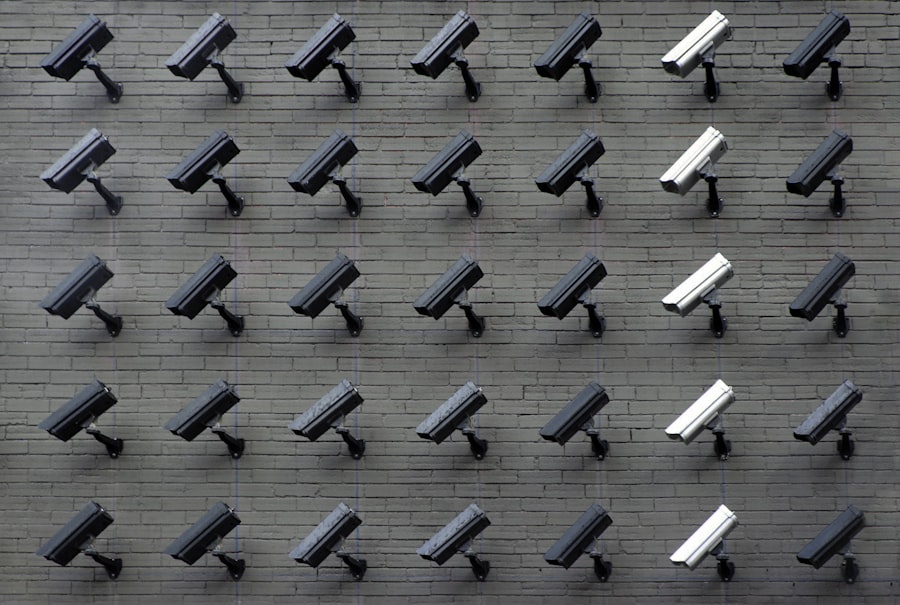
Just as intelligence agencies seek to gather information, they also expend considerable effort preventing adversaries from doing the same. Counter-espionage involves defensive measures to protect sensitive information, disrupt enemy intelligence operations, and neutralize hostile agents.
Defensive Counter-Intelligence (DCI)
DCI focuses on protecting an organization’s or nation’s secrets from foreign intelligence services. This involves robust security protocols, personnel vetting, and continuous monitoring.
Human Vulnerability Assessment
Identifying potential vulnerabilities in personnel – such as financial difficulties, ideological disaffection, or personal grievances – helps in mitigating the risk of foreign intelligence recruitment. Employee screening and regular security clearances are crucial.
Insider Threat Programs
Organizations implement programs to detect and deter insider threats. This involves monitoring employee behavior for unusual activity, enforcing strict access controls, and providing security awareness training.
Travel and Communication Security Briefings
Personnel traveling to high-risk areas or handling sensitive information receive briefings on foreign intelligence threats and methods, emphasizing secure communication practices and awareness of surveillance.
Physical and Technical Security
Protecting physical assets and technical infrastructure from intrusion and surveillance is a foundational element of DCI.
Access Control Systems
Robust access control, including biometric identification, multi-factor authentication, and secure entry points, prevents unauthorized individuals from accessing sensitive facilities or data.
Technical Surveillance Counter-Measures (TSCM)
Regular technical sweeps are conducted to detect and neutralize eavesdropping devices (bugs), hidden cameras, and other surveillance technologies deployed by hostile intelligence services.
Offensive Counter-Intelligence (OCI)
OCI goes beyond passive defense, actively seeking to identify, penetrate, and neutralize hostile intelligence operations. This often involves intricate operations to turn enemy agents or feed disinformation.
Agent Detection and Identification
Employing sophisticated analytical techniques, surveillance, and sometimes direct human interaction to identify individuals suspected of working for hostile intelligence agencies.
Double Agents and Deception Operations
Turning an enemy agent into a double agent, working for both sides but secretly loyal to the original employer, is a powerful OCI tactic. Deception operations involve feeding false information to an adversary through controlled channels.
Infiltration and Penetration
Placing friendly agents into hostile intelligence services or target organizations to gather information on their operations, identify their agents, and disrupt their activities from within. This is a high-risk, high-reward strategy.
Cyber Counter-Intelligence
Protecting national networks and critical infrastructure from cyber espionage and cyberattacks, and launching offensive cyber operations against adversary intelligence capabilities.
Network Intrusion Detection and Prevention
Constant monitoring of network traffic, identifying anomalous behavior, and deploying advanced intrusion detection and prevention systems to thwart cyber espionage attempts.
Attribution and Retaliation
Developing capabilities to attribute cyberattacks to their perpetrators and, when appropriate, to launch retaliatory cyber operations to degrade or disrupt the adversary’s cyber espionage capabilities. This involves a delicate balance of technical prowess and strategic deterrence.
The Ethical and Legal Labyrinth of Espionage
Espionage operates in a complex legal and ethical gray area. While often deemed necessary for national security, its methods frequently blur the lines of international law and accepted moral conduct.
International Law and Sovereignty
The clandestine nature of espionage often directly contravenes the sovereignty of nations. International law views espionage as an act hostile to the state in which it is conducted, and convicted spies face severe penalties.
Diplomatic Immunity and Espionage
The Vienna Convention on Diplomatic Relations grants diplomatic immunity to accredited diplomats, making them immune from arrest and prosecution in their host country. However, evidence of espionage activities can lead to their expulsion as persona non grata. This highlights the tension between diplomatic norms and the reality of intelligence gathering.
The Concept of “Active Measures”
“Active measures” refer to a broad category of political warfare, including disinformation, propaganda, and covert operations, which often violate international norms against interference in the internal affairs of sovereign states.
Ethical Dilemmas and Moral Compromises
Intelligence work frequently involves individuals making difficult choices with significant moral implications. The pursuit of national security often necessitates actions that are morally questionable from a conventional perspective.
The Use of Deception and Betrayal
Espionage inherently involves deception, manipulation, and the cultivation of trust with the intent to betray. This raises profound ethical questions for those involved, as well as for the societies that sanction such activities.
Collateral Damage and Unintended Consequences
Covert operations, by their very nature, carry the risk of collateral damage, affecting innocent individuals or leading to unintended escalations in international relations. The long-term impact of such actions is often difficult to predict or control.
In the ever-evolving landscape of intelligence gathering, understanding the latest espionage tactics and techniques is crucial for both operatives and analysts alike. A recent article delves into the intricacies of modern espionage, revealing strategies that have been employed by various agencies around the world. For those interested in exploring this topic further, the article can be found at this link, offering valuable insights into the methods that shape the world of covert operations.
Conclusion
| Espionage Tactic | Description | Common Techniques | Countermeasures |
|---|---|---|---|
| Human Intelligence (HUMINT) | Gathering information through interpersonal contact and recruitment of agents. | Recruitment, surveillance, dead drops, covert meetings | Background checks, surveillance detection, counter-surveillance |
| Signals Intelligence (SIGINT) | Intercepting communications and electronic signals. | Wiretapping, radio interception, cyber eavesdropping | Encryption, secure communication protocols, frequency hopping |
| Cyber Espionage | Using digital means to infiltrate computer systems and networks. | Phishing, malware, zero-day exploits, social engineering | Firewalls, antivirus software, employee training, patch management |
| Technical Surveillance | Use of devices to monitor or record activities covertly. | Hidden cameras, microphones, GPS trackers | Bug sweeps, secure rooms, signal jammers |
| Disinformation | Spreading false information to mislead or confuse adversaries. | Fake documents, planted stories, forged communications | Verification protocols, cross-checking sources, intelligence analysis |
Espionage, in its myriad forms, remains a fundamental instrument of statecraft. From the subtle art of human intelligence to the sophisticated realm of signals intelligence and cyber operations, its tactics and techniques are constantly evolving, mirroring technological advancements and geopolitical shifts. Counter-espionage efforts provide a critical bulwark, safeguarding national interests against these clandestine incursions. This intricate dance between overt diplomacy and covert operations, intelligence gathering and counter-intelligence, shapes international relations and influences the course of history, often in ways that remain hidden from public view.
FAQs
What are some common espionage tactics used by intelligence agencies?
Common espionage tactics include surveillance, infiltration, use of informants, cyber espionage, and covert communication methods. These tactics help gather sensitive information without detection.
How do spies typically communicate securely during espionage operations?
Spies often use encrypted messages, dead drops, coded language, and secure digital communication channels to ensure their messages remain confidential and undetected by adversaries.
What role does technology play in modern espionage techniques?
Technology plays a crucial role by enabling cyber espionage, electronic surveillance, hacking, and data interception. Advanced tools allow intelligence agencies to collect and analyze information more efficiently.
How do espionage agents avoid detection while conducting operations?
Agents use disguises, false identities, counter-surveillance measures, and operate in secrecy to avoid detection. They also employ tradecraft skills such as blending into environments and using secure communication.
What are some historical examples of espionage tactics that have been revealed?
Historical examples include the use of double agents during World War II, the Cold War spy networks, and the use of code-breaking machines like the Enigma. These revelations have provided insight into the evolution of espionage methods.