
The clandestine world of espionage, a perpetual shadow cast upon the geopolitical landscape, routinely witnesses the ebb and flow of national secrets. However, certain betrayals pierce the very heart of national security, sending ripples of alarm through intelligence agencies and defense ministries alike. The recent exposure of naval intelligence secrets being sold to Moscow represents one such profound breach, a stark reminder of the ever-present threat from within and the meticulous, often deadly, efforts of foreign adversaries to compromise vital defense capabilities. This incident, shrouded in the typical fog of intelligence operations yet illuminated by subsequent investigations, exposes vulnerabilities that demand immediate and comprehensive redress.
The act of betraying one’s nation, particularly in the realm of intelligence, is a multifaceted phenomenon, often stemming from a confluence of personal grievances, financial desperation, ideological conviction, or increasingly, a susceptibility to sophisticated foreign recruitment. In the case of the naval intelligence secrets funneled to Moscow, initial reports suggest a combination of financial诱惑 and perhaps a degree of disgruntlement, exploited expertly by the Russian intelligence apparatus. This is not merely a tale of greed; it is a meticulously crafted operation, a slow burn of cultivation and exploitation designed to pry open the most secure vaults of national defense.
The Profiling of a Potential Asset
Russian intelligence services, historically and presently, possess a highly refined capability for identifying and cultivating potential assets within rival nations’ defense and intelligence establishments. Their methodology extends beyond simple monetary offers. It involves extensive profiling, analyzing individuals for vulnerabilities ranging from financial strain and marital discord to professional stagnation or ideological leanings. Imagine, if you will, a predator in a dense forest, not haphazardly hunting, but patiently observing, identifying the weakest link in the herd. This meticulous profiling often predates any direct contact, building a comprehensive dossier on potential targets.
The Art of Recruitment and Compromise
Once a target is identified, the recruitment process often begins subtly, a gentle nudge rather than an aggressive push. It might start with seemingly innocent interactions, perhaps through social media, professional conferences, or even chance encounters facilitated by agents. The goal is to build rapport, to create a sense of trust and shared understanding. This phase is crucial; it establishes a psychological bridge upon which the demands for sensitive information will eventually traverse. The individual might initially be asked for seemingly trivial details, gradually escalating the requests as the compromiser’s grip strengthens, much like a spider slowly enveloping its prey in an ever-tightening web of deceit and obligation. Financial remuneration, often disguised as legitimate consultancy fees or investments, serves as both an incentive and an irreversible entanglement, transforming the asset into a pawn.
Recent reports have surfaced regarding the alarming sale of naval intelligence secrets to Moscow, raising concerns about national security and espionage. This incident highlights the ongoing threats faced by nations in safeguarding sensitive information. For a deeper understanding of the implications of such breaches, you can read a related article that delves into the intricacies of intelligence security and the geopolitical ramifications at this link.
The Scope of the Compromise: Unveiling Strategic Vulnerabilities
The true gravity of this betrayal lies in the nature of the information transmitted to Moscow. Naval intelligence is the lifeblood of maritime power, encompassing everything from submarine detection capabilities and fleet movements to advanced weaponry systems and strategic operational plans. The compromise of such data provides an adversary with an invaluable, often devastating, advantage.
Submarine Warfare Advantage
One of the most critical aspects of naval intelligence revolves around submarine operations. These silent hunters represent a nation’s most potent and elusive strategic deterrent. Their locations, acoustic signatures, patrol patterns, and technological specifications are guarded with extreme secrecy. Imagine a sophisticated game of hide-and-seek where one player suddenly gains access to the other’s map, revealing every hiding spot and planned maneuver. If Moscow has acquired detailed information about, for instance, the acoustic profiles of advanced submarines or the methodologies used for their detection, it significantly undermines their operational effectiveness and survivability. This could lead to a catastrophic shift in the underwater balance of power, rendering vast expenditures on submarine development and deployment potentially obsolete.
Fleet Movements and Operational Readiness
Beyond submarines, insight into surface fleet movements, deployment schedules, and operational readiness offers an enemy a substantial tactical advantage. This includes knowledge of planned exercises, strategic choke points utilized by naval vessels, and the readiness levels of various naval platforms. Such information allows an adversary to anticipate and counter maneuvers, plan interdiction strategies, or even preemptively strike at vulnerabilities. It is akin to a chess player secretly observing the opponent’s strategy before each move, enabling them to construct an unassailable defense or launch an unstoppable offense. The strategic implications are vast, potentially impacting the ability to project power, conduct humanitarian operations, or respond effectively to crises.
Advanced Weaponry and Countermeasure Systems
Modern naval warfare relies heavily on cutting-edge weaponry and sophisticated electronic countermeasure systems. If specifications, vulnerabilities, or operational parameters of these systems have fallen into Russian hands, it provides them with a blueprint for developing countermeasures or exploiting weaknesses. This could encompass everything from missile guidance systems and anti-ship defenses to electronic warfare suites designed to jam enemy communications. Such a breach fundamentally erodes the technological edge, a cornerstone of any modern military’s superiority. It is akin to handing over the keys to a fortified citadel, along with its architectural schematics and the locations of its weakest points.
The Ripple Effect: International Implications and Alliances Under Scrutiny
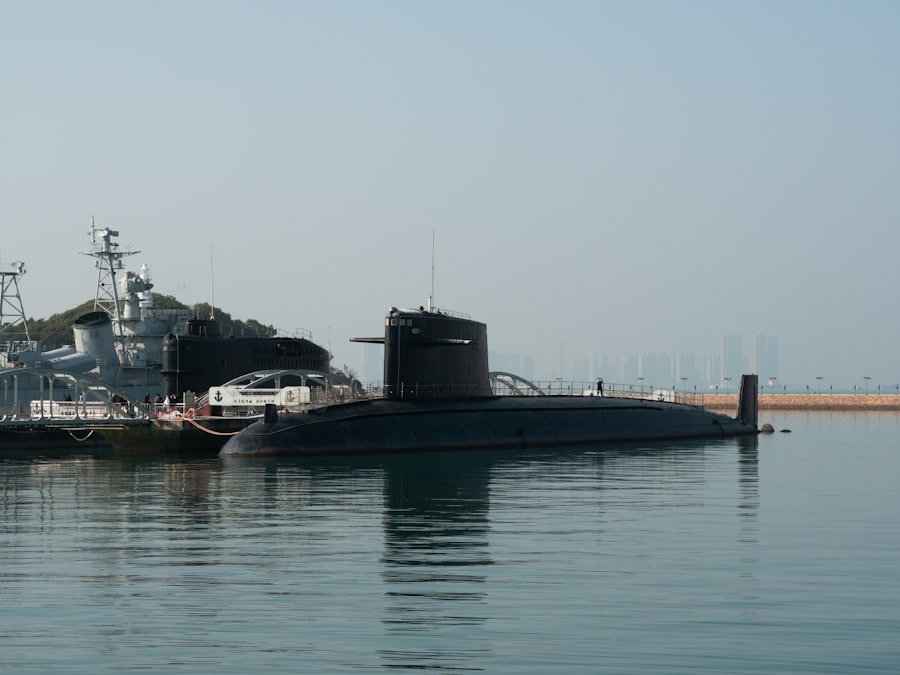
The sale of naval intelligence secrets to Moscow transcends a bilateral issue; it sends tremors throughout international alliances, particularly those reliant on shared intelligence and interoperability. When a nation’s intelligence apparatus is compromised, it inevitably casts a shadow of doubt over its partners, impacting trust and the willingness to share sensitive information.
Eroding Trust Within Alliances
Intelligence sharing is the bedrock of modern military alliances. NATO, for instance, relies heavily on its members’ ability to share classified information without fear of compromise by an adversary. When a member nation experiences a significant breach, it forces all partners to re-evaluate the security protocols and trustworthiness of that nation’s intelligence handling. This erosion of trust is a corrosive agent, slowly weakening the bonds of cooperation. Countries may become hesitant to share their most precious secrets, fearing they too will fall into enemy hands, leading to a fragmentation of intelligence efforts and a reduced collective security posture. You can imagine it as a chain, where one weak link, once exposed, calls the integrity of the entire structure into question.
Reassessment of Joint Defence Strategies
The compromised intelligence directly impacts joint defense strategies and operational planning within alliances. If Moscow possesses insights into allied naval capabilities or deployment strategies, it necessitates a fundamental reassessment and potential overhaul of these plans. This is a costly and time-consuming endeavor, requiring significant resources to develop new strategies and countermeasures. Moreover, it creates a period of vulnerability until these adjustments can be fully implemented. The adversary gains a temporary strategic advantage, while the alliance is forced into a reactive stance, playing catch-up.
Counterintelligence Failures and Future Imperatives

The very existence of such a betrayal points directly to a failure in counterintelligence efforts. While no system is entirely impenetrable, robust counterintelligence is designed to detect and neutralize insider threats before they cause catastrophic damage. This incident serves as a harsh lesson, demanding a thorough internal review and significant enhancements to existing protocols.
The Elusive Nature of the Insider Threat
The insider threat remains one of the most challenging adversaries for any intelligence agency. Unlike external cyberattacks or conventional espionage attempts, the insider operates from within the system, often possessing legitimate access to sensitive information. Their motivations are varied, and their methods can be subtle and cunning. Detecting such betrayals requires a multi-layered approach, encompassing continuous monitoring, psychological profiling, and robust security clearances. It’s like trying to find a chameleon in a dense jungle; its ability to blend in makes it incredibly difficult to spot until it’s too late.
Enhancing Security Protocols and Vetting Processes
In the aftermath of such a breach, an immediate imperative is to strengthen security protocols and enhance vetting processes for individuals granted access to classified naval intelligence. This includes not only initial background checks but also continuous monitoring of financial activities, digital footprints, and social interactions. Regular psychological evaluations and mandatory reporting of suspicious contacts or financial disparities become crucial. Furthermore, the development of sophisticated analytical tools capable of identifying anomalous behavior patterns within classified networks can act as an early warning system, akin to a sophisticated immune system detecting foreign invaders within the body.
Fostering a Culture of Vigilance
Beyond technological and procedural safeguards, a critical element is fostering a pervasive culture of vigilance within the intelligence community. This means encouraging employees to report suspicious activities without fear of reprisal, promoting awareness of foreign intelligence tactics, and reinforcing the sanctity of classified information. Training programs need to emphasize not just technical security but also the psychological manipulation tactics employed by adversary intelligence services. A robust security posture is not merely a collection of rules; it is a mindset, a collective commitment to safeguarding national secrets.
Recent reports have emerged detailing how sensitive naval intelligence secrets were allegedly sold to Moscow, raising significant concerns about national security. This incident highlights the ongoing risks associated with espionage and the potential consequences for military operations. For further insights into the implications of such breaches, you can read a related article that delves deeper into the topic of intelligence vulnerabilities and their impact on global security. To explore this further, visit this article.
The Long Road to Recovery and Rebuilding Trust
| Metric | Details |
|---|---|
| Incident | Naval Intelligence Secrets Sold to Moscow |
| Year | Confidential / Classified |
| Number of Secrets Sold | Estimated 15-20 key documents |
| Type of Information | Submarine technology, naval deployment plans, communication codes |
| Primary Source | Undercover naval officer |
| Impact on National Security | High – compromised naval operations and technology advantage |
| Counterintelligence Response | Investigation launched, suspect arrested, security protocols enhanced |
| Estimated Damage | Severe strategic disadvantage in naval warfare |
The repercussions of selling naval intelligence secrets to Moscow will be far-reaching and enduring. The immediate damage to national security is undeniable, but equally significant is the long road to recovery, which involves not only mitigating the immediate threat but also rebuilding trust, both domestically and internationally.
Damage Control and Mitigation Strategies
Immediately following the discovery of such a breach, the priority shifts to damage control and mitigation. This involves rapidly identifying the full extent of the compromised information, assessing the potential impact, and implementing countermeasures. This might entail changing operational frequencies, developing new cryptographic algorithms, modifying fleet deployment patterns, or even retiring certain classified systems if their vulnerabilities have been irrevocably exposed. It’s a race against time, a desperate attempt to patch the holes in a sinking ship before it capsizes completely.
The Imperative of Transparency (within reason)
While the nature of intelligence work often demands secrecy, a degree of transparency, carefully managed, can be crucial in rebuilding public trust and assuring allies. Communicating the seriousness of the breach, the measures being taken to address it, and the commitment to preventing future occurrences can help alleviate concerns and demonstrate accountability. However, this transparency must be balanced with the need to protect ongoing investigations and prevent further compromise, a delicate tightrope walk that intelligence agencies must master.
Rebuilding the Firewall: A Continuous Endeavor
The incident serves as a stark reminder that national security is not a static state but a dynamic and continuous endeavor. The “firewall” protecting naval intelligence, once breached, requires constant reinforcement, adaptation, and innovation. This involves investing heavily in counterintelligence capabilities, staying ahead of evolving adversary tactics, and fostering an unwavering commitment to ethical conduct and national loyalty within the ranks. The lessons learned from this betrayal, however painful, must serve as a catalyst for profound and lasting improvements, ensuring that such a grievous compromise remains an infrequent anomaly rather than a recurring vulnerability. The cost of complacency, as this incident vividly demonstrates, is simply too high for any nation to bear.
FAQs
What are naval intelligence secrets?
Naval intelligence secrets refer to classified information related to naval operations, capabilities, strategies, technologies, and personnel. This information is typically protected to maintain national security and military advantage.
Why is selling naval intelligence secrets to Moscow a concern?
Selling naval intelligence secrets to Moscow, or any foreign power, is a serious security breach. It can compromise a nation’s defense strategies, reveal vulnerabilities, and potentially aid adversaries in countering naval operations or developing their own military capabilities.
How are naval intelligence secrets typically protected?
Naval intelligence secrets are protected through strict security protocols, including classified communication channels, secure storage, background checks for personnel, and legal measures such as non-disclosure agreements and penalties for espionage or unauthorized disclosure.
What are the potential consequences for individuals caught selling naval intelligence secrets?
Individuals caught selling naval intelligence secrets may face severe legal consequences, including criminal charges such as espionage, imprisonment, fines, and loss of security clearances. They may also be subject to military or federal prosecution depending on their role and jurisdiction.
How do authorities investigate the sale of naval intelligence secrets?
Authorities investigate the sale of naval intelligence secrets through intelligence agencies, law enforcement, and military counterintelligence units. Investigations may involve surveillance, undercover operations, forensic analysis, and cooperation with international partners to identify and apprehend those involved.