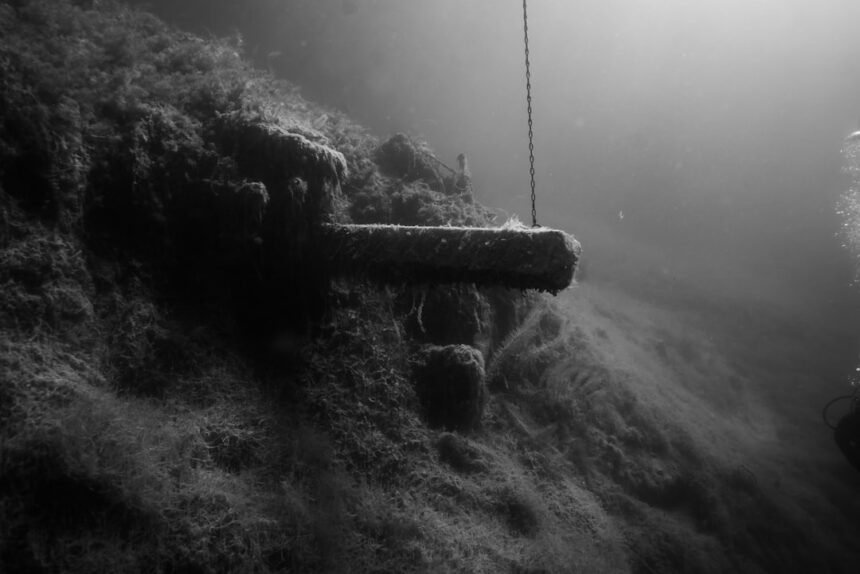
The Barents Bastion Submarine represents a significant achievement in naval engineering and military strategy.
Named after the Barents Sea, a strategically important area characterized by geopolitical tensions and military activities, the Barents Bastion Submarine serves as more than just a vessel—it represents the intersection of modern warfare capabilities, technological innovation, and naval power dynamics.
In the context of evolving global security challenges, submarines of this class have become critical components of naval arsenals. Their stealth capabilities, sophisticated weapons systems, and strategic value make them crucial assets for both offensive and defensive military operations. This article examines the historical development, technical specifications, operational functions, and strategic implications of the Barents Bastion Submarine, offering a detailed analysis of its importance in modern naval warfare.
Key Takeaways
- The Barents Bastion submarine has a rich history and significant role in naval operations.
- Its advanced design and technology make it a formidable underwater vessel.
- The submarine’s crew plays a crucial role in its successful missions and operations.
- Notable missions highlight the strategic importance of the Barents Bastion in naval warfare.
- The submarine has influenced modern naval strategy and remains a key piece of naval heritage accessible to visitors.
History of the Barents Bastion Submarine
The history of the Barents Bastion Submarine is intertwined with the evolution of submarine technology and naval strategy during the Cold War and beyond. Initially conceived in response to the growing need for underwater capabilities, this submarine was developed to counter potential threats from rival naval forces. Its inception marked a significant shift in how nations approached maritime defense, particularly in regions characterized by harsh climates and challenging operational environments.
Throughout its operational history, the Barents Bastion Submarine has participated in numerous exercises and missions that have tested its capabilities. From surveillance operations to strategic deterrence, it has been at the forefront of naval engagements. The submarine’s design reflects the lessons learned from earlier conflicts and technological advancements, ensuring that it remains relevant in an ever-evolving military landscape.
As geopolitical tensions have fluctuated over the decades, the Barents Bastion has adapted to meet new challenges, solidifying its place in naval history.
Design and Construction of the Barents Bastion Submarine
The design and construction of the Barents Bastion Submarine are emblematic of cutting-edge engineering and innovative thinking. Crafted with a focus on stealth and durability, this submarine features a streamlined hull that minimizes its acoustic signature, allowing it to operate undetected in hostile waters. The materials used in its construction are selected for their ability to withstand extreme pressures and temperatures, ensuring that the vessel can navigate the icy depths of the Arctic with ease.
Moreover, the interior layout of the Barents Bastion is meticulously planned to optimize space and functionality. Crew quarters are designed for comfort during long deployments, while operational areas are equipped with state-of-the-art technology that enhances situational awareness and decision-making capabilities. The construction process itself involved collaboration among various experts in marine engineering, electronics, and weaponry, resulting in a vessel that is not only formidable but also a marvel of modern technology.
The Role of the Barents Bastion Submarine in Naval Operations
The Barents Bastion Submarine plays a multifaceted role in naval operations, serving as both a deterrent and an offensive platform. Its primary mission is to ensure maritime security by patrolling strategic waterways and monitoring potential threats. By maintaining a presence in contested regions, it contributes to a broader strategy of deterrence that aims to dissuade adversaries from aggressive actions.
In addition to its deterrent capabilities, the Barents Bastion is equipped for various offensive operations. It can launch precision strikes against land-based targets or engage enemy vessels with its advanced torpedo systems. This dual capability allows naval commanders to employ the submarine in diverse scenarios, from covert reconnaissance missions to full-scale military engagements.
The versatility of the Barents Bastion underscores its importance within modern naval doctrine, where adaptability is crucial for success in dynamic operational environments.
Inside the Barents Bastion Submarine: A Closer Look
| Metric | Details |
|---|---|
| Name | Barents Bastion |
| Type | Submarine |
| Length | Approximately 70 meters |
| Displacement | About 2,000 tons (surfaced) |
| Propulsion | Diesel-electric |
| Maximum Speed | 20 knots (submerged) |
| Operational Depth | Up to 300 meters |
| Armament | 8 torpedo tubes, anti-ship missiles |
| Crew | Approximately 35 personnel |
| Primary Mission | Coastal defense and surveillance in the Barents Sea |
Venturing inside the Barents Bastion Submarine reveals a world that is both functional and sophisticated. The interior is designed to support long missions while ensuring crew efficiency and safety. Crew members navigate through narrow passageways that lead to various compartments, including control rooms, living quarters, and weapon storage areas.
Each space is optimized for its specific purpose, reflecting a careful balance between operational needs and crew comfort. The control room serves as the nerve center of the submarine, where highly trained personnel monitor systems and make critical decisions during missions. Advanced displays provide real-time data on navigation, sonar readings, and communication with command centers.
The living quarters are equipped with amenities that allow crew members to rest and recuperate during extended deployments, fostering morale and teamwork among those who serve aboard this formidable vessel.
The Technology and Weapons of the Barents Bastion Submarine

The technological advancements integrated into the Barents Bastion Submarine are among its most defining features. Equipped with cutting-edge sonar systems, it can detect enemy vessels from great distances while remaining undetected itself. This stealth capability is further enhanced by advanced noise reduction technologies that minimize sound emissions during operation.
In terms of armament, the Barents Bastion boasts an impressive array of weapons designed for both anti-surface and anti-submarine warfare. Its torpedo systems are capable of launching precision strikes against enemy ships or submarines, while missile systems can target land-based installations with remarkable accuracy. The combination of advanced technology and formidable weaponry positions the Barents Bastion as a critical asset in any naval engagement.
The Crew of the Barents Bastion Submarine
The crew aboard the Barents Bastion Submarine is composed of highly skilled individuals who undergo rigorous training to prepare for their roles. Each member brings specialized expertise to the team, whether in navigation, engineering, or combat operations. This diverse skill set is essential for maintaining the submarine’s complex systems and executing its missions effectively.
Teamwork is paramount within the confined environment of a submarine. Crew members must work closely together under challenging conditions, often for extended periods without contact with the outside world. This camaraderie fosters a strong sense of unity and purpose among those who serve aboard the Barents Bastion, contributing to its operational success.
The Barents Bastion Submarine in Action: Notable Missions and Operations
Throughout its service history, the Barents Bastion Submarine has participated in numerous notable missions that highlight its capabilities and strategic importance. One such operation involved conducting surveillance in contested waters during heightened geopolitical tensions. The submarine’s stealth allowed it to gather critical intelligence without detection, providing valuable insights to naval commanders.
Another significant mission showcased its offensive capabilities when it successfully launched precision strikes against enemy targets during a joint exercise with allied forces. This operation demonstrated not only the effectiveness of its weaponry but also the importance of interoperability among allied navies in modern warfare scenarios. Such missions underscore how the Barents Bastion has become an integral part of naval operations in various theaters around the world.
The Legacy of the Barents Bastion Submarine
The legacy of the Barents Bastion Submarine extends beyond its immediate operational achievements; it represents a shift in naval strategy that emphasizes stealth, versatility, and technological superiority. As military doctrines evolve to address new threats and challenges, submarines like the Barents Bastion have set benchmarks for future designs and operational concepts. Moreover, its influence can be seen in how navies around the world approach submarine warfare today.
The lessons learned from its missions have informed training programs and strategic planning across various fleets, ensuring that future generations of submariners benefit from its legacy. The Barents Bastion will undoubtedly be remembered as a pioneering vessel that shaped modern naval warfare.
The Future of Submarine Warfare: How the Barents Bastion Submarine has Influenced Modern Naval Strategy
As military technology continues to advance at an unprecedented pace, the future of submarine warfare will likely be heavily influenced by vessels like the Barents Bastion Submarine. Its design principles and operational strategies serve as models for emerging submarines that prioritize stealth and multi-role capabilities. As nations invest in next-generation submarines, they will undoubtedly draw inspiration from the successes and innovations exemplified by this formidable vessel.
Furthermore, as geopolitical dynamics shift and new threats emerge, submarines will play an increasingly vital role in national defense strategies. The adaptability demonstrated by the Barents Bastion will serve as a guiding principle for future naval operations, emphasizing the need for flexibility in response to evolving challenges on the high seas.
Visiting the Barents Bastion Submarine: How to Experience this Piece of Naval History
For those interested in experiencing a piece of naval history firsthand, visiting the Barents Bastion Submarine offers a unique opportunity to explore its storied past and technological marvels. Many naval museums around the world feature decommissioned submarines as exhibits, allowing visitors to step inside these remarkable vessels and gain insight into life aboard a submarine. Guided tours often provide detailed information about the submarine’s history, design features, and operational roles.
Visitors can learn about the challenges faced by crew members during missions while appreciating the intricate engineering that makes such vessels possible. Engaging with knowledgeable guides enhances this experience, offering a deeper understanding of how submarines like the Barents Bastion have shaped naval warfare throughout history. In conclusion, the Barents Bastion Submarine stands as a symbol of innovation and strategic importance within modern naval forces.
Its rich history, advanced design features, multifaceted roles in operations, and lasting legacy continue to influence submarine warfare today and into the future. As nations navigate an increasingly complex maritime landscape, vessels like the Barents Bastion will remain at the forefront of naval strategy for years to come.
The Barents Bastion submarine, a critical component of Russia’s naval strategy, has garnered significant attention in recent defense analyses. For a deeper understanding of the strategic implications of such submarines in the Arctic region, you can read more in this related article on In The War Room. This resource provides insights into the evolving dynamics of naval power in the Barents Sea and its impact on global security.
FAQs
What is the Barents Bastion submarine?
The Barents Bastion submarine is a modern underwater vessel designed for military and strategic purposes, primarily operating in the Arctic and Barents Sea regions.
Who operates the Barents Bastion submarine?
The Barents Bastion submarine is operated by the Russian Navy, focusing on enhancing their capabilities in the Arctic maritime domain.
What are the key features of the Barents Bastion submarine?
Key features include advanced stealth technology, long-range missile systems, enhanced sonar and navigation equipment, and the ability to operate in extreme Arctic conditions.
What is the primary mission of the Barents Bastion submarine?
Its primary mission is to secure Russia’s strategic interests in the Arctic, conduct surveillance, and provide a deterrent against potential threats in the region.
When was the Barents Bastion submarine first introduced?
The Barents Bastion submarine was introduced in the early 2020s as part of Russia’s efforts to modernize its naval fleet and strengthen its Arctic presence.
How does the Barents Bastion submarine contribute to Arctic security?
By patrolling the Barents Sea and surrounding Arctic waters, the submarine helps monitor maritime traffic, protect territorial waters, and maintain a strategic military presence.
What type of weapons does the Barents Bastion submarine carry?
It is equipped with a variety of weapons, including torpedoes, cruise missiles, and potentially nuclear-capable ballistic missiles, depending on the specific class and configuration.
Is the Barents Bastion submarine nuclear-powered?
Yes, the Barents Bastion submarine is typically nuclear-powered, allowing for extended underwater endurance and operational range without the need for frequent surfacing.
How does the Barents Bastion submarine handle Arctic conditions?
The submarine is specially designed with reinforced hulls and advanced systems to operate efficiently under ice-covered waters and withstand extreme cold temperatures.
Where can I find more information about the Barents Bastion submarine?
More information can be found through official military publications, defense analysis reports, and reputable news sources covering naval developments and Arctic security.