The origins of naval technology can be traced back to the earliest human civilizations, where the need for transportation across water bodies led to the creation of primitive vessels. Initially, these boats were simple rafts and dugouts made from logs, designed primarily for fishing and trade. As societies evolved, so did their maritime capabilities.
The Egyptians, for instance, constructed wooden ships that were capable of navigating the Nile River and the Mediterranean Sea, utilizing sails made from woven reeds. This marked a significant advancement in naval technology, allowing for longer voyages and more complex trade networks. As civilizations expanded, so did their naval ambitions.
The Phoenicians, renowned for their seafaring skills, developed advanced shipbuilding techniques that included the use of the bireme—a vessel with two rows of oars on each side. This innovation not only improved speed and maneuverability but also allowed for greater cargo capacity. The Greeks and Romans further refined these designs, incorporating features such as the trireme, which became a formidable warship in naval battles.
These early developments laid the groundwork for future advancements in naval technology, setting the stage for the critical role that maritime power would play in shaping human history.
Key Takeaways
- Naval technology has continuously evolved from ancient times, significantly shaping civilizations and military strategies.
- The Age of Exploration and Industrial Revolution marked major innovations that transformed naval capabilities and global influence.
- World Wars I and II accelerated advancements in naval technology, introducing new weapons and tactics.
- Nuclear technology revolutionized naval warfare, leading to powerful and long-lasting naval vessels.
- Modern and future naval technology focuses on advanced trends while addressing ethical and environmental concerns.
The Impact of Naval Technology on Ancient Civilizations
Naval technology profoundly influenced the trajectory of ancient civilizations, facilitating trade, cultural exchange, and military conquests. The ability to traverse vast oceans and rivers enabled societies to establish trade routes that connected distant lands. For example, the maritime prowess of the Phoenicians allowed them to dominate trade in the Mediterranean, spreading their influence and culture across regions such as North Africa and Southern Europe.
This exchange of goods and ideas not only enriched these civilizations but also fostered a sense of interconnectedness that transcended geographical boundaries. Moreover, naval technology played a pivotal role in military strategy during ancient times. The Greeks utilized their advanced ships to project power across the Aegean Sea, while the Romans built a formidable navy that secured their dominance over the Mediterranean.
Naval battles, such as the Battle of Salamis, showcased the strategic importance of naval forces in determining the outcomes of conflicts. The ability to control sea routes not only ensured the flow of resources but also provided a tactical advantage over land-based armies. Thus, naval technology was instrumental in shaping the political landscape of ancient civilizations, influencing everything from trade dynamics to military engagements.
Innovations in Naval Technology during the Age of Exploration
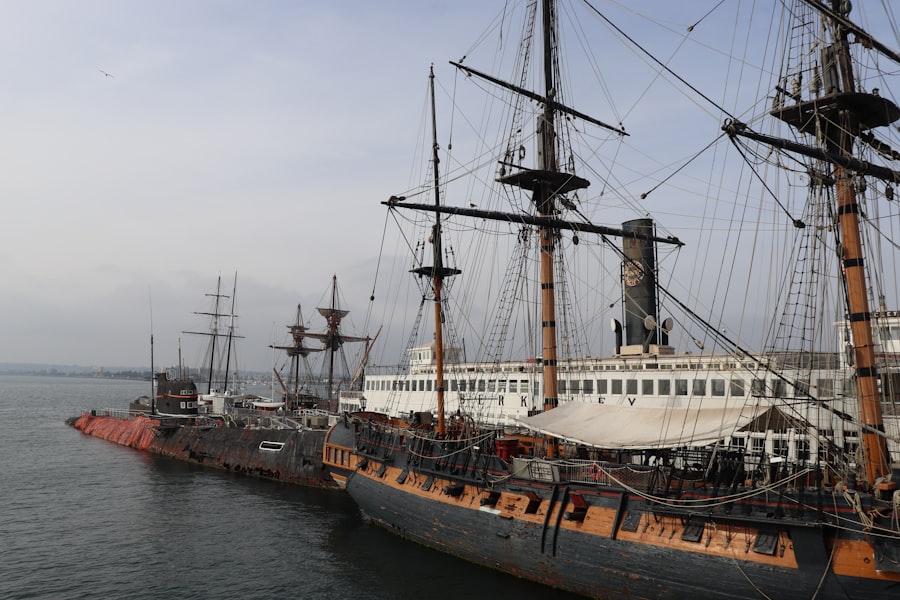
The Age of Exploration marked a transformative period in naval technology, characterized by significant innovations that enabled European powers to embark on ambitious voyages across uncharted waters. The development of the caravel—a small, highly maneuverable ship—revolutionized maritime exploration.
This innovation not only facilitated long-distance travel but also opened new trade routes that connected Europe with Asia, Africa, and the Americas. In addition to ship design, advancements in navigation tools played a crucial role during this era. The introduction of the magnetic compass and improvements in cartography allowed sailors to navigate with greater accuracy and confidence.
The creation of detailed maps and charts enabled explorers to chart their courses more effectively, reducing the risks associated with venturing into unknown territories. These technological advancements not only fueled European expansion but also had lasting impacts on global trade patterns and cultural exchanges, reshaping the world in profound ways.
The Influence of Naval Technology on Military Strategy
As naval technology continued to evolve, its influence on military strategy became increasingly pronounced. The development of larger and more powerful warships allowed nations to project their military might across oceans and engage in conflicts far from their shores. The introduction of cannons on ships transformed naval warfare, shifting the focus from boarding tactics to long-range artillery engagements.
This change necessitated new strategies and tactics, as commanders had to adapt to the realities of naval combat in an age where firepower could determine victory or defeat. Furthermore, the rise of steam-powered vessels during the 19th century marked a significant turning point in naval strategy. Steamships offered greater speed and maneuverability compared to traditional sailing ships, allowing navies to respond more rapidly to threats and engage in more complex operations.
The ability to maintain a constant speed regardless of wind conditions changed the dynamics of naval engagements and necessitated new approaches to fleet organization and tactics. As nations recognized the strategic advantages conferred by advanced naval technology, they invested heavily in their navies, leading to an arms race that would shape global power dynamics for decades to come.
The Evolution of Naval Technology during the Industrial Revolution
| Era | Key Naval Technology | Significance | Approximate Time Period |
|---|---|---|---|
| Ancient | Oar-powered galleys | Enabled early naval warfare and trade across Mediterranean | c. 3000 BCE – 500 CE |
| Medieval | Lateen sail | Improved maneuverability and sailing against the wind | c. 7th – 15th century |
| Age of Exploration | Caravel and Carrack ships | Long-distance oceanic voyages and global exploration | 15th – 17th century |
| 17th – 18th Century | Ship of the line with broadside cannons | Dominated naval battles with powerful artillery | 1600s – 1800s |
| 19th Century | Steam-powered ironclads | Transition from sail to steam, armored hulls for protection | Mid to late 1800s |
| Early 20th Century | Dreadnought battleships | Revolutionized battleship design with uniform big guns | 1906 onwards |
| World War II | Aircraft carriers | Shifted naval power projection to air superiority at sea | 1939 – 1945 |
| Cold War | Nuclear-powered submarines | Extended underwater endurance and strategic deterrence | 1950s – 1990s |
| Modern Era | Stealth technology and guided missile destroyers | Enhanced survivability and precision strike capabilities | 2000s – Present |
The Industrial Revolution brought about unprecedented changes in naval technology, driven by advancements in engineering and manufacturing processes. The introduction of ironclad warships marked a significant departure from traditional wooden vessels, providing enhanced durability and protection against enemy fire. These ironclads were equipped with powerful steam engines that allowed for greater speed and maneuverability, fundamentally altering naval warfare.
The Battle of Hampton Roads during the American Civil War showcased the effectiveness of ironclad ships, signaling a new era in naval combat. Additionally, innovations in weaponry during this period further transformed naval capabilities. The development of rifled cannons and torpedoes increased the lethality of naval engagements, prompting navies to rethink their strategies and tactics.
The introduction of submarines added a new dimension to naval warfare, allowing for stealthy attacks that could catch traditional surface vessels off guard. As nations raced to modernize their fleets with these advancements, naval technology became a critical factor in determining military superiority and geopolitical influence.
The Role of Naval Technology in World War I
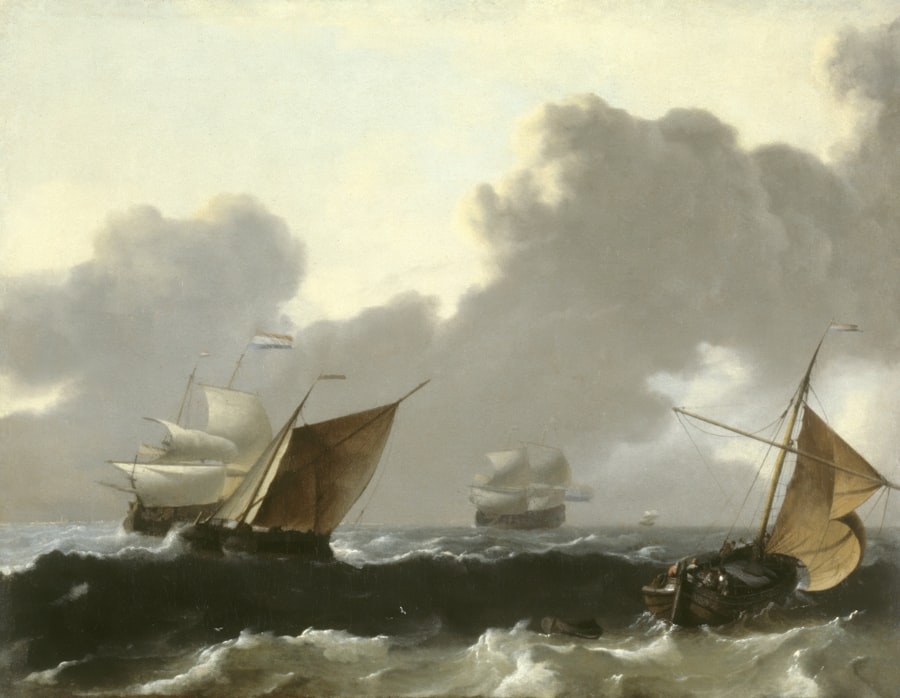
World War I marked a pivotal moment in the evolution of naval technology, as nations harnessed their maritime capabilities to support military operations on an unprecedented scale. The conflict saw the widespread use of dreadnoughts—powerful battleships equipped with heavy artillery—that dominated naval engagements. These vessels represented the culmination of decades of technological advancements and became symbols of national pride for many countries involved in the war.
Submarines also played a crucial role during World War I, fundamentally changing naval warfare dynamics. The German U-boat campaign targeted Allied shipping routes, aiming to disrupt supply lines and weaken enemy forces. This shift towards submarine warfare forced navies to develop countermeasures such as convoy systems and depth charges, highlighting the adaptability required in response to evolving threats.
The impact of naval technology during this conflict underscored its significance not only in direct combat but also in shaping broader strategic outcomes.
Advancements in Naval Technology during World War II
World War II witnessed remarkable advancements in naval technology that transformed maritime warfare once again. Aircraft carriers emerged as dominant forces at sea, shifting the focus from battleships to air power as a primary means of projecting military strength. The ability to launch aircraft from carriers allowed navies to strike targets far beyond their immediate vicinity, fundamentally altering naval strategy and tactics.
Additionally, advancements in radar technology revolutionized naval operations by enhancing detection capabilities and improving situational awareness during engagements. This technological leap enabled navies to track enemy movements more effectively and coordinate complex operations with greater precision. The development of advanced submarines equipped with improved stealth capabilities further complicated naval warfare dynamics, leading to intense cat-and-mouse games between surface fleets and underwater threats.
The Impact of Nuclear Technology on Naval Warfare
The advent of nuclear technology introduced a new paradigm in naval warfare, fundamentally altering strategic calculations for nations around the world. Nuclear-powered submarines provided unprecedented range and endurance, allowing them to operate covertly for extended periods without surfacing. This capability transformed submarine warfare into a critical component of national defense strategies during the Cold War era.
Moreover, nuclear-armed submarines became key elements of deterrence strategies, as their ability to launch ballistic missiles from underwater positions provided nations with second-strike capabilities against potential adversaries. This shift towards nuclear deterrence reshaped global power dynamics and led to an arms race among superpowers seeking to maintain strategic parity. As nations grappled with the implications of nuclear technology on naval warfare, ethical considerations surrounding its use became increasingly prominent.
The Rise of Modern Naval Technology in the 21st Century
In the 21st century, modern naval technology has continued to evolve rapidly, driven by advancements in information technology and automation. Navies around the world are increasingly integrating sophisticated systems such as unmanned aerial vehicles (UAVs) and autonomous underwater vehicles (AUVs) into their operations. These technologies enhance reconnaissance capabilities and provide new avenues for conducting maritime operations with reduced risk to personnel.
Cybersecurity has also emerged as a critical concern for modern navies as they navigate an increasingly interconnected world. Protecting sensitive information and ensuring operational integrity against cyber threats has become paramount for maintaining strategic advantages at sea. As nations invest in cutting-edge technologies such as artificial intelligence and machine learning, the future landscape of naval warfare is poised for further transformation.
The Future of Naval Technology: Trends and Developments
Looking ahead, several trends are shaping the future of naval technology. One notable development is the increasing emphasis on sustainability within naval operations. As environmental concerns grow globally, navies are exploring alternative energy sources such as biofuels and electric propulsion systems to reduce their carbon footprint while maintaining operational effectiveness.
Additionally, advancements in materials science are paving the way for lighter yet stronger ship designs that enhance performance while reducing costs associated with construction and maintenance. Innovations such as 3D printing are also being explored for rapid prototyping and repair capabilities at sea, enabling navies to respond more effectively to emerging challenges.
Exploring the Ethical and Environmental Implications of Naval Technology
As naval technology continues to advance at an unprecedented pace, ethical considerations surrounding its use have come to the forefront. The deployment of autonomous systems raises questions about accountability and decision-making in combat scenarios—particularly when human lives are at stake. Ensuring that ethical frameworks guide the development and deployment of these technologies is essential for maintaining public trust and accountability.
Furthermore, environmental implications associated with naval operations cannot be overlooked. From oil spills caused by accidents at sea to noise pollution affecting marine ecosystems, navies must grapple with their impact on ocean health as they pursue technological advancements. Balancing operational effectiveness with environmental stewardship will be crucial for ensuring that future generations can enjoy healthy oceans while benefiting from maritime capabilities.
In conclusion, naval technology has undergone significant transformations throughout history, shaping civilizations’ trajectories while influencing military strategies on land and sea alike.
The evolution of naval technology has played a crucial role in shaping maritime warfare and naval strategy throughout history. For a deeper understanding of this fascinating subject, you can explore the article on naval advancements and their impact on modern naval operations. Check it out here: Naval Technology History.
FAQs
What is naval technology?
Naval technology refers to the tools, equipment, and methods used in the design, construction, and operation of ships and other vessels used in naval warfare and maritime activities.
When did naval technology first develop?
Naval technology began to develop in ancient times, with early civilizations like the Egyptians, Phoenicians, and Greeks building simple boats and ships for transportation, trade, and warfare.
What were some key advancements in early naval technology?
Key advancements included the development of the sail, the use of oars for propulsion, the construction of larger and more durable wooden ships, and the introduction of naval weapons such as rams and catapults.
How did the Age of Sail impact naval technology?
The Age of Sail, roughly from the 16th to the mid-19th century, saw significant improvements in ship design, navigation instruments, and naval artillery, enabling longer voyages and more effective naval combat.
What role did the Industrial Revolution play in naval technology?
The Industrial Revolution introduced steam power, iron and steel hulls, and advanced weaponry, transforming naval vessels from wooden sailing ships to steam-powered ironclads and eventually modern battleships.
How has naval technology evolved in the 20th century?
The 20th century saw the introduction of submarines, aircraft carriers, radar, sonar, guided missiles, and nuclear propulsion, greatly enhancing naval capabilities and changing naval warfare strategies.
What is the significance of nuclear propulsion in naval technology?
Nuclear propulsion allows naval vessels, especially submarines and aircraft carriers, to operate for extended periods without refueling, providing greater endurance, speed, and operational range.
How has modern technology influenced current naval vessels?
Modern naval vessels incorporate advanced electronics, stealth technology, automated systems, and precision weaponry, improving their effectiveness, survivability, and versatility in various maritime missions.
Why is the history of naval technology important?
Understanding the history of naval technology helps explain the evolution of maritime power, naval strategy, and the technological innovations that have shaped global trade, exploration, and military conflicts.