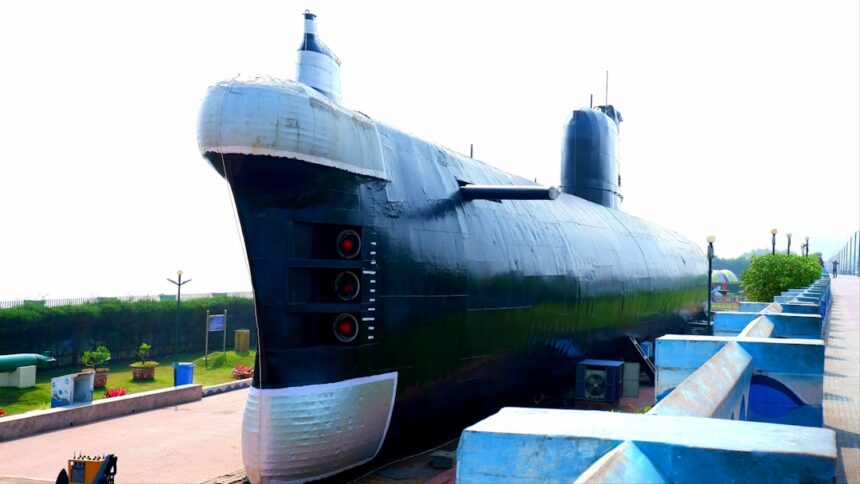
Submarine communication security represents a critical component of modern naval operations and global communications infrastructure. Submarines function as essential military assets, conducting intelligence collection, deterrence missions, and strategic operations while maintaining stealth capabilities. Secure communication systems enable submarines to transmit and receive classified information while submerged, preserving operational security and mission effectiveness.
Communication interception by hostile forces poses significant risks, potentially exposing military strategies, operational plans, and technological capabilities. The importance of submarine communication extends beyond military applications to encompass civilian infrastructure. Submarine cables carry approximately 99% of international data traffic, including internet communications, financial transactions, and telecommunications.
These underwater cable networks form the backbone of global digital connectivity, supporting international commerce, banking systems, and critical infrastructure operations. Disruption or compromise of submarine cable communications can result in widespread economic impacts, affecting financial markets, supply chains, and essential services across multiple nations. Both military submarine communications and civilian submarine cable networks face similar security challenges, including signal interception, physical tampering, and cyber attacks.
The protection of these communication systems requires comprehensive security measures addressing both technical vulnerabilities and physical infrastructure protection. The convergence of military and civilian submarine communication security concerns reflects the interconnected nature of modern information systems and their role in national and economic security.
Key Takeaways
- Securing submarine communication is critical for maintaining national security and effective military operations.
- Submarine communication systems face vulnerabilities such as interception, jamming, and cyberattacks.
- Encryption and advanced detection technologies are essential tools for protecting submarine communications.
- International cooperation and legal frameworks play a vital role in enhancing submarine communication security.
- The future of submarine communication security involves addressing emerging threats and integrating new technologies in modern warfare.
The Vulnerabilities of Submarine Communication Systems
Submarine communication systems face a myriad of vulnerabilities that can be exploited by adversaries. One of the primary concerns is the susceptibility of these systems to interception through advanced surveillance technologies. As nations invest in sophisticated listening devices and underwater drones, the risk of unauthorized access to sensitive communications increases significantly.
These technologies can detect and analyze the electromagnetic signals emitted by submarines, potentially allowing adversaries to decipher critical information. Additionally, the physical infrastructure supporting submarine communication is not immune to threats. Undersea cables, which are essential for transmitting data between submarines and command centers, can be damaged or tampered with through various means, including natural disasters or deliberate sabotage.
The challenge lies in the fact that these cables are often located in remote areas, making them difficult to monitor and protect effectively. As a result, the vulnerabilities inherent in submarine communication systems necessitate robust security measures to safeguard against both technological and physical threats.
Current Technologies for Securing Submarine Communication
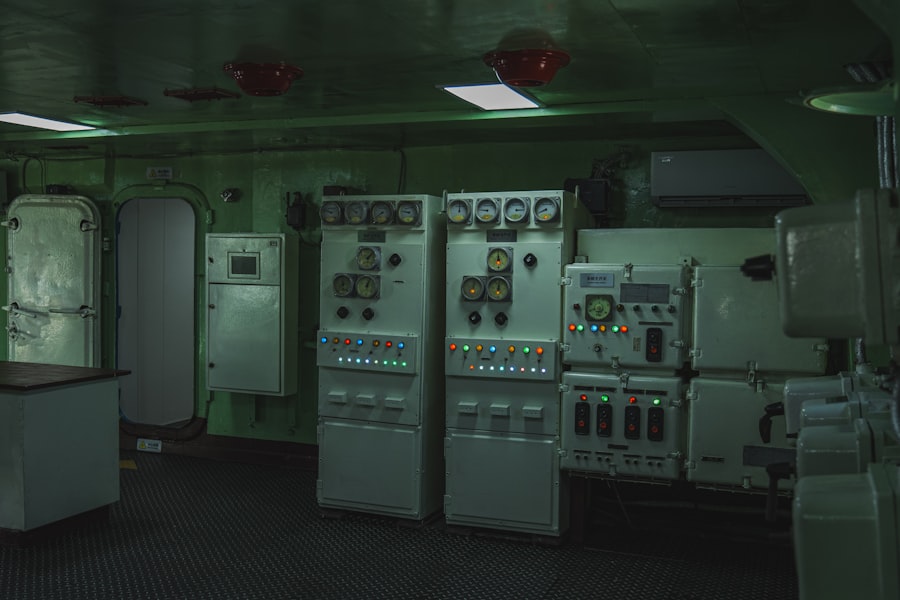
To address the vulnerabilities associated with submarine communication systems, various technologies have been developed to enhance security. One prominent approach involves the use of advanced encryption techniques that protect data transmitted between submarines and command centers. By employing complex algorithms to encode messages, these technologies ensure that even if communications are intercepted, they remain unintelligible to unauthorized parties.
This encryption not only secures military communications but also protects sensitive information related to national security. In addition to encryption, other technologies such as frequency hopping and spread spectrum techniques are employed to further secure submarine communications. Frequency hopping involves rapidly changing the transmission frequency during communication, making it difficult for adversaries to lock onto a specific signal.
Similarly, spread spectrum techniques disperse signals over a wide range of frequencies, reducing the likelihood of interception. These technologies work in tandem with encryption to create a multi-layered defense against potential threats, ensuring that submarine communications remain secure even in hostile environments.
Challenges in Securing Submarine Communication
Despite advancements in technology, several challenges persist in securing submarine communication systems. One significant hurdle is the rapid pace of technological evolution among adversaries. As nations develop more sophisticated surveillance capabilities, the tools used to secure submarine communications must also evolve to keep pace.
This constant arms race can strain resources and complicate efforts to maintain effective security measures. Another challenge lies in the integration of new technologies into existing systems. Many submarines operate on legacy communication platforms that may not be compatible with modern security solutions.
Upgrading these systems can be costly and time-consuming, often requiring extensive testing and validation before deployment. Additionally, there is a risk that introducing new technologies could inadvertently create new vulnerabilities if not implemented carefully. As such, balancing innovation with operational reliability remains a critical challenge in securing submarine communication.
The Role of Encryption in Submarine Communication Security
| Metric | Description | Typical Value / Range | Importance |
|---|---|---|---|
| Encryption Strength | Level of cryptographic protection used in communication | AES-256 or higher | High |
| Signal Latency | Time delay in transmitting data through underwater cables | 50-200 ms | Medium |
| Data Integrity Checks | Frequency of integrity verification to detect tampering | Continuous or every packet | High |
| Physical Cable Security | Measures to protect submarine cables from physical tampering | Armored cables, buried depth 1-3 meters | High |
| Access Control | Authentication mechanisms for communication nodes | Multi-factor authentication, secure key exchange | High |
| Jamming Resistance | Ability to resist signal jamming or interference | Frequency hopping, spread spectrum techniques | Medium |
| Redundancy | Backup communication paths to ensure availability | Multiple cable routes, satellite links | High |
| Monitoring Frequency | How often the communication system is monitored for anomalies | Real-time or hourly | High |
Encryption plays a pivotal role in safeguarding submarine communication from interception and unauthorized access. By converting plaintext messages into ciphertext using complex algorithms, encryption ensures that only authorized personnel with the correct decryption keys can access sensitive information. This process is particularly crucial for military operations where the stakes are high, and any breach could have dire consequences.
Moreover, encryption not only protects data during transmission but also secures stored information within submarine systems. In an age where cyber threats are increasingly prevalent, ensuring that data at rest is encrypted adds an additional layer of security. This dual approach—protecting both data in transit and data at rest—fortifies submarine communication systems against a wide range of potential threats, from interception to cyberattacks.
Strategies for Detecting and Preventing Submarine Communication Interception
To effectively secure submarine communications, it is essential to implement strategies for detecting and preventing interception attempts. One approach involves continuous monitoring of communication channels for unusual activity or anomalies that may indicate an interception attempt. By employing advanced signal analysis techniques and machine learning algorithms, naval forces can identify potential threats in real-time and respond accordingly.
Additionally, conducting regular security assessments and penetration testing can help identify vulnerabilities within submarine communication systems before they can be exploited by adversaries. These proactive measures enable naval forces to stay one step ahead of potential threats by continuously refining their security protocols and adapting to emerging challenges. Furthermore, fostering a culture of cybersecurity awareness among personnel ensures that all members of the naval forces understand the importance of safeguarding sensitive information and are equipped to recognize potential threats.
International Cooperation in Securing Submarine Communication
The complexity of securing submarine communication necessitates international cooperation among allied nations. Given that many threats are transnational in nature, collaborative efforts can enhance collective security measures and share best practices for safeguarding underwater communication systems. Joint exercises and information-sharing initiatives can help build trust among allies while also improving overall situational awareness regarding potential threats.
Moreover, establishing international norms and agreements related to submarine communication security can foster a more secure global environment. By working together to develop standards for encryption protocols and threat detection methodologies, nations can create a unified front against common adversaries seeking to exploit vulnerabilities in submarine communication systems. This collaborative approach not only strengthens individual nations’ security but also contributes to global stability.
The Future of Submarine Communication Security
As technology continues to advance at an unprecedented pace, the future of submarine communication security will likely be shaped by emerging trends such as artificial intelligence (AI) and quantum computing. AI has the potential to revolutionize threat detection by analyzing vast amounts of data in real-time, identifying patterns indicative of interception attempts or other malicious activities. This capability could significantly enhance response times and improve overall situational awareness for naval forces.
Quantum computing presents both challenges and opportunities for encryption methods used in submarine communication. While quantum computers could potentially break traditional encryption algorithms, they also offer new avenues for developing quantum-resistant encryption techniques that could provide unparalleled security for sensitive communications. As nations invest in research and development in these areas, the landscape of submarine communication security will continue to evolve, necessitating ongoing adaptation and innovation.
The Impact of Submarine Communication Security on National Security
The security of submarine communication systems has profound implications for national security. A breach in these systems could compromise military operations, expose strategic plans, or even lead to catastrophic consequences during times of conflict. As such, ensuring robust security measures is essential for maintaining a nation’s defense posture and deterring potential adversaries from engaging in hostile actions.
Furthermore, the interconnectedness of global communications means that vulnerabilities in submarine communication can have far-reaching effects beyond military applications. Disruptions in undersea cables can impact international trade, financial markets, and critical infrastructure services such as telecommunications and energy distribution. Therefore, safeguarding submarine communication systems is not only vital for national defense but also for preserving economic stability and public safety on a global scale.
Ethical and Legal Considerations in Securing Submarine Communication
The pursuit of enhanced security for submarine communication raises important ethical and legal considerations that must be addressed by policymakers and military leaders alike. Balancing national security interests with individual privacy rights presents a complex challenge, particularly as surveillance technologies become more sophisticated. Ensuring that security measures do not infringe upon civil liberties requires careful oversight and adherence to legal frameworks governing intelligence operations.
Additionally, international law plays a crucial role in shaping how nations approach submarine communication security. Treaties governing maritime conduct and cybersecurity establish norms that guide state behavior in protecting underwater communication systems while respecting the rights of other nations. Navigating these legal landscapes requires diplomacy and collaboration among nations to foster an environment where security measures are effective yet respectful of established norms.
The Role of Submarine Communication Security in Modern Warfare
In modern warfare, the role of submarine communication security has become increasingly critical as conflicts evolve into more complex arenas involving cyber warfare and information operations.
This stealthy approach enhances operational effectiveness while minimizing risks associated with detection.
Moreover, as warfare becomes more reliant on technology and information superiority, securing submarine communications becomes integral to achieving strategic objectives. The ability to transmit real-time intelligence securely can provide a decisive advantage on the battlefield, enabling forces to respond swiftly to emerging threats or opportunities.
In conclusion, securing submarine communication is a multifaceted challenge that encompasses technological advancements, international cooperation, ethical considerations, and national security implications. As nations navigate this complex landscape, ongoing innovation and collaboration will be essential for safeguarding these critical communication channels against evolving threats in an increasingly interconnected world.
Submarine communication security is a critical aspect of modern naval operations, as it ensures the confidentiality and integrity of sensitive information transmitted underwater. For a deeper understanding of the challenges and advancements in this field, you can read the article on submarine communication systems at In The War Room. This resource provides valuable insights into the technologies and strategies employed to safeguard underwater communications against potential threats.
FAQs
What is submarine communication security?
Submarine communication security refers to the measures and technologies used to protect underwater communication cables and systems from unauthorized access, damage, or interception. These cables are critical for global internet and telecommunications infrastructure.
Why is submarine communication security important?
Submarine cables carry the majority of international data traffic, including internet, telephone, and private data. Securing these cables ensures the integrity, confidentiality, and availability of global communications and prevents disruptions that could impact economies and national security.
What are the main threats to submarine communication security?
Threats include physical damage from natural disasters, fishing activities, and ship anchors; intentional sabotage or espionage by state or non-state actors; cyberattacks targeting the cable systems’ control and monitoring infrastructure; and signal interception.
How are submarine cables protected from physical damage?
Protection methods include burying cables under the seabed in shallow waters, using armored cables in vulnerable areas, monitoring cable routes, and enforcing maritime regulations to prevent anchoring or fishing near cable paths.
Can submarine communication cables be tapped or intercepted?
Yes, it is technically possible to tap submarine cables to intercept data. However, such operations require sophisticated equipment and access, making them complex and risky. Encryption and other security protocols are used to protect data transmitted through these cables.
What role does encryption play in submarine communication security?
Encryption ensures that data transmitted through submarine cables remains confidential and secure from interception or tampering. Even if data is intercepted, encryption prevents unauthorized parties from understanding the information.
Who is responsible for the security of submarine communication cables?
Responsibility is shared among cable owners, operators, international organizations, and governments. Collaboration is essential to monitor, protect, and respond to threats against submarine communication infrastructure.
Are there international laws governing submarine communication security?
Yes, international laws such as the United Nations Convention on the Law of the Sea (UNCLOS) provide frameworks for the protection of submarine cables. Additionally, various agreements and standards guide the security and maintenance of these cables.
How is technology evolving to enhance submarine communication security?
Advancements include improved cable materials, real-time monitoring systems, enhanced encryption methods, and the use of autonomous underwater vehicles (AUVs) for inspection and repair, all contributing to better security and resilience.
What should be done in case of a submarine cable security breach?
In the event of a breach, immediate actions include identifying and isolating the affected segment, repairing physical damage, investigating the cause, and enhancing security measures to prevent future incidents. Coordination among stakeholders is critical for effective response.