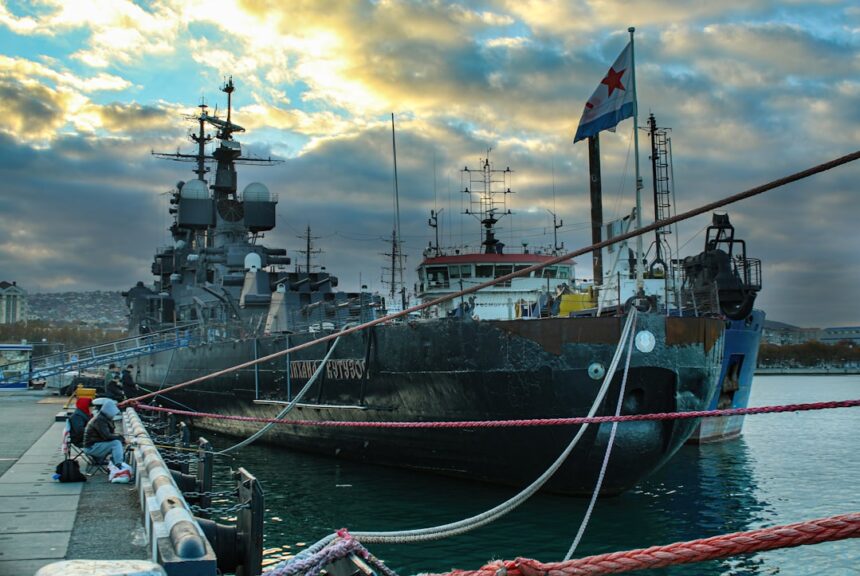
Soviet naval doctrine constituted a fundamental element of the USSR’s military strategy from 1917 to 1991, shaped by the nation’s geopolitical position and ideological framework. The doctrine developed through distinct phases, beginning with limited coastal defense capabilities in the 1920s and evolving into a global blue-water navy by the 1970s. The Soviet Union’s extensive coastline, spanning approximately 37,000 kilometers across the Arctic, Pacific, Baltic, and Black Sea regions, necessitated comprehensive maritime defense planning.
Soviet naval strategists faced the challenge of operating across multiple, often isolated theater commands while competing with established Western naval powers, particularly the United States Navy. Key doctrinal principles included the protection of ballistic missile submarines as a strategic nuclear deterrent, interdiction of Western sea lanes during potential conflicts, and support for Soviet foreign policy objectives through naval presence operations. The doctrine emphasized submarine warfare, coastal defense systems, and naval aviation, reflecting resource constraints and geographic realities that differed significantly from Western maritime approaches.
Soviet naval development occurred in three primary phases: the initial period (1917-1945) focused on coastal defense and support for land operations; the expansion era (1945-1970) emphasized submarine construction and regional sea control; and the global projection period (1970-1991) sought to establish worldwide naval presence and challenge Western maritime dominance. This evolution reflected changing strategic requirements, technological capabilities, and the Soviet Union’s growing international ambitions during the Cold War period.
Key Takeaways
- Soviet naval doctrine evolved significantly from early strategies to a focus on blue water capabilities during the Cold War.
- World War II and nuclear weapons profoundly influenced Soviet naval strategy and operational priorities.
- The Cuban Missile Crisis highlighted the strategic role of the Soviet Navy in global power projection.
- Development of naval aviation and amphibious warfare expanded the Soviet Navy’s operational reach.
- Soviet naval doctrine left a lasting legacy, shaping post-Soviet naval policies and contrasting with Western strategies.
Early Soviet Naval Strategy and Doctrine
In the aftermath of the Russian Revolution of 1917, the nascent Soviet state faced numerous challenges, including internal strife and external threats. The early years of Soviet naval strategy were marked by a struggle to establish a coherent maritime policy amidst these tumultuous conditions. Initially, the focus was on coastal defense and the protection of Soviet territorial waters, as the new regime prioritized consolidating power over projecting influence.
The Red Navy, established in 1918, was primarily tasked with safeguarding the revolution from foreign intervention. As the 1920s progressed, Soviet naval strategy began to evolve. Influenced by the writings of prominent military theorists such as Mikhail Frunze and Nikolai Gerasimov, the Soviet leadership recognized the need for a more robust naval presence.
The emphasis shifted towards developing a fleet capable of engaging in offensive operations, particularly against capitalist adversaries. This period saw the introduction of new technologies and tactics, including the integration of submarines and aircraft into naval operations. The foundation for a more comprehensive naval doctrine was laid during this time, setting the stage for future developments.
The Impact of World War II on Soviet Naval Doctrine
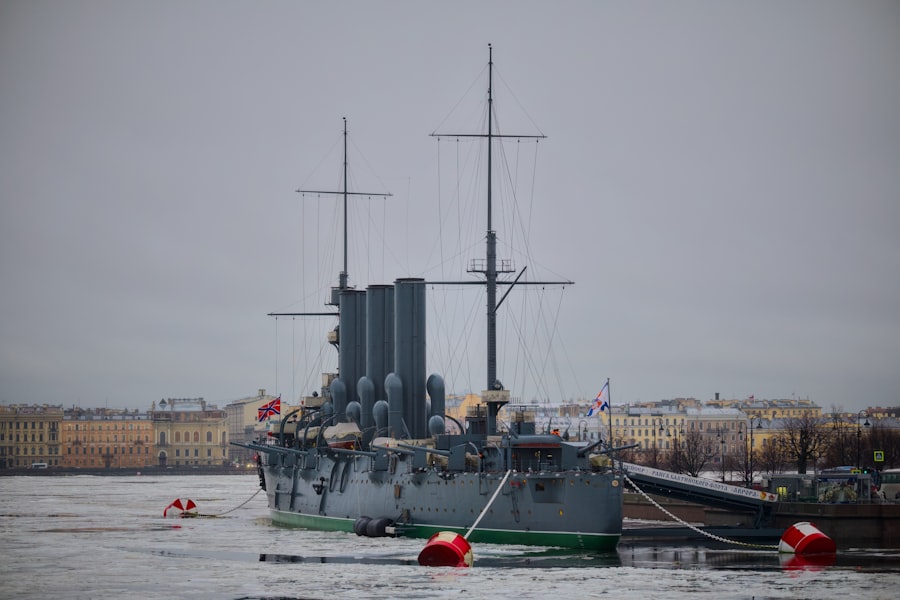
World War II had a profound impact on Soviet naval doctrine, reshaping its strategies and priorities in response to the realities of global conflict. The war exposed both strengths and weaknesses within the Soviet Navy, leading to significant lessons learned that would inform future naval policies. The initial stages of the war revealed vulnerabilities in coastal defenses and highlighted the importance of securing maritime supply lines.
As a result, the Soviet leadership recognized that a more versatile and capable navy was essential for national survival. During the war, the Soviet Navy played a crucial role in several key operations, including the defense of Leningrad and the Battle of Stalingrad. These experiences underscored the importance of integrating naval forces with ground operations and demonstrated the effectiveness of combined arms warfare.
The lessons learned from these engagements prompted a reevaluation of naval doctrine, leading to an increased emphasis on amphibious operations and joint military exercises. By the end of World War II, the Soviet Navy had emerged as a more formidable force, equipped with new technologies and strategies that would shape its post-war trajectory.
The Cold War and the Evolution of Soviet Naval Doctrine
The onset of the Cold War marked a significant turning point for Soviet naval doctrine, as tensions between the USSR and Western powers escalated. The need for a powerful navy became increasingly apparent as both sides sought to assert their dominance on the global stage. The Soviet leadership recognized that naval capabilities were essential for projecting power beyond its borders and countering Western influence in key regions such as Europe, Asia, and Africa.
During this period, Soviet naval doctrine underwent a transformation characterized by an emphasis on deterrence and power projection. The development of new classes of submarines, surface ships, and aircraft carriers reflected this shift in focus. The introduction of nuclear-powered submarines allowed for extended deployments and enhanced stealth capabilities, fundamentally altering the balance of power at sea.
Additionally, the establishment of naval bases in strategic locations around the world facilitated rapid response capabilities and reinforced Soviet influence in critical maritime chokepoints.
The Influence of Nuclear Weapons on Soviet Naval Strategy
| Aspect | Description | Key Metrics | Time Period |
|---|---|---|---|
| Strategic Focus | Emphasis on sea denial and protecting Soviet ballistic missile submarines (SSBNs) | Primary mission: SSBN protection, anti-carrier operations | 1950s-1980s |
| Fleet Composition | Mix of submarines, cruisers, destroyers, and missile boats designed for layered defense and offense | ~200 submarines (including 60 SSBNs), 40 cruisers, 100+ destroyers and frigates (1980s) | 1980s |
| Missile Emphasis | Heavy reliance on anti-ship cruise missiles (ASCMs) and ballistic missile submarines | SS-N-19 Shipwreck, SS-N-22 Sunburn ASCMs deployed on surface ships and submarines | 1970s-1980s |
| Operational Doctrine | Focus on layered defense zones, use of submarines for reconnaissance and attack, and combined arms naval warfare | Use of Bastion defense zones for SSBNs in Barents and Okhotsk Seas | 1970s-1980s |
| Naval Aviation | Integration of naval aviation for reconnaissance, anti-submarine warfare (ASW), and strike missions | Deployment of Tu-22M Backfire bombers and Ka-25/27 helicopters | 1970s-1980s |
| Doctrine Evolution | Shift from coastal defense to blue-water navy capabilities | Introduction of Kiev-class aircraft carriers and Slava-class cruisers | 1970s-1980s |
The advent of nuclear weapons had a profound impact on Soviet naval strategy, fundamentally altering the nature of maritime warfare. The introduction of nuclear-armed submarines provided the USSR with a second-strike capability that enhanced its deterrent posture against potential adversaries. This development necessitated a reevaluation of traditional naval strategies, as the threat of nuclear confrontation loomed large over global politics.
Soviet naval doctrine adapted to incorporate nuclear capabilities into its strategic framework. The emphasis shifted towards developing a “nuclear triad,” which included land-based missiles, strategic bombers, and submarine-launched ballistic missiles (SLBMs). This diversification allowed for greater flexibility in responding to threats while ensuring that the Soviet Union maintained a credible deterrent against Western powers.
The integration of nuclear weapons into naval strategy also led to increased investment in anti-submarine warfare capabilities, as both sides sought to protect their respective fleets from potential attacks.
The Role of Soviet Naval Doctrine in the Cuban Missile Crisis
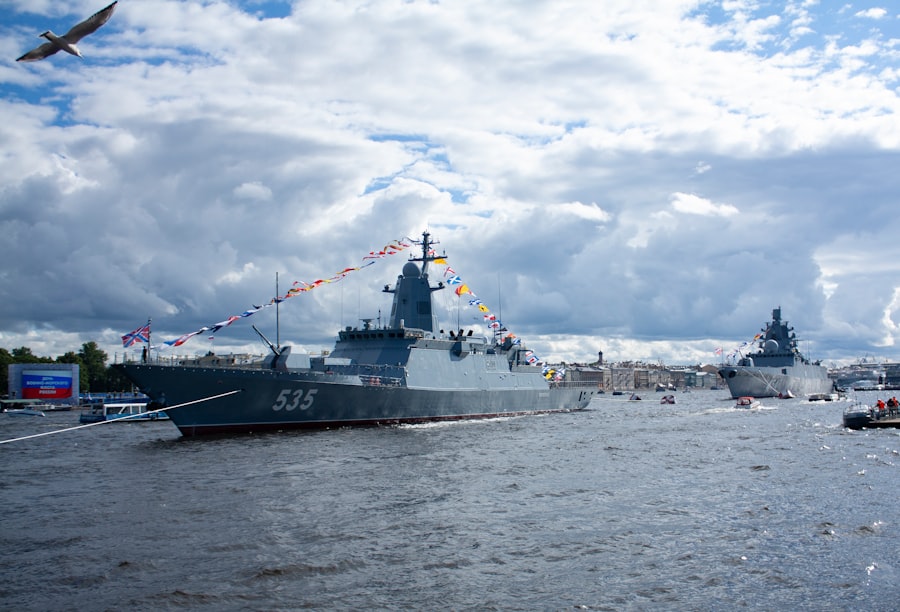
The Cuban Missile Crisis of 1962 served as a critical test for Soviet naval doctrine and highlighted its implications for global security. During this tense standoff between the United States and the USSR, naval forces played a pivotal role in shaping events on both sides. The deployment of Soviet submarines and surface ships to Cuba underscored the importance of maritime power in projecting influence and asserting national interests.
As tensions escalated, Soviet naval doctrine emphasized maintaining a strong presence in key maritime areas while simultaneously avoiding direct confrontation with U.S. forces. The crisis revealed both strengths and weaknesses within Soviet naval strategy; while it demonstrated the ability to deploy forces rapidly, it also exposed vulnerabilities in command and control structures.
Ultimately, the resolution of the crisis underscored the importance of effective communication and diplomacy in managing maritime conflicts—a lesson that would resonate throughout subsequent decades.
The Development of Soviet Naval Aviation and Amphibious Warfare
The evolution of Soviet naval doctrine also encompassed significant advancements in naval aviation and amphibious warfare capabilities. Recognizing that air power was integral to modern naval operations, Soviet strategists invested heavily in developing carrier-based aircraft and long-range bombers capable of striking enemy targets from sea-based platforms. This focus on naval aviation allowed for enhanced reconnaissance capabilities and increased strike options during maritime engagements.
Amphibious warfare also became a key component of Soviet naval strategy during this period. The development of specialized landing ships and assault craft enabled rapid troop deployments to contested areas, allowing for swift military interventions when necessary. This capability was particularly relevant in regions where ground forces could be quickly overwhelmed or where traditional land-based operations would be logistically challenging.
The Shift towards a Blue Water Navy
As geopolitical dynamics evolved throughout the latter half of the 20th century, Soviet naval doctrine began to shift towards establishing a blue water navy capable of operating far from home waters. This transition reflected an understanding that global power projection required a fleet capable of sustained operations across vast oceanic expanses. The development of advanced surface combatants, nuclear submarines, and support vessels facilitated this transformation.
The emphasis on blue water capabilities allowed the Soviet Navy to engage in long-range missions that extended beyond traditional coastal defense roles. This shift was evident in various military exercises conducted during this period, which showcased the navy’s ability to operate effectively in distant theaters such as the Mediterranean Sea and Indian Ocean.
The Legacy of Soviet Naval Doctrine in the Post-Soviet Era
The dissolution of the Soviet Union in 1991 marked a significant turning point for its naval doctrine and capabilities. In the post-Soviet era, Russia faced numerous challenges related to maintaining its maritime presence amidst economic turmoil and political instability. While many aspects of Soviet naval doctrine persisted, there was also a need for reevaluation and adaptation to new geopolitical realities.
In recent years, Russia has sought to revitalize its navy by investing in modernizing its fleet and enhancing operational capabilities. This resurgence reflects an understanding that maritime power remains essential for asserting national interests in an increasingly multipolar world. However, challenges such as budget constraints and technological gaps have complicated efforts to fully realize these ambitions.
Comparing Soviet Naval Doctrine with Western Naval Strategies
A comparative analysis reveals both similarities and differences between Soviet naval doctrine and Western naval strategies throughout history. While both emphasized deterrence and power projection during periods of heightened tension, their approaches often diverged based on differing geopolitical contexts and ideological frameworks. Soviet naval doctrine tended to prioritize asymmetric warfare strategies that leveraged technological innovations such as submarines and missile systems to counterbalance Western advantages at sea.
In contrast, Western navies often focused on maintaining carrier strike groups capable of projecting power through air superiority and sustained operations across multiple theaters. These differing approaches reflected broader strategic philosophies that shaped each side’s military thinking during key historical moments.
The Enduring Impact of Soviet Naval Doctrine
The legacy of Soviet naval doctrine continues to resonate within contemporary military thought and practice. Its evolution over decades reflects not only changes in technology but also shifts in geopolitical dynamics that have shaped global security landscapes. As nations grapple with emerging threats and challenges at sea, lessons learned from Soviet experiences remain relevant today.
Ultimately, understanding Soviet naval doctrine provides valuable insights into how maritime power can be leveraged for national objectives—an enduring consideration for military strategists worldwide. As nations navigate an increasingly complex international environment characterized by competition for resources and influence, the principles underlying Soviet naval strategy will likely continue to inform contemporary discussions on maritime security and defense policy.
Soviet naval doctrine has been a subject of extensive analysis, particularly in the context of its strategic implications during the Cold War. For a deeper understanding of this topic, you can refer to the article available at this link, which explores the evolution of naval strategies and their impact on global maritime operations.
FAQs
What was the primary focus of Soviet naval doctrine?
Soviet naval doctrine primarily focused on protecting the Soviet Union’s maritime borders, supporting its strategic nuclear forces, and countering the naval power of NATO, particularly the United States. It emphasized the use of submarines, missile technology, and surface combatants to achieve sea denial and control.
How did the Soviet Union view the role of its navy during the Cold War?
During the Cold War, the Soviet Union viewed its navy as a critical component of its overall military strategy. The navy was tasked with defending the homeland, securing sea lines of communication, projecting power, and supporting the Soviet Union’s nuclear deterrent through ballistic missile submarines.
What types of vessels were central to Soviet naval doctrine?
Submarines, especially nuclear-powered ballistic missile submarines (SSBNs), were central to Soviet naval doctrine. Additionally, the Soviet Navy employed a range of surface ships, including cruisers, destroyers, and frigates equipped with anti-ship missiles, as well as naval aviation and coastal defense missile systems.
Did Soviet naval doctrine emphasize offensive or defensive strategies?
Soviet naval doctrine incorporated both offensive and defensive strategies. It emphasized sea denial to prevent NATO forces from gaining control of key maritime areas, while also maintaining the capability to conduct offensive operations, including missile strikes against enemy naval forces and coastal targets.
How did Soviet naval doctrine address the use of nuclear weapons?
Soviet naval doctrine included the integration of nuclear weapons, particularly through the deployment of nuclear-armed submarines and missile systems. The doctrine allowed for the use of nuclear weapons in naval engagements as part of a broader strategy of deterrence and, if necessary, escalation.
What was the role of missile technology in Soviet naval doctrine?
Missile technology played a crucial role in Soviet naval doctrine. The Soviet Navy developed and deployed a variety of anti-ship and land-attack cruise missiles, as well as submarine-launched ballistic missiles (SLBMs), to enhance its ability to strike targets at long range and challenge Western naval superiority.
How did Soviet naval doctrine evolve over time?
Soviet naval doctrine evolved from a primarily coastal defense focus in the early years to a more blue-water navy capable of global operations by the 1970s and 1980s. This evolution reflected advances in technology, changes in strategic priorities, and the desire to counter NATO naval forces more effectively.
What impact did Soviet naval doctrine have on global naval strategy?
Soviet naval doctrine significantly influenced global naval strategy by prompting NATO and other Western navies to develop countermeasures against Soviet submarine and missile capabilities. It contributed to an arms race at sea and shaped naval tactics, force deployments, and technological development during the Cold War.