The Soviet Union’s nuclear submarine program emerged as a pivotal element of its military strategy during the Cold War. Initiated in the late 1940s, this ambitious endeavor aimed to develop a fleet of submarines capable of carrying nuclear weapons, thereby enhancing the Soviet Union’s deterrent capabilities against Western powers, particularly the United States. The program was marked by rapid advancements in technology and engineering, reflecting the Soviet commitment to achieving parity with its adversaries.
By the 1960s, the Soviet Navy had successfully launched its first nuclear-powered submarine, the K-3 Leninsky Komsomol, which set the stage for a new era in naval warfare. As the program evolved, it became clear that nuclear submarines offered strategic advantages that conventional vessels could not match. Their ability to remain submerged for extended periods allowed them to evade detection and launch surprise attacks.
This stealth capability was crucial in a time when naval engagements could determine the balance of power.
The result was a formidable fleet that not only bolstered national security but also served as a symbol of Soviet technological prowess.
Key Takeaways
- The Soviet Union developed nuclear torpedoes as part of its broader nuclear submarine program during the Cold War.
- Nuclear torpedoes played a critical role in Soviet naval strategy, serving as a deterrent and a powerful offensive weapon.
- These torpedoes had significant technical capabilities, including large explosive yields and long-range targeting.
- The deployment of nuclear torpedoes influenced the naval arms race and heightened strategic tensions between superpowers.
- Despite their strategic value, nuclear torpedoes posed serious risks, including potential accidental detonations and escalation of conflicts.
The Development of the Nuclear Torpedo
The development of the nuclear torpedo was a significant milestone in the evolution of underwater warfare. Recognizing the potential of nuclear technology, Soviet engineers began to explore the feasibility of creating torpedoes that could deliver devastating nuclear payloads. This initiative was driven by the desire to enhance the offensive capabilities of submarines and to provide a countermeasure against enemy naval forces.
The first successful tests of nuclear torpedoes in the early 1960s demonstrated their potential to alter the dynamics of naval engagements. The design of these torpedoes was complex, requiring advanced engineering to ensure reliability and effectiveness. The Soviet Union’s approach involved integrating nuclear warheads into torpedo systems that could be launched from submarines at significant distances.
This innovation not only expanded the range of potential targets but also increased the psychological impact on adversaries. The mere existence of nuclear torpedoes added a layer of uncertainty to naval strategy, compelling Western powers to reconsider their own maritime defense strategies.
The Role of the Nuclear Torpedo in Cold War Strategy
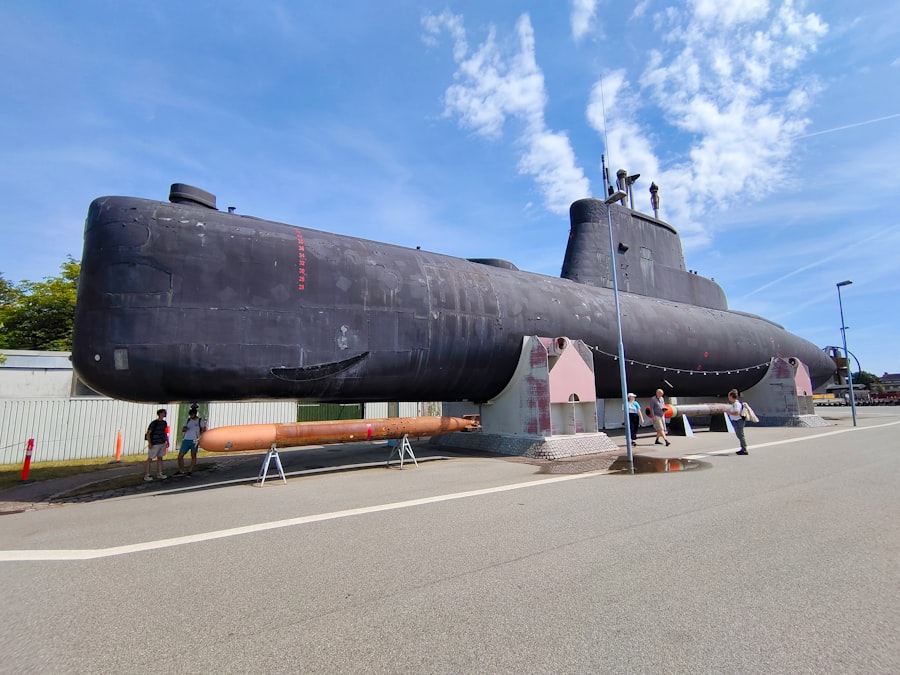
During the Cold War, the nuclear torpedo played a crucial role in shaping military strategies on both sides of the Iron Curtain. For the Soviet Union, these weapons were seen as a means to project power and deter aggression from NATO forces. The ability to launch a nuclear torpedo from a submerged platform provided an element of surprise that could be decisive in a conflict scenario.
This capability was particularly important given the emphasis on second-strike capabilities, which aimed to ensure that any initial attack would be met with a devastating response. Conversely, Western military planners recognized the threat posed by Soviet nuclear torpedoes and sought to develop countermeasures. The presence of these weapons influenced naval tactics and prompted investments in anti-submarine warfare technologies.
The strategic calculus surrounding nuclear torpedoes contributed to an arms race that defined the era, as both sides sought to outmaneuver each other in a high-stakes game of deterrence. The implications of this arms race extended beyond military considerations, affecting diplomatic relations and international stability.
The Technical Specifications of the Soviet Nuclear Torpedo
The technical specifications of Soviet nuclear torpedoes reflected a blend of innovation and practicality. These weapons were designed to be launched from various classes of submarines, including ballistic missile submarines (SSBNs) and attack submarines (SSNs). One notable model was the Shkval torpedo, which utilized a unique supercavitating design that allowed it to travel at speeds exceeding 200 knots.
This remarkable speed made it difficult for enemy vessels to intercept or evade an incoming attack. In terms of payload, Soviet nuclear torpedoes were equipped with warheads capable of delivering explosive yields comparable to those of strategic nuclear weapons. This meant that a single torpedo could potentially devastate an entire naval fleet or coastal installation.
The guidance systems employed in these torpedoes were also advanced for their time, utilizing both active and passive sonar technologies to track targets effectively. The combination of speed, power, and precision made Soviet nuclear torpedoes formidable instruments of warfare.
The Impact of the Nuclear Torpedo on Naval Warfare
| Metric | Details |
|---|---|
| Name | T-15 Nuclear Torpedo |
| Type | Nuclear Torpedo |
| Country of Origin | Soviet Union |
| Length | 24 meters (approx.) |
| Diameter | 1.6 meters (approx.) |
| Warhead Type | Thermonuclear |
| Warhead Yield | 100 megatons (estimated) |
| Range | 40-50 kilometers (approx.) |
| Speed | ~50 knots (approx.) |
| Launch Platform | Titan-class submarine (Project 661 Anchar) |
| Purpose | Strategic nuclear strike against coastal cities and naval bases |
The introduction of nuclear torpedoes fundamentally transformed naval warfare strategies and tactics. Their ability to strike from stealthy platforms changed how naval forces approached engagements at sea. Traditional surface combatants had to contend with a new threat that could emerge without warning from beneath the waves, forcing them to adopt more cautious operational protocols.
This shift in dynamics led to an increased emphasis on anti-submarine warfare capabilities among Western navies, as they sought to neutralize the threat posed by Soviet submarines armed with nuclear torpedoes. Moreover, the psychological impact of nuclear torpedoes cannot be overstated. The mere existence of such weapons created an atmosphere of fear and uncertainty among naval commanders and political leaders alike.
The potential for catastrophic loss of life and destruction influenced decision-making processes during crises, often leading to heightened tensions between superpowers. As naval engagements became more complex and fraught with risk, the role of nuclear torpedoes underscored the importance of maintaining robust intelligence and surveillance capabilities.
The Soviet Union’s Nuclear Submarine Fleet
The Soviet Union’s nuclear submarine fleet was a testament to its commitment to maritime power projection during the Cold War. By the 1980s, this fleet had grown significantly, comprising various classes of submarines designed for different operational roles. The Typhoon-class submarines, for instance, were among the largest ever built and were equipped with intercontinental ballistic missiles (ICBMs), while attack submarines like the Akula-class were designed for anti-surface and anti-submarine warfare missions.
This diverse fleet allowed the Soviet Navy to maintain a continuous presence in key maritime regions, challenging Western naval dominance. The ability to deploy nuclear submarines across vast distances provided strategic flexibility and enabled rapid response capabilities in times of crisis. Furthermore, the integration of nuclear torpedoes into this fleet enhanced its lethality, ensuring that any engagement would carry significant risks for adversaries.
As such, the Soviet submarine fleet became a cornerstone of its military strategy, embodying both deterrence and offensive capabilities.
The Strategic Implications of the Nuclear Torpedo
The strategic implications of nuclear torpedoes extended far beyond their immediate military applications. They represented a shift in how nations viewed naval power and deterrence during the Cold War. For the Soviet Union, these weapons were not merely tools for warfare; they were instruments of statecraft that conveyed strength and resolve on the global stage.
The possession of nuclear torpedoes allowed the Soviets to assert their influence in international waters and challenge U.S. naval supremacy. On a broader scale, the existence of nuclear torpedoes contributed to an environment characterized by mutual assured destruction (MAD).
Both superpowers understood that any conflict involving these weapons could escalate into catastrophic consequences for all parties involved. This understanding created a precarious balance where neither side could afford to underestimate the other’s capabilities or intentions. As such, nuclear torpedoes became emblematic of the complex interplay between military strategy and diplomacy during this tumultuous period.
The Arms Race and the Nuclear Torpedo
The arms race between the United States and the Soviet Union was fueled in part by advancements in nuclear torpedo technology. As each side sought to outpace the other, investments in research and development became paramount. The introduction of new models and enhancements to existing systems led to an escalation in military spending and technological innovation.
This competition extended beyond just torpedoes; it encompassed a wide range of military capabilities, including missile systems, aircraft, and ground forces. The arms race had profound implications for global security dynamics. It fostered an environment where nations felt compelled to continuously upgrade their arsenals, leading to increased tensions and periodic crises.
Diplomatic efforts aimed at arms control often struggled against this backdrop of competition, as both sides remained wary of potential vulnerabilities. The development and deployment of nuclear torpedoes thus played a significant role in shaping not only military strategies but also international relations during this critical period.
The Legacy of the Soviet Nuclear Torpedo
The legacy of the Soviet nuclear torpedo is multifaceted, encompassing technological advancements, strategic lessons learned, and ongoing debates about nuclear proliferation. While these weapons were primarily developed for Cold War scenarios, their existence has had lasting implications for contemporary military thinking. The innovations pioneered during this era laid the groundwork for modern underwater warfare technologies and continue to influence naval strategies worldwide.
Moreover, discussions surrounding nuclear torpedoes have contributed to broader conversations about disarmament and non-proliferation efforts. As nations grapple with the challenges posed by advanced weaponry, lessons from the Cold War era remain relevant today. The need for robust arms control agreements and diplomatic engagement is underscored by historical experiences with nuclear weapons, including those developed by the Soviet Union.
The Dangers and Risks of Nuclear Torpedo Deployment
The deployment of nuclear torpedoes carries inherent dangers that extend beyond their immediate military applications. The potential for accidental launches or miscalculations poses significant risks not only to military personnel but also to civilian populations in proximity to conflict zones. Historical incidents during the Cold War highlight how close both superpowers came to catastrophic outcomes due to misunderstandings or technical failures.
Furthermore, as geopolitical tensions continue to evolve in contemporary times, concerns about rogue states or non-state actors acquiring similar capabilities have emerged. The proliferation of advanced underwater warfare technologies raises questions about global security frameworks and necessitates ongoing vigilance among nations committed to preventing nuclear conflict.
The Nuclear Torpedo in Modern Warfare
In modern warfare, while traditional roles have shifted due to advancements in technology and changes in geopolitical landscapes, the principles underlying nuclear torpedoes remain relevant. Contemporary navies continue to explore ways to integrate advanced weaponry into their arsenals while grappling with ethical considerations surrounding their use. As nations invest in next-generation submarines equipped with sophisticated missile systems and autonomous capabilities, lessons learned from historical developments like those seen with Soviet nuclear torpedoes inform current strategies.
Moreover, as hybrid warfare becomes more prevalent—combining conventional military tactics with cyber operations—the role of underwater assets is likely to evolve further. The legacy of nuclear torpedoes serves as a reminder that while technology may change, the fundamental challenges associated with deterrence and conflict resolution persist in modern military thought. In conclusion, the history and implications surrounding Soviet nuclear torpedoes illustrate their profound impact on naval warfare during the Cold War era and beyond.
From their development as advanced weaponry to their role in shaping military strategies and international relations, these weapons have left an indelible mark on global security dynamics that continues to resonate today.
The development of the Soviet submarine nuclear torpedo marked a significant advancement in underwater warfare technology during the Cold War. For a deeper understanding of the strategic implications and historical context surrounding this innovation, you can read more in the article available at In The War Room. This resource provides valuable insights into the military strategies employed during that era and the impact of such technologies on global security dynamics.
FAQs
What is a Soviet submarine nuclear torpedo?
A Soviet submarine nuclear torpedo was a type of underwater weapon developed by the Soviet Union during the Cold War. It was designed to carry a nuclear warhead and be launched from submarines to target enemy ships or coastal installations.
When were Soviet submarine nuclear torpedoes developed?
These torpedoes were primarily developed during the Cold War era, particularly from the 1950s through the 1980s, as part of the Soviet Union’s strategic naval weapons program.
What was the purpose of Soviet submarine nuclear torpedoes?
The main purpose was to provide the Soviet Navy with a powerful underwater weapon capable of delivering nuclear strikes against enemy naval forces or coastal targets, thereby enhancing deterrence and strategic capabilities.
How did Soviet submarine nuclear torpedoes differ from conventional torpedoes?
Unlike conventional torpedoes that use conventional explosives, Soviet nuclear torpedoes were equipped with nuclear warheads, significantly increasing their destructive power and range. They were also larger and required specialized launch systems.
Were Soviet submarine nuclear torpedoes ever used in combat?
No, Soviet submarine nuclear torpedoes were never used in actual combat. They served primarily as a deterrent during the Cold War and were part of the broader nuclear arms race.
What was the most famous Soviet submarine nuclear torpedo?
One of the most well-known Soviet nuclear torpedoes was the T-15, designed to carry a large nuclear warhead and intended for use against coastal cities or large naval formations.
Are Soviet submarine nuclear torpedoes still in service today?
Most Soviet-era nuclear torpedoes have been retired or decommissioned following arms reduction treaties and changes in military strategy after the Cold War. However, some modern Russian torpedoes may still have nuclear capabilities.
What risks were associated with Soviet submarine nuclear torpedoes?
The risks included accidental detonation, environmental contamination, and escalation of conflicts due to the high destructive power of nuclear weapons. Handling and maintenance required strict safety protocols.
How did international treaties affect Soviet submarine nuclear torpedoes?
Arms control agreements such as the Strategic Arms Reduction Treaty (START) and other nuclear non-proliferation efforts led to reductions in nuclear arsenals, including the decommissioning of many nuclear torpedoes.
Where can I learn more about Soviet submarine nuclear torpedoes?
Information can be found in historical military archives, Cold War naval history books, declassified government documents, and reputable online resources specializing in military technology and history.