The Strait of Hormuz, a narrow waterway connecting the Persian Gulf to the Gulf of Oman, serves as one of the most strategically significant maritime passages in the world. Spanning approximately 21 miles at its narrowest point, this strait is flanked by Iran to the north and Oman and the United Arab Emirates to the south. Its geographical positioning makes it a critical juncture for international shipping, particularly for oil tankers.
The strait has been a focal point of maritime navigation for centuries, but its importance has surged in recent decades due to the global reliance on oil exports from the Middle East. The Strait of Hormuz is not merely a geographical feature; it is a vital artery for global trade and energy supply. Approximately 20% of the world’s oil passes through this narrow passage, underscoring its significance in the context of energy security.
The strait’s role in facilitating the flow of oil from major producers like Saudi Arabia, Iraq, and Iran to markets in Asia, Europe, and beyond cannot be overstated. As such, any disruption in this region can have far-reaching implications for global economies and energy markets.
Key Takeaways
- The Strait of Hormuz is a critical chokepoint for global oil supply, with a significant portion of the world’s oil passing through it.
- Geopolitical tensions in the region frequently threaten the security and stability of oil transportation via the strait.
- Disruptions or conflicts in the Strait of Hormuz can lead to sharp increases in global oil prices and supply uncertainties.
- Various strategies and international efforts are in place to ensure safe navigation and minimize risks in the strait.
- Exploring alternative oil transportation routes and addressing environmental concerns are key to managing future challenges in the region.
Importance of the Strait of Hormuz in Global Oil Supply
The Strait of Hormuz is often referred to as the “jugular vein” of the global oil supply due to its pivotal role in transporting crude oil from the Persian Gulf to international markets. The sheer volume of oil that transits through this strait is staggering; estimates suggest that around 18 million barrels of oil are shipped daily through these waters. This figure represents a significant portion of the world’s daily oil consumption, highlighting the strait’s critical importance in maintaining energy supplies.
The implications of this dependency are profound. For countries heavily reliant on oil imports, such as Japan, South Korea, and many European nations, the stability of oil supply routes through the Strait of Hormuz is paramount. Any disruption—be it due to geopolitical tensions, military conflicts, or natural disasters—can lead to immediate and severe consequences for global oil prices and availability.
The strait’s significance extends beyond mere transportation; it is a linchpin in the intricate web of global energy security.
Geopolitical Tensions and the Strait of Hormuz
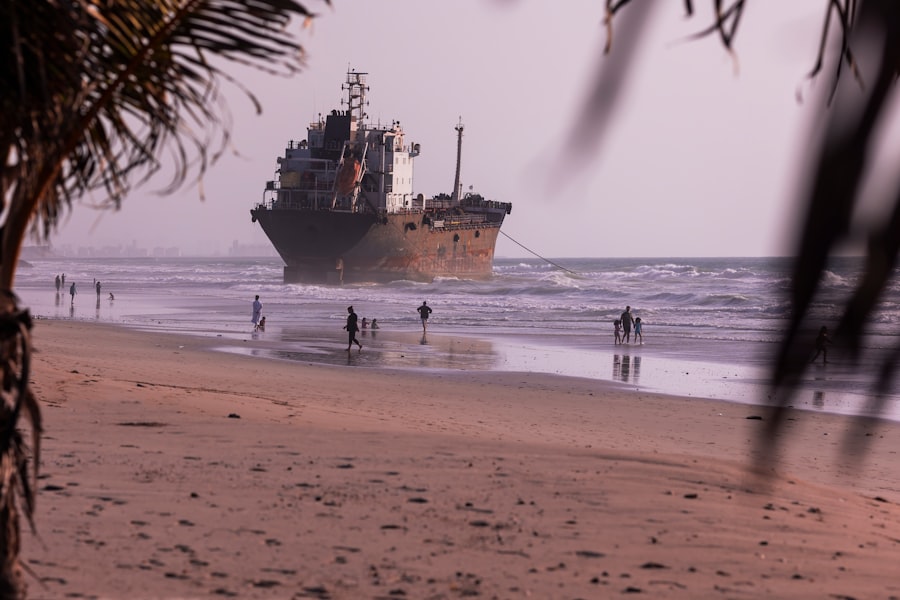
Geopolitical tensions surrounding the Strait of Hormuz have been a persistent issue, often exacerbated by regional rivalries and international interests. The strait has been a flashpoint for conflicts involving Iran, which has historically asserted its influence over this vital waterway. The Iranian government has threatened to close the strait in response to perceived threats from foreign powers, particularly the United States and its allies.
Such threats have raised alarms among nations that depend on this route for their energy needs. The geopolitical landscape surrounding the Strait of Hormuz is further complicated by the presence of military forces from various countries in the region. The United States maintains a significant naval presence in the Persian Gulf, aimed at ensuring freedom of navigation and deterring potential threats from Iran.
This military posture has led to a delicate balance of power, where any miscalculation or aggressive action could escalate into broader conflict. The strait thus remains a focal point for international diplomacy and military strategy, with implications that extend far beyond its immediate geographic confines.
Impact of Navigating the Strait of Hormuz on Oil Prices
Navigating the Strait of Hormuz has direct implications for global oil prices, which are sensitive to any perceived risks associated with this critical passage. When tensions rise or incidents occur—such as attacks on oil tankers or military confrontations—market participants react swiftly, often leading to spikes in oil prices. The fear of supply disruptions can trigger panic buying and speculative trading, resulting in price volatility that affects consumers and businesses worldwide.
Moreover, the impact on oil prices is not limited to immediate crises; it can also have long-term effects on investment decisions within the energy sector. Companies may reconsider their exploration and production strategies based on perceived risks associated with transporting oil through the Strait of Hormuz. This can lead to shifts in supply dynamics, influencing global energy markets for years to come.
Thus, understanding the relationship between navigation through this strait and oil pricing is crucial for stakeholders across the energy spectrum.
Strategies for Navigating the Strait of Hormuz
| Metric | Value | Unit | Notes |
|---|---|---|---|
| Daily Oil Transit Volume | 17.2 | Million Barrels per Day (Mbpd) | Approximate average volume passing through the Strait |
| Percentage of Global Seaborne Oil Trade | 20% | Percent | Share of global seaborne oil trade passing through the Strait |
| Length of Strait | 39 | Kilometers | Distance between the Persian Gulf and Gulf of Oman |
| Width at Narrowest Point | 33.6 | Kilometers | Width of the Strait at its narrowest navigable point |
| Number of Tankers Passing Daily | 21 | Tankers | Average number of oil tankers transiting daily |
| Countries Dependent on Strait | ~40 | Countries | Number of countries relying on oil transported through the Strait |
| Strategic Importance Ranking | 1 | Rank | Considered the world’s most critical oil chokepoint |
Given its strategic importance and associated risks, navigating the Strait of Hormuz requires careful planning and strategic foresight. Shipping companies often employ various strategies to mitigate risks while ensuring safe passage through these waters. One common approach involves utilizing convoy systems, where multiple vessels travel together under naval protection.
This not only enhances security but also deters potential attacks by creating a formidable presence in the strait. In addition to convoy systems, shipping companies may also invest in advanced navigation technologies and real-time intelligence gathering to monitor potential threats. By staying informed about geopolitical developments and maritime security conditions, companies can make informed decisions about routing and timing their shipments.
Furthermore, some operators may choose to employ armed security personnel aboard their vessels as an additional layer of protection against piracy or hostile actions.
Environmental Concerns in the Strait of Hormuz
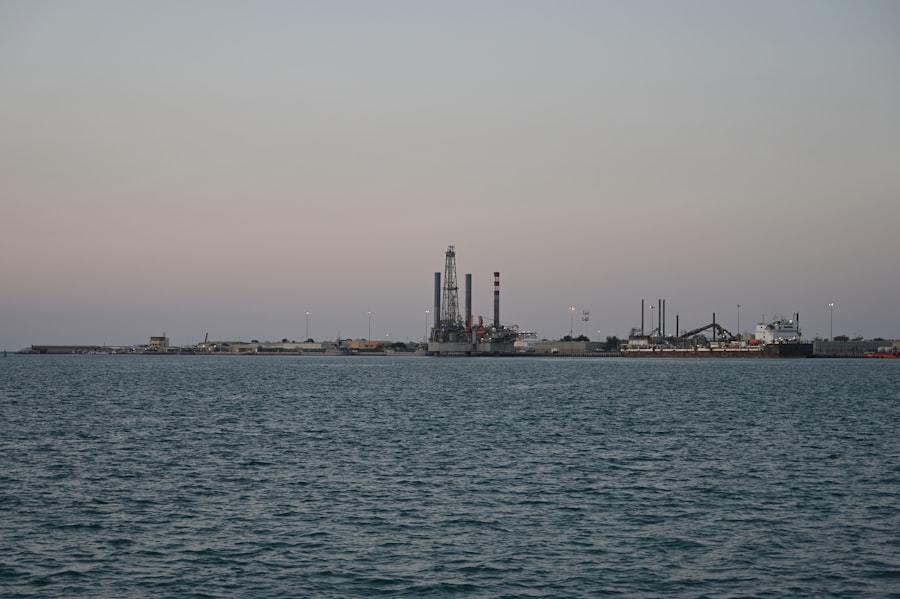
While the geopolitical and economic dimensions of the Strait of Hormuz are often highlighted, environmental concerns also play a crucial role in discussions about this vital waterway. The strait’s waters are home to diverse marine ecosystems that could be severely impacted by oil spills or other forms of pollution resulting from maritime activities. The potential for environmental degradation poses significant risks not only to local wildlife but also to regional economies that depend on fishing and tourism.
Moreover, increased military activity in the region raises concerns about its impact on marine life and habitats. Naval exercises and military confrontations can disrupt delicate ecosystems, leading to long-term consequences for biodiversity in the area. As awareness of environmental issues grows globally, there is an increasing call for sustainable practices in navigating the Strait of Hormuz, emphasizing the need for balancing economic interests with ecological preservation.
International Efforts to Ensure Safe Passage through the Strait of Hormuz
Recognizing the strategic importance of the Strait of Hormuz, various international efforts have been initiated to ensure safe passage through this critical waterway. Multinational coalitions have been formed to enhance maritime security and deter potential threats to shipping lanes. These coalitions often involve naval forces from countries around the world working together to monitor activities in the strait and respond swiftly to any incidents that may arise.
In addition to military cooperation, diplomatic efforts play a vital role in maintaining stability in the region. International organizations and forums provide platforms for dialogue among nations with vested interests in ensuring freedom of navigation through the Strait of Hormuz. These discussions aim to address underlying tensions and promote collaborative approaches to security challenges, fostering an environment conducive to safe maritime operations.
Potential Disruptions to Oil Supply in the Event of a Crisis in the Strait of Hormuz
The potential for disruptions to oil supply due to crises in the Strait of Hormuz is a pressing concern for global markets. In scenarios where military conflict escalates or significant geopolitical tensions arise, shipping routes could be compromised, leading to immediate shortages in oil supply. Such disruptions would not only affect countries reliant on Middle Eastern oil but could also trigger a ripple effect throughout global economies.
The consequences of a crisis in this region extend beyond immediate supply shortages; they can also lead to long-term shifts in energy policies worldwide. Nations may seek alternative sources of energy or invest more heavily in renewable technologies as a response to vulnerabilities exposed by disruptions in traditional supply routes. This could reshape global energy dynamics and accelerate transitions toward more sustainable energy systems.
Alternative Routes for Oil Transportation to Avoid the Strait of Hormuz
In light of ongoing tensions surrounding the Strait of Hormuz, some countries have begun exploring alternative routes for oil transportation that bypass this critical chokepoint. One such option is utilizing pipelines that transport crude oil overland or through less contentious maritime routes. For instance, pipelines connecting Gulf states directly to ports outside the strait can provide a more secure means of transporting oil without relying on vulnerable maritime passages.
Additionally, advancements in technology have enabled some nations to develop infrastructure that supports alternative shipping routes. These developments not only enhance energy security but also reduce dependence on traditional chokepoints like the Strait of Hormuz. However, while alternative routes may offer solutions to mitigate risks, they also come with their own set of challenges related to cost, feasibility, and geopolitical considerations.
Future Challenges and Opportunities for Navigating the Strait of Hormuz
As global energy demands continue to evolve, navigating the Strait of Hormuz will present both challenges and opportunities for stakeholders involved in oil transportation. One significant challenge lies in addressing ongoing geopolitical tensions that threaten stability in this region.
Conversely, opportunities exist for enhancing cooperation among nations with vested interests in ensuring safe passage through this vital waterway. Collaborative efforts aimed at promoting dialogue and understanding can help mitigate tensions and foster an environment conducive to secure maritime operations. Additionally, advancements in technology may offer innovative solutions for improving navigation safety while minimizing environmental impacts.
The Importance of Safeguarding the Strait of Hormuz for Global Energy Security
In conclusion, safeguarding the Strait of Hormuz is paramount for ensuring global energy security amidst an increasingly complex geopolitical landscape. As one of the world’s most critical maritime passages for oil transportation, any disruption within this strait can have profound implications for economies worldwide. The interplay between geopolitical tensions, environmental concerns, and international efforts underscores the need for collaborative approaches aimed at maintaining stability in this vital region.
As stakeholders navigate future challenges associated with this strategic waterway, it is essential to prioritize both security measures and sustainable practices that protect marine ecosystems while facilitating safe passage for vessels. By fostering cooperation among nations and investing in innovative solutions, it is possible to safeguard not only the Strait of Hormuz but also the broader framework of global energy security that relies on its continued functionality as a key conduit for oil transportation.
The Strait of Hormuz is a critical chokepoint for global oil supply, with a significant percentage of the world’s oil passing through this narrow waterway.