Naval mines are underwater explosive devices that have served as a fundamental element of maritime warfare throughout modern military history. These weapons are engineered to detonate when triggered by contact with a vessel or through proximity sensors, and can be deployed in multiple configurations depending on tactical requirements. Naval mines serve three primary strategic functions: area denial to restrict enemy naval movement, psychological warfare to deter maritime operations, and direct combat effectiveness against enemy vessels.
The development and application of naval mine technology has undergone substantial evolution, incorporating advances in electronics, materials science, and detonation systems to adapt to contemporary naval combat requirements. The Persian Gulf region exemplifies the strategic importance of naval mines due to ongoing geopolitical conflicts and the area’s critical position in international petroleum shipping routes. The Persian Gulf’s geographic characteristics create optimal conditions for naval mine deployment and effectiveness.
The region features narrow waterways, particularly the Strait of Hormuz, combined with shallow coastal waters and high-density commercial shipping traffic. These conditions limit naval maneuverability and increase the tactical advantage provided by mine warfare systems. Regional military forces have incorporated naval mines as a standard component of their defensive and offensive maritime strategies during multiple conflicts.
Analysis of naval mine deployment patterns, technological specifications, tactical implementation, and strategic consequences in the Persian Gulf provides essential insight into modern naval warfare doctrine and regional security dynamics.
Key Takeaways
- Naval mines have played a significant role in Persian Gulf warfare, influencing naval strategies and operations.
- Various types of naval mines, including contact, influence, and drifting mines, have been deployed in the region.
- Detection and avoidance techniques are critical for naval forces to mitigate the threat posed by mines.
- Countermeasures and international regulations aim to control the use and impact of naval mines in the Persian Gulf.
- Emerging technologies are shaping the future development and deployment of naval mines in the region.
History of Naval Mines in Persian Gulf Warfare
The history of naval mines in the Persian Gulf can be traced back to the early 20th century, but their use became particularly pronounced during the Iran-Iraq War in the 1980s. Both nations employed mines extensively as a means of disrupting maritime trade and asserting control over strategic waterways. The conflict saw the introduction of various mine types, including contact mines and influence mines, which were designed to detonate based on specific triggers such as pressure or magnetic fields.
This period marked a significant evolution in mine warfare, as both sides recognized the potential of these devices to inflict damage on enemy vessels while simultaneously protecting their own maritime interests. In subsequent conflicts, such as the Gulf War in 1991 and the more recent tensions involving Iran and its neighbors, naval mines have continued to play a pivotal role. The U.S.
Navy and coalition forces faced significant challenges in navigating mine-laden waters, leading to extensive mine-clearing operations. The historical use of naval mines in these conflicts highlights their effectiveness as a deterrent and a means of asymmetric warfare, allowing smaller nations to challenge larger naval powers by leveraging the element of surprise and the inherent risks associated with minefields.
Types of Naval Mines Used in Persian Gulf
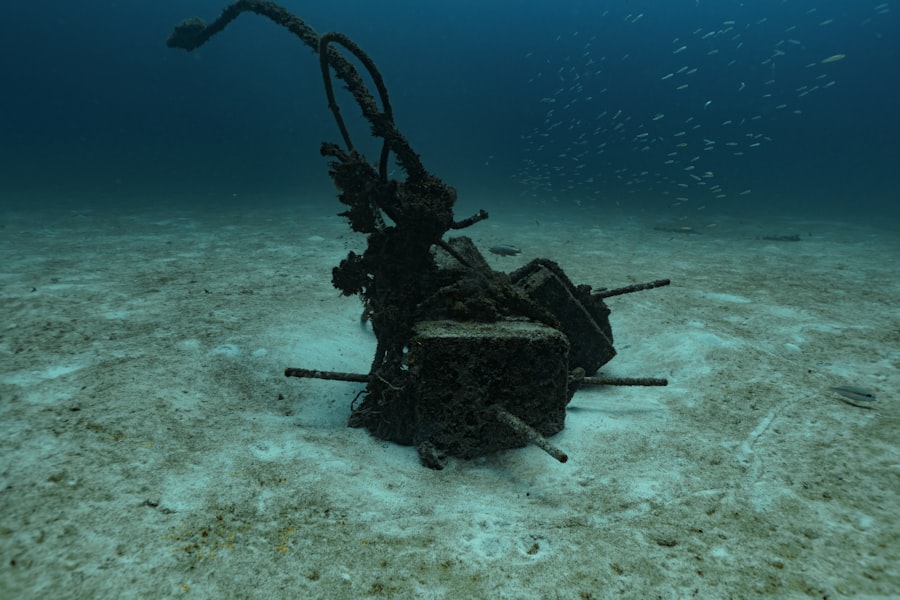
The Persian Gulf has witnessed the deployment of various types of naval mines, each designed for specific tactical purposes. Among the most common are contact mines, which detonate upon physical contact with a vessel. These mines are often anchored to the seabed and can be deployed in clusters to create dense minefields that pose significant threats to unsuspecting ships.
Additionally, influence mines have gained prominence due to their ability to detonate based on specific environmental factors such as pressure changes or magnetic fields generated by passing vessels. This type of mine is particularly insidious, as it can remain dormant until triggered by an approaching ship. Another category includes drifting mines, which are designed to float with ocean currents and can be difficult to detect and avoid.
These mines can be deployed from surface vessels or aircraft and are particularly effective in creating uncertainty for naval operations. The diversity of mine types used in the Persian Gulf underscores the strategic thinking behind their deployment; each type serves a unique purpose in shaping the battlefield and complicating enemy navigation.
Tactics for Deploying Naval Mines in the Persian Gulf
The tactics employed for deploying naval mines in the Persian Gulf are as varied as the types of mines themselves. One common strategy involves laying minefields in chokepoints or narrow straits where naval traffic is concentrated. By targeting these critical junctures, nations can effectively disrupt maritime trade routes and exert control over vital shipping lanes.
The Strait of Hormuz, for instance, has been a focal point for mine deployment due to its significance in global oil transportation. By placing mines in this area, nations can threaten not only military vessels but also commercial shipping, thereby amplifying the psychological impact on international trade. Another tactic involves using deception and surprise to enhance the effectiveness of mine deployment.
Nations may employ decoys or misinformation campaigns to mislead enemy forces about the location and extent of minefields. This approach can create confusion and hesitation among naval commanders, increasing the likelihood of accidental detonations or damage to vessels that venture into mined waters. Additionally, rapid deployment methods using aircraft or small boats allow for quick adjustments to minefield configurations, making it challenging for adversaries to respond effectively.
Detection and Avoidance of Naval Mines
| Metric | Value | Description |
|---|---|---|
| Number of Naval Mines Deployed | Thousands | Estimated total naval mines laid in the Persian Gulf during conflicts |
| Mine Types | Contact, Influence (Magnetic, Acoustic, Pressure) | Common types of naval mines used in Persian Gulf warfare |
| Minefield Locations | Strait of Hormuz, Khawr Abd Allah Waterway | Strategic chokepoints where mines were heavily deployed |
| Effectiveness Rate | 30-40% | Estimated percentage of naval vessels affected or deterred by mines |
| Countermeasure Tactics | Mine Sweeping, Mine Hunting, Electronic Countermeasures | Techniques used to detect and neutralize naval mines |
| Impact on Shipping | Significant Delays and Rerouting | Effect of mine warfare on commercial and military shipping lanes |
| Duration of Mine Warfare | 1980s – 2000s | Period during which naval mines were extensively used in the Persian Gulf |
Detecting and avoiding naval mines is a complex challenge that requires advanced technology and strategic planning. Various methods have been developed over the years to locate these hidden threats, including sonar systems, remotely operated vehicles (ROVs), and specialized mine-hunting vessels equipped with advanced sensors. Sonar technology plays a crucial role in identifying submerged mines by emitting sound waves that bounce off objects on the seabed, allowing operators to create detailed maps of potential minefields.
Despite advancements in detection technology, avoiding naval mines remains a daunting task for naval forces operating in the Persian Gulf. The shallow waters and complex underwater topography can obscure mines from detection systems, making it essential for vessels to navigate cautiously. Additionally, environmental factors such as currents and sediment can affect sonar performance, further complicating detection efforts.
As a result, naval commanders must rely on a combination of technology, intelligence gathering, and experience to minimize risks while operating in potentially mined waters.
Impact of Naval Mines on Naval Operations in the Persian Gulf
The presence of naval mines significantly impacts naval operations in the Persian Gulf by altering strategic calculations and operational planning. For one, the threat posed by mines necessitates extensive reconnaissance and intelligence-gathering efforts before any military engagement can occur. Naval forces must allocate resources for mine detection and clearance operations, diverting attention from other critical missions such as power projection or amphibious assaults.
Moreover, the psychological impact of mines cannot be underestimated. The fear of encountering a mine can lead to cautious navigation practices among naval commanders, potentially delaying operations or forcing changes in tactics. This psychological deterrent can be particularly effective against larger naval forces that may be less willing to risk valuable assets in mined waters.
Consequently, the presence of naval mines can shift the balance of power in regional conflicts, allowing smaller nations to exert influence over larger adversaries through asymmetric warfare strategies.
Countermeasures Against Naval Mines in the Persian Gulf
In response to the persistent threat posed by naval mines, various countermeasures have been developed to enhance maritime safety and operational effectiveness. One primary approach involves deploying specialized mine countermeasure vessels (MCMVs) equipped with advanced sonar systems and robotic technologies designed for mine detection and neutralization. These vessels play a crucial role in clearing safe passageways for larger naval ships while minimizing risks associated with mine encounters.
Additionally, advancements in unmanned systems have revolutionized counter-mine operations. Remotely operated vehicles (ROVs) and autonomous underwater vehicles (AUVs) are increasingly being utilized for mine detection and neutralization tasks. These technologies allow for safer operations by keeping personnel at a distance from potential threats while providing real-time data on underwater conditions.
Furthermore, training exercises focused on mine countermeasures are essential for ensuring that naval personnel are prepared to respond effectively when faced with mined environments.
International Laws and Regulations on the Use of Naval Mines in the Persian Gulf
The use of naval mines is governed by various international laws and regulations aimed at mitigating their impact on civilian shipping and ensuring compliance with humanitarian principles during armed conflict. The United Nations Convention on Certain Conventional Weapons (CCW) includes protocols addressing the use of landmines and explosive remnants of war, which extend to naval mines as well. These regulations emphasize the need for parties involved in conflicts to take precautions against indiscriminate harm to civilians and civilian infrastructure.
In addition to international treaties, regional agreements may also influence how nations deploy naval mines within the Persian Gulf. The complex geopolitical landscape necessitates adherence to established norms while balancing national security interests. Violations of these laws can lead to international condemnation and potential repercussions from other states or organizations concerned about maritime security.
Case Studies of Naval Mines in Persian Gulf Warfare
Several notable case studies illustrate the impact of naval mines on warfare in the Persian Gulf. One significant example occurred during the Iran-Iraq War when both nations extensively employed mines to disrupt each other’s maritime operations. The Iranian Navy laid numerous minefields along shipping routes used by Iraqi vessels, leading to significant losses for Iraq’s merchant fleet.
This tactic not only hindered Iraq’s ability to transport goods but also sent a clear message regarding Iran’s willingness to escalate hostilities. Another case study involves Operation Desert Storm during the Gulf War when coalition forces faced challenges posed by Iraqi-laid mines in Kuwaiti waters. The U.S.-led coalition conducted extensive mine-clearing operations before launching amphibious assaults aimed at liberating Kuwait from Iraqi occupation.
The successful clearance of these minefields was crucial for ensuring safe passage for coalition forces while minimizing risks associated with potential mine encounters.
Future Developments and Technologies in Naval Mines for the Persian Gulf
As technology continues to advance rapidly, future developments in naval mines are likely to reshape their role in warfare within the Persian Gulf region. Innovations such as smart mines equipped with advanced sensors and communication capabilities may enhance their effectiveness while complicating detection efforts for adversaries. These smart mines could potentially adapt their behavior based on environmental conditions or target profiles, making them more challenging to neutralize.
Moreover, advancements in artificial intelligence (AI) could lead to more sophisticated mine deployment strategies that optimize placement based on real-time data analysis. As nations seek to maintain maritime security amidst evolving threats, investing in research and development related to naval mine technologies will remain a priority.
The Role of Naval Mines in Persian Gulf Warfare
In conclusion, naval mines have played an integral role in shaping warfare dynamics within the Persian Gulf region throughout history. Their strategic deployment has allowed nations to exert influence over critical maritime routes while posing significant challenges for larger naval forces operating in contested waters.
The ongoing geopolitical tensions within the Persian Gulf ensure that naval mines will remain relevant tools of warfare for years to come.
As nations navigate this intricate landscape marked by competing interests and security concerns, the legacy of naval mines will undoubtedly continue to shape maritime strategies well into the future.
In recent discussions about naval warfare tactics in the Persian Gulf, the strategic use of naval mines has emerged as a critical topic. For a deeper understanding of these tactics and their implications, you can read more in the article available at In the War Room. This resource provides valuable insights into the evolving nature of maritime conflict and the role of mines in shaping naval engagements in this strategically vital region.
FAQs
What are naval mines and how are they used in the Persian Gulf?
Naval mines are explosive devices placed in water to damage or destroy surface ships or submarines. In the Persian Gulf, they have been used extensively as a strategic tool to control maritime routes, restrict enemy movement, and protect coastlines during conflicts.
Why are naval mines significant in Persian Gulf warfare tactics?
The Persian Gulf is a narrow and strategically vital waterway with heavy commercial and military traffic. Naval mines are significant because they can effectively block or threaten key shipping lanes, disrupt oil exports, and impose economic and military pressure without direct confrontation.
What types of naval mines are commonly deployed in the Persian Gulf?
Various types of naval mines have been used in the Persian Gulf, including contact mines that detonate upon physical contact, influence mines triggered by magnetic, acoustic, or pressure signatures of ships, and moored mines anchored to the seabed at specific depths.
How do naval mines impact naval operations in the Persian Gulf?
Naval mines pose a constant threat to both military and commercial vessels, requiring extensive mine countermeasure operations. They can delay or reroute shipping, increase operational risks, and necessitate the use of specialized mine-sweeping and mine-hunting vessels.
What countermeasures are employed against naval mines in the Persian Gulf?
Countermeasures include mine detection and clearance using specialized ships, underwater drones, and helicopters equipped with sonar and neutralization devices. Navies also use intelligence and surveillance to identify mine-laying activities and deploy protective measures for critical maritime routes.
Have naval mines been used in recent conflicts in the Persian Gulf?
Yes, naval mines have been used in various conflicts and tensions in the Persian Gulf, including during the Iran-Iraq War in the 1980s and more recent incidents involving attacks on commercial shipping. Their use continues to influence regional security dynamics.
What challenges do naval mines present to maritime security in the Persian Gulf?
Naval mines create persistent hazards that complicate navigation, increase the risk of accidental detonations, and require significant resources for detection and clearance. Their presence can escalate tensions and disrupt global energy supplies due to the Gulf’s role as a major oil transit route.