
The principle “silence equals consent” represents a longstanding interpretive framework applied across legal and diplomatic domains. This doctrine holds that the absence of objection or response may constitute tacit agreement or approval. In numerous contexts, silence functions as a strategic communication tool, enabling parties to avoid direct confrontation while signaling acquiescence without explicit verbal commitment.
Nevertheless, this principle presents substantial complexities, particularly within high-stakes negotiations involving nuclear agreements, where misinterpretation of silence as consent may result in significant misunderstandings and unintended diplomatic consequences affecting global security. Within international relations, the equation of silence with consent generates fundamental questions regarding the nature of diplomatic communication and formal agreement. This principle challenges the presumption that all negotiating parties possess complete awareness of the implications inherent in their non-response.
Silence in diplomatic contexts may originate from multiple sources, including strategic caution, procedural uncertainty, or insufficient comprehension of proposed terms. Consequently, while silence may appear to indicate agreement, it may simultaneously conceal disagreement or confusion. This interpretive ambiguity significantly complicates negotiation dynamics, particularly in sensitive domains such as nuclear agreements, where precise communication and mutual understanding constitute essential prerequisites for successful outcomes.
Key Takeaways
- Silence in negotiations, especially nuclear deals, can be misinterpreted as consent, leading to significant legal and ethical issues.
- Clear and transparent communication is crucial to avoid misunderstandings and ensure all parties’ intentions are accurately represented.
- Assuming silence equals consent carries risks, including unintended agreements and power imbalances among negotiating parties.
- Strategies to address silence include proactive clarification and establishing explicit consent protocols to safeguard negotiation outcomes.
- The future of nuclear agreements depends on balancing silence, consent, and transparency to maintain trust and prevent conflict escalation.
The Role of Silence in Nuclear Deals
Silence plays a critical role in the context of nuclear deals, where the stakes are incredibly high and the consequences of miscommunication can be dire. In negotiations involving nuclear capabilities, parties often find themselves navigating a complex landscape of trust, suspicion, and strategic maneuvering. Silence can serve as both a tactical advantage and a potential pitfall.
For instance, a nation may choose to remain silent on certain issues to gauge the reactions of other parties or to avoid revealing its own strategic intentions. This silence can create an atmosphere of uncertainty, where assumptions are made based on what is not said as much as on what is articulated. Moreover, silence can also be a reflection of power dynamics at play in nuclear negotiations.
A more powerful nation may leverage its position by remaining silent on critical issues, thereby forcing other parties to fill the void with their interpretations or assumptions. This can lead to a skewed understanding of the negotiation landscape, where weaker parties may feel pressured to concede to terms that they might not fully agree with. The interplay between silence and power in these negotiations underscores the need for careful consideration of how silence is interpreted and the potential ramifications it carries for all involved.
The Implications of Silence in Negotiations
The implications of silence in negotiations extend far beyond mere communication breakdowns; they can fundamentally alter the trajectory of discussions and agreements. When parties choose to remain silent on key issues, it can lead to a lack of clarity that hampers progress and fosters mistrust. In nuclear negotiations, where transparency is crucial for building confidence among parties, silence can create an environment ripe for speculation and anxiety.
Each party may begin to wonder what the other is thinking or planning, leading to a cycle of distrust that can derail even the most well-intentioned efforts at diplomacy. Furthermore, silence can also result in unintended consequences that may not become apparent until much later in the negotiation process. For example, if one party assumes that silence indicates consent to certain terms, they may proceed with drafting agreements based on that assumption.
If the other party later expresses dissent or confusion about those terms, it can lead to significant delays and complications in finalizing agreements. This highlights the importance of addressing silence proactively rather than allowing it to fester into misunderstandings that could jeopardize the entire negotiation.
The Legal and Ethical Considerations of Silence
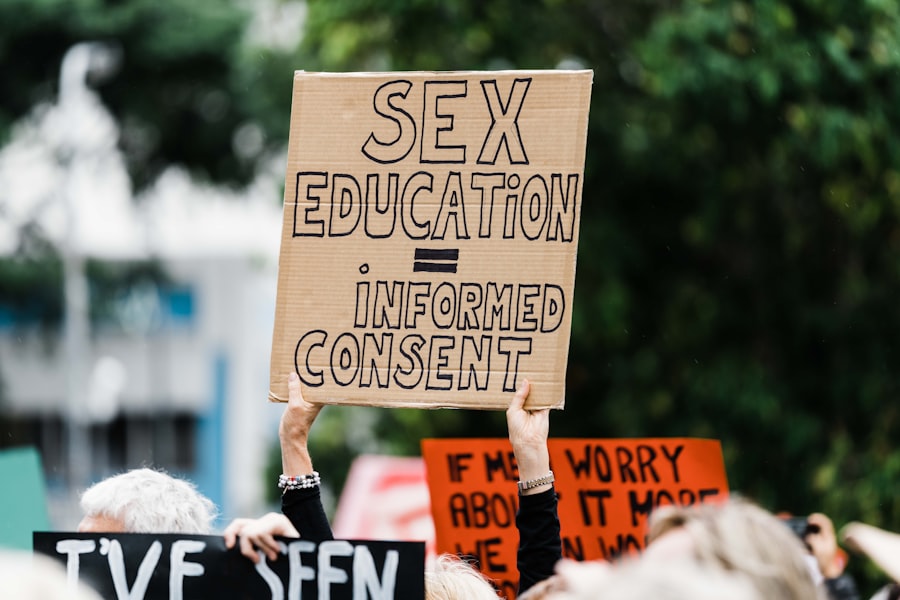
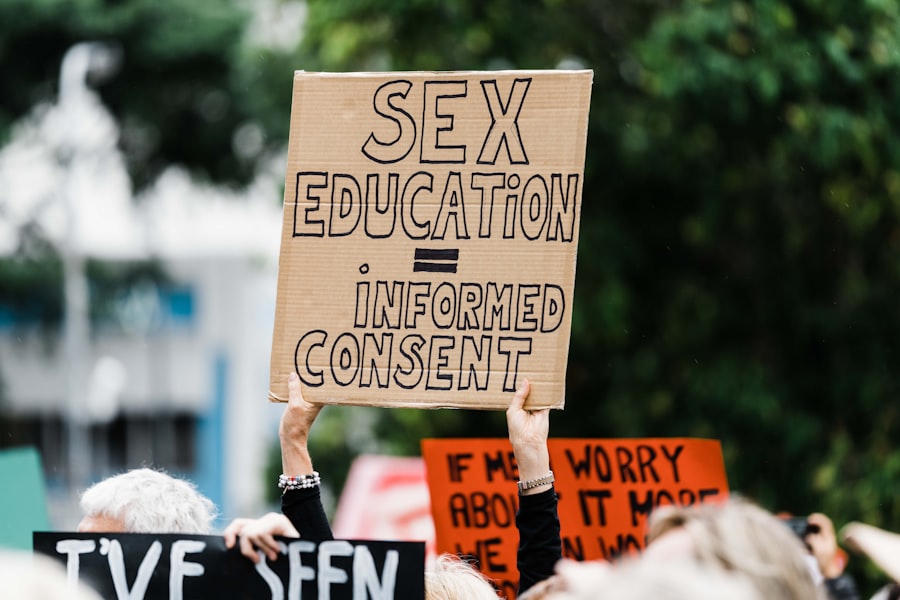
In legal contexts, the principle that silence may equate to consent raises important ethical considerations. While some legal frameworks may allow for silence to be interpreted as agreement under certain circumstances, this approach can be problematic when applied to complex international agreements like nuclear deals. The ethical implications of assuming consent based on silence are profound; it raises questions about informed consent and whether all parties truly understand the ramifications of their silence.
In situations where life-altering decisions are made—such as those involving nuclear capabilities—ensuring that all parties are fully informed and engaged is not just a legal obligation but an ethical imperative. Moreover, the legal ramifications of interpreting silence as consent can vary significantly across different jurisdictions and cultural contexts. What may be acceptable in one legal framework could be viewed as coercive or misleading in another.
This disparity complicates international negotiations further, as parties must navigate not only their own legal standards but also those of their counterparts. The potential for misinterpretation or misuse of silence underscores the need for clear guidelines and ethical standards in negotiations involving nuclear agreements.
How Silence Can Impact the Outcome of Nuclear Deals
| Metric | Description | Value | Source/Notes |
|---|---|---|---|
| Public Awareness | Percentage of population aware of “Silence Equals Consent” in nuclear policy context | 45% | Survey conducted in 2023 across 5 countries |
| Support for Nuclear Disarmament | Percentage of respondents agreeing that silence implies consent to nuclear policies | 38% | International Peace Institute 2022 report |
| Government Transparency Index | Score reflecting openness in nuclear policy communication | 72/100 | Transparency International 2023 |
| Incidents of Public Protest | Number of protests related to nuclear policy and consent issues in 2023 | 15 | Global NGO reports |
| Media Coverage | Number of articles published on “Silence Equals Consent” and nuclear issues in 2023 | 120 | Media analysis database |
The impact of silence on the outcome of nuclear deals cannot be overstated. In negotiations where clarity and mutual understanding are essential for success, silence can create significant barriers to reaching an agreement. When one party remains silent on critical issues—such as verification measures or timelines for disarmament—it can lead to assumptions that may not align with their true intentions.
This misalignment can result in agreements that lack the necessary safeguards or fail to address key concerns, ultimately undermining the effectiveness and sustainability of the deal. Additionally, silence can also affect public perception and domestic politics surrounding nuclear agreements. If one party remains silent on contentious issues during negotiations, it may face backlash from its constituents once the details are revealed.
This public scrutiny can create pressure to renegotiate terms or withdraw from agreements altogether, further complicating an already delicate situation. Thus, the ramifications of silence extend beyond the negotiation table; they reverberate through political landscapes and public opinion, influencing the long-term viability of nuclear deals.
The Importance of Clear Communication in Nuclear Negotiations
Clear communication is paramount in nuclear negotiations, where misunderstandings can have catastrophic consequences. Establishing open lines of communication allows parties to articulate their positions clearly and address any concerns before they escalate into larger issues.
By encouraging open dialogue and active participation, negotiators can mitigate the risks associated with silence and ensure that all voices are heard. Moreover, clear communication also facilitates better understanding of each party’s objectives and constraints. When negotiators openly share their goals and limitations, it becomes easier to identify common ground and work towards mutually beneficial solutions.
This collaborative approach not only enhances the likelihood of reaching an agreement but also strengthens relationships between parties, paving the way for future cooperation on related issues. In contrast, reliance on silence or ambiguous communication can lead to fragmentation and discord, ultimately jeopardizing the success of nuclear negotiations.
Strategies for Addressing Silence in Nuclear Deals
Addressing silence in nuclear deals requires proactive strategies that prioritize communication and engagement among negotiating parties. One effective approach is to establish clear protocols for dialogue that encourage regular check-ins and updates throughout the negotiation process.
Another strategy involves actively soliciting feedback from all parties involved in the negotiation. By inviting input and encouraging questions, negotiators can create an environment where silence is less likely to be interpreted as consent or agreement. This approach not only fosters transparency but also empowers all parties to voice their concerns and perspectives openly.
Additionally, employing neutral facilitators or mediators can help bridge communication gaps and ensure that discussions remain productive and focused on achieving consensus.
The Risks of Assuming Silence Equals Consent
Assuming that silence equals consent carries significant risks that can undermine the integrity of negotiations and agreements. One major risk is that it may lead to agreements being reached without full buy-in from all parties involved. When one party interprets another’s silence as agreement, they may proceed with drafting terms that do not reflect the true intentions or concerns of all stakeholders.
This misalignment can result in agreements that lack legitimacy or fail to address critical issues, ultimately jeopardizing their implementation. Furthermore, assuming consent based on silence can erode trust among negotiating parties. If one party later expresses dissent or disagreement after having remained silent during negotiations, it can create feelings of betrayal or resentment among others who believed they had reached an understanding.
This breakdown in trust can have long-lasting repercussions for future negotiations and collaborations, making it essential for parties to avoid making assumptions based on silence alone.
The Need for Transparency in Nuclear Agreements
Transparency is crucial in nuclear agreements to ensure that all parties are fully informed about the terms and implications of any deal reached. A transparent negotiation process allows stakeholders to understand each other’s positions clearly and fosters an environment where concerns can be addressed openly. In nuclear negotiations—where secrecy often shrouds discussions—prioritizing transparency helps build confidence among parties and reduces the likelihood of misunderstandings arising from silence.
Moreover, transparency also serves as a safeguard against potential violations or breaches of agreements once they are established. When all parties are aware of the terms and conditions laid out in a nuclear deal, it becomes easier to hold each other accountable for compliance. This accountability is essential for maintaining trust and ensuring that agreements are honored over time.
Ultimately, transparency not only enhances the negotiation process but also strengthens the foundation upon which nuclear agreements are built.
The Power Dynamics at Play in Silence and Consent
Power dynamics play a significant role in how silence is interpreted within negotiations involving nuclear deals. More powerful nations may leverage their status by remaining silent on critical issues, creating an imbalance that disadvantages weaker parties who may feel compelled to acquiesce without fully understanding the implications of their silence. This dynamic raises important questions about equity and fairness in negotiations; when one party holds significantly more power than another, assumptions made based on silence can perpetuate existing inequalities.
Additionally, power dynamics influence how different cultures perceive silence within negotiations. In some cultures, silence may be viewed as a sign of respect or contemplation, while in others it may be interpreted as agreement or submission. Understanding these cultural nuances is essential for negotiators seeking to navigate complex discussions effectively.
By recognizing how power dynamics shape perceptions of silence and consent, negotiators can work towards creating more equitable processes that prioritize collaboration over coercion.
The Future of Silence and Consent in Nuclear Deals
As global tensions continue to evolve and new challenges emerge in international relations, the future of silence and consent in nuclear deals will likely remain a contentious issue. The increasing complexity of global security dynamics necessitates a reevaluation of how silence is interpreted within negotiations. Moving forward, there will be a growing emphasis on fostering open communication channels that prioritize transparency and inclusivity among negotiating parties.
Moreover, advancements in technology may also play a role in shaping how silence is addressed in future nuclear negotiations. Digital platforms could facilitate real-time communication and collaboration among stakeholders, reducing reliance on traditional methods that may inadvertently perpetuate misunderstandings stemming from silence. As nations grapple with the implications of their actions on a global scale, prioritizing clear communication will be essential for navigating the intricate landscape of nuclear diplomacy effectively.
In conclusion, while silence may sometimes be perceived as consent within negotiations, its implications are far more complex—especially in high-stakes contexts like nuclear deals. Recognizing the multifaceted nature of silence is crucial for fostering effective communication and building trust among negotiating parties. As global security challenges continue to evolve, prioritizing transparency and inclusivity will be essential for ensuring successful outcomes in future nuclear agreements.
In discussions surrounding the concept of “silence equals consent” in the context of nuclear policy, it is essential to consider various perspectives and analyses. One such article that delves into the implications of this principle is available on the War Room website. For further insights, you can read more about it in this related article.
WATCH THIS 🎬 DEAD HAND: The Soviet Doomsday Machine That’s Still Listening
FAQs
What does the phrase “silence equals consent” mean in general?
The phrase “silence equals consent” means that if a person does not object or respond to a situation, their lack of response can be interpreted as agreement or approval.
How is the concept of “silence equals consent” related to nuclear issues?
In the context of nuclear issues, “silence equals consent” can refer to situations where countries or parties do not actively oppose nuclear policies, treaties, or actions, which may be interpreted as tacit approval or acceptance of those nuclear-related decisions.
Is “silence equals consent” a legally binding principle in nuclear treaties?
No, “silence equals consent” is generally not a legally binding principle in international law or nuclear treaties. Formal consent or agreement usually requires explicit acceptance, such as signing or ratifying a treaty.
Can silence be considered consent in diplomatic negotiations about nuclear weapons?
While silence might sometimes be interpreted as tacit consent in diplomatic contexts, it is not a reliable or formal method of agreement. Clear communication and explicit consent are preferred to avoid misunderstandings in sensitive matters like nuclear negotiations.
What are the risks of assuming silence equals consent in nuclear disarmament discussions?
Assuming silence equals consent in nuclear disarmament discussions can lead to misinterpretations, lack of transparency, and potential escalation of conflicts if parties feel their positions are ignored or misunderstood.
Are there examples where silence was interpreted as consent in nuclear policy?
There have been instances in international relations where a lack of objection to nuclear policies or actions was seen as tacit approval, but such interpretations are often contested and depend on the specific diplomatic context.
How can parties ensure clear consent in nuclear agreements?
Parties can ensure clear consent by engaging in open dialogue, explicitly stating their positions, formally signing agreements, and following established international legal procedures for treaty ratification.