The Cold War, a period of geopolitical tension between the United States and the Soviet Union, spanned from the end of World War II in 1945 until the early 1990s. This era was characterized by a profound ideological divide, with the U.S. championing capitalism and democracy, while the Soviet Union promoted communism and state control.
The rivalry was not merely political; it manifested in an intense arms race, where both superpowers sought to amass vast arsenals of nuclear weapons. This competition was fueled by a mutual distrust and the desire for military superiority, leading to the development of increasingly sophisticated and destructive weaponry. As each side sought to outdo the other, the arms race escalated dramatically.
The United States first demonstrated its nuclear capabilities with the bombings of Hiroshima and Nagasaki in 1945, which marked the dawn of the atomic age. In response, the Soviet Union successfully tested its own atomic bomb in 1949, igniting a fierce competition for nuclear supremacy. The stakes were high; both nations understood that the possession of nuclear weapons could serve as a deterrent against potential aggression.
Consequently, this led to a cycle of testing, development, and stockpiling that would define military strategies for decades to come.
Key Takeaways
- The Cold War era was marked by intense nuclear arms competition and crises like the Cuban Missile Crisis.
- Key treaties such as the Nuclear Non-Proliferation Treaty and SALT aimed to limit nuclear weapons and reduce tensions.
- The Reagan-Gorbachev Summit and subsequent agreements helped ease Cold War hostilities leading to the Soviet Union’s collapse.
- Post-Cold War efforts include the Comprehensive Nuclear-Test-Ban Treaty and START agreements to further control nuclear arsenals.
- Ongoing challenges like the Iran Nuclear Deal and North Korea crisis highlight the need for continued diplomacy to prevent nuclear conflict.
The Cuban Missile Crisis
The Cuban Missile Crisis of October 1962 stands as one of the most critical moments in Cold War history, bringing the world perilously close to nuclear conflict. The crisis began when American reconnaissance flights over Cuba revealed the presence of Soviet nuclear missiles on the island, just 90 miles from Florida. This discovery triggered a tense standoff between President John F.
Kennedy and Soviet Premier Nikita Khrushchev, as both leaders grappled with the implications of a potential nuclear confrontation. The stakes were extraordinarily high, with millions of lives hanging in the balance. In response to the threat, Kennedy implemented a naval blockade around Cuba, aimed at preventing further Soviet shipments of military equipment.
The world watched with bated breath as diplomatic negotiations unfolded amidst the backdrop of military readiness on both sides. Ultimately, after days of intense deliberation and public posturing, a resolution was reached. The Soviets agreed to dismantle their missile sites in Cuba in exchange for a U.S.
commitment not to invade the island and a secret agreement to remove American missiles from Turkey. This resolution not only averted disaster but also marked a turning point in U.S.-Soviet relations, leading to increased dialogue and efforts toward arms control.
The Nuclear Non-Proliferation Treaty
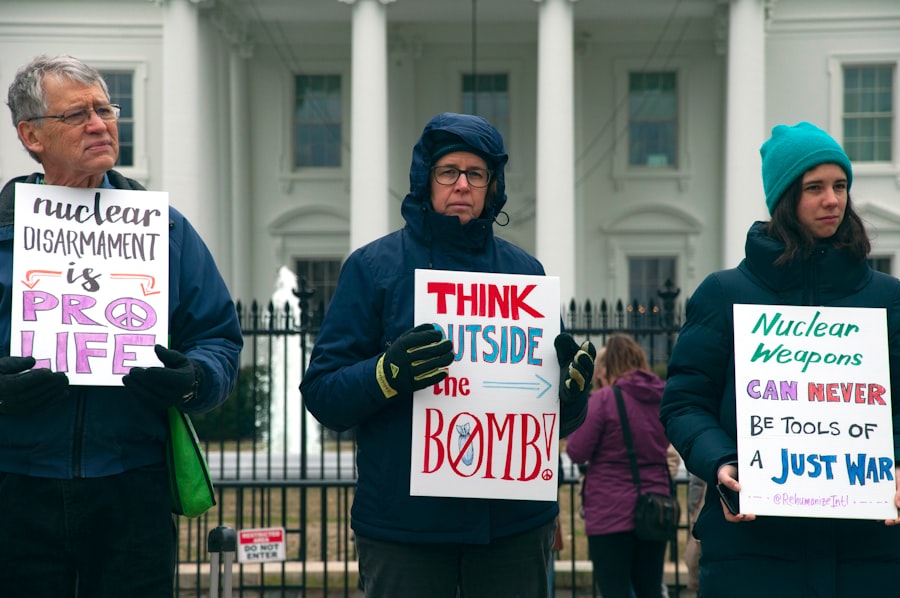
In 1968, the Nuclear Non-Proliferation Treaty (NPT) was opened for signature, representing a significant milestone in global efforts to prevent the spread of nuclear weapons. The treaty aimed to promote peaceful uses of nuclear energy while preventing the proliferation of nuclear weapons beyond the five recognized nuclear-armed states: the United States, Russia (formerly the Soviet Union), China, France, and the United Kingdom.
The NPT has been instrumental in fostering cooperation among nations regarding nuclear technology and energy. It has facilitated numerous agreements and initiatives aimed at reducing nuclear arsenals and promoting disarmament.
Critics argue that the NPT has created a divide between nuclear and non-nuclear states, leading to frustrations among countries that feel marginalized by the existing power dynamics. Despite these challenges, the NPT remains a cornerstone of global efforts to mitigate nuclear threats.
The Strategic Arms Limitation Talks (SALT)
The Strategic Arms Limitation Talks (SALT) were pivotal negotiations between the United States and the Soviet Union aimed at curbing the arms race during the Cold War. Initiated in 1969, these talks sought to establish limits on the number of strategic ballistic missile launchers and other delivery systems. SALT I culminated in 1972 with two key agreements: the Anti-Ballistic Missile (ABM) Treaty and an interim agreement on offensive arms.
These agreements marked a significant step toward stabilizing U.S.-Soviet relations by placing constraints on their respective arsenals. SALT II followed in 1979, building upon the framework established by its predecessor. Although it was never ratified by the U.S.
Senate due to deteriorating relations following the Soviet invasion of Afghanistan, SALT II represented an important effort to address concerns about nuclear proliferation and military escalation. The talks underscored a growing recognition among both superpowers that unchecked arms competition could lead to catastrophic consequences. While SALT did not eliminate nuclear weapons, it laid the groundwork for future arms control negotiations and demonstrated that dialogue could yield tangible results even amidst deep-seated tensions.
The Reagan-Gorbachev Summit
| Year | Event | Description | Impact on Nuclear War Prevention |
|---|---|---|---|
| 1963 | Partial Test Ban Treaty | Prohibited nuclear tests in the atmosphere, outer space, and underwater. | Reduced radioactive fallout and eased Cold War tensions. |
| 1968 | Nuclear Non-Proliferation Treaty (NPT) | Agreement to prevent the spread of nuclear weapons and promote peaceful use of nuclear energy. | Established a global framework to limit nuclear arms proliferation. |
| 1972 | SALT I Treaty | Strategic Arms Limitation Talks agreement between the US and USSR to limit strategic ballistic missile launchers. | Slowed the arms race and promoted dialogue between superpowers. |
| 1987 | INF Treaty | Eliminated all intermediate-range and shorter-range missiles held by the US and USSR. | Reduced nuclear arsenals and increased trust between the two nations. |
| 1996 | Comprehensive Nuclear-Test-Ban Treaty (CTBT) | Prohibited all nuclear explosions for testing purposes. | Strengthened global norm against nuclear testing, though not yet in force. |
| 2010 | New START Treaty | Reduced deployed strategic nuclear warheads and delivery systems between the US and Russia. | Enhanced verification and transparency measures. |
The late 1980s marked a significant thawing in U.S.-Soviet relations, largely attributed to the leadership of President Ronald Reagan and General Secretary Mikhail Gorbachev. Their summits in Geneva (1985), Reykjavik (1986), and Washington D.(1987) were pivotal moments in Cold War diplomacy. At these meetings, both leaders engaged in candid discussions about reducing nuclear arsenals and addressing broader security concerns.
Gorbachev’s willingness to embrace reforms within the Soviet Union and his commitment to arms reduction created an atmosphere conducive to meaningful dialogue. One of the most notable outcomes of their negotiations was the Intermediate-Range Nuclear Forces (INF) Treaty signed in 1987, which eliminated an entire class of nuclear weapons from Europe. This landmark agreement not only reduced tensions but also symbolized a shift toward cooperation rather than confrontation.
The personal rapport developed between Reagan and Gorbachev played a crucial role in fostering trust and understanding between their nations, ultimately contributing to a broader movement toward ending the Cold War.
The end of the Cold War and the collapse of the Soviet Union
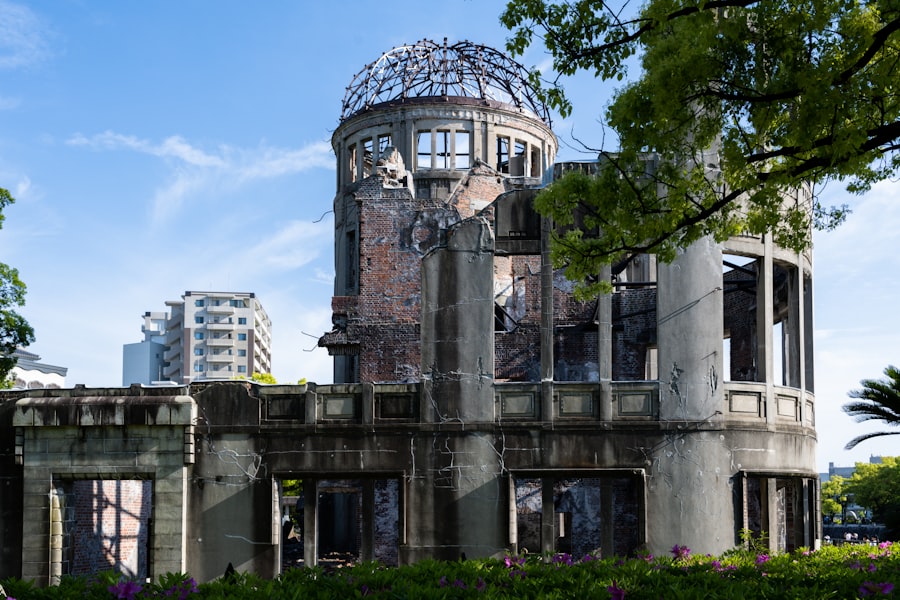
The end of the Cold War was marked by a series of events that culminated in the dissolution of the Soviet Union in December 1991. A combination of internal economic struggles, political reforms initiated by Gorbachev, and rising nationalist movements within Soviet republics contributed to this historic transformation. As Eastern European countries began to break free from Soviet influence in 1989, it became increasingly clear that the ideological battle between communism and capitalism was shifting dramatically.
The collapse of the Berlin Wall in November 1989 symbolized not only the end of division within Germany but also heralded a broader shift toward democracy across Eastern Europe. As communist regimes fell one after another, Gorbachev’s attempts at reform were met with resistance from hardliners within his own government. Ultimately, these internal conflicts led to his resignation and paved the way for Boris Yeltsin’s rise to power in Russia.
The dissolution of the Soviet Union marked not just an end to an era but also raised new questions about global security and nuclear proliferation in a post-Cold War world.
The Comprehensive Nuclear-Test-Ban Treaty
The Comprehensive Nuclear-Test-Ban Treaty (CTBT), opened for signature in 1996, represents a significant international effort to curb nuclear weapons testing worldwide. The treaty aims to establish a global ban on all nuclear explosions, thereby contributing to disarmament efforts and preventing further development of nuclear weapons technology. By prohibiting tests that could lead to advancements in nuclear capabilities, the CTBT seeks to create an environment conducive to disarmament negotiations.
Despite its noble intentions, achieving universal ratification has proven challenging. While many countries have signed and ratified the treaty, several key states—including the United States—have yet to do so. Critics argue that without participation from major nuclear powers, the effectiveness of the CTBT is undermined.
Nevertheless, ongoing efforts continue to promote its acceptance as part of broader disarmament initiatives aimed at reducing global nuclear threats.
The START Treaties
The Strategic Arms Reduction Treaties (START) were landmark agreements between the United States and Russia aimed at reducing their respective nuclear arsenals following the Cold War. START I was signed in 1991 and established significant reductions in deployed strategic warheads and delivery systems over several years. This treaty marked a shift from mere limitations on arms to actual reductions, reflecting a growing recognition that disarmament was essential for global security.
START II followed in 1993 but faced numerous challenges during its implementation due to geopolitical tensions and domestic political opposition within both countries. Although it was never fully realized, START laid important groundwork for subsequent arms control agreements such as New START, signed in 2010. These treaties have continued to facilitate dialogue between Russia and the U.S., emphasizing that even amidst disagreements, cooperation on nuclear disarmament remains vital for international stability.
The Iran Nuclear Deal
The Joint Comprehensive Plan of Action (JCPOA), commonly known as the Iran Nuclear Deal, was reached in 2015 between Iran and six world powers: the United States, United Kingdom, France, Russia, China, and Germany. This agreement aimed to limit Iran’s nuclear program in exchange for relief from economic sanctions that had crippled its economy. By imposing strict limitations on uranium enrichment and establishing rigorous monitoring mechanisms, proponents argued that the deal would prevent Iran from developing nuclear weapons while allowing for peaceful uses of nuclear energy.
However, following President Donald Trump’s withdrawal from the agreement in 2018, tensions escalated once again between Iran and Western powers. Critics of the deal argued that it did not go far enough in addressing Iran’s regional activities or its ballistic missile program. The subsequent re-imposition of sanctions led Iran to gradually step back from its commitments under the JCPOA, raising concerns about potential nuclear proliferation in an already volatile region.
The North Korea Nuclear Crisis
The North Korea Nuclear Crisis has emerged as one of the most pressing security challenges in recent years. North Korea’s pursuit of nuclear weapons capabilities has raised alarms globally due to its unpredictable leadership and aggressive rhetoric. Following its first successful nuclear test in 2006, North Korea continued to develop its arsenal despite international condemnation and sanctions imposed by various countries and organizations.
Efforts to engage North Korea diplomatically have yielded mixed results over time. High-profile summits between North Korean leader Kim Jong-un and U.S. President Donald Trump generated hope for denuclearization but ultimately resulted in little concrete progress toward dismantling North Korea’s nuclear program.
As tensions persist on the Korean Peninsula, concerns remain about potential miscalculations or provocations that could lead to conflict.
Current challenges and future prospects for preventing nuclear war
In today’s complex geopolitical landscape, preventing nuclear war remains an urgent challenge for global leaders and policymakers alike. The proliferation of nuclear weapons technology poses significant risks as new states seek to develop their capabilities while existing powers modernize their arsenals. Additionally, regional conflicts—such as those involving Iran or North Korea—complicate efforts toward disarmament by introducing unpredictable variables into an already volatile equation.
To address these challenges effectively requires renewed commitment from all nations toward dialogue and cooperation on arms control initiatives. Multilateral frameworks like the NPT must be strengthened while ensuring compliance among signatory states through robust verification mechanisms. Furthermore, fostering trust-building measures among nations can help mitigate tensions that could escalate into conflict.
As history has shown time and again, proactive engagement is essential for averting catastrophic outcomes associated with nuclear warfare. By prioritizing diplomacy over confrontation and embracing collaborative approaches toward disarmament efforts globally, there exists hope for a future where nuclear weapons no longer pose an existential threat to humanity.
One significant aspect of nuclear war prevention history is the development of international treaties aimed at reducing the threat of nuclear conflict. A related article that delves into these treaties and their impact can be found at this link. This article explores the historical context and the ongoing efforts to promote global security through diplomatic means.
WATCH THIS 🛑 The Submarine Captain Who Said NO to Nuclear War
FAQs
What is the history of nuclear war prevention?
The history of nuclear war prevention dates back to the Cold War era, when the United States and the Soviet Union developed nuclear arsenals. Efforts to prevent nuclear war included arms control treaties, diplomatic negotiations, and confidence-building measures to reduce the risk of accidental or intentional nuclear conflict.
What were some key treaties in nuclear war prevention?
Key treaties include the Nuclear Non-Proliferation Treaty (NPT) of 1968, the Strategic Arms Limitation Talks (SALT) agreements, the Intermediate-Range Nuclear Forces Treaty (INF) of 1987, and the Strategic Arms Reduction Treaty (START) series. These treaties aimed to limit the number and types of nuclear weapons and promote disarmament.
How did the Cuban Missile Crisis influence nuclear war prevention?
The Cuban Missile Crisis in 1962 was a pivotal moment that brought the world close to nuclear war. Its resolution led to increased communication between the US and USSR, including the establishment of the Moscow-Washington hotline, and spurred efforts to negotiate arms control agreements to prevent future crises.
What role did international organizations play in nuclear war prevention?
International organizations like the United Nations and the International Atomic Energy Agency (IAEA) have played significant roles by promoting nuclear disarmament, monitoring nuclear programs, and facilitating dialogue among nations to reduce nuclear risks.
Have there been any major nuclear war prevention initiatives after the Cold War?
Yes, after the Cold War, initiatives such as the Comprehensive Nuclear-Test-Ban Treaty (CTBT), various nuclear security summits, and renewed arms reduction talks have continued efforts to prevent nuclear war and reduce nuclear arsenals globally.
Why is nuclear war prevention still important today?
Nuclear war prevention remains crucial due to the continued existence of nuclear weapons, geopolitical tensions, and the risk of nuclear proliferation. Preventing nuclear conflict helps ensure global security and stability.