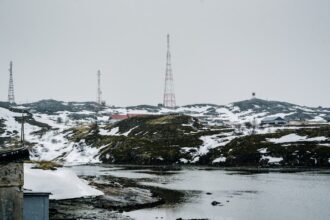
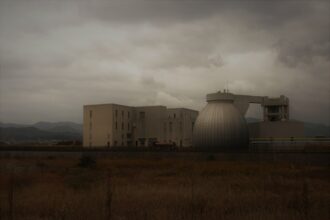
The origins of the SA2 missile sites in Cuba can be traced back to the geopolitical tensions of the early 1960s, a period marked by the Cold War’s escalating rivalry between the United States and the Soviet Union. Cuba, under Fidel Castro’s leadership, sought to align itself with the Soviet bloc following the Cuban Revolution in 1959. This alignment was not merely ideological; it was also a strategic move to counteract the perceived threat from the United States, which had a history of intervention in Cuban affairs.
The establishment of SA2 missile sites was a direct response to the U.S. military presence in the region and its attempts to undermine Castro’s government. As tensions mounted, the Soviet Union recognized the strategic value of deploying missile sites in Cuba.
The SA2, or S-75 Dvina, was a surface-to-air missile system designed to defend against aerial attacks. By placing these missile sites on Cuban soil, the Soviets aimed to create a deterrent against U.S. airstrikes and bolster their influence in Latin America.
This decision was not made lightly; it was a calculated risk that would ultimately lead to one of the most critical moments in Cold War history—the Cuban Missile Crisis.
Key Takeaways
- SA2 missile sites in Cuba were established as a strategic Soviet response during the Cold War, significantly influencing U.S.-Soviet tensions.
- The Cuban Missile Crisis marked a critical moment, highlighting the pivotal role of these missile sites in global nuclear brinkmanship.
- Construction and operation of the SA2 sites involved extensive Soviet-Cuban collaboration, emphasizing their military and political importance.
- The presence of SA2 missile sites in Cuba had lasting effects on diplomatic relations and Cold War policies between the superpowers.
- Today, the SA2 missile sites hold historical and cultural significance, reflecting their enduring legacy and potential future roles in Cuba.
The Cuban Missile Crisis: A Turning Point in the Cold War
The Cuban Missile Crisis of October 1962 stands as a pivotal moment in Cold War history, and the SA2 missile sites played a significant role in this confrontation. As you explore this event, you will see how the discovery of Soviet missiles in Cuba by U.S. reconnaissance flights triggered a 13-day standoff between the two superpowers.
The crisis brought the world to the brink of nuclear war, highlighting the precarious balance of power that defined this era. The presence of SA2 missile sites added an additional layer of complexity to an already tense situation, as they were capable of targeting U.S. aircraft and posed a direct threat to American military operations.
During this period, President John F. Kennedy and his administration faced immense pressure to respond decisively to the Soviet provocation. The SA2 missile sites were not just defensive installations; they represented a bold assertion of Soviet power in the Western Hemisphere.
As you reflect on this crisis, consider how it forced both nations to confront the reality of nuclear warfare and the potential consequences of their actions. The resolution of the crisis, which involved a U.S. naval blockade and negotiations with Soviet Premier Nikita Khrushchev, ultimately led to a temporary thaw in relations but left lingering tensions that would shape future interactions.
The Role of SA2 Missile Sites in Cuba during the Cold War
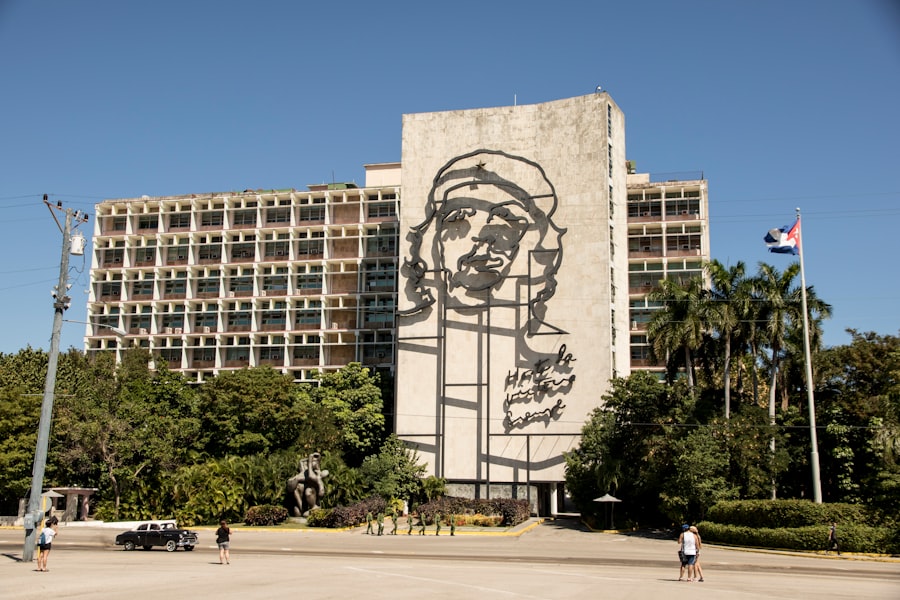
The role of SA2 missile sites in Cuba during the Cold War extended beyond mere defense; they became symbols of Soviet commitment to supporting its allies against U.S. hegemony. As you examine this aspect, you will find that these missile installations were part of a broader strategy to project power and influence throughout Latin America.
The presence of SA2 sites signaled to other nations in the region that they could rely on Soviet support against American intervention, thereby altering the dynamics of regional politics. Moreover, these missile sites served as a critical component of Cuba’s own defense strategy. With U.S.
military bases just a short distance away, Castro’s government viewed the SA2 systems as essential for safeguarding its sovereignty. The operational capabilities of these missiles allowed Cuba to assert itself on the global stage, transforming it from a small island nation into a focal point of Cold War tensions. As you consider this role, think about how it shaped not only Cuba’s military posture but also its national identity during this tumultuous period.
The Construction and Operation of SA2 Missile Sites in Cuba
The construction and operation of SA2 missile sites in Cuba were complex undertakings that required significant resources and coordination between Soviet and Cuban forces. As you delve into this topic, you will discover that the process began in 1961 when Soviet engineers arrived in Cuba to establish these installations. The construction involved not only building launch pads and radar systems but also training Cuban personnel to operate and maintain these sophisticated weapons systems.
Once operational, the SA2 missile sites became integral to Cuba’s air defense network. You will find that these sites were strategically located to cover key areas, including Havana and other major cities, providing a protective umbrella against potential U.S. airstrikes.
The operational success of these missile systems relied heavily on effective communication and coordination between Cuban and Soviet military personnel. This collaboration underscored the deepening ties between Cuba and the Soviet Union during this period, as both nations worked together to enhance their military capabilities.
The Strategic Importance of SA2 Missile Sites in Cuba
| Site Location | Number of SA-2 Missile Launchers | Operational Status (1962) | Range (km) | Missile Type | Notes |
|---|---|---|---|---|---|
| San Cristobal | 6 | Active | 45-55 | SA-2 Guideline (S-75 Dvina) | One of the primary sites during the Cuban Missile Crisis |
| Guanajay | 4 | Active | 45-55 | SA-2 Guideline (S-75 Dvina) | Located west of Havana, provided air defense coverage |
| San Antonio de los Baños | 5 | Active | 45-55 | SA-2 Guideline (S-75 Dvina) | Close to airfields, strategic for air defense |
| Santa Clara | 3 | Active | 45-55 | SA-2 Guideline (S-75 Dvina) | Provided mid-island air defense |
| Santiago de Cuba | 4 | Active | 45-55 | SA-2 Guideline (S-75 Dvina) | Protected eastern Cuba airspace |
The strategic importance of SA2 missile sites in Cuba cannot be overstated; they represented a significant shift in the balance of power within the Western Hemisphere. As you explore this theme, consider how these installations allowed the Soviet Union to project military power directly into U.S. backyard, fundamentally altering the security calculus for American policymakers.
The ability to target U.S. aircraft with surface-to-air missiles created a new layer of deterrence that had not previously existed. Furthermore, these missile sites served as a critical bargaining chip in U.S.-Soviet negotiations during the Cold War.
The presence of SA2 systems in Cuba provided leverage for the Soviets in discussions about arms control and military deployments around the world. As you reflect on this strategic importance, think about how it influenced not only military strategies but also diplomatic relations between superpowers during this era.
The impact of SA2 missile sites in Cuba on U.S.-Soviet relations was profound and far-reaching. As you analyze this relationship, you will see that these installations became emblematic of the broader ideological struggle between capitalism and communism. The deployment of missiles in Cuba heightened suspicions and fears on both sides, leading to an escalation of rhetoric and military posturing that characterized much of the Cold War.
In addition to increasing tensions, the presence of SA2 missile sites also prompted both nations to reconsider their strategies for conflict resolution. The Cuban Missile Crisis forced leaders on both sides to recognize the catastrophic potential of nuclear war, leading to subsequent efforts at arms control and communication channels designed to prevent future crises. As you contemplate this impact, consider how these missile sites not only shaped immediate relations but also laid the groundwork for future diplomatic engagements.
The Legacy of SA2 Missile Sites in Cuba
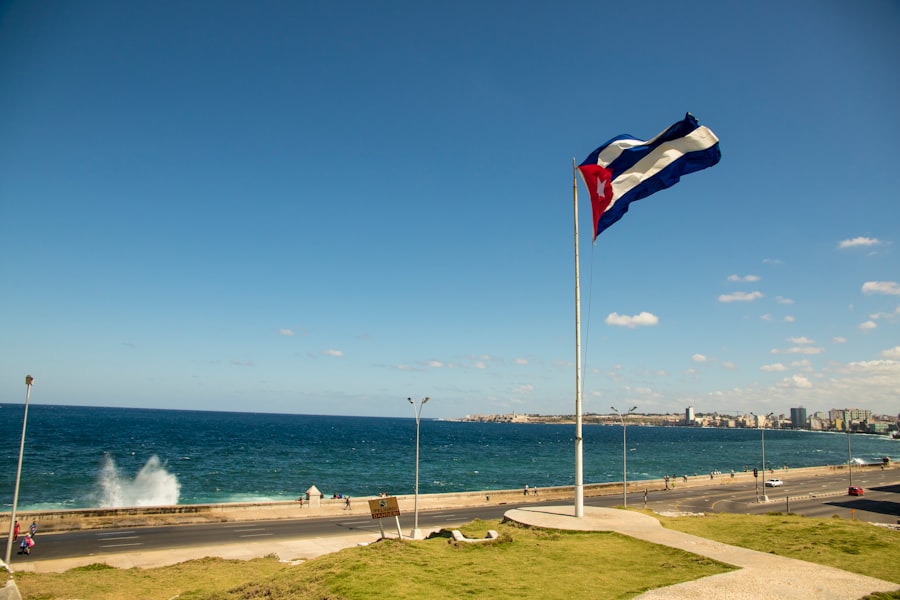
The legacy of SA2 missile sites in Cuba is multifaceted and continues to resonate today. As you explore this legacy, you will find that these installations symbolize a critical moment when global power dynamics shifted dramatically. They serve as reminders of how close humanity came to nuclear catastrophe during the Cold War and highlight the importance of diplomacy in resolving international conflicts.
Moreover, the legacy extends beyond military history; it encompasses cultural narratives as well. The story of SA2 missile sites has been woven into literature, film, and art as a representation of Cold War anxieties and geopolitical struggles. As you reflect on this legacy, think about how it informs contemporary discussions about military strategy, international relations, and the ongoing quest for peace in a world still grappling with similar tensions.
The Current State of SA2 Missile Sites in Cuba
Today, the current state of SA2 missile sites in Cuba reflects both historical significance and evolving geopolitical realities. As you investigate this topic, you will discover that many of these installations have been decommissioned or repurposed since their peak during the Cold War. However, remnants of these sites still exist as physical reminders of a bygone era when nuclear tensions defined international relations.
In recent years, there has been renewed interest in Cuba’s military capabilities amid changing dynamics in U.S.
While the SA2 systems may no longer play a central role in defense strategy, their historical significance continues to shape perceptions and policies regarding Cuba’s military posture. As you consider this current state, think about how historical legacies influence contemporary security discussions and how nations navigate their past while looking toward the future.
The Historical Significance of SA2 Missile Sites in Cuba
The historical significance of SA2 missile sites in Cuba lies not only in their role during the Cold War but also in their lasting impact on international relations and military strategy. As you delve into this significance, you will find that these installations marked a turning point in how nations approached defense and deterrence strategies. They highlighted the importance of geographical proximity in military planning and underscored how local conflicts could escalate into global crises.
Furthermore, these missile sites serve as case studies for understanding modern warfare’s complexities and challenges. They illustrate how technological advancements can shift power dynamics and influence diplomatic negotiations. As you reflect on this historical significance, consider how lessons learned from the Cuban experience continue to inform contemporary military strategies and international diplomacy.
The Cultural and Political Impact of SA2 Missile Sites in Cuba
The cultural and political impact of SA2 missile sites in Cuba extends beyond their military function; they have become symbols within Cuban society and beyond.
For many Cubans, they represent a defiance against U.S.
imperialism and an assertion of independence during a tumultuous period. Politically, these missile sites have influenced how Cuba engages with other nations and how it positions itself within global politics. The legacy of having hosted such significant military assets has shaped Cuba’s relationships with both allies and adversaries alike.
As you contemplate this cultural and political impact, think about how historical events continue to resonate within national identities and influence contemporary political discourse.
The Future of SA2 Missile Sites in Cuba
Looking ahead, the future of SA2 missile sites in Cuba remains uncertain but intriguing. As you consider potential developments, it is essential to recognize that while many physical structures may have fallen into disrepair or been repurposed, their historical significance endures. Future generations may continue to grapple with questions surrounding military presence, sovereignty, and international relations as they relate to these once-critical installations.
Moreover, as geopolitical dynamics evolve—particularly with shifting U.S.-Cuba relations—there may be opportunities for dialogue and cooperation that transcend past conflicts. The legacy of SA2 missile sites could serve as a foundation for understanding how nations can learn from history while working toward peaceful resolutions to contemporary challenges. As you reflect on this future trajectory, think about how history informs present actions and shapes aspirations for global peace and security.
Recent developments regarding the SA-2 missile sites in Cuba have sparked renewed interest in Cold War-era military strategies and their implications for modern geopolitics. For a deeper understanding of the historical context and the strategic significance of these missile sites, you can read more in this related article on In The War Room. Check it out here: In The War Room.
WATCH THIS 🎬 The 12-Hour Fuse: How One Man’s Vote Stopped Nuclear War
FAQs
What are SA-2 missile sites in Cuba?
SA-2 missile sites in Cuba refer to Soviet-supplied surface-to-air missile installations deployed on the island during the early 1960s. These sites were equipped with SA-2 Guideline missiles designed to target and destroy enemy aircraft.
Why were SA-2 missile sites established in Cuba?
The Soviet Union installed SA-2 missile sites in Cuba to strengthen the island’s air defense capabilities and to deter potential U.S. air attacks during the Cold War, particularly after the failed Bay of Pigs invasion in 1961.
When were the SA-2 missile sites in Cuba operational?
The SA-2 missile sites in Cuba became operational in 1962, shortly before the Cuban Missile Crisis, and remained active until their removal later that year following the crisis resolution.
What role did the SA-2 missile sites play in the Cuban Missile Crisis?
The SA-2 missile sites were a critical component of the Soviet military buildup in Cuba that triggered the Cuban Missile Crisis in October 1962. Their presence heightened tensions by posing a direct threat to U.S. aircraft and contributed to the U.S. decision to impose a naval blockade.
How many SA-2 missile sites were deployed in Cuba?
Approximately 36 SA-2 missile launchers were deployed across multiple sites in Cuba during the 1962 crisis, along with associated radar and support equipment.
What happened to the SA-2 missile sites after the Cuban Missile Crisis?
Following the resolution of the Cuban Missile Crisis, the Soviet Union agreed to dismantle and remove the SA-2 missile sites from Cuba as part of a negotiated settlement with the United States.
Were the SA-2 missile sites effective in their intended purpose?
The SA-2 missile system was considered effective for its time, capable of targeting high-altitude aircraft. However, the missile sites in Cuba were never used in combat during the crisis.
Are there any remnants of the SA-2 missile sites in Cuba today?
Some remnants of the SA-2 missile sites, such as launch pads and radar installations, may still exist in Cuba as historical relics, but the operational missile systems were removed in 1962.