
The Foxtrot Submarine B59, a significant vessel in naval history, originated during the early Cold War period. Developed by the Soviet Union in the late 1950s, this submarine was part of a strategic initiative to strengthen the Soviet Navy amid escalating tensions with Western powers. The Foxtrot class design prioritized versatility and operational effectiveness across diverse maritime environments.
B59 represented Soviet engineering capabilities and military strategic development during this period. Launched in 1958, B59 entered service during a time of heightened nuclear confrontation concerns.
As a diesel-electric submarine, the Foxtrot class offered significant underwater endurance while maintaining relatively straightforward construction requirements. These characteristics established B59 as a valuable component of the Soviet naval forces during this period of intense geopolitical competition.
Key Takeaways
- Foxtrot Submarine B59 played a critical role during the Cold War as part of the Soviet Navy’s underwater fleet.
- Its design and construction reflected advanced submarine technology of its time, emphasizing stealth and endurance.
- B59 participated in numerous missions, showcasing the strategic importance of submarines in naval operations.
- After decommissioning, B59 was preserved and transformed into a museum, serving as a historical and educational attraction.
- The submarine’s legacy continues to influence modern submarine technology and naval strategy discussions.
The Role of Foxtrot Submarine B59 in the Cold War
As you explore the role of Foxtrot Submarine B59 during the Cold War, you will find that it served as a critical component of the Soviet Union’s naval strategy. The submarine was not merely a vessel; it was a tool of deterrence, designed to counterbalance the naval capabilities of NATO forces. With its ability to operate stealthily beneath the waves, B59 played a vital role in intelligence gathering and surveillance missions, providing valuable information about enemy movements and activities.
Moreover, B59’s presence in strategic waters sent a clear message to adversaries about the Soviet Union’s commitment to maintaining a strong naval posture. The submarine participated in various exercises and operations that showcased its capabilities, reinforcing the notion that the Soviet Navy was a force to be reckoned with. As tensions escalated during events such as the Cuban Missile Crisis, B59’s role became even more pronounced, as it represented both a deterrent and a potential strike platform in the event of conflict.
The Construction and Design of Foxtrot Submarine B59

The construction and design of Foxtrot Submarine B59 reflect the innovative spirit of Soviet engineering during the Cold War era. Built at the Admiralty Shipyard in Leningrad, B59 was part of a series of submarines that shared a common design philosophy aimed at maximizing operational efficiency. The submarine measured approximately 90 meters in length and had a displacement of around 2,400 tons when submerged.
Its streamlined shape allowed for improved hydrodynamics, enabling it to reach speeds of up to 17 knots underwater. Internally, B59 was equipped with advanced systems for its time, including sonar and torpedo launch capabilities. The submarine could carry up to 22 torpedoes, making it a formidable adversary in naval engagements.
As you examine its design features, you will appreciate how B59 balanced firepower with stealth, allowing it to operate effectively in hostile environments while minimizing detection risks. This combination of attributes made it an essential asset for the Soviet Navy throughout its operational life.
Foxtrot Submarine B59’s Service in the Soviet Navy
Throughout its service in the Soviet Navy, Foxtrot Submarine B59 became an integral part of various naval fleets, participating in numerous missions that underscored its importance. You will find that B59 was not just another submarine; it was a vessel that embodied the spirit of its time, reflecting both the technological advancements and strategic imperatives of the Soviet military. Its operational history spanned several decades, during which it underwent various upgrades to enhance its capabilities.
B59’s service included participation in training exercises and joint operations with other naval units, showcasing its versatility and adaptability. As you delve deeper into its operational history, you will discover how B59 contributed to the development of submarine warfare tactics and strategies within the Soviet Navy. Its crew members were trained rigorously, ensuring that they could operate effectively under pressure and respond to any challenges that arose during missions.
Foxtrot Submarine B59’s Missions and Operations
| Metric | Details |
|---|---|
| Name | B-59 |
| Class | Foxtrot-class submarine |
| Country | Soviet Union |
| Commissioned | 1960 |
| Displacement | 1,950 tons surfaced, 2,475 tons submerged |
| Length | 91.3 meters |
| Beam | 7.5 meters |
| Propulsion | Diesel-electric, 3 diesel engines, 3 electric motors |
| Speed | 16 knots surfaced, 15 knots submerged |
| Armament | 10 torpedo tubes (6 bow, 4 stern), torpedoes |
| Notable Incident | 1962 Cuban Missile Crisis near US naval forces |
| Command Decision | Captain Vasili Arkhipov prevented nuclear torpedo launch |
The missions and operations undertaken by Foxtrot Submarine B59 were diverse and often shrouded in secrecy. You will learn that these missions ranged from reconnaissance tasks to anti-submarine warfare exercises, each designed to enhance the submarine’s operational effectiveness. One notable aspect of B59’s missions was its ability to gather intelligence on NATO naval movements, providing crucial information that informed Soviet strategic decisions.
In addition to intelligence-gathering operations, B59 also participated in various training exercises aimed at honing the skills of its crew. These exercises often simulated real-world scenarios, allowing crew members to practice their responses to potential threats. As you explore these missions further, you will gain insight into the challenges faced by submariners during this period and how they adapted to evolving technologies and tactics.
The Decommissioning and Retirement of Foxtrot Submarine B59
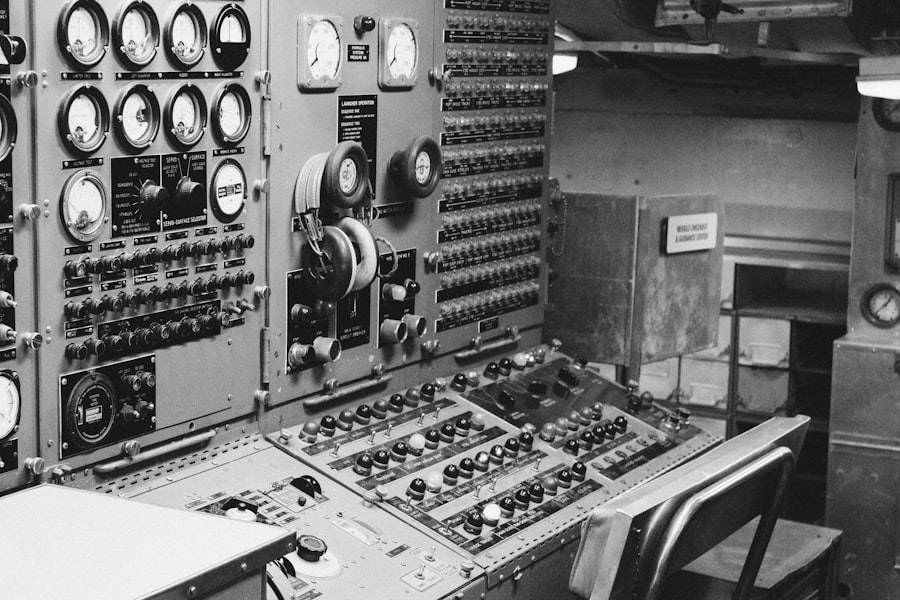
As time passed and geopolitical dynamics shifted, Foxtrot Submarine B59 eventually faced decommissioning. By the late 1980s, advancements in submarine technology rendered many older models less effective in modern naval warfare. You will find that B59 was officially decommissioned in 1991, marking the end of an era for this iconic vessel.
The decision to retire B59 was not taken lightly; it reflected broader changes within the Soviet Navy as it transitioned into a new phase following the dissolution of the Soviet Union. The retirement process involved careful consideration of how to preserve B59’s legacy while also addressing practical concerns regarding maintenance and operational costs. As you reflect on this transition, you will recognize that decommissioning did not erase B59’s contributions; rather, it paved the way for future generations to learn from its history and appreciate its significance within naval warfare.
Foxtrot Submarine B59’s Legacy and Historical Significance
The legacy of Foxtrot Submarine B59 extends far beyond its operational years; it serves as a testament to the technological advancements and strategic thinking that characterized the Cold War era. You will discover that B59 is often regarded as one of the most successful submarines of its class, influencing subsequent designs and operational doctrines within both Soviet and global navies. Its contributions to submarine warfare tactics continue to be studied by military historians and enthusiasts alike.
Moreover, B59’s historical significance lies not only in its technical achievements but also in its role as a symbol of national pride for the Soviet Union. As you explore this aspect further, you will see how B59 became emblematic of Soviet resilience and determination during a tumultuous period in world history. Its story is intertwined with broader narratives about military power, technological innovation, and international relations during the Cold War.
The Restoration and Preservation of Foxtrot Submarine B59
Following its decommissioning, efforts were made to restore and preserve Foxtrot Submarine B59 for future generations. You will find that this process involved meticulous planning and collaboration among various stakeholders who recognized the importance of preserving this historical artifact. Restoration efforts aimed not only to maintain the submarine’s structural integrity but also to ensure that it accurately represented its original design and capabilities.
As part of these preservation efforts, experts conducted extensive research into B59’s specifications and operational history. This attention to detail allowed for an authentic restoration process that honored the submarine’s legacy while making it accessible for public viewing. You will appreciate how these initiatives reflect a broader commitment to preserving maritime heritage and educating future generations about the significance of naval history.
Foxtrot Submarine B59 as a Museum and Tourist Attraction
Today, Foxtrot Submarine B59 stands as a museum exhibit and tourist attraction, drawing visitors from around the world who seek to learn about its storied past. You will find that stepping aboard this submarine offers a unique glimpse into life beneath the waves during the Cold War era. Guided tours provide insights into its design features, operational capabilities, and the experiences of those who served aboard her.
As you explore this museum setting, you will encounter interactive displays and educational programs designed to engage visitors of all ages. These initiatives aim to foster an appreciation for naval history while highlighting the technological advancements represented by B59. By transforming this once-active military vessel into an educational resource, you will see how efforts have been made to ensure that its legacy endures for future generations.
The Impact of Foxtrot Submarine B59 on Submarine Technology
The impact of Foxtrot Submarine B59 on submarine technology cannot be overstated.
Its diesel-electric propulsion system set a standard for efficiency and operational range that many later submarines would emulate.
Furthermore, B59’s design features contributed to advancements in stealth technology, allowing submarines to operate more effectively without detection. You will learn how these innovations have shaped modern submarine warfare tactics and strategies, underscoring B59’s enduring influence on naval engineering practices.
The Future of Foxtrot Submarine B59
Looking ahead, the future of Foxtrot Submarine B59 appears promising as efforts continue to preserve its legacy while educating new generations about its historical significance. You will find that ongoing restoration projects aim to maintain its structural integrity while enhancing visitor experiences through interactive exhibits and educational programs. As interest in maritime history grows globally, there is potential for increased tourism around sites like B59’s museum exhibit.
This interest not only supports local economies but also fosters greater awareness about naval history and technology among diverse audiences. Ultimately, as you reflect on B59’s journey from active service to museum exhibit, you will recognize that its story is far from over; it continues to inspire curiosity and admiration for those who seek to understand our maritime heritage.
The Foxtrot submarine B-59, a relic of the Cold War, played a significant role during the Cuban Missile Crisis, highlighting the tense standoff between the United States and the Soviet Union. For a deeper understanding of the historical context and implications of such military assets, you can read more in this related article on the topic at In the War Room.
WATCH THIS 🎬 The 12-Hour Fuse: How One Man’s Vote Stopped Nuclear War
FAQs
What is the Foxtrot-class submarine B-59?
The Foxtrot-class submarine B-59 was a Soviet Navy diesel-electric submarine built during the Cold War. It is most famous for its involvement in a tense incident during the Cuban Missile Crisis in October 1962.
When and where was the B-59 submarine built?
The B-59 was constructed in the Soviet Union in the late 1950s as part of the Foxtrot-class series, which were designed for anti-surface and anti-submarine warfare.
What was the role of the B-59 during the Cuban Missile Crisis?
During the Cuban Missile Crisis, B-59 was deployed near Cuba as part of the Soviet naval forces. It was detected and pursued by U.S. Navy ships, which dropped practice depth charges to force it to surface, leading to a critical moment where the submarine’s crew considered launching a nuclear torpedo.
Why is the B-59 submarine historically significant?
B-59 is historically significant because it was involved in a near-nuclear confrontation during the Cuban Missile Crisis. The decision by the submarine’s captain and political officer not to launch a nuclear torpedo helped prevent a potential nuclear war.
What type of armament did the B-59 carry?
The B-59 was equipped with torpedo tubes capable of launching conventional and nuclear torpedoes. It reportedly carried a nuclear torpedo, which was a key factor in the crisis incident.
How was the nuclear launch decision made on the B-59?
The launch of the nuclear torpedo required the agreement of three senior officers aboard the submarine: the captain, the political officer, and the flotilla commander. During the crisis, the captain and political officer opposed launching, preventing the use of the weapon.
What happened to the B-59 after the Cuban Missile Crisis?
After the crisis, the B-59 returned to the Soviet Union. It continued to serve in the Soviet Navy for several years before being decommissioned and eventually scrapped.
What lessons were learned from the B-59 incident?
The B-59 incident highlighted the dangers of miscommunication and the risks of nuclear escalation during tense military standoffs. It underscored the importance of clear command and control protocols and the need for diplomatic channels to prevent accidental war.