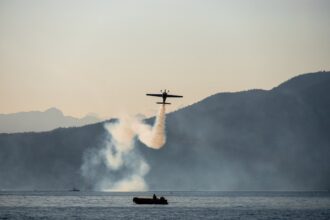
The U-2 Incident involving Major Rudolf Anderson represents a critical moment in Cold War history and aerial reconnaissance operations. This event illustrates the dangerous realities of intelligence gathering during a period of intense geopolitical tension. Major Anderson’s final mission during the Cuban Missile Crisis of October 1962 resulted in his aircraft being shot down by a Soviet surface-to-air missile, making him the only direct casualty of the crisis.
The U-2 spy plane, developed by Lockheed for the CIA, was designed to fly at extreme altitudes to photograph sensitive military installations while avoiding detection. Major Anderson, an experienced Air Force pilot, was tasked with conducting these high-risk reconnaissance flights over Cuba to monitor Soviet missile deployments that threatened U.S. national security.
The incident occurred on October 27, 1962, during the height of the crisis, when Anderson’s U-2 was struck while collecting critical intelligence. The aftermath included diplomatic tensions, military alert escalations, and eventually contributed to negotiations that helped resolve the standoff. This event demonstrates the inherent dangers faced by reconnaissance personnel and highlights how individual missions could significantly impact international relations during the Cold War era.
Key Takeaways
- The U2 Shoots Down Major Anderson incident marked a pivotal and controversial moment in Cold War espionage history.
- Major Anderson played a crucial role as a pilot in the U2 spy plane program, undertaking high-risk reconnaissance missions.
- The incident involved a critical mission that ended tragically, with Major Anderson being shot down under mysterious circumstances.
- The aftermath sparked numerous conspiracy theories and significantly impacted the direction and security protocols of the U2 program.
- Major Anderson’s legacy is honored for his bravery and contributions, offering important lessons for future intelligence operations.
Background information on the U2 spy plane
The U2 spy plane, developed in the 1950s by Lockheed’s Skunk Works division under the guidance of Clarence “Kelly” Johnson, was a marvel of engineering and innovation. Designed for high-altitude reconnaissance missions, it could soar above 70,000 feet, well beyond the reach of most enemy surface-to-air missiles and fighter jets. The U2’s ability to capture detailed photographs and gather intelligence made it an invaluable asset during a time when tensions between superpowers were at an all-time high.
As you consider its capabilities, it becomes clear why the U2 was a cornerstone of American intelligence operations during the Cold War. The aircraft’s design was not without its challenges. Pilots faced numerous risks, including extreme altitude sickness and the potential for catastrophic failure due to its fragile structure.
Despite these dangers, many brave men and women volunteered for U2 missions, driven by a sense of duty and patriotism. The U2’s role in gathering intelligence on Soviet missile sites and other military installations was crucial in shaping U.S. foreign policy and military strategy during this tumultuous period.
Understanding the significance of the U2 helps frame the context in which Major Anderson operated and ultimately met his tragic fate.
Major Anderson’s role in the U2 program
Major Anderson was not just another pilot; he was a key figure in the U2 program, known for his exceptional skills and unwavering dedication to his country. As a seasoned aviator with extensive experience in various aircraft, he brought a wealth of knowledge to the U2 missions. His commitment to excellence and his ability to adapt to the unique challenges posed by high-altitude flying made him an invaluable asset to the program.
You can imagine how his colleagues looked up to him, not only for his technical prowess but also for his leadership qualities. Anderson’s role extended beyond mere piloting; he was involved in training new recruits and refining operational protocols. His insights into flight dynamics and reconnaissance techniques contributed significantly to the program’s success.
As you reflect on his contributions, it becomes evident that Major Anderson was instrumental in pushing the boundaries of what was possible in aerial surveillance. His passion for flying and commitment to national security were evident in every mission he undertook, making his eventual loss all the more poignant.
Events leading up to the U2 Shoots Down Major Anderson incident
In the months leading up to the U2 Shoots Down Major Anderson incident, tensions between the United States and Soviet Union were escalating rapidly. The Cold War was characterized by a series of confrontations, including nuclear arms races and proxy wars around the globe. The need for accurate intelligence was paramount, as both sides sought to gain an upper hand in this high-stakes game of espionage.
You can sense how this atmosphere of urgency influenced every decision made within military circles, particularly regarding reconnaissance missions. On that fateful day, Major Anderson was tasked with a critical mission over hostile territory. Intelligence reports indicated unusual activity that warranted immediate investigation.
As he prepared for takeoff, there was an air of anticipation mixed with anxiety among his team. They understood that each flight carried inherent risks, but they also recognized the importance of their work in safeguarding national security. The stage was set for a mission that would ultimately change everything, not just for Anderson but for the entire U2 program.
The untold story of Major Anderson’s final mission
| Metric | Details |
|---|---|
| Incident | U-2 Shootdown – Major Rudolf Anderson |
| Date | October 27, 1962 |
| Location | Cuba (near Banes) |
| Aircraft | Lockheed U-2 Spy Plane |
| Pilot | Major Rudolf Anderson Jr. |
| Cause of Shootdown | Soviet SA-2 Guideline Surface-to-Air Missile |
| Outcome | Major Anderson killed; first combat casualty of the Cuban Missile Crisis |
| Significance | Heightened tensions during Cuban Missile Crisis; nearly escalated to full-scale war |
As Major Anderson ascended into the sky aboard his U2 aircraft, he was acutely aware of both his responsibilities and the dangers that lay ahead. The mission involved flying over a region known for its hostile anti-aircraft defenses, yet he remained resolute in his determination to gather vital intelligence. You can almost feel the tension building as he navigated through clouds at an altitude that few could reach, relying on his training and instincts to guide him through this perilous journey.
However, what transpired during that flight remains shrouded in mystery. Reports indicate that Anderson encountered unexpected technical difficulties that compromised his ability to complete his mission safely. As you consider this aspect of his final flight, it becomes clear that even seasoned pilots like Anderson were not immune to unforeseen challenges.
The combination of mechanical failure and hostile territory created a perfect storm that would lead to tragedy. His last moments in the cockpit were filled with courage as he attempted to regain control, embodying the spirit of a true aviator until the very end.
The aftermath of the U2 Shoots Down Major Anderson incident
The aftermath of Major Anderson’s tragic death reverberated throughout military circles and beyond. News of the incident sent shockwaves through the U2 program, prompting an immediate review of safety protocols and operational procedures. You can imagine how his colleagues mourned not only the loss of a skilled pilot but also a beloved friend and mentor.
The emotional toll on those who served alongside him was profound, as they grappled with their grief while continuing to fulfill their duties. In addition to personal loss, there were significant implications for national security and intelligence operations. The incident raised questions about the viability of high-altitude reconnaissance missions in hostile airspace.
Military leaders were forced to reassess their strategies and consider alternative methods for gathering intelligence. This shift in focus would ultimately lead to advancements in technology and tactics that would shape future operations. The legacy of Major Anderson’s sacrifice became a catalyst for change within the U2 program and beyond.
Conspiracy theories surrounding the incident
As with many significant events in history, conspiracy theories began to emerge following Major Anderson’s death. Some speculated that there was more to his final mission than met the eye, suggesting that he may have been targeted deliberately or that there were cover-ups surrounding his demise. You might find it intriguing how these theories often reflect broader societal anxieties about government transparency and accountability during times of conflict.
These conspiracy theories gained traction among those who sought answers in a time when information was tightly controlled. Some believed that classified documents related to Anderson’s mission were hidden from public view, fueling speculation about what truly happened on that fateful day. While many theories lacked substantial evidence, they nonetheless contributed to a narrative that painted Major Anderson’s story as one filled with intrigue and mystery—an unfortunate twist for someone who dedicated his life to serving his country.
The impact of Major Anderson’s death on the U2 program
Major Anderson’s death had far-reaching consequences for the U2 program and its future operations. In addition to prompting immediate changes in safety protocols, it also led military leaders to reconsider their reliance on high-altitude reconnaissance missions as a primary means of gathering intelligence. You can sense how this shift marked a turning point in aerial surveillance strategies during a critical period in history.
In response to Anderson’s tragic loss, advancements in technology began to take center stage within military planning discussions. The development of unmanned aerial vehicles (UAVs) gained momentum as military strategists sought alternatives that could mitigate risks associated with manned flights over hostile territories. This evolution would eventually lead to a new era of surveillance capabilities that transformed how intelligence was gathered and analyzed—an enduring legacy stemming from Major Anderson’s sacrifice.
The legacy of Major Anderson and the U2 Shoots Down incident
The legacy of Major Anderson extends far beyond his tragic death; it encompasses a commitment to service, bravery in the face of danger, and an unwavering dedication to national security. His contributions to the U2 program are remembered not only by those who served alongside him but also by future generations who benefit from advancements made possible by lessons learned from his experiences. You might find it inspiring how individuals like Anderson continue to shape military practices long after their time has passed.
Moreover, Major Anderson’s story serves as a poignant reminder of the human cost associated with military operations and intelligence gathering. His sacrifice highlights the importance of honoring those who serve in silence, often without recognition or accolades. As you reflect on his legacy, consider how it embodies both personal courage and collective responsibility—a testament to all who have served their country with honor.
Lessons learned from the U2 Shoots Down Major Anderson incident
The U2 Shoots Down Major Anderson incident offers valuable lessons about risk management, operational safety, and ethical considerations in military operations. One key takeaway is the importance of thorough preparation and contingency planning when conducting high-stakes missions. You can appreciate how this incident prompted military leaders to reevaluate existing protocols and implement more robust safety measures designed to protect personnel during reconnaissance flights.
Additionally, this event underscores the need for transparency within military operations—especially when lives are at stake.
By fostering open communication and accountability, military leaders can build trust with both service members and civilians alike—a crucial element in maintaining morale and support during challenging times.
Remembering Major Anderson: Honoring his contributions to the U2 program
As you reflect on Major Anderson’s life and contributions to the U2 program, it becomes clear that honoring his memory is essential not only for those who knew him personally but also for future generations who benefit from advancements made possible by his sacrifices. Memorials dedicated to fallen service members serve as powerful reminders of their bravery and commitment—ensuring that their stories are never forgotten. In commemorating Major Anderson’s legacy, we must also recognize the broader context of military service during times of conflict—acknowledging both individual sacrifices and collective efforts made by countless men and women who have served their country with honor.
By remembering figures like Major Anderson, we pay tribute not only to their contributions but also inspire future generations to uphold values such as courage, integrity, and dedication in service to others. In conclusion, exploring the U2 Shoots Down Major Anderson incident reveals a complex tapestry woven from threads of bravery, tragedy, innovation, and legacy—a narrative that continues to resonate today as we strive for greater understanding within our ever-evolving world.
In the context of the U2 shootdown of Major Anderson, it’s important to explore the broader implications of aerial reconnaissance during the Cold War.