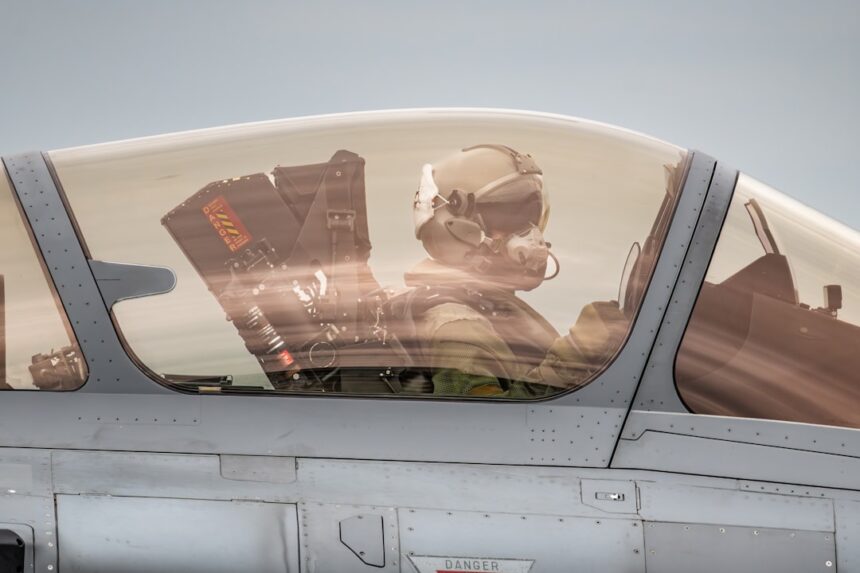
Fighter pilots operate in high-stress environments characterized by rapid aircraft speeds, complex avionics systems, and time-critical decision-making requirements. Combat operations involve elevated risk levels and physical demands associated with advanced military aircraft operation. These conditions generate stress levels that distinguish military aviation from most other occupational fields.
Research into pilot stress mechanisms is essential for developing evidence-based interventions to optimize performance outcomes. Fighter pilots experience both acute and chronic stress responses with psychological and physiological components. Immediate stressors include combat threats and tactical decision-making under time pressure, while sustained exposure to operational demands can produce cumulative stress effects.
Documented stress manifestations include anxiety disorders, fatigue syndromes, and cognitive performance decrements. Effective stress management requires systematic analysis of cockpit workload factors and their relationship to stress response patterns, extending beyond individual coping strategies to encompass comprehensive operational and training considerations.
Key Takeaways
- High cockpit workload significantly contributes to fighter pilot stress and impacts both physical and mental health.
- Effective management of cockpit workload is crucial for maintaining optimal decision-making during missions.
- Training plays a vital role in equipping pilots with skills to handle high workload situations efficiently.
- Advanced technology can help reduce cockpit workload by automating tasks and improving situational awareness.
- Continuous monitoring and future innovations are essential for better managing cockpit workload and reducing pilot stress.
Understanding Cockpit Workload
Cockpit workload refers to the total amount of mental and physical effort required to operate an aircraft effectively. This workload encompasses a range of tasks, from monitoring instruments and communicating with ground control to executing complex maneuvers and managing onboard systems. The nature of these tasks can vary significantly depending on the mission profile, aircraft type, and environmental conditions.
For fighter pilots, the demands of cockpit workload can fluctuate dramatically within a single flight, requiring them to adapt quickly to changing circumstances. One critical aspect of cockpit workload is its dynamic nature. During combat operations, for instance, pilots may experience periods of intense activity followed by moments of relative calm.
This variability can create challenges in maintaining focus and situational awareness. Additionally, the introduction of advanced avionics and weapon systems has increased the complexity of cockpit tasks, further elevating the demands placed on pilots. As they navigate this intricate landscape, understanding how to manage workload effectively becomes essential for maintaining operational effectiveness and ensuring safety.
The Relationship Between Cockpit Workload and Stress

The relationship between cockpit workload and stress is intricate and often reciprocal. High levels of workload can lead to increased stress, while elevated stress levels can impair a pilot’s ability to manage workload effectively. When pilots are faced with overwhelming demands, their cognitive resources become strained, leading to potential errors in judgment and decision-making.
This cycle can create a feedback loop where stress exacerbates workload challenges, ultimately compromising mission success. Research has shown that excessive cockpit workload can trigger physiological responses associated with stress, such as increased heart rate and heightened levels of cortisol. These responses can impair cognitive functions like memory and attention, making it more difficult for pilots to process information and respond to dynamic situations.
Conversely, when pilots are able to manage their workload effectively, they are better equipped to handle stressors, leading to improved performance and enhanced situational awareness.
The Physical and Mental Effects of High Cockpit Workload
High cockpit workload can have profound physical and mental effects on fighter pilots. Physically, the demands of operating an aircraft under high-stress conditions can lead to fatigue, muscle tension, and even physical injuries over time. The intense focus required during critical phases of flight can also result in eye strain and headaches, further compounding the challenges faced by pilots.
These physical manifestations of stress can detract from a pilot’s overall well-being and performance. Mentally, the effects of high cockpit workload can be equally significant. Prolonged exposure to high-stress environments can lead to cognitive overload, where pilots struggle to process information effectively.
This overload can result in lapses in attention and decreased situational awareness, which are critical for safe flight operations. Additionally, chronic stress can contribute to mental health issues such as anxiety and depression, which may further hinder a pilot’s ability to perform under pressure. Recognizing these effects is essential for developing strategies that support pilot health and performance.
Strategies for Managing Cockpit Workload
| Metric | Description | Typical Range | Impact on Pilot |
|---|---|---|---|
| Heart Rate (bpm) | Beats per minute indicating physiological stress | 60 – 180 bpm | Increased heart rate correlates with higher stress and workload |
| G-Force Exposure (G) | Gravitational force experienced during maneuvers | 1 – 9 G | High G-forces increase physical strain and cognitive load |
| Task Load Index (NASA-TLX) | Subjective workload assessment score | 0 – 100 | Higher scores indicate greater perceived workload and stress |
| Reaction Time (ms) | Time to respond to stimuli or controls | 200 – 500 ms | Longer reaction times may indicate fatigue or overload |
| Salivary Cortisol (nmol/L) | Biomarker for physiological stress | 5 – 25 nmol/L | Elevated cortisol levels reflect increased stress |
| Sleep Duration (hours) | Amount of rest prior to flight | 4 – 8 hours | Reduced sleep increases susceptibility to stress and errors |
| Error Rate (%) | Percentage of operational errors during flight | 0 – 10% | Higher error rates correlate with increased workload and stress |
Effective management of cockpit workload is vital for enhancing pilot performance and reducing stress levels. One key strategy involves prioritizing tasks based on their urgency and importance. By focusing on critical tasks first, pilots can ensure that they address the most pressing demands before moving on to less critical activities.
This approach not only helps manage workload but also reduces feelings of being overwhelmed. Another important strategy is the use of checklists and standard operating procedures (SOPs). These tools provide pilots with structured guidance for managing tasks systematically, reducing cognitive load during high-pressure situations.
Additionally, regular training in these procedures helps reinforce their use, allowing pilots to rely on established protocols when faced with unexpected challenges. Incorporating breaks during long missions can also help mitigate fatigue and maintain focus, allowing pilots to recharge mentally and physically.
The Role of Training in Managing Cockpit Workload
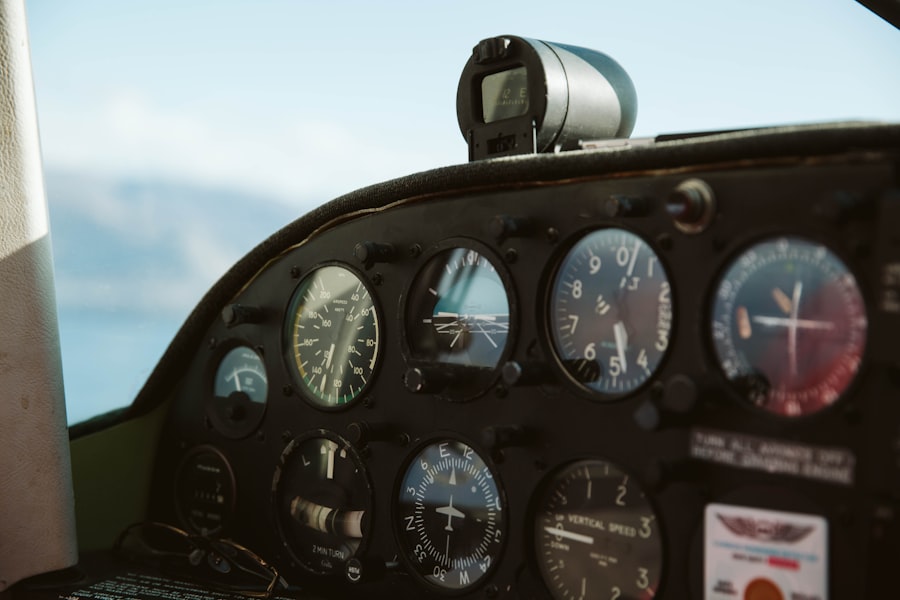
Training plays a pivotal role in equipping fighter pilots with the skills necessary to manage cockpit workload effectively. Comprehensive training programs focus not only on technical flying skills but also on developing cognitive strategies for handling high-stress situations. Simulated flight scenarios that replicate real-world challenges allow pilots to practice decision-making under pressure while honing their ability to prioritize tasks.
Moreover, training programs increasingly emphasize the importance of teamwork and communication among crew members. Effective collaboration can help distribute workload more evenly during missions, reducing individual stress levels. By fostering a culture of open communication and mutual support within the cockpit, pilots can enhance their collective ability to manage workload challenges while maintaining situational awareness.
The Impact of Cockpit Workload on Decision Making
Cockpit workload has a direct impact on decision-making processes for fighter pilots. When faced with high workloads, cognitive resources become limited, which can lead to rushed or suboptimal decisions. The pressure to act quickly in dynamic environments may result in pilots relying on heuristics or mental shortcuts that could compromise safety or mission success.
Understanding this relationship is crucial for developing strategies that support effective decision-making under pressure.
Pilots may experience difficulty processing information or may overlook critical details when overwhelmed by tasks.
To counteract these effects, it is essential for pilots to develop situational awareness skills that enable them to assess their workload continuously and make informed decisions based on real-time data.
The Importance of Monitoring Cockpit Workload
Monitoring cockpit workload is essential for ensuring pilot safety and mission effectiveness. By assessing workload levels throughout a flight, pilots can identify when they are approaching their limits and take proactive measures to mitigate stressors. Various tools and techniques exist for monitoring workload, including subjective self-assessments and objective measures such as physiological indicators.
Implementing regular assessments allows pilots to recognize patterns in their workload management over time. This awareness can inform adjustments in training or operational procedures that enhance overall performance. Additionally, monitoring workload provides valuable data for military organizations seeking to optimize pilot training programs and improve aircraft design by identifying areas where workload could be reduced.
The Role of Technology in Reducing Cockpit Workload
Advancements in technology have the potential to significantly reduce cockpit workload for fighter pilots. Modern aircraft are equipped with sophisticated avionics systems that automate many routine tasks, allowing pilots to focus on higher-level decision-making rather than being bogged down by manual operations. For instance, automated flight control systems can handle navigation and altitude adjustments, freeing up cognitive resources for more critical tasks.
Furthermore, emerging technologies such as artificial intelligence (AI) are being integrated into cockpit systems to assist pilots in real-time decision-making processes. AI algorithms can analyze vast amounts of data quickly, providing pilots with actionable insights that enhance situational awareness and reduce cognitive load. As technology continues to evolve, its role in alleviating cockpit workload will likely expand, offering new opportunities for improving pilot performance and safety.
The Future of Cockpit Workload Management
The future of cockpit workload management is poised for transformation as advancements in technology continue to reshape aviation practices. Innovations such as virtual reality (VR) training simulations offer promising avenues for enhancing pilot preparedness by immersing them in realistic scenarios without the associated risks of actual flight operations. These simulations allow pilots to practice managing workload effectively while honing their skills in a controlled environment.
Additionally, ongoing research into human factors engineering will likely yield insights into optimizing cockpit design for improved ergonomics and usability. By creating intuitive interfaces that align with human cognitive capabilities, aircraft manufacturers can help reduce unnecessary complexity in cockpit operations. As these developments unfold, the aviation industry will be better equipped to address the challenges associated with cockpit workload management.
Addressing Fighter Pilot Stress through Cockpit Workload Management
In conclusion, addressing fighter pilot stress through effective cockpit workload management is essential for enhancing both individual performance and overall mission success. By understanding the intricate relationship between workload and stress levels, military organizations can implement targeted strategies that support pilot well-being while optimizing operational effectiveness. Training programs that emphasize task prioritization, teamwork, and decision-making under pressure will be crucial in preparing pilots for the demands they face.
As technology continues to advance, its role in reducing cockpit workload will become increasingly significant. By leveraging innovations such as automation and AI-driven insights, the aviation industry can create environments that empower pilots to perform at their best while minimizing stressors associated with high workloads. Ultimately, a comprehensive approach that combines training, monitoring, and technological advancements will be key to ensuring that fighter pilots are equipped to navigate the challenges of their demanding profession successfully.
Cockpit workload and the associated stress experienced by fighter pilots is a critical area of study, as it directly impacts performance and safety in high-pressure situations. For a deeper understanding of this topic, you can explore the article on the effects of stress on pilot performance in the military context, which can be found here. This resource provides valuable insights into how workload management strategies can mitigate stress and enhance operational effectiveness in the cockpit.
WATCH THIS! 🎬 The Day Speed Died: How One Jet Changed Air Combat Forever
FAQs
What is cockpit workload in fighter pilots?
Cockpit workload refers to the amount of mental and physical effort a fighter pilot must exert to operate the aircraft and manage mission tasks effectively. It includes monitoring instruments, communicating, navigation, and handling weapons systems.
How does high cockpit workload affect fighter pilot performance?
High cockpit workload can lead to increased stress, fatigue, and reduced situational awareness, which may impair decision-making, reaction time, and overall mission effectiveness.
What are common sources of stress for fighter pilots during flight?
Common stressors include complex mission demands, time pressure, high G-forces, threat of enemy engagement, equipment malfunctions, and environmental factors such as weather.
How is fighter pilot stress measured or assessed?
Stress can be assessed through physiological indicators like heart rate and cortisol levels, psychological questionnaires, performance metrics, and monitoring workload using cockpit data and pilot feedback.
What strategies are used to manage cockpit workload and reduce pilot stress?
Strategies include advanced cockpit automation, workload management training, effective communication protocols, mission planning, physical fitness programs, and stress resilience training.
Why is managing cockpit workload important for fighter pilot safety?
Proper workload management helps prevent cognitive overload, reduces the risk of errors, enhances situational awareness, and ensures pilots can respond effectively to dynamic combat situations, thereby improving safety.
Can technology help reduce fighter pilot stress and workload?
Yes, modern avionics, heads-up displays, autopilot systems, and decision-support tools can automate routine tasks and provide critical information efficiently, helping to lower pilot workload and stress.
What role does training play in handling cockpit workload and stress?
Training prepares pilots to prioritize tasks, maintain situational awareness under pressure, and develop coping mechanisms for stress, enabling them to perform effectively in high workload environments.
Are there long-term effects of sustained high cockpit workload on fighter pilots?
Prolonged exposure to high workload and stress can lead to chronic fatigue, burnout, decreased cognitive function, and potential mental health issues if not properly managed.
How do fighter pilots recover from stress experienced during missions?
Recovery methods include rest, physical exercise, psychological support, debriefing sessions, and relaxation techniques to restore mental and physical well-being after demanding flights.