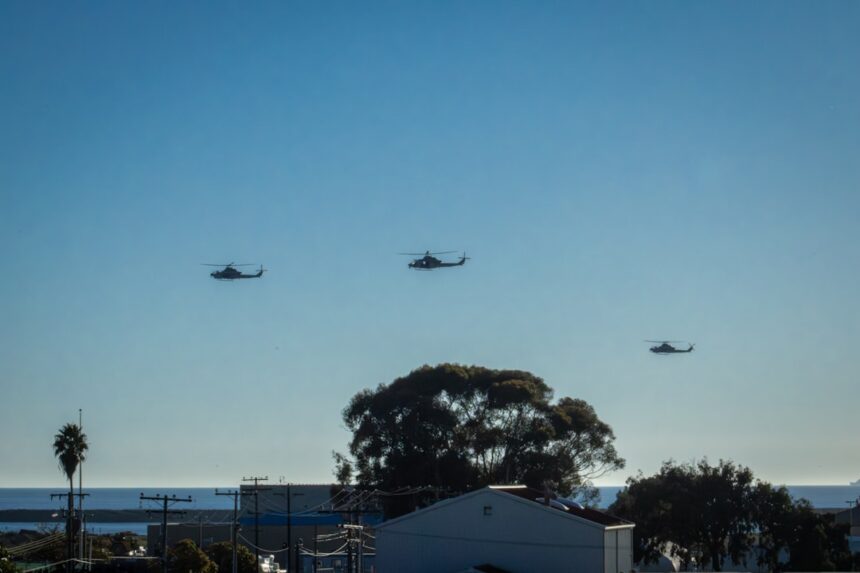
In recent decades, the landscape of warfare has undergone a profound transformation, marked by the rapid rise of technology warfare. This evolution has been driven by advancements in various fields, including information technology, robotics, and artificial intelligence. Nations around the globe have increasingly recognized the strategic advantages that come with integrating cutting-edge technologies into their military operations.
The shift from traditional combat methods to technology-driven warfare has not only changed how battles are fought but has also redefined the very nature of conflict itself. The emergence of drones, cyber warfare capabilities, and advanced surveillance systems has enabled militaries to conduct operations with unprecedented precision and efficiency. These technological innovations have allowed for remote engagements, reducing the risk to human soldiers while increasing the potential for successful missions.
However, this shift has also raised significant questions about the implications of relying heavily on technology in warfare, particularly concerning accountability, ethics, and the potential for unintended consequences.
Key Takeaways
- Technology warfare is rapidly transforming military strategies and operations.
- Human judgment remains crucial despite advances in artificial intelligence and autonomous systems.
- Ethical concerns arise from the deployment of autonomous weapons in combat.
- Emotional intelligence plays a vital role in managing combat stress and decision-making.
- Balancing human oversight with technological innovation is essential for future military effectiveness and global security.
The Role of Human Judgment in Modern Warfare
Despite the increasing reliance on technology in military operations, human judgment remains a critical component of modern warfare. The complexities of combat situations often require nuanced decision-making that cannot be fully replicated by machines. Human operators bring a level of intuition and contextual understanding that is essential for assessing rapidly changing scenarios on the battlefield.
This ability to interpret information and make informed decisions is particularly vital in high-stakes situations where the consequences of actions can be dire. Moreover, human judgment plays a crucial role in ethical considerations during warfare. Decisions about when to engage an enemy or how to minimize civilian casualties require a moral compass that machines lack.
The integration of human oversight in military operations ensures that ethical standards are upheld, even in the face of technological advancements. As such, while technology can enhance operational capabilities, it cannot replace the need for human insight and ethical reasoning in warfare.
The Impact of Artificial Intelligence on Military Decision Making
Artificial intelligence (AI) has emerged as a game-changer in military decision-making processes. By analyzing vast amounts of data at incredible speeds, AI systems can provide commanders with actionable insights that enhance situational awareness and strategic planning. These systems can identify patterns and predict outcomes based on historical data, allowing military leaders to make more informed decisions.
The potential for AI to improve efficiency and effectiveness in military operations is immense, leading to a paradigm shift in how decisions are made. However, the integration of AI into military decision-making also raises concerns about over-reliance on technology.
This limitation underscores the importance of maintaining a balance between human judgment and AI capabilities. Military leaders must remain vigilant in ensuring that AI serves as a tool to augment human decision-making rather than replace it entirely.
The Ethical Dilemmas of Autonomous Weapons
The development of autonomous weapons systems has sparked intense debate regarding their ethical implications. These systems, capable of making decisions without human intervention, pose significant moral questions about accountability and responsibility in warfare. If an autonomous weapon were to cause unintended harm or violate international law, determining who is liable becomes a complex issue.
The potential for such systems to operate independently raises concerns about the erosion of human oversight in critical military decisions.
These principles dictate that combatants must distinguish between military targets and civilians while ensuring that any force used is proportional to the military advantage gained.
Autonomous systems may struggle to adhere to these principles without human oversight, leading to potential violations of international humanitarian law. As nations continue to develop these technologies, addressing the ethical dilemmas they present will be crucial for maintaining accountability and upholding moral standards in warfare.
The Importance of Emotional Intelligence in Combat Situations
| Aspect | Human Judgment | Technology Warfare |
|---|---|---|
| Decision Speed | Moderate (seconds to minutes) | High (milliseconds to seconds) |
| Emotional Influence | High (bias, stress, morale) | None (algorithmic) |
| Adaptability | High (creative problem solving) | Moderate (pre-programmed responses) |
| Accuracy | Variable (subject to error) | High (precision targeting) |
| Ethical Considerations | Integral (moral judgment) | Challenging (automation of lethal decisions) |
| Situational Awareness | High (context understanding) | Limited (sensor data dependent) |
| Resource Requirements | Lower (human personnel) | High (infrastructure, maintenance) |
| Reliability | Variable (fatigue, stress) | High (consistent performance) |
In the high-pressure environment of combat, emotional intelligence emerges as a vital asset for military personnel. The ability to recognize and manage one’s emotions, as well as empathize with others, can significantly impact decision-making and team dynamics during operations. Soldiers who possess strong emotional intelligence are better equipped to handle stress, communicate effectively with their peers, and adapt to rapidly changing situations on the battlefield.
Moreover, emotional intelligence plays a crucial role in leadership within military contexts. Leaders who can connect with their subordinates on an emotional level foster trust and cohesion within their units. This connection is essential for maintaining morale and ensuring that soldiers remain focused on their objectives, even in the face of adversity.
As technology continues to reshape warfare, cultivating emotional intelligence among military personnel will be increasingly important for effective leadership and operational success.
The Advantages and Limitations of Technology in Warfare
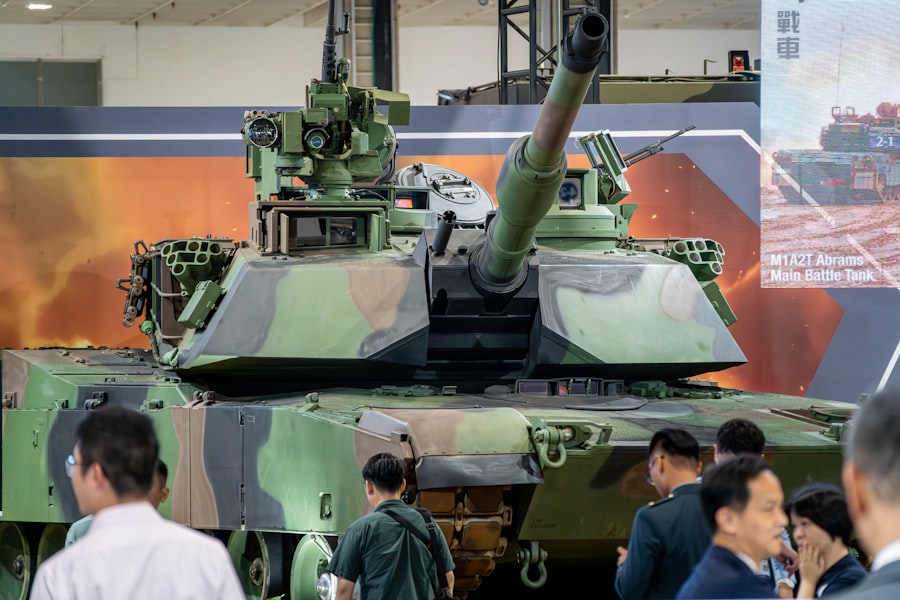
The advantages of technology in warfare are manifold, offering enhanced capabilities that can lead to more effective military operations. Precision-guided munitions, advanced reconnaissance systems, and real-time data analytics have transformed how conflicts are conducted. These technologies enable militaries to strike targets with greater accuracy while minimizing collateral damage, thereby improving operational outcomes.
Additionally, technological advancements have facilitated improved communication and coordination among units, allowing for more cohesive strategies during engagements. However, despite these advantages, technology also presents limitations that must be acknowledged. Over-reliance on technological systems can lead to vulnerabilities, particularly if adversaries develop countermeasures or exploit weaknesses in these systems.
Furthermore, technological failures or malfunctions can have catastrophic consequences on the battlefield. The complexity of modern warfare necessitates a balanced approach that leverages technology while remaining cognizant of its limitations and potential pitfalls.
The Need for Human Oversight in Military Operations
As technology continues to play an increasingly prominent role in military operations, the need for human oversight becomes paramount. While automated systems can enhance efficiency and effectiveness, they cannot replace the critical thinking and ethical considerations that human operators bring to the table. Ensuring that humans remain involved in decision-making processes is essential for maintaining accountability and upholding moral standards during military engagements.
Human oversight also serves as a safeguard against potential technological failures or unintended consequences. In high-stakes situations where split-second decisions can have far-reaching implications, having trained personnel who can assess and intervene when necessary is crucial. By integrating human judgment into military operations alongside technological advancements, armed forces can strike a balance that maximizes operational effectiveness while minimizing risks associated with automation.
The Psychological Effects of Technology Warfare on Soldiers
The psychological impact of technology warfare on soldiers is an area of growing concern among military leaders and mental health professionals alike. The use of drones and remote warfare tactics can create a disconnect between soldiers and the realities of combat, leading to unique psychological challenges. For instance, operators who engage targets from thousands of miles away may experience feelings of detachment or moral ambiguity regarding their actions, potentially resulting in psychological distress.
Additionally, the constant exposure to advanced technologies can contribute to heightened stress levels among soldiers. The pressure to adapt to rapidly evolving technological landscapes may lead to anxiety and feelings of inadequacy among personnel who struggle to keep pace with new systems. Addressing these psychological effects is essential for ensuring the well-being of soldiers and maintaining operational readiness within military forces.
The Integration of Human and Technological Decision Making in the Military
The future of military operations lies in the successful integration of human and technological decision-making processes. By combining the strengths of both elements, armed forces can enhance their operational capabilities while ensuring ethical considerations remain at the forefront. This integration requires ongoing training and education for military personnel to ensure they are equipped to work alongside advanced technologies effectively.
Moreover, fostering collaboration between humans and machines can lead to innovative solutions that improve decision-making outcomes on the battlefield. For instance, AI systems can provide valuable insights based on data analysis while human operators apply their contextual understanding and ethical reasoning to make final decisions. This collaborative approach not only enhances operational effectiveness but also reinforces the importance of human judgment in an increasingly automated world.
The Future of Warfare: Balancing Human Judgment and Technological Advancements
As warfare continues to evolve alongside technological advancements, finding a balance between human judgment and automation will be critical for future military operations. While technology offers numerous advantages in terms of efficiency and precision, it cannot replace the essential role that human insight plays in decision-making processes. Military leaders must prioritize strategies that integrate both elements effectively while addressing ethical considerations associated with emerging technologies.
Looking ahead, it will be essential for armed forces to invest in training programs that emphasize the importance of human judgment alongside technological proficiency. By cultivating a culture that values both elements equally, militaries can ensure they are prepared for the complexities of modern warfare while upholding ethical standards and accountability.
The Implications of Technology Warfare on International Relations and Security
The rise of technology warfare has far-reaching implications for international relations and global security dynamics. As nations invest heavily in advanced military technologies, concerns about arms races and destabilization increase. The proliferation of autonomous weapons systems and cyber capabilities raises questions about accountability and deterrence strategies among states.
Moreover, technology warfare has the potential to reshape alliances and geopolitical landscapes as nations seek to leverage their technological advantages for strategic gain. As countries navigate this new era of conflict, fostering dialogue around arms control agreements and ethical standards will be essential for mitigating risks associated with technological advancements in warfare. Ultimately, addressing these implications will require collaborative efforts among nations to ensure a stable international security environment amidst rapid technological change.
In the ongoing debate about the role of human judgment versus technology in warfare, the article on the implications of autonomous weapons systems provides valuable insights. It explores how reliance on technology can impact decision-making in combat scenarios, raising ethical questions about accountability and the potential for unintended consequences. For a deeper understanding of these issues, you can read the full article [here](https://www.inthewarroom.com/sample-page/).
WATCH THIS! 🎬 The Day Speed Died: How One Jet Changed Air Combat Forever
FAQs
What is the main difference between human judgment and technology in warfare?
Human judgment involves decision-making based on experience, intuition, and ethical considerations, while technology in warfare relies on automated systems, algorithms, and advanced machinery to execute tasks and analyze data.
How does technology impact decision-making in modern warfare?
Technology enhances decision-making by providing real-time data, improving communication, and enabling precision targeting. However, it may also reduce human oversight, potentially leading to ethical and strategic challenges.
Can technology fully replace human judgment in warfare?
Currently, technology cannot fully replace human judgment because complex ethical decisions, contextual understanding, and adaptability often require human insight that machines cannot replicate.
What are some examples of technology used in warfare today?
Examples include drones, autonomous weapons systems, cyber warfare tools, artificial intelligence for intelligence analysis, and advanced surveillance systems.
What are the risks of relying too heavily on technology in warfare?
Risks include system malfunctions, hacking or cyber attacks, loss of human control, ethical dilemmas, and potential escalation due to misinterpretation of automated actions.
How do military organizations balance human judgment and technology?
Military organizations typically integrate technology as a tool to support human decision-makers, ensuring that critical decisions involve human oversight and ethical considerations.
What role does ethics play in human judgment versus technology in warfare?
Ethics guide human judgment in making decisions that comply with international laws and moral standards, while technology must be programmed and regulated to align with these ethical frameworks.
Are there international regulations governing the use of technology in warfare?
Yes, international laws such as the Geneva Conventions and various treaties regulate the use of certain technologies in warfare, aiming to limit harm to civilians and ensure accountability.
How has technology changed the nature of warfare compared to traditional human-led combat?
Technology has increased the speed, range, and precision of warfare, introduced new domains like cyber warfare, and shifted some combat roles from humans to machines, changing strategic and tactical approaches.
What future trends are expected in the relationship between human judgment and technology in warfare?
Future trends include greater integration of artificial intelligence, increased autonomy of weapons systems, enhanced human-machine collaboration, and ongoing debates about ethical and legal implications.