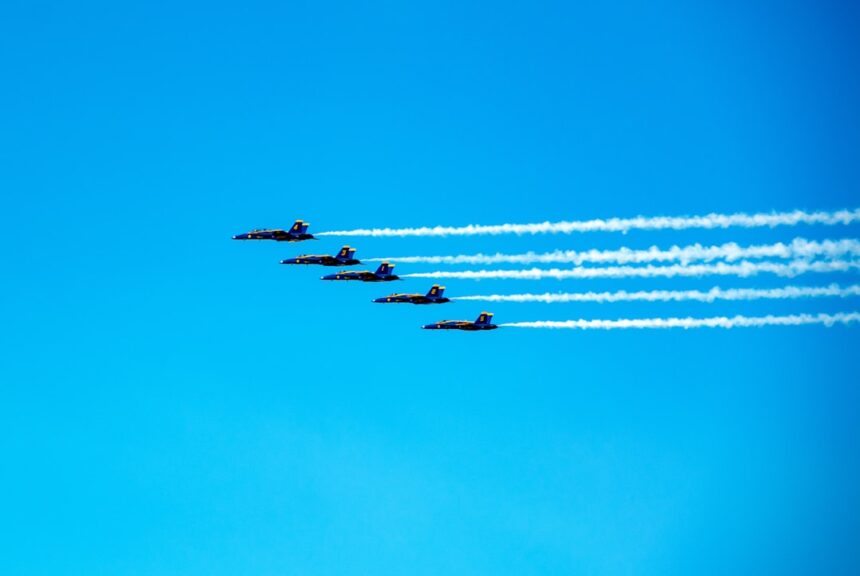
In aerial combat, speed and maneuverability represent two fundamental performance characteristics that determine fighter aircraft effectiveness. Speed enables rapid target engagement, threat evasion, and tactical repositioning during combat operations. Maneuverability allows aircraft to execute complex flight patterns that complicate enemy targeting and weapons engagement.
Together, these capabilities directly impact mission success rates and aircraft survivability in contested airspace. Modern air combat occurs at supersonic velocities, where superior speed provides tactical advantages in engagement timing and battlefield positioning. Advanced surface-to-air missile systems and enemy fighter aircraft require contemporary fighters to demonstrate exceptional agility to defeat incoming threats.
Military aviation engineers prioritize these performance parameters when designing new aircraft systems, as they directly correlate with operational effectiveness and pilot survivability rates in combat scenarios.
Key Takeaways
- Speed and maneuverability are critical factors that determine a fighter jet’s combat effectiveness.
- There is a trade-off between speed and maneuverability, requiring careful design balance.
- Advanced technologies play a key role in enhancing both speed and maneuverability simultaneously.
- Pilot training is essential to fully leverage a jet’s speed and maneuverability capabilities.
- Future fighter jet designs focus on optimizing the balance to achieve superior overall performance.
The Role of Speed in Fighter Jet Performance
Speed plays a pivotal role in the performance of fighter jets, influencing various aspects of their operational capabilities. High-speed flight allows these aircraft to cover vast distances in a short amount of time, enabling rapid response to threats and the ability to strike targets before they can react. This rapid deployment capability is crucial in modern warfare, where time is often of the essence.
Additionally, speed enhances a fighter jet’s ability to escape from dangerous situations, providing pilots with more options during engagements. The faster an aircraft can fly, the more tactical advantages it can leverage against adversaries. Moreover, speed contributes significantly to a fighter jet’s combat effectiveness by allowing it to engage or disengage from combat scenarios at will.
In dogfights, for instance, a faster jet can dictate the terms of engagement, choosing when to attack or retreat based on its velocity. This advantage is particularly important when facing multiple opponents or when operating in contested airspace. Furthermore, advancements in propulsion technology have led to the development of jets capable of sustained supersonic flight, which enhances their operational range and versatility.
As such, speed remains a cornerstone of fighter jet design and performance.
The Role of Maneuverability in Fighter Jet Performance
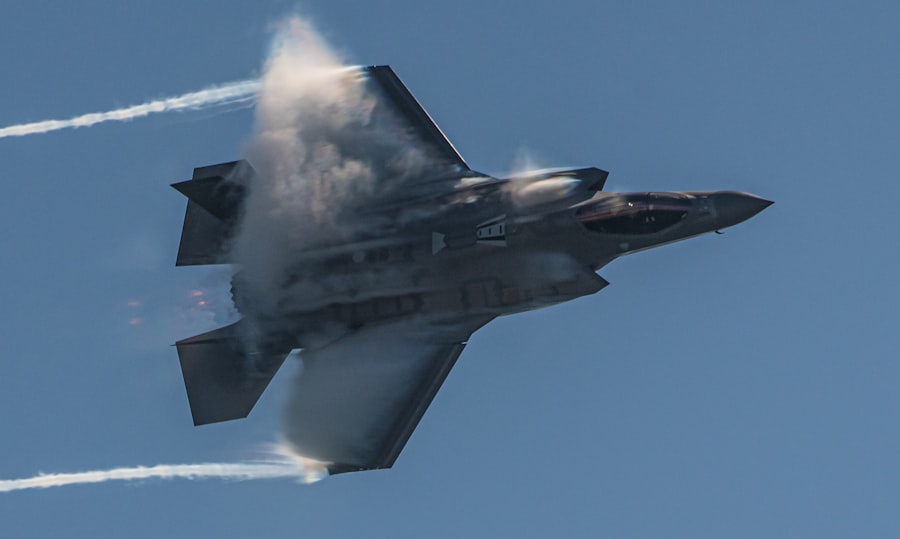
While speed is undeniably important, maneuverability is equally vital in determining a fighter jet’s effectiveness in combat. The ability to perform sharp turns, rapid climbs, and sudden descents allows pilots to evade enemy fire and position themselves advantageously during engagements. Maneuverability is particularly crucial in close-quarters dogfighting scenarios, where split-second decisions can lead to victory or defeat.
A highly maneuverable aircraft can outmaneuver its opponents, gaining the upper hand by exploiting their weaknesses and capitalizing on tactical opportunities. Furthermore, advancements in aerodynamics and control systems have significantly enhanced the maneuverability of modern fighter jets. Innovations such as thrust vectoring and advanced flight control systems enable pilots to execute complex maneuvers that were once thought impossible.
These technologies allow for greater agility and responsiveness, giving pilots the tools they need to navigate challenging combat environments effectively. As aerial combat continues to evolve, the importance of maneuverability remains a key consideration for designers and strategists alike.
The Trade-offs between Speed and Maneuverability
Despite their individual importance, speed and maneuverability often present a challenging dichotomy in fighter jet design. Increasing one attribute can sometimes come at the expense of the other, leading to trade-offs that must be carefully considered during the development process. For instance, while a jet designed for high-speed performance may excel in straight-line flight, it may lack the agility needed for tight turns and rapid changes in direction.
Conversely, an aircraft optimized for maneuverability may struggle to achieve high speeds, limiting its operational range and response capabilities. These trade-offs necessitate a delicate balance that engineers must navigate when designing fighter jets. The challenge lies in creating an aircraft that can achieve both high speeds and exceptional maneuverability without compromising either attribute significantly.
This balancing act requires innovative design solutions and a deep understanding of aerodynamics, materials science, and propulsion technology. As military needs evolve and new threats emerge, finding this equilibrium becomes increasingly critical for maintaining air superiority.
Design Considerations for Balancing Speed and Maneuverability
| Fighter Jet | Top Speed (Mach) | Turn Rate (degrees/sec) | Thrust-to-Weight Ratio | Maneuverability Rating |
|---|---|---|---|---|
| F-22 Raptor | 2.25 | 28 | 1.26 | Excellent |
| Su-35 | 2.25 | 30 | 1.10 | Excellent |
| F-16 Fighting Falcon | 2.05 | 27 | 1.095 | Very Good |
| Eurofighter Typhoon | 2.0 | 26 | 1.15 | Very Good |
| MiG-29 | 2.25 | 29 | 1.07 | Good |
| F-15 Eagle | 2.5 | 24 | 1.07 | Good |
When it comes to balancing speed and maneuverability in fighter jet design, several key considerations come into play. One of the foremost factors is aerodynamics; the shape of an aircraft significantly influences its performance characteristics. Streamlined designs can enhance speed by reducing drag, while features such as wing shape and control surfaces can improve maneuverability.
Engineers must carefully analyze these elements to create an aircraft that performs optimally across various flight regimes. Another critical consideration is weight distribution. A lighter aircraft generally has better maneuverability due to reduced inertia; however, weight must be managed carefully to ensure structural integrity during high-speed flight.
Additionally, advancements in materials technology have allowed for the development of lighter yet stronger materials that can withstand the stresses of high-speed maneuvers. By leveraging these innovations, designers can create fighter jets that strike an effective balance between speed and agility.
Advanced Technologies for Enhancing Speed and Maneuverability
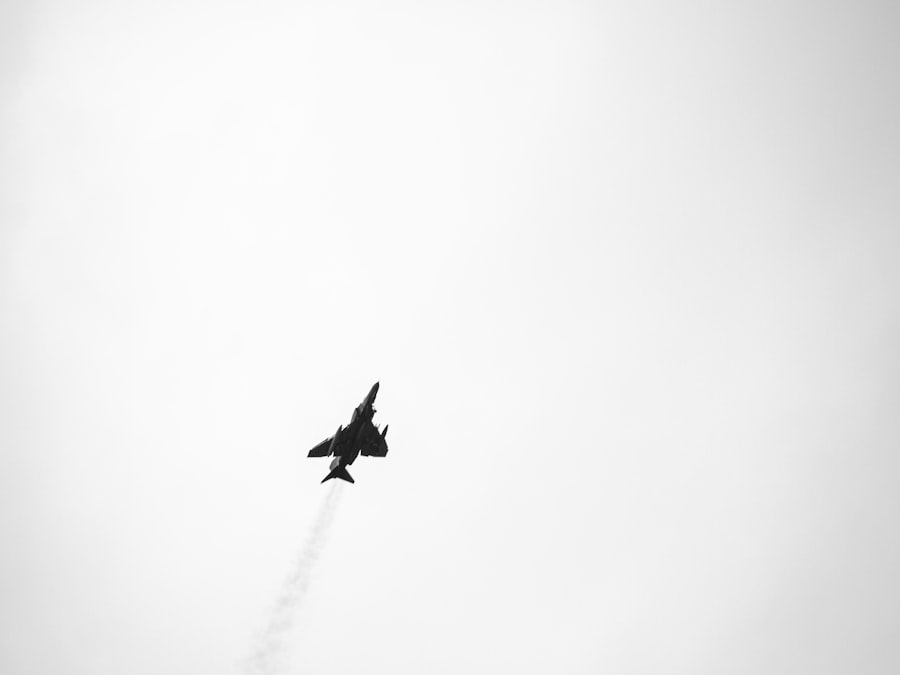
The pursuit of enhanced speed and maneuverability has led to significant advancements in technology within the aerospace industry. One notable innovation is thrust vectoring technology, which allows pilots to direct engine thrust in different directions. This capability enables fighter jets to perform extreme maneuvers that would be impossible with traditional control surfaces alone.
By harnessing this technology, modern jets can achieve unprecedented levels of agility while maintaining high speeds. Additionally, advancements in avionics play a crucial role in enhancing both speed and maneuverability. Modern fighter jets are equipped with sophisticated flight control systems that provide pilots with real-time data on their aircraft’s performance.
These systems allow for precise adjustments during flight, enabling pilots to optimize their maneuvers based on changing conditions. Furthermore, developments in engine technology have led to more powerful and efficient engines that can deliver higher thrust levels without compromising fuel efficiency. Together, these advancements are reshaping the landscape of aerial combat.
The Impact of Speed and Maneuverability on Combat Effectiveness
The interplay between speed and maneuverability has profound implications for combat effectiveness in aerial warfare. An aircraft that excels in both areas can dominate the battlefield by outpacing opponents while simultaneously executing complex maneuvers to evade enemy fire. This combination allows pilots to engage targets with precision while minimizing their exposure to threats.
In essence, speed and maneuverability serve as force multipliers that enhance a fighter jet’s overall combat capabilities. Moreover, the impact of these attributes extends beyond individual engagements; they influence broader strategic considerations as well. Air superiority is often determined by which side can effectively leverage its technological advantages in speed and maneuverability.
Nations that invest in advanced fighter jet designs that prioritize these characteristics are better positioned to deter adversaries and project power on a global scale. As such, understanding the dynamics of speed and maneuverability is essential for military planners seeking to maintain a competitive edge.
Training and Skills for Pilots to Maximize Speed and Maneuverability
While advanced technologies play a crucial role in enhancing speed and maneuverability, the skills and training of pilots are equally important in maximizing these attributes during combat operations. Pilots must undergo rigorous training programs that focus on developing their ability to operate at high speeds while executing complex maneuvers effectively. This training includes simulations that replicate real-world combat scenarios, allowing pilots to practice decision-making under pressure.
Additionally, understanding the limitations of their aircraft is vital for pilots seeking to optimize performance. Each fighter jet has unique characteristics that influence its handling at various speeds and altitudes. By familiarizing themselves with these nuances through extensive training, pilots can make informed decisions during engagements that capitalize on their aircraft’s strengths while mitigating its weaknesses.
Ultimately, effective training ensures that pilots are prepared to harness the full potential of their jets in dynamic combat environments.
The Future of Fighter Jet Technology in Balancing Speed and Maneuverability
As technology continues to advance at an unprecedented pace, the future of fighter jet design will likely see even greater innovations aimed at balancing speed and maneuverability. Emerging technologies such as artificial intelligence (AI) are poised to revolutionize aerial combat by enhancing decision-making processes for pilots and automating certain aspects of flight control. AI-driven systems could analyze real-time data from multiple sources, providing pilots with actionable insights that improve situational awareness and tactical effectiveness.
Furthermore, ongoing research into hypersonic flight may redefine the boundaries of speed in aerial warfare. Hypersonic vehicles capable of traveling at speeds exceeding Mach 5 could dramatically alter engagement dynamics by allowing for rapid strikes against distant targets while evading traditional air defense systems.
Case Studies of Fighter Jets that Excel in Speed and Maneuverability
Several fighter jets throughout history exemplify the successful integration of speed and maneuverability into their designs. The F-22 Raptor stands out as a prime example; it combines stealth capabilities with supercruise technology that allows it to fly at supersonic speeds without afterburners. This unique feature enhances its operational range while maintaining agility during combat maneuvers.
Another notable case is the Eurofighter Typhoon, which showcases exceptional agility thanks to its advanced aerodynamics and thrust vectoring capabilities. The Typhoon’s design enables it to perform tight turns and rapid climbs while maintaining high speeds—making it a formidable opponent in dogfights. These case studies illustrate how different approaches to design can yield aircraft that excel in both speed and maneuverability.
Achieving the Optimal Balance for Fighter Jet Performance
In conclusion, achieving an optimal balance between speed and maneuverability is essential for enhancing fighter jet performance in modern aerial warfare. Both attributes play critical roles in determining an aircraft’s effectiveness during combat operations; however, they often present trade-offs that require careful consideration during design processes. As technology continues to evolve, advancements such as thrust vectoring, AI integration, and hypersonic flight will further shape the landscape of military aviation.
Ultimately, understanding how speed and maneuverability interact will be crucial for military planners seeking to maintain air superiority in an increasingly complex battlefield environment. By investing in advanced technologies while prioritizing pilot training programs focused on maximizing these attributes, nations can ensure their air forces remain agile and responsive in the face of emerging threats. The future of fighter jet technology promises exciting developments that will continue to redefine what is possible in aerial combat—ensuring that speed and maneuverability remain at the forefront of military aviation strategy.
When discussing the balance between speed and maneuverability in fighter jets, it’s essential to consider how these factors impact aerial combat effectiveness. A related article that delves into this topic can be found on In The War Room, which explores the intricate dynamics of air superiority and the design philosophies behind modern fighter aircraft. For more insights, you can read the article [here](https://www.inthewarroom.com/).
WATCH THIS! 🎬 The Day Speed Died: How One Jet Changed Air Combat Forever
FAQs
What is the difference between speed and maneuverability in fighter jets?
Speed refers to how fast a fighter jet can fly, typically measured in Mach numbers or miles per hour. Maneuverability is the ability of the jet to change direction quickly and efficiently, which is crucial during dogfights and evasive actions.
Why is speed important for fighter jets?
Speed allows fighter jets to intercept enemy aircraft quickly, escape threats, and cover large distances rapidly. High speed can also provide an advantage in positioning during combat.
Why is maneuverability important for fighter jets?
Maneuverability enables a fighter jet to out-turn, out-climb, or out-dive an opponent, making it harder to be targeted and increasing the chances of gaining a tactical advantage in close-range combat.
Can a fighter jet be both fast and highly maneuverable?
Yes, modern fighter jets are designed to balance speed and maneuverability. However, there are trade-offs, and optimizing for one often impacts the other. Advanced aerodynamics, thrust vectoring, and fly-by-wire systems help improve both aspects.
Which is more important: speed or maneuverability?
The importance depends on the mission and combat scenario. Speed is critical for interception and quick strikes, while maneuverability is vital in dogfights and evading enemy fire. Most modern air combat requires a combination of both.
How do design features affect speed and maneuverability?
Features like wing shape, engine power, weight, and control surfaces influence speed and maneuverability. For example, delta wings can enhance speed, while variable-geometry wings improve maneuverability. Thrust vectoring engines also significantly boost maneuverability.
What role does technology play in enhancing fighter jet maneuverability?
Technologies such as fly-by-wire control systems, thrust vectoring, and advanced avionics allow pilots to perform complex maneuvers safely and effectively, pushing the limits of the aircraft’s natural aerodynamic capabilities.
Are there historical examples of fighter jets prioritizing speed over maneuverability or vice versa?
Yes. For example, the MiG-25 was designed for high speed and altitude but had limited maneuverability. Conversely, the F-16 was designed with excellent maneuverability in mind, sacrificing some top speed for agility.
How do pilot skills interact with a jet’s speed and maneuverability?
Pilot skill is crucial in maximizing the advantages of a jet’s speed and maneuverability. Skilled pilots can exploit their aircraft’s strengths and compensate for weaknesses during combat.
Do modern fighter jets still engage in dogfights where maneuverability is critical?
While beyond-visual-range (BVR) combat has become more common, close-range dogfights still occur, making maneuverability an important factor in modern air combat scenarios.