Acoustic fingerprinting has emerged as a pivotal technology in the realm of underwater detection, particularly in military and environmental applications. This innovative method utilizes unique sound signatures produced by various objects, including submarines, to identify and track them in the vast oceanic expanse. The concept of acoustic fingerprinting is akin to the way humans recognize faces or voices; each sound signature is distinct, allowing for precise identification.
As global security concerns escalate and the need for effective monitoring of underwater activities intensifies, the significance of acoustic fingerprinting cannot be overstated. The evolution of this technology has been driven by advancements in signal processing and machine learning, enabling more accurate and efficient detection capabilities. As nations invest in their naval capabilities, understanding the intricacies of acoustic fingerprinting becomes essential for both military strategists and environmental scientists.
This article delves into the mechanics of acoustic fingerprinting, its importance in submarine detection, and its broader implications across various sectors.
Key Takeaways
- Acoustic fingerprinting identifies unique sound patterns to detect and classify submarines effectively.
- It offers improved accuracy and stealth detection compared to traditional sonar methods.
- Challenges include environmental noise interference and the complexity of sound signature databases.
- Applications span both military submarine tracking and civilian uses like marine life monitoring.
- Ongoing innovations and international cooperation are driving advancements while addressing ethical and environmental concerns.
How Acoustic Fingerprinting Works
At its core, acoustic fingerprinting relies on the analysis of sound waves generated by objects submerged in water. Each object produces a unique acoustic signature based on its shape, size, material composition, and operational characteristics. When sound waves travel through water, they interact with the environment, leading to variations in frequency and amplitude that can be captured by hydrophones.
These recordings are then processed using sophisticated algorithms that extract distinctive features from the sound data. The process begins with the collection of underwater sound data through an array of sensors strategically placed in key locations. Once the data is gathered, it undergoes a series of transformations to isolate the relevant acoustic features.
Machine learning techniques are often employed to classify these features and match them against a database of known signatures. This allows for real-time identification and tracking of submarines or other underwater entities, significantly enhancing situational awareness for naval forces.
The Importance of Submarine Detection Technology

Submarine detection technology plays a crucial role in national security and maritime safety.
Acoustic fingerprinting offers a solution to this challenge by providing a more reliable means of identifying submarines that may otherwise remain undetected.
The ability to discern subtle differences in sound signatures can mean the difference between successful surveillance and potential threats going unnoticed.
They serve as platforms for nuclear deterrence, intelligence gathering, and special operations.
As such, nations are compelled to invest in advanced detection technologies to maintain a tactical advantage. Acoustic fingerprinting not only enhances military readiness but also contributes to broader maritime security efforts by enabling better monitoring of illegal activities such as smuggling and piracy.
Advantages of Acoustic Fingerprinting over Traditional Detection Methods
One of the primary advantages of acoustic fingerprinting is its ability to operate effectively in challenging underwater environments where traditional radar or optical systems fail. Water absorbs electromagnetic signals, making it difficult for conventional detection methods to function accurately beneath the surface. In contrast, acoustic waves can travel long distances underwater, allowing for comprehensive surveillance over vast areas.
Additionally, acoustic fingerprinting offers a level of precision that is often unattainable with other methods. By analyzing specific sound characteristics, operators can differentiate between various types of vessels and even identify individual submarines based on their unique signatures. This capability not only enhances tracking accuracy but also reduces false positives, which can lead to unnecessary military escalations or misinterpretations of underwater activity.
Challenges and Limitations of Acoustic Fingerprinting
| Metric | Description | Typical Value | Unit | Notes |
|---|---|---|---|---|
| Frequency Range | Operational frequency band for acoustic fingerprinting | 100 – 1000 | Hz | Low frequencies preferred for long-range detection |
| Detection Range | Maximum effective detection distance | 10 – 50 | km | Depends on environment and noise conditions |
| Signal-to-Noise Ratio (SNR) | Minimum SNR required for reliable fingerprint extraction | 15 – 25 | dB | Higher SNR improves detection accuracy |
| Fingerprint Uniqueness | Degree to which acoustic signature differentiates submarines | 85 – 95 | % | Measured by classification accuracy |
| Processing Latency | Time to analyze and identify acoustic fingerprint | 1 – 5 | seconds | Depends on algorithm complexity and hardware |
| False Alarm Rate | Frequency of incorrect submarine detections | 1 – 3 | % | Lower rates preferred for operational reliability |
| Hydrophone Array Size | Number of sensors used for acoustic data collection | 16 – 64 | units | Larger arrays improve spatial resolution |
Despite its advantages, acoustic fingerprinting is not without challenges. One significant limitation is the complexity of underwater acoustics, which can be influenced by numerous factors such as temperature, salinity, and ambient noise levels. These variables can distort sound waves and complicate the identification process.
As a result, operators must continuously calibrate their systems to account for changing environmental conditions. Another challenge lies in the need for extensive databases of known acoustic signatures. Building and maintaining such databases requires significant resources and ongoing research efforts.
Furthermore, as new submarine technologies emerge, existing databases may quickly become outdated, necessitating constant updates to ensure accurate identification. This dynamic nature of underwater acoustics presents an ongoing hurdle for researchers and military personnel alike.
Applications of Acoustic Fingerprinting in Military and Civilian Sectors
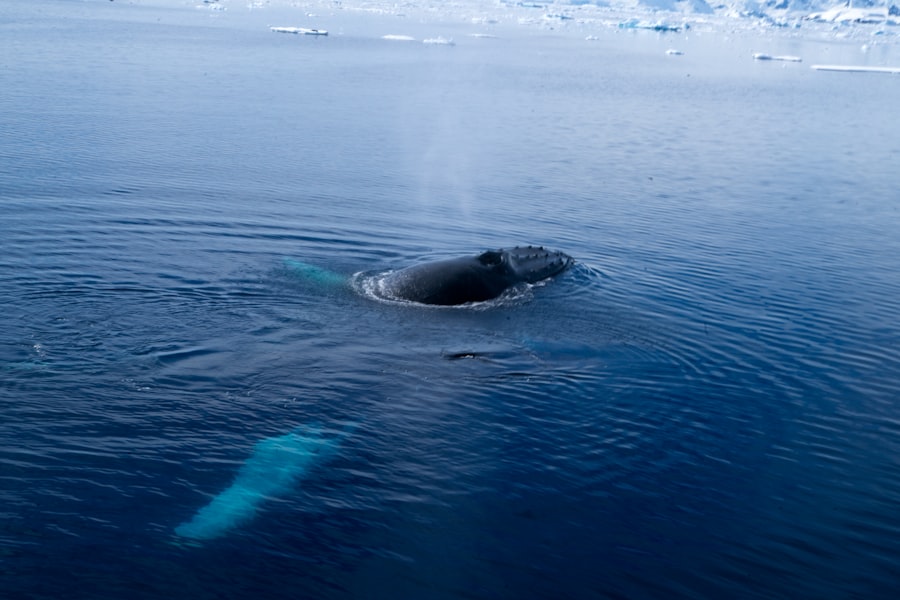
Acoustic fingerprinting finds applications across both military and civilian sectors, showcasing its versatility as a detection technology. In military contexts, it is primarily used for submarine detection and tracking, enabling navies to monitor potential threats effectively. The ability to identify specific vessels enhances strategic planning and operational readiness, allowing for timely responses to emerging situations.
In civilian applications, acoustic fingerprinting plays a vital role in environmental monitoring and marine research. Scientists utilize this technology to study marine life and assess the impact of human activities on underwater ecosystems. By analyzing sound patterns produced by marine animals or human-generated noise pollution, researchers can gain insights into biodiversity and ecosystem health.
This dual application underscores the importance of acoustic fingerprinting not only for security but also for sustainable environmental practices.
Recent Developments and Innovations in Acoustic Fingerprinting Technology
Recent advancements in acoustic fingerprinting technology have significantly enhanced its capabilities and applications. Innovations in machine learning algorithms have improved the accuracy of sound signature classification, allowing for faster processing times and more reliable identifications. Additionally, the integration of artificial intelligence has enabled systems to learn from new data continuously, adapting to changes in underwater environments and emerging threats.
Moreover, advancements in sensor technology have expanded the range and sensitivity of hydrophones used in acoustic fingerprinting systems. These improvements allow for more comprehensive data collection over larger areas, enhancing situational awareness for naval operations. As research continues to evolve, the potential for even more sophisticated applications of acoustic fingerprinting remains promising.
International Collaboration and Research in Acoustic Fingerprinting
The global nature of maritime security has fostered international collaboration in research and development related to acoustic fingerprinting technology. Various nations recognize that sharing knowledge and resources can lead to more effective solutions for underwater detection challenges. Collaborative efforts often involve joint exercises, data sharing agreements, and partnerships between military organizations and academic institutions.
Such collaborations not only enhance technological advancements but also promote standardization in acoustic fingerprinting methodologies. By establishing common frameworks for data collection and analysis, countries can improve interoperability among their naval forces. This collective approach strengthens global maritime security efforts while fostering innovation through shared expertise.
Ethical and Environmental Considerations in the Use of Acoustic Fingerprinting
As with any technology that interacts with natural ecosystems, ethical considerations surrounding acoustic fingerprinting are paramount. The use of hydrophones and other sensors can inadvertently impact marine life by introducing noise pollution into their habitats. Researchers must balance the need for effective detection with the responsibility to minimize harm to vulnerable species.
Furthermore, ethical dilemmas arise regarding data privacy and surveillance capabilities associated with acoustic fingerprinting technology. As nations enhance their monitoring capabilities, concerns about potential misuse or overreach become increasingly relevant. Establishing clear guidelines and regulations governing the use of this technology is essential to ensure that it serves its intended purpose without infringing on individual rights or environmental integrity.
Future Trends and Potential Advances in Acoustic Fingerprinting
Looking ahead, several trends are likely to shape the future of acoustic fingerprinting technology. The integration of advanced artificial intelligence will continue to enhance data processing capabilities, allowing for real-time analysis and decision-making in complex underwater environments. Additionally, developments in sensor miniaturization may lead to more widespread deployment of hydrophones across various platforms, including unmanned underwater vehicles.
Moreover, as climate change impacts marine ecosystems, there will be an increasing need for acoustic monitoring to assess changes in biodiversity and habitat health. This dual focus on security and environmental sustainability will drive further innovation in acoustic fingerprinting applications. The potential for cross-disciplinary collaboration between military organizations and environmental scientists will likely yield new insights into both underwater detection technologies and marine conservation efforts.
The Role of Acoustic Fingerprinting in Enhancing Submarine Detection Technology
In conclusion, acoustic fingerprinting stands at the forefront of modern submarine detection technology, offering unparalleled advantages over traditional methods while addressing critical challenges associated with underwater surveillance. Its unique ability to identify distinct sound signatures has transformed how nations approach maritime security and environmental monitoring alike. As advancements continue to unfold within this field, the importance of international collaboration and ethical considerations will remain paramount.
The future of acoustic fingerprinting holds immense promise not only for enhancing military capabilities but also for fostering sustainable practices within marine ecosystems. By embracing innovation while remaining mindful of ethical implications, stakeholders can harness the full potential of this technology to safeguard both national interests and environmental health in an increasingly complex world.
Recent advancements in acoustic fingerprinting technology have shown promising potential for submarine detection, enhancing the capabilities of naval surveillance systems. For a deeper understanding of the implications and applications of this technology, you can read more in the article available at this link. This article discusses various methodologies and their effectiveness in identifying submarines through unique acoustic signatures, highlighting the importance of this innovative approach in modern maritime security.
WATCH THIS! 🎖️ The Silent Underwater Network That Doomed Every Soviet Submarine
FAQs
What is acoustic fingerprinting in submarine detection?
Acoustic fingerprinting in submarine detection refers to the process of identifying and classifying submarines based on their unique sound signatures. These sound signatures, or “fingerprints,” are generated by the submarine’s machinery, propellers, and hull interactions with water, allowing for differentiation between different vessels.
How does acoustic fingerprinting help in detecting submarines?
Acoustic fingerprinting helps detect submarines by capturing and analyzing underwater sounds using hydrophones or sonar arrays. By comparing recorded sounds to a database of known acoustic fingerprints, operators can identify the presence, type, and sometimes the specific identity of a submarine.
What equipment is used for acoustic fingerprint submarine detection?
The primary equipment includes passive sonar systems, hydrophone arrays, and advanced signal processing software. These tools capture underwater sounds and analyze frequency patterns, noise levels, and other acoustic features to detect and classify submarines.
Is acoustic fingerprinting effective in all underwater environments?
Effectiveness can vary depending on environmental factors such as water temperature, salinity, depth, and background noise. Acoustic signals can be distorted or masked by natural and man-made noises, which may affect detection accuracy.
Can acoustic fingerprinting distinguish between different submarine classes?
Yes, acoustic fingerprinting can often distinguish between different classes of submarines because each class has unique acoustic characteristics based on design, propulsion, and operational noise. However, distinguishing between individual submarines of the same class can be more challenging.
What are the limitations of acoustic fingerprint submarine detection?
Limitations include environmental noise interference, the ability of submarines to reduce noise emissions through stealth technology, and the complexity of accurately matching acoustic signatures in real-time. Additionally, the need for extensive databases of known acoustic fingerprints is critical for effective identification.
How is acoustic fingerprint data collected and stored?
Data is collected using underwater sensors and sonar systems deployed on ships, submarines, or fixed installations. The acoustic data is digitized, processed, and stored in secure databases for analysis and comparison with new detections.
Are there international regulations regarding the use of acoustic fingerprinting for submarine detection?
There are no specific international regulations governing acoustic fingerprinting technology itself, but its use is generally subject to broader maritime laws and agreements related to surveillance, intelligence gathering, and naval operations.
Can acoustic fingerprinting be used for civilian applications?
While primarily a military technology, acoustic fingerprinting can also be used in civilian contexts such as marine biology research, underwater vehicle tracking, and environmental monitoring to identify and study marine life or human-made underwater objects.