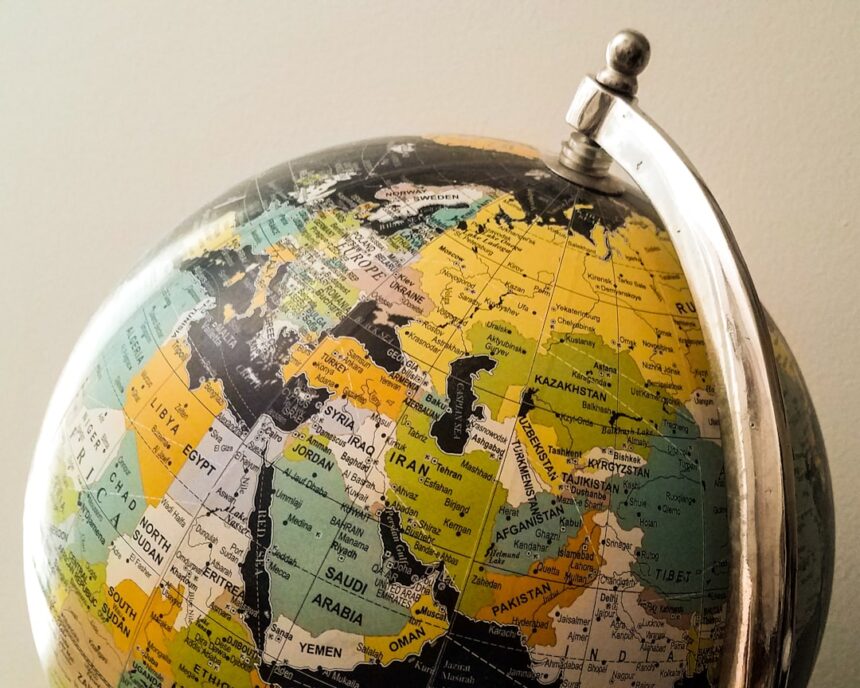
The Northern Sea Route (NSR) represents a significant maritime passage that traverses the Arctic Ocean along the northern coast of Russia. This route, which connects the Atlantic and Pacific Oceans, has gained increasing attention in recent years due to its potential to revolutionize global shipping and trade. As climate change continues to alter the Arctic landscape, melting ice has opened up previously inaccessible waters, making the NSR a viable alternative to traditional shipping lanes.
The implications of this development extend beyond mere economic considerations; they encompass geopolitical dynamics, environmental concerns, and international relations. The NSR is not merely a shortcut for shipping; it symbolizes a shift in global trade patterns. With the ability to reduce transit times between Europe and Asia significantly, the route offers a compelling alternative to the longer Suez Canal passage.
As nations and corporations seek to capitalize on these new opportunities, the Northern Sea Route stands at the intersection of commerce, politics, and environmental stewardship, making it a focal point for discussions about the future of Arctic navigation.
Key Takeaways
- The Northern Sea Route offers a shorter maritime path between Europe and Asia, with growing economic and strategic importance.
- Historical development of the route reflects evolving Arctic exploration and Russia’s central role in its navigation.
- Geopolitical tensions arise from competing Arctic claims, resource interests, and military presence.
- Environmental risks increase due to heightened shipping activity, raising concerns about fragile Arctic ecosystems.
- Future use of the route could reshape global trade patterns, influenced by Russia’s dominance and China’s expanding Arctic investments.
Historical significance and development of the Northern Sea Route
Historically, the Northern Sea Route has been a subject of intrigue and exploration since the early 20th century. The Russian government recognized its potential as early as the 1930s, when it began to develop infrastructure to support navigation in these icy waters. The Soviet Union played a pivotal role in charting the NSR, conducting extensive research and establishing a network of icebreakers to facilitate shipping.
This early investment laid the groundwork for what would become a critical maritime corridor in the Arctic. In recent decades, advancements in technology and changing climatic conditions have further propelled the development of the NSR. The melting of Arctic ice has not only made navigation more feasible but has also prompted renewed interest from various nations seeking to exploit the region’s resources.
The historical context of the NSR is essential for understanding its current significance, as it reflects both Russia’s longstanding commitment to Arctic exploration and the evolving dynamics of international shipping.
Geopolitical challenges and interests in the Arctic region
The Arctic region is characterized by a complex web of geopolitical interests, with multiple nations vying for influence over its resources and shipping routes. The Northern Sea Route is at the heart of these tensions, as countries like Russia, Canada, and the United States assert their claims over territorial waters and resources. The melting ice has not only opened new shipping lanes but has also intensified competition for access to untapped oil and gas reserves beneath the Arctic seabed.
Moreover, the strategic importance of the NSR extends beyond economic interests; it also encompasses national security concerns. As military capabilities in the Arctic are enhanced, nations are increasingly aware of the need to protect their interests in this fragile region. The interplay between economic ambitions and security considerations creates a challenging environment where cooperation and conflict coexist, making the Arctic a focal point for international diplomacy.
Legal framework and international agreements governing the Northern Sea Route
The legal framework governing the Northern Sea Route is complex and multifaceted, involving various international agreements and conventions. The United Nations Convention on the Law of the Sea (UNCLOS) serves as a foundational document that outlines maritime rights and responsibilities for coastal states. Under UNCLOS, Russia claims sovereignty over its territorial waters along the NSR while also asserting rights to an exclusive economic zone that extends beyond its coastline.
However, disputes persist regarding the interpretation of these legal frameworks, particularly concerning navigation rights and resource exploitation. Countries like the United States have challenged Russia’s claims, advocating for freedom of navigation in international waters. This legal ambiguity complicates efforts to establish clear guidelines for shipping operations in the Arctic, highlighting the need for ongoing dialogue and cooperation among Arctic nations.
Economic opportunities and challenges of navigating the Northern Sea Route
| Metric | Value/Description | Relevance to Northern Sea Route Geopolitics |
|---|---|---|
| Length of Northern Sea Route (NSR) | Approximately 5,600 km | Shorter shipping route between Europe and Asia compared to Suez Canal |
| Ice-free navigation period | Currently 1-3 months per year, projected to increase | Determines accessibility and commercial viability of NSR |
| Annual cargo volume (2023) | ~5 million tons | Indicator of NSR’s growing use and economic importance |
| Countries with territorial claims along NSR | Russia, Norway | Influences control, regulation, and security of the route |
| International disputes | Freedom of navigation vs. Russian control | Key geopolitical tension affecting global shipping and military presence |
| Environmental concerns | Impact on Arctic ecosystem, risk of oil spills | Shapes international regulations and cooperation efforts |
| Military presence | Increased Russian Arctic military deployments | Reflects strategic importance and security dynamics |
| Investment in infrastructure | Ports, icebreakers, search and rescue facilities | Enhances safety and operational capacity of NSR |
The economic potential of the Northern Sea Route is immense, offering significant opportunities for reduced shipping times and lower transportation costs. For businesses engaged in international trade, the NSR presents an attractive alternative to traditional routes, particularly for goods moving between Europe and Asia. The prospect of shorter transit times can lead to increased efficiency and profitability for shipping companies, making it an appealing option in an increasingly competitive global market.
However, navigating the NSR is not without its challenges. Harsh weather conditions, unpredictable ice patterns, and limited infrastructure pose significant risks for vessels operating in these waters. Additionally, concerns about safety and environmental protection complicate commercial operations.
As companies weigh the benefits against potential risks, careful planning and investment in technology will be essential to harnessing the economic opportunities presented by this emerging maritime route.
Environmental concerns and impact of increased shipping in the Arctic

The environmental implications of increased shipping activity along the Northern Sea Route are profound and multifaceted. The Arctic ecosystem is particularly vulnerable to disturbances caused by human activity, including oil spills, pollution from ships, and disruptions to wildlife habitats. As more vessels traverse these pristine waters, concerns about their impact on fragile ecosystems have intensified among environmentalists and indigenous communities alike.
Moreover, climate change exacerbates these challenges by altering weather patterns and ice conditions in unpredictable ways. The potential for increased shipping traffic raises questions about how best to balance economic interests with environmental stewardship. As stakeholders grapple with these issues, there is a growing recognition that sustainable practices must be prioritized to protect the Arctic’s unique environment while still allowing for responsible economic development.
Russia’s role and interests in the Northern Sea Route
Russia plays a central role in shaping the future of the Northern Sea Route, given its geographical proximity and historical investment in Arctic infrastructure. The Russian government views the NSR as a strategic asset that can enhance its economic standing while asserting its sovereignty over Arctic waters. By promoting the route as a viable shipping corridor, Russia aims to attract foreign investment and bolster its position as a key player in global trade.
Additionally, Russia’s interests extend beyond economic considerations; they encompass national security as well. The Kremlin has increased its military presence in the Arctic region to safeguard its territorial claims and protect vital shipping routes from potential threats. This dual focus on economic development and security underscores Russia’s commitment to leveraging its resources in the Arctic while navigating complex geopolitical dynamics.
China’s increasing involvement and investment in the Arctic region
China’s growing interest in the Arctic has emerged as a significant factor influencing developments along the Northern Sea Route. As part of its broader Belt and Road Initiative (BRI), China views the NSR as a critical component of its strategy to enhance trade connectivity between Asia and Europe. Chinese investments in Arctic infrastructure, including ports and shipping facilities, reflect its ambition to establish itself as a key player in Arctic affairs.
Moreover, China’s involvement raises questions about its intentions in a region traditionally dominated by Arctic nations. While Beijing emphasizes cooperation and sustainable development, concerns persist regarding its long-term goals and potential impact on regional stability. As China continues to expand its presence in the Arctic, it will be essential for other nations to engage in dialogue to address shared interests while managing potential conflicts.
European and North American perspectives on the Northern Sea Route
European and North American perspectives on the Northern Sea Route are shaped by a combination of economic interests, environmental concerns, and geopolitical considerations. For many European countries, particularly those with significant shipping industries, the NSR presents an opportunity for enhanced trade routes that could reduce reliance on traditional passages like the Suez Canal.
In North America, particularly within Canada and Alaska, there are concerns about sovereignty and territorial claims in Arctic waters. The United States has historically advocated for freedom of navigation but faces challenges in balancing this stance with environmental protection efforts. As both regions navigate their interests in relation to the NSR, collaboration among Arctic nations will be crucial for addressing shared challenges while promoting sustainable development.
Security considerations and military presence in the Arctic
Security considerations play a pivotal role in shaping policies related to the Northern Sea Route and broader Arctic governance. As nations enhance their military capabilities in response to perceived threats or competition over resources, tensions can escalate within this fragile region. The presence of military assets not only serves as a deterrent but also reflects national interests in asserting control over strategic waterways.
The increasing militarization of the Arctic raises questions about regional stability and cooperation among nations with competing claims. While some countries advocate for collaborative approaches to security challenges, others may prioritize unilateral actions that could exacerbate tensions. Finding common ground on security issues will be essential for fostering an environment conducive to peaceful coexistence in this rapidly changing landscape.
Future prospects and implications for global trade and geopolitics
The future prospects of the Northern Sea Route are intertwined with broader trends in global trade and geopolitics. As climate change continues to reshape navigability in Arctic waters, shipping patterns may shift dramatically over the coming decades. The NSR’s potential as a major trade corridor could redefine supply chains while altering traditional maritime routes.
However, these developments will not occur without challenges. Geopolitical tensions may intensify as nations vie for influence over this critical passageway, necessitating diplomatic efforts to manage competing interests effectively. Additionally, environmental sustainability will remain a pressing concern as stakeholders grapple with balancing economic growth with ecological preservation.
In conclusion, while the Northern Sea Route holds promise for transforming global trade dynamics, it also presents complex challenges that require careful consideration from all stakeholders involved. As nations navigate this evolving landscape, collaboration will be key to ensuring that economic opportunities do not come at the expense of environmental integrity or regional stability.
The Northern Sea Route has become a focal point in contemporary geopolitics, particularly as nations vie for control over this strategic passageway. An insightful article that delves into the implications of this route on global power dynamics can be found on In The War Room. For a deeper understanding of the geopolitical tensions surrounding the Northern Sea Route, you can read more in this article.
WATCH THIS! 🎬 America’s Nuclear City Was a Lie: The Russian Base That Made Iceworm Obsolete
FAQs
What is the Northern Sea Route?
The Northern Sea Route (NSR) is a shipping lane that runs along the Russian Arctic coast from the Kara Sea to the Bering Strait. It connects the Atlantic and Pacific Oceans and is considered a shorter alternative to traditional routes like the Suez Canal.
Why is the Northern Sea Route geopolitically significant?
The NSR is geopolitically significant because it offers strategic economic and military advantages. It shortens shipping times between Europe and Asia, potentially reducing costs and fuel consumption. Additionally, control over the route enhances a country’s influence in the Arctic region, which is rich in natural resources.
Which countries are most involved in the geopolitics of the Northern Sea Route?
Russia is the primary country involved, as the NSR runs along its Arctic coast. Other countries with interests include China, the United States, Canada, and members of the European Union, all of whom have strategic, economic, or environmental stakes in the Arctic.
How does climate change affect the Northern Sea Route?
Climate change is causing Arctic ice to melt, making the NSR more navigable for longer periods each year. This increases the route’s viability for commercial shipping but also raises environmental and security concerns.
What are the legal frameworks governing the Northern Sea Route?
The NSR is governed primarily by Russian law, as it passes through Russia’s Exclusive Economic Zone (EEZ). International laws such as the United Nations Convention on the Law of the Sea (UNCLOS) also apply, but Russia asserts significant control over navigation and access.
What are the environmental concerns related to the Northern Sea Route?
Increased shipping traffic raises risks of oil spills, disturbances to marine ecosystems, and pollution. The fragile Arctic environment is particularly vulnerable to such impacts, prompting calls for strict environmental regulations.
How does the Northern Sea Route impact global trade?
The NSR can significantly reduce shipping distances between Europe and Asia, potentially lowering transportation costs and transit times. However, its use is currently limited by seasonal ice coverage, infrastructure challenges, and geopolitical tensions.
What military interests are associated with the Northern Sea Route?
The NSR holds strategic military importance for Russia, which has increased its Arctic military presence to protect its interests. Other countries monitor the region due to its potential for new military routes and resource access.
Are there any international disputes related to the Northern Sea Route?
Disputes mainly revolve around navigation rights, environmental regulations, and sovereignty claims. Russia’s strict control over the NSR has been challenged by other countries advocating for freedom of navigation under international law.
What is the future outlook for the Northern Sea Route?
The NSR is expected to become more accessible due to ongoing climate change, potentially increasing its use for commercial shipping. However, geopolitical tensions, environmental concerns, and infrastructure development will shape its future role in global trade and security.