NATO’s Arctic Defense Strategy has emerged as a critical component of the alliance’s broader security framework, reflecting the growing geopolitical significance of the Arctic region. As climate change continues to reshape the landscape, melting ice caps are opening new maritime routes and exposing untapped natural resources. This evolving scenario has prompted NATO to reassess its strategic priorities and enhance its military readiness in the North.
The Arctic’s strategic importance is underscored by the increasing presence of various state and non-state actors vying for influence in the region. NATO’s Arctic Defense Strategy aims to address these dynamics by fostering collaboration among member states and enhancing collective defense capabilities.
As tensions rise, particularly with Russia’s assertive posture in the Arctic, NATO’s commitment to safeguarding the interests of its members has never been more crucial.
Key Takeaways
- NATO prioritizes the Arctic due to its strategic and geopolitical significance.
- The region faces unique challenges including harsh environment and increased military threats.
- NATO enhances defense through cooperation with Arctic allies and regular military exercises.
- Advanced technology and innovation are critical to effective Arctic defense operations.
- Securing the Arctic is essential for regional stability and global security in the future.
The Importance of the Arctic Region
The Arctic region holds immense geopolitical and economic significance, making it a focal point for international relations. With its vast reserves of oil, gas, and minerals, the Arctic is increasingly viewed as a treasure trove of resources that could fuel global economies for decades to come. As traditional energy sources dwindle, nations are turning their attention northward, leading to heightened competition for access to these valuable assets.
This competition is not limited to energy resources; the region also offers new shipping routes that can significantly reduce transit times between major global markets. Moreover, the Arctic is home to unique ecosystems and indigenous communities that have thrived for centuries. The melting ice is not only altering the physical landscape but also impacting the livelihoods and cultures of these communities.
As nations seek to assert their claims over territorial waters and resources, the need for a balanced approach that respects both environmental sustainability and human rights becomes paramount. NATO’s Arctic Defense Strategy must therefore consider these multifaceted aspects, ensuring that security measures do not come at the expense of ecological integrity or social justice.
Challenges and Threats in the Arctic

The challenges facing the Arctic are as diverse as they are complex. One of the most pressing issues is climate change, which is causing unprecedented alterations to the region’s environment. The rapid melting of ice caps not only threatens wildlife habitats but also increases the risk of geopolitical tensions as nations scramble to stake their claims.
Additionally, the changing climate is leading to more frequent and severe weather events, complicating military operations and humanitarian efforts in the region. Another significant challenge is the resurgence of military activity by various nations, particularly Russia. Moscow has been expanding its military presence in the Arctic, establishing new bases and conducting extensive military exercises.
This militarization raises concerns among NATO member states about potential confrontations and escalations in an already volatile environment. Furthermore, non-state actors, including environmental groups and commercial enterprises, are also becoming increasingly influential in Arctic affairs, adding another layer of complexity to the security landscape.
NATO’s Role in Arctic Defense
NATO’s role in Arctic defense is pivotal in maintaining stability and deterring potential aggressors. The alliance serves as a platform for collective defense, enabling member states to coordinate their efforts in response to emerging threats in the region. By fostering collaboration among its members, NATO enhances its collective capabilities and ensures that no single nation bears the burden of Arctic defense alone.
This cooperative approach is essential in addressing the multifaceted challenges posed by both state and non-state actors. In addition to military readiness, NATO emphasizes the importance of dialogue and diplomacy in its Arctic strategy. The alliance engages with various stakeholders, including non-member states and indigenous communities, to promote understanding and cooperation.
By fostering partnerships beyond its traditional boundaries, NATO aims to create a more inclusive security framework that addresses the diverse interests at play in the Arctic. This holistic approach not only strengthens NATO’s position but also contributes to long-term stability in the region.
Key Components of NATO’s Arctic Defense Strategy
| Metric | Details | Notes |
|---|---|---|
| Number of NATO Arctic Member States | 3 | Canada, Denmark (Greenland), Norway |
| Key Strategic Objectives | Enhance surveillance, improve rapid response, strengthen partnerships | Focus on deterrence and defense in the Arctic region |
| Annual Arctic Exercises | 2-3 major exercises | Includes Cold Response and Trident Juncture |
| Investment in Arctic Capabilities | Increased since 2020 | Focus on ice-capable ships, Arctic training, and infrastructure |
| Surveillance Assets Deployed | Satellite, radar, and maritime patrol aircraft | Enhanced monitoring of Arctic airspace and waters |
| Partnerships with Non-NATO Arctic States | Active collaboration with Finland, Sweden, and others | Supports regional security and information sharing |
NATO’s Arctic Defense Strategy encompasses several key components designed to enhance its operational effectiveness in the region. One of the primary elements is increased situational awareness through improved intelligence-sharing among member states. By leveraging advanced surveillance technologies and data analytics, NATO can better monitor developments in the Arctic and respond swiftly to emerging threats.
This proactive stance is crucial in a region where rapid changes can occur with little warning. Another critical component is the enhancement of military infrastructure in the Arctic. NATO recognizes that effective defense requires robust logistical support and operational capabilities tailored to the unique challenges of the region.
This includes investing in ice-capable vessels, establishing forward operating bases, and improving communication networks. By bolstering its military presence and capabilities, NATO aims to deter potential aggressors while ensuring that it can respond effectively to crises as they arise.
Cooperation with Arctic Allies and Partners
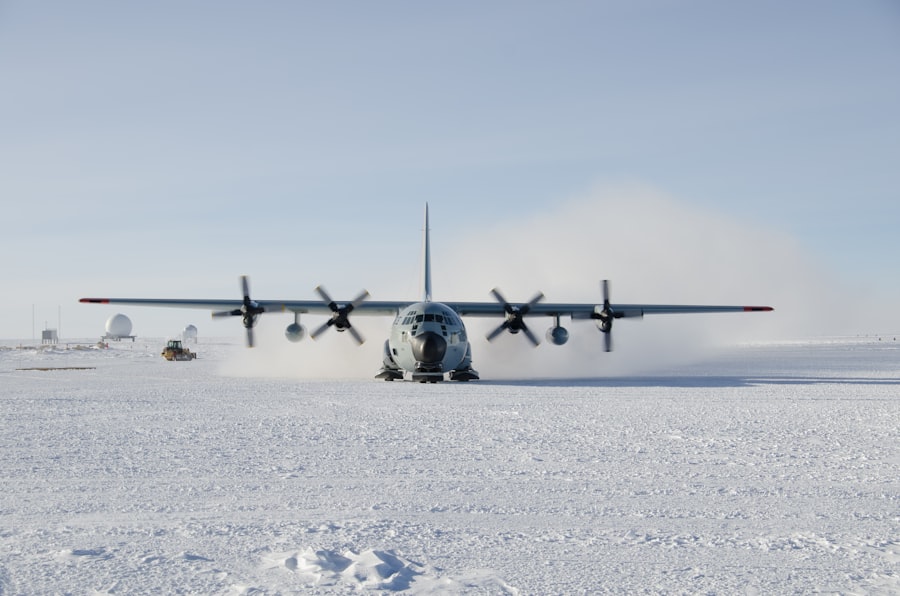
Cooperation with Arctic allies and partners is a cornerstone of NATO’s approach to regional security. The alliance actively engages with non-member states that have interests in the Arctic, such as Sweden and Finland, which have historically maintained close ties with NATO while remaining outside its formal structure. This collaboration allows for a more comprehensive understanding of regional dynamics and fosters joint initiatives aimed at enhancing security.
Furthermore, NATO seeks to strengthen partnerships with indigenous communities and environmental organizations to ensure that its strategies align with local needs and concerns. By incorporating diverse perspectives into its decision-making processes, NATO can build trust and legitimacy among stakeholders in the region. This inclusive approach not only enhances security but also promotes sustainable development practices that respect both cultural heritage and environmental integrity.
Military Presence and Exercises in the Arctic
NATO’s military presence in the Arctic has been steadily increasing as part of its commitment to collective defense. The alliance conducts regular military exercises designed to enhance interoperability among member states’ armed forces while testing their capabilities in harsh Arctic conditions. These exercises serve multiple purposes: they demonstrate NATO’s resolve to defend its members’ interests, improve readiness for potential crises, and foster cooperation among allied forces.
The strategic importance of these exercises cannot be overstated. They provide valuable opportunities for troops to train in extreme environments, ensuring that they are well-prepared for any eventuality. Additionally, these operations send a clear message to potential adversaries about NATO’s commitment to maintaining stability in the region.
By showcasing its military capabilities through joint exercises, NATO reinforces its deterrence posture while simultaneously building stronger bonds among member states.
Environmental and Humanitarian Aspects of Arctic Defense
As NATO develops its Arctic Defense Strategy, it must also consider environmental and humanitarian aspects that are integral to long-term stability in the region. The effects of climate change are particularly pronounced in the Arctic, necessitating a defense strategy that prioritizes ecological sustainability alongside military readiness. NATO recognizes that environmental degradation can exacerbate security challenges, making it essential to incorporate environmental considerations into all aspects of its operations.
Humanitarian concerns are equally important in shaping NATO’s approach to Arctic defense. The alliance must be prepared to respond not only to military threats but also to natural disasters and humanitarian crises resulting from climate change or other factors. By integrating humanitarian assistance into its strategic planning, NATO can enhance its overall effectiveness while demonstrating its commitment to protecting vulnerable populations in the region.
Technology and Innovation in Arctic Defense
Technology plays a pivotal role in enhancing NATO’s capabilities in Arctic defense. The alliance is investing in cutting-edge technologies that can improve situational awareness, communication, and operational efficiency in challenging environments. Innovations such as unmanned aerial vehicles (UAVs), satellite surveillance systems, and advanced data analytics are transforming how NATO monitors developments in the Arctic and responds to emerging threats.
Moreover, collaboration with private sector partners and research institutions is fostering innovation within NATO’s defense framework. By leveraging expertise from various fields, including environmental science and engineering, NATO can develop solutions tailored to the unique challenges posed by the Arctic environment. This emphasis on technology not only enhances military readiness but also positions NATO as a leader in addressing complex security challenges through innovative approaches.
Future Outlook for NATO’s Arctic Defense Strategy
The future outlook for NATO’s Arctic Defense Strategy is shaped by an array of factors that will influence regional dynamics over the coming years. As climate change continues to alter the landscape, new opportunities for resource extraction and shipping routes will emerge, intensifying competition among nations. In this context, NATO must remain agile and adaptable, continuously reassessing its strategies to address evolving threats while promoting stability.
Furthermore, geopolitical tensions are likely to persist as nations assert their claims over territorial waters and resources. NATO’s ability to navigate these complexities will depend on its commitment to collaboration with allies and partners while maintaining a credible deterrent posture. By fostering dialogue and cooperation among diverse stakeholders, NATO can contribute to a more secure and stable Arctic environment that benefits all parties involved.
The Importance of Securing the North
In conclusion, securing the North through a robust Arctic Defense Strategy is essential for NATO as it navigates an increasingly complex geopolitical landscape. The challenges posed by climate change, military competition, and humanitarian concerns necessitate a comprehensive approach that balances military readiness with environmental sustainability and cooperation among diverse stakeholders. As nations vie for influence in this vital region, NATO’s commitment to collective defense will play a crucial role in ensuring stability and security for its member states.
The importance of securing the Arctic cannot be overstated; it is not merely about protecting national interests but also about safeguarding shared values such as peace, cooperation, and respect for human rights. By prioritizing collaboration with allies and partners while investing in innovative technologies, NATO can position itself as a leader in addressing both current challenges and future uncertainties in the Arctic region. Ultimately, a secure North is vital not only for NATO member states but for global stability as well.
The evolving security landscape in the Arctic has prompted NATO to reassess its defense strategy in the region, emphasizing the need for enhanced cooperation among member states. For a deeper understanding of the implications of this strategy, you can read a related article that discusses the geopolitical dynamics at play in the Arctic and NATO’s response to emerging threats. Check it out here: NATO’s Arctic Defense Strategy.
WATCH THIS! 🎬 America’s Nuclear City Was a Lie: The Russian Base That Made Iceworm Obsolete
FAQs
What is NATO’s Arctic defense strategy?
NATO’s Arctic defense strategy focuses on enhancing the alliance’s military presence, improving surveillance and reconnaissance capabilities, and strengthening cooperation among member states to address security challenges in the Arctic region.
Why is the Arctic region important to NATO?
The Arctic is strategically important due to its natural resources, new shipping routes emerging from melting ice, and its geopolitical significance. NATO aims to ensure stability, security, and freedom of navigation in the region.
Which countries are involved in NATO’s Arctic defense efforts?
NATO’s Arctic defense efforts primarily involve member countries with Arctic territories or interests, including the United States, Canada, Norway, Denmark (via Greenland), and Iceland, among others.
What are the main security challenges in the Arctic that NATO addresses?
Key challenges include increased military activity by non-NATO actors, territorial disputes, environmental changes affecting infrastructure, and the need to protect critical maritime routes and natural resources.
How does NATO coordinate with non-member Arctic states?
NATO engages in dialogue and cooperation with non-member Arctic states such as Russia and Finland to promote transparency, confidence-building measures, and peaceful resolution of disputes, while maintaining a strong defense posture.
What role does climate change play in NATO’s Arctic defense strategy?
Climate change is a significant factor as melting ice opens new maritime routes and access to resources, increasing strategic competition and necessitating enhanced surveillance and rapid response capabilities.
Are there any specific military exercises conducted by NATO in the Arctic?
Yes, NATO regularly conducts joint military exercises in the Arctic to improve interoperability, readiness, and to demonstrate the alliance’s commitment to security in the region.
How does NATO’s Arctic defense strategy impact global security?
By promoting stability and deterring aggression in the Arctic, NATO’s strategy helps prevent conflicts, supports international law, and contributes to broader global security and cooperation.