
The failed rescue mission at Desert One remains one of the most significant events in American military history, a stark reminder of the complexities and challenges inherent in special operations. In April 1980, the United States found itself in a precarious situation following the Iranian hostage crisis, where fifty-two American diplomats and citizens were held captive in Tehran. The urgency to rescue these hostages led to the planning of Operation Eagle Claw, a mission that would ultimately end in tragedy.
The operation was intended to be a swift and decisive response to the hostage situation, but it quickly devolved into chaos, highlighting the unpredictable nature of military interventions. As the mission unfolded, it became clear that the challenges faced by the U.S. military were far greater than anticipated.
The operation was fraught with logistical difficulties, including the need for precise coordination among various branches of the military. The failure to secure adequate intelligence about the terrain and the conditions in Iran compounded these challenges. The mission’s ambitious scope and the high stakes involved created an atmosphere of tension and urgency, ultimately leading to a disastrous outcome that would resonate for years to come.
Key Takeaways
- Operation Eagle Claw was a failed 1980 mission to rescue hostages in Iran, ending in a helicopter crash at Desert One.
- Eight American servicemen tragically lost their lives during the mission, marking a somber moment in U.S. military history.
- The disaster significantly impacted U.S.-Iran relations and led to extensive investigations and military reforms.
- The fallen heroes of Desert One are remembered and honored for their bravery and sacrifice.
- Lessons from the operation continue to influence military planning and highlight the enduring relevance of Desert One.
The Planning and Execution of Operation Eagle Claw
Operation Eagle Claw was meticulously planned, involving extensive collaboration among military leaders, intelligence agencies, and government officials. The objective was clear: to infiltrate Iran, rescue the hostages, and return them safely to American soil. However, the planning phase revealed significant gaps in intelligence and preparation.
The U.S. military had to contend with not only the hostile environment but also the unpredictability of Iranian forces. Despite these challenges, the operation was greenlit, driven by a sense of urgency and desperation.
The execution of Operation Eagle Claw began with a series of complex maneuvers involving multiple aircraft and ground teams. Special forces units were deployed to various locations in Iran, with the hope that they could coordinate their efforts seamlessly. However, as the operation progressed, it became evident that communication breakdowns and unforeseen obstacles were undermining their efforts.
The initial stages of the mission were marked by confusion and disarray, setting the stage for the catastrophic events that would follow.
The Helicopter Crash at Desert One

The turning point of Operation Eagle Claw occurred at Desert One, where a critical failure led to a catastrophic helicopter crash.
S. forces attempted to regroup after encountering unexpected resistance, a series of mechanical failures and poor visibility culminated in a tragic accident.
One of the helicopters collided with a transport plane, resulting in a fiery explosion that claimed lives and destroyed vital equipment. This incident not only halted the mission but also left the remaining forces vulnerable and exposed in hostile territory. The crash at Desert One was a devastating blow to the operation’s morale.
It underscored the inherent risks associated with military operations, particularly those conducted in unfamiliar environments. The loss of aircraft and personnel forced commanders to reassess their strategy and consider the implications of continuing with a mission that had already spiraled out of control. The chaos that ensued following the crash highlighted the fragility of military operations and the dire consequences of miscalculations in high-stakes situations.
The Tragic Loss of Eight Brave Servicemen
| Metric | Details |
|---|---|
| Number of Servicemen Lost | 8 |
| Date of Incident | Not Specified |
| Branch of Service | Not Specified |
| Cause of Loss | Not Specified |
| Location of Incident | Not Specified |
| Age Range of Servicemen | Not Specified |
| Rank Range | Not Specified |
| Memorials Held | Not Specified |
The aftermath of the helicopter crash at Desert One was marked by profound tragedy as eight brave servicemen lost their lives in the line of duty. These individuals were not just soldiers; they were dedicated professionals who had committed themselves to serving their country. Their sacrifice resonated deeply within military circles and among the American public, serving as a stark reminder of the human cost associated with military operations.
The loss of these servicemen cast a long shadow over Operation Eagle Claw, transforming what was intended to be a heroic rescue into a somber reflection on sacrifice and valor. In honoring their memory, it is essential to recognize the courage displayed by these individuals in the face of overwhelming odds. They exemplified the spirit of service and commitment that defines the armed forces, willing to put their lives on the line for a mission fraught with uncertainty.
Their legacy serves as a poignant reminder of the sacrifices made by those who serve in uniform, reinforcing the importance of remembering their contributions to national security and global stability.
The Impact of the Desert One Tragedy on US-Iran Relations
The failure of Operation Eagle Claw had far-reaching implications for U.S.-Iran relations, exacerbating tensions between the two nations that persist to this day. In the wake of the failed rescue attempt, Iran viewed the United States as an aggressor, further entrenching anti-American sentiment within its borders. The operation’s failure not only solidified Iran’s resolve but also contributed to a broader narrative that framed U.S.
interventionism as a threat to national sovereignty. The fallout from Desert One extended beyond immediate diplomatic relations; it also influenced U.S. foreign policy in the region for decades to come.
The perception of American military might was shaken, leading to a more cautious approach in subsequent engagements with Middle Eastern nations. The lessons learned from this tragic episode prompted policymakers to reevaluate strategies for dealing with complex geopolitical situations, emphasizing diplomacy over military intervention whenever possible.
Remembering the Fallen Heroes of Desert One
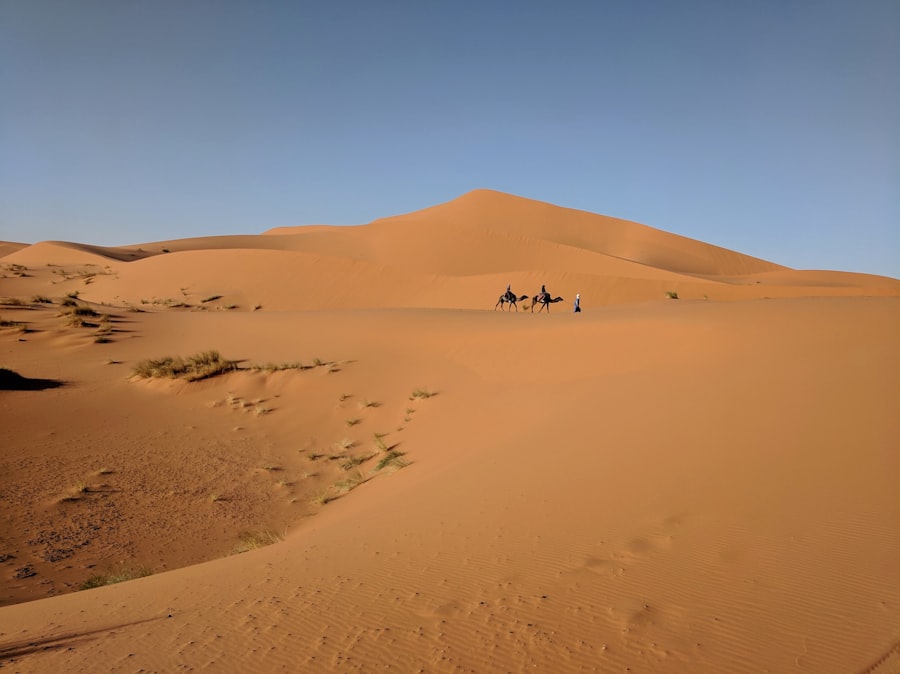
In remembering the fallen heroes of Desert One, it is crucial to honor their sacrifice and reflect on their contributions to national security. Memorials and tributes have been established to commemorate their bravery and dedication, ensuring that their legacy endures in the hearts and minds of future generations. These memorials serve not only as a tribute to those who lost their lives but also as a reminder of the sacrifices made by countless servicemen and women throughout history.
The act of remembrance extends beyond physical memorials; it encompasses storytelling and education about their lives and service. By sharing their stories, society can foster a deeper understanding of the complexities faced by military personnel during times of conflict. This collective memory serves as an important tool for honoring their legacy while also educating future generations about the realities of war and sacrifice.
The Aftermath and Investigation of the Desert One Tragedy
In the wake of Operation Eagle Claw’s failure, an extensive investigation was launched to analyze what went wrong during the mission. This inquiry sought to identify shortcomings in planning, execution, and communication that contributed to the tragic outcome at Desert One. Military leaders faced intense scrutiny as they grappled with questions about accountability and responsibility for the loss of life and resources.
The investigation revealed critical lessons about operational planning and execution that would shape future military endeavors. It highlighted the importance of thorough intelligence gathering, realistic assessments of capabilities, and contingency planning for unforeseen circumstances. These insights prompted significant changes within military protocols, emphasizing a more comprehensive approach to special operations that prioritized both effectiveness and safety.
Lessons Learned from the Desert One Operation
The lessons learned from Operation Eagle Claw have had lasting implications for U.S. military operations in subsequent decades. One key takeaway was the necessity for meticulous planning that accounts for potential obstacles and contingencies.
The failure at Desert One underscored how crucial it is for military leaders to have a comprehensive understanding of both operational environments and logistical requirements before embarking on complex missions. Additionally, communication emerged as a critical factor in ensuring mission success. The breakdowns experienced during Operation Eagle Claw highlighted how vital it is for all units involved in an operation to maintain clear lines of communication throughout every phase of execution.
These lessons have since been integrated into training programs for special operations forces, reinforcing the importance of adaptability and coordination in high-pressure situations.
Honoring the Legacy of the Fallen Servicemen
Honoring the legacy of those who perished at Desert One involves more than just remembrance; it requires an ongoing commitment to understanding their sacrifices within a broader context. Their bravery serves as an enduring symbol of dedication to duty and country, inspiring future generations to uphold similar values in service to others. Various organizations have been established to support veterans and their families, ensuring that their sacrifices are recognized and appreciated.
Moreover, educational initiatives aimed at teaching young people about military history can help instill respect for those who serve in uniform. By fostering an understanding of past conflicts and sacrifices made by servicemen like those lost at Desert One, society can cultivate a culture that values service, sacrifice, and resilience in facing adversity.
The Personal Stories of the Eight Fallen Heroes
Each of the eight servicemen who lost their lives during Operation Eagle Claw had unique stories that reflect their dedication and commitment to service. They came from diverse backgrounds but shared a common purpose: to protect their fellow citizens and uphold American values abroad. Their personal narratives reveal not only their bravery but also their humanity—each man had dreams, families, and aspirations that were tragically cut short.
By sharing these personal stories, society can better appreciate the individual sacrifices made during military operations. These narratives serve as powerful reminders that behind every statistic lies a person—a son, a brother, or a friend—whose life was irrevocably altered by conflict. Honoring these stories ensures that their legacies endure beyond mere historical accounts; they become part of a collective memory that shapes national identity.
The Continued Relevance of the Desert One Tragedy in Military History
The tragedy at Desert One continues to resonate within military history as an example of both failure and resilience. It serves as a cautionary tale about the complexities involved in special operations while also highlighting the importance of learning from past mistakes. As military strategies evolve in response to changing geopolitical landscapes, the lessons gleaned from Operation Eagle Claw remain relevant today.
Moreover, Desert One has become emblematic of broader themes within military history—issues such as accountability, leadership under pressure, and ethical considerations surrounding interventionism are all encapsulated within this tragic event. As new generations study military history, understanding incidents like Desert One will be crucial for developing informed leaders capable of navigating future challenges with wisdom and foresight. In conclusion, while Operation Eagle Claw ended in tragedy at Desert One, its legacy serves as an enduring reminder of sacrifice, courage, and resilience within military history.
By reflecting on this event through various lenses—planning failures, personal stories, and broader implications for U.S.-Iran relations—society can honor those who served while also learning valuable lessons for future endeavors.
The tragic events surrounding the eight servicemen killed at Desert One during the Iran hostage rescue mission highlight the complexities and challenges of military operations. For a deeper understanding of the implications of such missions, you can read more in the related article on military strategy and operations at In The War Room.
WATCH THIS! The Disaster That Saved Them: How Eagle Claw’s Failure Freed the Hostages
FAQs
Who were the eight servicemen killed at Desert One?
The eight servicemen were members of the U.S. military who died during Operation Eagle Claw, a failed mission to rescue American hostages in Iran in 1980.
What was Operation Eagle Claw?
Operation Eagle Claw was a covert U.S. military operation aimed at rescuing 52 American hostages held in Tehran, Iran, during the Iran Hostage Crisis.
When did the incident at Desert One occur?
The incident occurred on April 24, 1980, during the early stages of Operation Eagle Claw.
Where is Desert One located?
Desert One is a remote desert landing site in Iran, chosen as a staging area for the rescue mission.
How did the servicemen die at Desert One?
The servicemen died in a helicopter crash and a subsequent collision between a helicopter and a transport aircraft during the mission.
What was the outcome of Operation Eagle Claw?
The mission was aborted after the crash, and the hostages were not rescued. The failure led to significant changes in U.S. military special operations.
How did the deaths at Desert One impact U.S. military policy?
The incident highlighted the need for better coordination and capabilities in special operations, leading to the creation of the U.S. Special Operations Command (USSOCOM).
Are the eight servicemen commemorated or honored?
Yes, the eight servicemen are honored for their sacrifice, and their story is remembered as a significant event in U.S. military history.