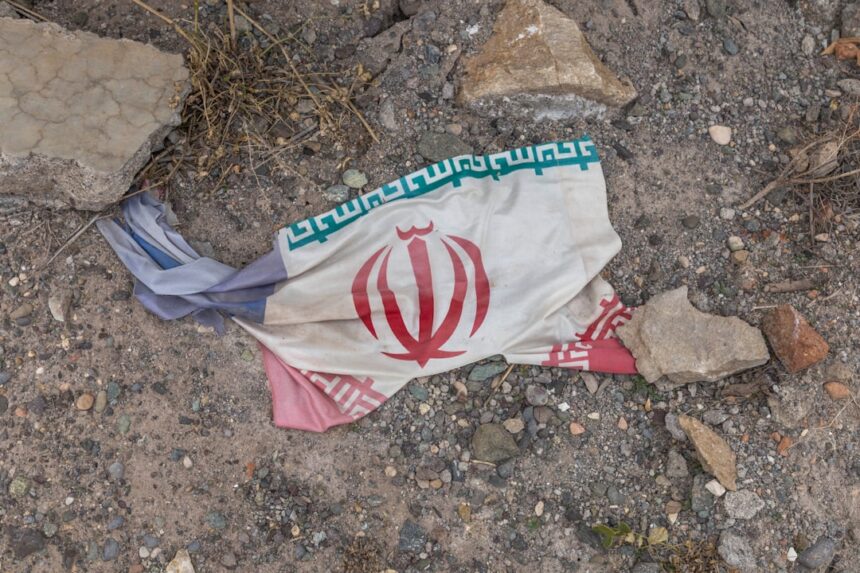
The relationship between the United States and Iran has been fraught with tension and complexity, shaped by a series of historical events that have left a lasting impact on both nations. The roots of this contentious relationship can be traced back to the early 20th century, particularly with the 1953 CIA-backed coup that overthrew Iran’s democratically elected Prime Minister, Mohammad Mossadegh. This intervention was motivated by a desire to secure Western control over Iranian oil resources and to curb the influence of communism in the region.
The coup not only reinstated the Shah, Mohammad Reza Pahlavi, but also sowed deep-seated resentment among Iranians towards the United States, which they viewed as an imperialist power meddling in their affairs.
This revolution was fueled by widespread discontent with the Shah’s authoritarian regime and Western influence in Iran.
The subsequent hostage crisis, where fifty-two American diplomats and citizens were held captive for 444 days, marked a definitive turning point in US-Iran relations. The crisis not only solidified anti-American sentiment in Iran but also led to a complete severance of diplomatic ties between the two nations, setting the stage for decades of hostility and conflict.
Key Takeaways
- US-Iran relations have been shaped by a complex history of conflict and cooperation.
- Economic sanctions have significantly impacted Iran’s economy and political decisions.
- International diplomacy and backchannel negotiations play crucial roles in managing tensions.
- Domestic politics and public opinion within Iran influence its foreign policy strategies.
- Geopolitical dynamics and external mediators affect the future trajectory of US-Iran relations.
Impact of Economic Sanctions
Economic sanctions have been a cornerstone of US policy towards Iran since the late 20th century, aimed at curbing its nuclear ambitions and influencing its regional behavior. These sanctions have evolved over time, becoming increasingly comprehensive and stringent. Initially focused on specific individuals and entities, they expanded to include broad measures targeting Iran’s oil exports, banking sector, and access to international financial markets.
The impact of these sanctions has been profound, leading to significant economic hardship for the Iranian populace. Inflation rates soared, unemployment increased, and essential goods became scarce, creating a humanitarian crisis that affected millions. Despite the intended goal of pressuring the Iranian government to alter its policies, the effectiveness of these sanctions has been debated.
While they have undoubtedly strained Iran’s economy, they have also fostered a sense of nationalism and resistance among Iranians. Many citizens view the sanctions as unjust punishment for their government’s actions, leading to a rallying effect around the regime. This dynamic complicates the US’s strategy, as it often results in a hardening of attitudes against American influence rather than compliance with demands.
The long-term consequences of these sanctions continue to shape Iran’s economic landscape and its relationship with the international community.
Role of International Diplomacy
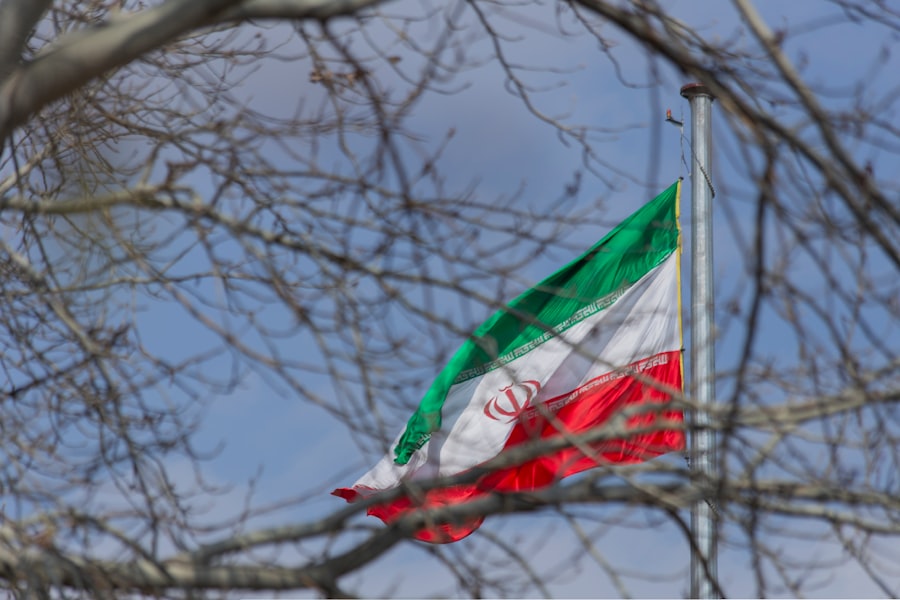
International diplomacy has played a crucial role in shaping the trajectory of US-Iran relations, particularly in efforts to address nuclear proliferation concerns. The most significant diplomatic endeavor was the Joint Comprehensive Plan of Action (JCPOA), commonly known as the Iran nuclear deal, reached in 2015 between Iran and six world powers: the United States, United Kingdom, France, Russia, China, and Germany. This landmark agreement aimed to limit Iran’s nuclear program in exchange for relief from economic sanctions.
The negotiations leading up to the JCPOA were marked by intense discussions and compromises, highlighting the complexities of balancing national security interests with diplomatic engagement. However, the diplomatic landscape shifted dramatically in 2018 when the Trump administration unilaterally withdrew from the JCPOA, reinstating harsh sanctions on Iran. This decision not only undermined years of diplomatic efforts but also raised questions about the reliability of international agreements.
In response, Iran began to gradually roll back its commitments under the deal, further escalating tensions. The failure of diplomacy in this context underscores the challenges faced by negotiators who must navigate not only bilateral relations but also broader geopolitical dynamics that influence decision-making on both sides.
Domestic Political Considerations in Iran
| Metric | Description | Current Status | Impact on Policy |
|---|---|---|---|
| Public Approval Rating of Government | Percentage of population supporting the current administration | Approximately 40% | Influences government legitimacy and reform initiatives |
| Economic Inflation Rate | Annual percentage increase in consumer prices | Over 40% (2024 estimate) | Drives public dissatisfaction and economic policy adjustments |
| Unemployment Rate | Percentage of labor force without jobs | About 12% | Pressures government to create jobs and improve economy |
| Political Faction Influence | Relative power of reformists vs conservatives in parliament | Conservatives hold majority | Shapes legislative priorities and foreign policy stance |
| Public Protests Frequency | Number of significant protests per year | High, with multiple protests in 2023-2024 | Impacts government security policies and political openness |
| Media Freedom Index | Level of press freedom and censorship | Low to moderate freedom | Affects public discourse and government transparency |
Domestic political considerations play a significant role in shaping Iran’s foreign policy and its approach to relations with the United States. The Iranian political landscape is characterized by a complex interplay between various factions, including hardliners and reformists, each with differing views on engagement with the West. Hardliners often advocate for a confrontational stance against perceived threats from the US and its allies, viewing any form of negotiation as a sign of weakness.
In contrast, reformists tend to support diplomatic engagement as a means to alleviate economic pressures and improve relations with the international community. The internal power dynamics within Iran can significantly influence its foreign policy decisions. For instance, during periods of economic hardship exacerbated by sanctions, hardline factions may gain traction by promoting anti-American rhetoric and emphasizing national sovereignty.
Conversely, reformist leaders may seek to leverage diplomatic openings to secure economic relief and foster international cooperation. This internal struggle complicates any potential negotiations with the US, as changes in leadership or shifts in public sentiment can lead to abrupt changes in policy direction.
Humanitarian Concerns
Humanitarian concerns have emerged as a critical aspect of US-Iran relations, particularly in light of the severe economic impact of sanctions on ordinary Iranians. While sanctions are often justified on national security grounds, their unintended consequences can lead to widespread suffering among civilians. Access to essential goods such as food, medicine, and medical supplies has been severely restricted due to financial barriers imposed by sanctions.
Reports from humanitarian organizations indicate that vulnerable populations, including children and the elderly, have been disproportionately affected by these measures. The humanitarian crisis resulting from sanctions raises ethical questions about their implementation and effectiveness. Critics argue that punishing an entire population for the actions of their government is unjust and counterproductive.
Moreover, it complicates diplomatic efforts by creating a narrative that frames the US as an aggressor rather than a partner for peace. Addressing humanitarian concerns is essential for any future negotiations between the US and Iran, as it could pave the way for more constructive dialogue and foster goodwill among the Iranian populace.
Influence of Public Opinion
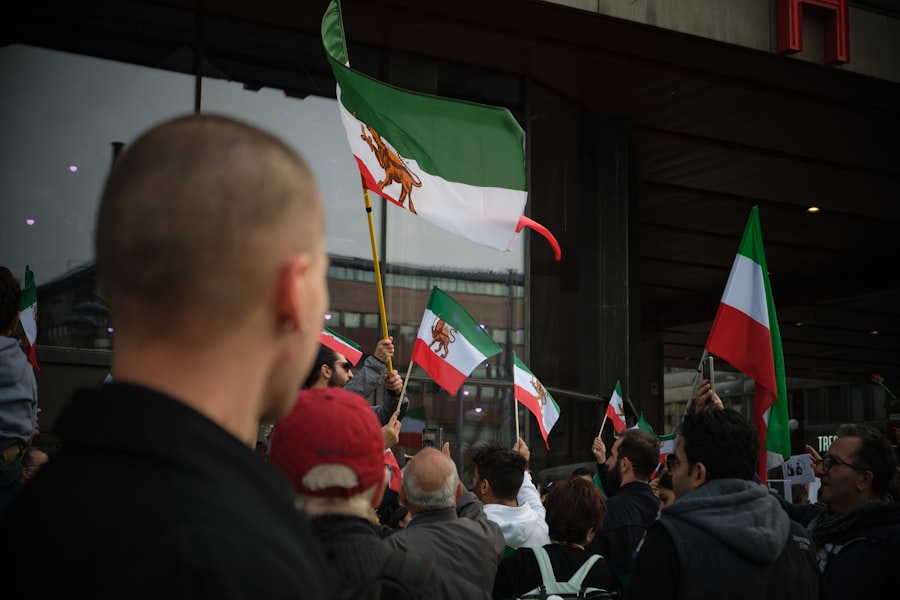
Public opinion plays a pivotal role in shaping both US and Iranian foreign policies, influencing how leaders approach negotiations and interactions with one another. In Iran, public sentiment is often shaped by historical grievances against foreign intervention and ongoing economic struggles exacerbated by sanctions. Many Iranians harbor deep-seated mistrust towards the United States, viewing it as an adversary that seeks to undermine their sovereignty.
This sentiment can be amplified by state-controlled media narratives that emphasize anti-American rhetoric and portray negotiations as capitulation.
Polls often reflect a general skepticism towards engaging with Iran diplomatically, particularly among conservative factions that advocate for a hardline approach.
This dichotomy complicates efforts for reconciliation, as leaders on both sides must navigate domestic pressures while attempting to engage in constructive dialogue. Understanding public sentiment is crucial for policymakers seeking to foster an environment conducive to negotiation and cooperation.
Backchannel Negotiations
Backchannel negotiations have emerged as a critical tool in navigating the complexities of US-Iran relations, allowing for discreet communication between officials without public scrutiny. These informal channels can facilitate dialogue when official talks are stalled or when political climates are particularly tense. Backchannel negotiations have historically played a role in de-escalating conflicts and finding common ground on contentious issues.
For instance, during the lead-up to the JCPOA, secret meetings between US and Iranian officials helped lay the groundwork for formal negotiations. The effectiveness of backchannel negotiations lies in their ability to bypass political posturing and create an environment conducive to candid discussions. However, they also carry risks; if exposed, such negotiations can provoke backlash from hardliners on both sides who may view them as undermining national interests or compromising principles.
Nevertheless, backchannels remain an essential aspect of diplomacy in situations where traditional diplomatic avenues are blocked or fraught with tension.
Geopolitical Dynamics in the Middle East
The geopolitical dynamics in the Middle East significantly influence US-Iran relations, as regional rivalries and alliances shape perceptions and actions on both sides. Iran’s support for proxy groups across the region—such as Hezbollah in Lebanon and various militias in Iraq—has heightened tensions with neighboring countries and has drawn condemnation from the United States and its allies. This support is often framed by Iran as a means of countering perceived threats from US-backed regimes in Saudi Arabia and Israel.
The shifting alliances within the region further complicate US-Iran relations. For instance, normalization agreements between Israel and several Arab states have altered traditional power dynamics and created new challenges for Iran’s influence in the region. As these geopolitical shifts unfold, both nations must navigate an increasingly complex landscape where regional actors play pivotal roles in shaping outcomes.
Understanding these dynamics is essential for any future diplomatic efforts aimed at reducing tensions and fostering stability.
Strategic Calculations by Iran
Iran’s strategic calculations regarding its relationship with the United States are influenced by a combination of domestic pressures and external threats. The Iranian leadership must balance its desire for regional influence with the need to address economic challenges exacerbated by sanctions. As such, Iran often adopts a dual strategy: projecting strength through military capabilities while simultaneously seeking opportunities for diplomatic engagement when advantageous.
This strategic calculus is evident in Iran’s approach to its nuclear program; while it seeks to develop advanced capabilities as a deterrent against perceived threats from the US and its allies, it also recognizes that international pressure could lead to isolation if not managed carefully. Consequently, Iran may engage in negotiations when it perceives that doing so could yield economic benefits or alleviate pressure from sanctions while maintaining its core objectives related to national security.
Role of External Mediators
External mediators have played a significant role in facilitating dialogue between the United States and Iran at various points throughout their contentious history. Countries such as Oman have acted as intermediaries during critical negotiations, providing neutral ground for discussions that might otherwise be impossible due to mutual distrust. These mediators can help bridge gaps between conflicting parties by offering insights into each side’s concerns while fostering an environment conducive to compromise.
The involvement of external mediators can also lend credibility to negotiations by demonstrating that there is international support for dialogue rather than confrontation. However, their effectiveness often depends on their perceived impartiality and ability to navigate complex geopolitical dynamics without exacerbating tensions further. As both nations grapple with their respective interests and objectives, external mediators may continue to play an essential role in shaping future interactions.
Future Implications for US-Iran Relations
The future implications for US-Iran relations remain uncertain as both nations grapple with historical grievances, domestic pressures, and evolving geopolitical dynamics. The potential for renewed diplomatic engagement exists but is contingent upon several factors: changes in leadership within either country, shifts in public opinion, or significant developments within the broader Middle East context could all influence future interactions. Moreover, addressing humanitarian concerns will be crucial for any meaningful progress towards reconciliation.
As both nations navigate their complex relationship moving forward, finding common ground on issues such as nuclear proliferation or regional stability will require sustained commitment from both sides to engage constructively rather than resorting to confrontation. Ultimately, fostering an environment conducive to dialogue will be essential for breaking free from cycles of hostility that have defined US-Iran relations for decades.
The recent release of the Iran hostages has sparked significant discussion and analysis regarding the underlying motivations and geopolitical implications. For a deeper understanding of the context surrounding this event, you can read a related article that explores the intricate dynamics at play in the region. Check it out here: The War Room.
WATCH THIS! The Disaster That Saved Them: How Eagle Claw’s Failure Freed the Hostages
FAQs
What was the Iran Hostage Crisis?
The Iran Hostage Crisis was a diplomatic standoff between the United States and Iran from November 4, 1979, to January 20, 1981, during which 52 American diplomats and citizens were held hostage at the U.S. Embassy in Tehran by Iranian militants.
Why were the American hostages taken in Iran?
The hostages were taken in response to the U.S. decision to admit the deposed Shah of Iran, Mohammad Reza Pahlavi, for medical treatment. Iranian revolutionaries demanded his return to Iran for trial, viewing the U.S. action as interference in Iranian affairs.
When were the hostages released?
The 52 American hostages were released on January 20, 1981, after 444 days in captivity, coinciding with the inauguration of U.S. President Ronald Reagan.
What were the main factors leading to the release of the hostages?
The release was the result of prolonged diplomatic negotiations, economic sanctions, and the Algiers Accords, a set of agreements mediated by Algeria that addressed financial claims and diplomatic relations between the U.S. and Iran.
Did the release of the hostages have any political significance in the U.S.?
Yes, the timing of the release on the day of President Reagan’s inauguration was seen as a final act of the outgoing Carter administration. The crisis had a significant impact on U.S. politics, contributing to President Jimmy Carter’s loss in the 1980 presidential election.
Were there any military attempts to rescue the hostages?
Yes, the U.S. launched a failed rescue mission called Operation Eagle Claw in April 1980, which ended in a helicopter crash and the deaths of eight American servicemen, further complicating the crisis.
What role did Algeria play in the hostage release?
Algeria acted as a mediator between the U.S. and Iran, facilitating negotiations that led to the Algiers Accords and ultimately the release of the hostages.
Did the hostage crisis affect U.S.-Iran relations long-term?
Yes, the crisis led to a breakdown in diplomatic relations between the two countries, which have remained strained and complex ever since.