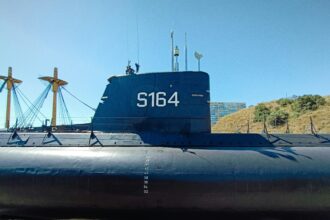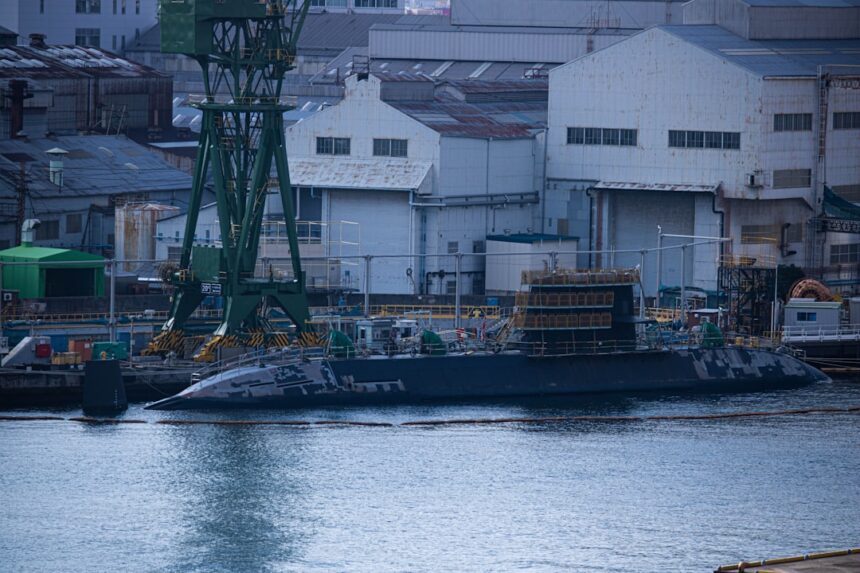
The Golf II Class submarine, a significant development in naval engineering, emerged during a period of intense geopolitical tension known as the Cold War. Originating in the Soviet Union in the late 1950s, this class of submarines was designed to enhance the Soviet Navy’s capabilities in underwater warfare and strategic deterrence. The Golf II Class was an evolution of the earlier Golf Class submarines, which had already established a foundation for nuclear deterrence through their ballistic missile capabilities.
The need for a more advanced and capable submarine was driven by the escalating arms race between the United States and the Soviet Union, prompting Soviet designers to innovate and improve upon existing technologies. The design process for the Golf II Class was marked by a focus on stealth, firepower, and operational range. The Soviet leadership recognized that to maintain parity with Western naval forces, they needed submarines that could effectively launch nuclear missiles while remaining undetected.
This led to the incorporation of advanced sonar systems and improved hull designs that minimized noise and enhanced maneuverability. The Golf II Class submarines were ultimately commissioned in the early 1960s, representing a significant leap forward in Soviet naval capabilities and setting the stage for their role in Cold War confrontations.
Key Takeaways
- The Golf II class submarine was developed during the Cold War as a strategic missile platform.
- It featured advanced design elements for its time, including improved missile launch capabilities.
- The submarine played a crucial role in nuclear deterrence and naval strategy during the Cold War.
- Technological innovations in the Golf II influenced subsequent submarine designs and naval warfare tactics.
- Today, the Golf II class serves as a significant historical artifact, reflecting Cold War naval history and technology.
Design and Features of the Golf II Class Submarine
The Golf II Class submarines were characterized by their distinctive design, which included a streamlined hull and a conning tower that contributed to their hydrodynamic efficiency. Measuring approximately 107 meters in length, these submarines were larger than their predecessors, allowing for greater internal space to accommodate advanced weaponry and crew facilities. The design also featured a double-hull construction, which provided enhanced durability and safety during operations.
This structural innovation was crucial for ensuring the submarines could withstand the pressures of deep-sea environments while maintaining operational integrity. One of the most notable features of the Golf II Class was its armament capabilities. These submarines were equipped with a variety of missile systems, including the R-13 and R-21 ballistic missiles, which had ranges capable of striking targets deep within enemy territory.
The ability to launch these missiles from underwater provided a strategic advantage, as it allowed for surprise attacks that could catch adversaries off guard. Additionally, the Golf II Class incorporated advanced navigation and communication systems, enabling effective coordination with other naval assets and enhancing situational awareness during missions.
Role of the Golf II Class Submarine in the Cold War
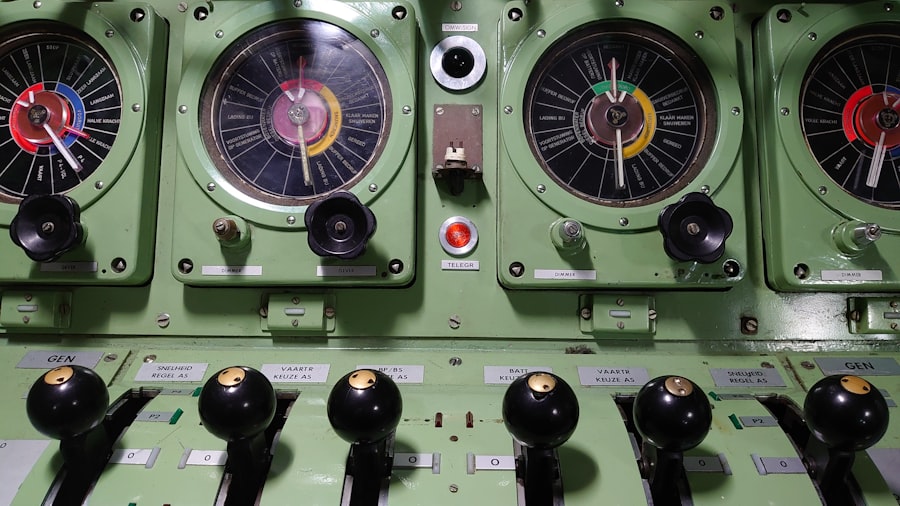
Throughout the Cold War, the Golf II Class submarines played a pivotal role in the Soviet Union’s maritime strategy. Their primary mission was to serve as a deterrent against potential nuclear strikes from adversaries, particularly the United States. By maintaining a fleet of these submarines, the Soviet Navy aimed to ensure that it could retaliate effectively in the event of an attack, thereby contributing to the overall balance of power during this tense period.
The presence of Golf II Class submarines in strategic locations around the globe served as a constant reminder of Soviet military capabilities. Moreover, these submarines were often involved in intelligence-gathering operations, monitoring enemy naval movements and gathering crucial information about Western military activities. Their stealthy nature allowed them to operate undetected in contested waters, providing valuable insights that informed Soviet military planning.
The Golf II Class submarines thus became integral components of the Soviet Union’s broader strategy to project power and influence across international waters while simultaneously safeguarding its own national interests.
Strategic Importance of the Golf II Class Submarine
| Metric | Value | Significance |
|---|---|---|
| Displacement (surfaced) | 2,300 tons | Moderate size for strategic missile deployment |
| Displacement (submerged) | 2,800 tons | Allows stealthy underwater operations |
| Length | 98 meters | Compact design for maneuverability |
| Missile Capacity | 3 x R-21 ballistic missiles | Provides second-strike nuclear capability |
| Operational Depth | 250 meters | Enables evasion from enemy detection |
| Speed (submerged) | 18 knots | Allows rapid repositioning |
| Endurance | 30 days submerged | Supports extended patrols for strategic deterrence |
| Strategic Role | Second-generation nuclear deterrent | Enhances naval nuclear triad capabilities |
| Deployment Era | 1960s-1980s | Key Cold War asset for Soviet Navy |
The strategic importance of the Golf II Class submarine cannot be overstated. As one of the key elements of the Soviet Navy’s nuclear triad, these submarines provided a second-strike capability that was essential for maintaining deterrence against nuclear threats. The ability to launch ballistic missiles from underwater ensured that even if land-based missile silos were targeted in a first strike, the Soviet Union would still possess the means to retaliate decisively.
This capability was crucial for dissuading adversaries from engaging in aggressive actions that could escalate into full-scale conflict.
Their deployment in various theaters around the world allowed the Soviet Union to project its influence and challenge U.S.
naval supremacy. By operating in close proximity to U.S. naval bases and conducting patrols in strategic chokepoints, these submarines served as a counterbalance to American naval forces.
This strategic positioning not only enhanced Soviet military readiness but also sent a clear message regarding its commitment to defending its interests on a global scale.
Technological Advances of the Golf II Class Submarine
The Golf II Class submarine represented a significant technological advancement over its predecessors, incorporating innovations that enhanced its operational effectiveness. One of the most notable advancements was in sonar technology, which allowed for improved detection capabilities both for locating enemy vessels and avoiding detection by adversaries. The integration of advanced sonar systems enabled these submarines to navigate complex underwater environments with greater precision, thereby increasing their survivability during missions.
Another key technological feature was the development of more sophisticated missile systems.
This advancement not only increased the lethality of the Golf II Class but also allowed for more flexible operational planning, as commanders could engage targets at greater distances without compromising safety or effectiveness.
These technological innovations underscored the importance of continuous research and development within the Soviet military-industrial complex during this era.
Operations and Missions of the Golf II Class Submarine
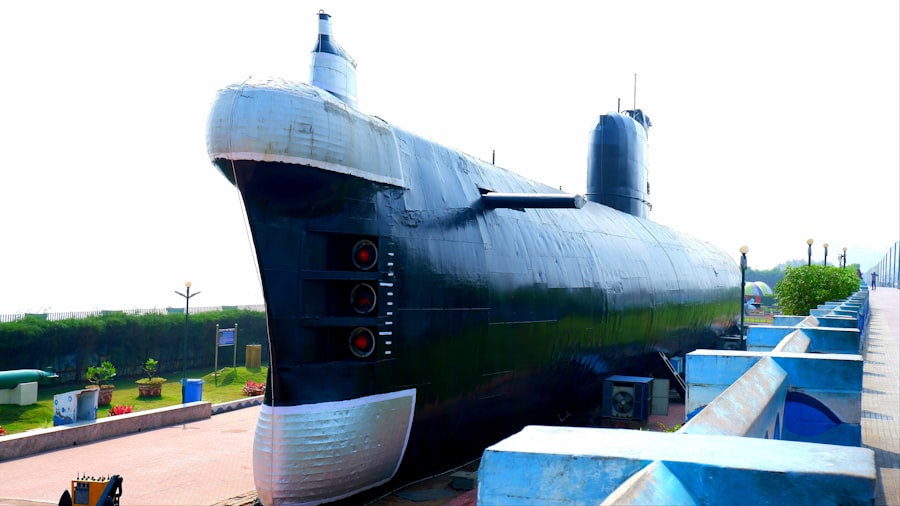
The operational history of the Golf II Class submarine is marked by a variety of missions that showcased its versatility and strategic significance. These submarines were primarily tasked with deterrent patrols, where they would remain submerged for extended periods while monitoring enemy activities and maintaining readiness to launch missiles if necessary. Such missions required careful planning and execution, as crews had to balance stealth with operational effectiveness while navigating potentially hostile waters.
In addition to deterrent patrols, Golf II Class submarines were also involved in intelligence-gathering operations. They conducted surveillance missions along critical maritime routes and near enemy naval bases, collecting valuable data on enemy movements and capabilities. These operations often required navigating through contested waters where detection risk was high, further emphasizing the importance of stealth technology and crew training.
The information gathered during these missions played a crucial role in shaping Soviet naval strategy and informing decision-making at higher command levels.
The Legacy of the Golf II Class Submarine
The legacy of the Golf II Class submarine is multifaceted, reflecting its impact on naval warfare and military strategy during its operational lifespan. As one of the first classes of submarines designed specifically for nuclear deterrence, it set a precedent for future submarine designs worldwide. The innovations introduced with the Golf II Class influenced subsequent generations of submarines, both in terms of design philosophy and technological advancements.
Moreover, the Golf II Class served as a symbol of Soviet naval power during a critical period in history. Its presence in international waters represented not only military capability but also political resolve in confronting Western powers. As such, it became an integral part of Cold War narratives surrounding military strength and national security.
The lessons learned from its operations continue to inform contemporary discussions about submarine warfare and strategic deterrence.
Decommissioning and Disposal of the Golf II Class Submarine
As geopolitical dynamics shifted following the end of the Cold War, many Golf II Class submarines were gradually decommissioned due to advancements in technology and changing military priorities. By the late 1990s and early 2000s, most submarines from this class had been retired from active service as newer models with enhanced capabilities took their place in the Russian Navy’s fleet. The decommissioning process involved careful consideration of environmental impacts and safety protocols to ensure responsible disposal.
The disposal of these submarines presented significant challenges due to their nuclear capabilities and potential environmental hazards associated with decommissioned vessels. Many were dismantled at specialized facilities designed to handle nuclear materials safely, while others were scrapped or sunk in designated areas under international agreements aimed at minimizing ecological damage. This process highlighted ongoing concerns regarding nuclear waste management and environmental protection within maritime contexts.
The Impact of the Golf II Class Submarine on Naval Warfare
The introduction of the Golf II Class submarine had a profound impact on naval warfare strategies during its operational years. By demonstrating the effectiveness of underwater ballistic missile platforms, it reshaped how navies approached deterrence and strategic planning. The ability to launch nuclear missiles from submerged positions added a new dimension to naval engagements, complicating traditional notions of maritime conflict.
Furthermore, the operational capabilities exhibited by Golf II Class submarines influenced naval doctrine worldwide. Other nations recognized the need to develop similar platforms to maintain parity with potential adversaries, leading to an arms race in submarine technology that persists today. The legacy of this class continues to resonate within modern naval strategies as countries invest in advanced submarine fleets capable of executing complex missions across diverse maritime environments.
The Golf II Class Submarine in Popular Culture
The Golf II Class submarine has also made its mark on popular culture, often depicted in films, literature, and documentaries exploring themes related to military conflict and espionage during the Cold War era. Its imposing presence serves as a backdrop for narratives centered around underwater warfare and geopolitical intrigue, capturing public imagination regarding submarine operations’ complexities. Films featuring submarine warfare frequently highlight not only technological aspects but also human stories within these vessels—depicting crew dynamics under pressure and moral dilemmas faced during missions.
Such portrayals contribute to a broader understanding of historical events while simultaneously shaping perceptions about military power and national security concerns associated with underwater capabilities.
The Future of the Golf II Class Submarine as a Historical Artifact
As time progresses, many former Golf II Class submarines have transitioned into historical artifacts rather than active military assets. Some have been preserved as museum pieces or displayed at naval exhibitions, allowing visitors to gain insight into Cold War-era technology and maritime strategy. These preserved vessels serve as educational tools that highlight both technological advancements and historical narratives surrounding their operational use.
The future preservation efforts surrounding these submarines will likely focus on maintaining their structural integrity while providing context for their historical significance within broader discussions about military history and international relations. As societies continue to grapple with issues related to nuclear proliferation and maritime security, understanding artifacts like the Golf II Class submarine will remain essential for informing contemporary debates about defense policy and global stability.
The Soviet Golf II class submarine, known for its role during the Cold War, was a significant advancement in underwater warfare technology. For a deeper understanding of its operational history and impact, you can read more in this related article on the subject. Check it out here: Soviet Golf II Class Submarine Overview.
WATCH THIS! The CIA’s Secret Mission to Recover a Nuclear Submarine: Project Azorian
FAQs
What is the Soviet Golf II class submarine?
The Soviet Golf II class submarine, also known by its NATO reporting name “Golf II,” is a diesel-electric ballistic missile submarine developed and operated by the Soviet Navy during the Cold War. It was designed to carry and launch ballistic missiles as part of the Soviet strategic nuclear forces.
When was the Golf II class submarine introduced?
The Golf II class submarines were introduced in the late 1950s and early 1960s. They were an evolution of the earlier Golf I class, featuring improvements in missile technology and submarine design.
What type of missiles did the Golf II class carry?
The Golf II class submarines were equipped with ballistic missiles, specifically the R-21 (NATO reporting name SS-N-5 Serb) submarine-launched ballistic missiles (SLBMs). These missiles had a range of approximately 1,200 kilometers (about 750 miles).
How many Golf II class submarines were built?
A total of 16 Golf class submarines were built, including both Golf I and Golf II variants. The exact number of Golf II variants is generally considered to be around 8 to 10 units.
What were the main features of the Golf II class submarine?
The Golf II class featured a double-hulled design, diesel-electric propulsion, and the capability to launch ballistic missiles from submerged positions. It had six missile launch tubes located in the forward section of the submarine and was equipped with torpedoes for self-defense.
What was the operational role of the Golf II class submarines?
The primary role of the Golf II class submarines was to serve as a strategic nuclear deterrent by launching ballistic missiles against enemy targets. They were part of the Soviet Union’s second-strike capability during the Cold War.
Are any Golf II class submarines still in service?
No, the Golf II class submarines have been retired from active service. They were gradually phased out and replaced by more advanced nuclear-powered ballistic missile submarines (SSBNs) in the Soviet and later Russian Navy.
Did the Golf II class submarines have any notable incidents?
There are no widely known major incidents involving Golf II class submarines. However, like many Cold War-era submarines, they operated under challenging conditions and contributed to the strategic balance during that period.
What is the significance of the Golf II class in submarine history?
The Golf II class represents an important step in the development of Soviet ballistic missile submarines, bridging the gap between early diesel-electric missile submarines and the later nuclear-powered SSBNs. They demonstrated the feasibility of submerged missile launches and contributed to the evolution of submarine-launched ballistic missile technology.