The hum of powerful turboprops is a familiar sound, a constant companion for those who have spent time around the iconic Lockheed C-130 Hercules. For decades, this versatile workhorse of the skies has been a symbol of reliability and capability, delivering troops, cargo, and humanitarian aid to some of the most challenging environments on Earth. Now, the Hercules is poised to take on an even more demanding role, thanks to groundbreaking advancements in landing technology. A recent series of tests involving rocket-assisted landing systems on a C-130 aircraft promises to revolutionize how this legendary airlifter operates, particularly in austere and unprepared landing zones. This article delves into the intricacies of this innovative technology, its potential applications, and the implications for future air mobility and operational flexibility.
The Challenge of Austere Landings
The C-130 Hercules has always excelled in its ability to operate from short, unimproved airfields. Its robust landing gear and powerful engines allow it to land and take off from surfaces as varied as grass strips, sand, and even compacted earth. However, even for a platform as capable as the C-130, certain landing scenarios present significant challenges. These often arise in disaster relief operations, in forward operating bases, or in regions where established infrastructure is scarce or has been damaged.
Weight and Speed Considerations
The fundamental physics of landing dictate that an aircraft’s landing distance is directly influenced by its weight and landing speed. A heavier aircraft, or one landing at a higher speed, requires a longer runway to decelerate safely. While the C-130 is designed with a relatively low landing speed compared to jet transports, the increasing payload capacity and the nature of some mission profiles can push these parameters towards their operational limits. This is particularly true when carrying heavy equipment or personnel into environments where the available landing space is minimal and often compromised by environmental factors such as uneven terrain, soft ground, or debris.
Environmental Factors and Risk
The “austere” nature of a landing zone often implies a lack of precise surveying, prepared surfaces, and adequate lighting. Soft soil can lead to the aircraft sinking, increasing drag and braking distance, or even causing structural damage to the landing gear. Uneven surfaces can induce shocks and vibrations that stress the airframe. In adverse weather conditions, such as rain or snow, the available braking friction can be significantly reduced, further exacerbating the landing distance requirements. These factors collectively increase the risk of overruns, landing gear damage, and mission aborts, underscoring the need for enhanced landing capabilities. The inherent risk associated with operating in such conditions can also lead to more conservative flight profiles, limiting the amount of cargo or fuel that can be carried, thereby reducing mission effectiveness.
The Need for Enhanced Deceleration
Traditional braking systems on aircraft, primarily relying on wheel brakes and aerodynamic spoilers, are highly effective on prepared surfaces. However, their efficacy diminishes significantly on soft or wet ground. The challenge, therefore, is to find ways to supplement or augment these systems to provide more robust and predictable deceleration in a wider range of conditions. This is where the concept of rocket-assisted landing technology emerges as a potential game-changer, offering a dynamic and powerful means to reduce ground roll irrespective of surface conditions.
The C-130 Hercules has long been a workhorse for military operations, and recent advancements in rocket-assisted landing technology have the potential to enhance its capabilities even further. For an in-depth exploration of this innovative approach, you can read the article on rocket-assisted landings and their implications for the C-130 Hercules at In The War Room. This piece delves into the mechanics of the technology and its potential applications in various operational scenarios.
Introducing Rocket-Assisted Landing Technology
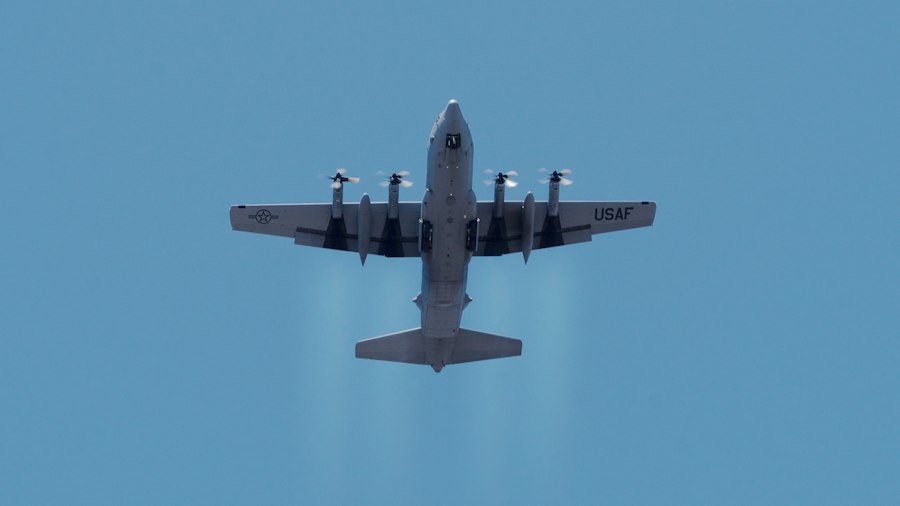
Rocket-assisted landing technology, at its core, aims to provide an additional, controllable thrust vector that acts in opposition to the aircraft’s forward motion upon touchdown. This thrust is generated by solid rocket motors, similar in principle to those used for rocket-assisted takeoffs (RATO) or in missile propulsion, but specifically configured for deceleration. The development and testing of such systems on a C-130 Hercules represent a significant leap forward in augmenting the aircraft’s inherent landing capabilities.
The Principle of Operation
When a C-130 equipped with rocket-assisted landing technology touches down, a series of strategically placed solid rocket motors are ignited. These motors produce a powerful thrust that directly counteracts the aircraft’s momentum. By carefully controlling the duration and intensity of this thrust, pilots can achieve a significantly shorter and more controlled ground roll. The system is designed to be activated only when required, typically in situations where a standard landing run would be too long or too risky. The precise timing of ignition and the duration of the burn are critical parameters that are carefully calculated and tested to ensure optimal performance and safety.
Components of the System
A typical rocket-assisted landing system for an aircraft like the C-130 would comprise several key components. These include the solid rocket motors themselves, which are designed for rapid ignition and a controlled burn. They are usually mounted externally on the aircraft’s fuselage or wings to minimize interference with existing structures and systems. A robust ignition system is essential, capable of reliably firing the motors on command. Furthermore, a sophisticated control system is integrated into the aircraft’s flight deck. This system allows the pilots to arm, activate, and monitor the rocket motors. It would likely include sensors to determine the optimal moment for ignition, based on factors such as airspeed, ground contact, and pilot input. Safety interlocks are paramount to prevent accidental ignition. The structure to which the motors are attached must also be robust enough to withstand the forces generated during operation.
Advantages Over Conventional Braking
The primary advantage of rocket-assisted landing is its ability to provide significant deceleration independent of runway surface conditions. Unlike wheel brakes, which rely on friction, rocket thrust is an internal force that is not significantly affected by water, ice, or loose soil. This translates to vastly improved safety margins in challenging landing environments. It also allows for operation from shorter runways than would otherwise be possible, opening up new operational possibilities. Furthermore, by providing a more controlled deceleration, it reduces the stress on the aircraft’s landing gear and airframe, potentially extending the operational life of the aircraft and reducing maintenance requirements. The predictability of rocket thrust offers a level of assurance that conventional braking alone cannot always provide in adverse conditions.
Testing and Development of the C-130 System

The integration of rocket-assisted landing technology onto a C-130 Hercules is not a theoretical exercise; it has undergone rigorous testing and development to prove its viability and refine its performance. These tests are crucial to understanding the system’s behavior under real-world flight conditions and to ensure its safe and effective deployment.
Initial Design and Integration
The process begins with meticulous design and engineering. Aerospace engineers work to determine the optimal placement, size, and number of rocket motors required to achieve the desired deceleration for a fully loaded C-130. Considerations include aerodynamic drag from the external pods, weight penalties, and the structural integrity of the aircraft’s airframe to withstand the thrust forces. Sophisticated computer simulations are used to model the aircraft’s behavior during landing with the rocket system engaged. This allows for the identification of potential issues and the optimization of the system’s parameters before any physical testing begins. The integration process involves modifying the aircraft’s control systems and installing the necessary wiring and plumbing for the rocket ignition and control.
Ground Testing and Simulations
Before taking to the skies, extensive ground testing is performed. This includes static firings of the rocket motors to verify their performance characteristics, thrust levels, and burn times. The aircraft’s structure is also subjected to simulated loads to ensure it can withstand the forces generated. Ground-based simulations, often involving advanced motion platforms, are used to replicate the landing environment and the effects of the rocket system. These tests allow engineers to fine-tune the control algorithms and pilot interfaces. The reliability of the ignition sequence is also meticulously checked through numerous ground-based activations.
Flight Testing and Performance Metrics
The most critical phase involves actual flight testing. This begins with carefully planned sorties conducted in controlled airspace, often with safety chase aircraft present. The initial flights focus on safe takeoffs and landings without engaging the rocket system, ensuring the baseline aircraft performance. As confidence grows, test pilots begin to cautiously integrate the rocket-assisted landing. Performance metrics are meticulously recorded, including landing distance, deceleration rates, aircraft attitude, and the stability of the aircraft throughout the landing roll. Data from onboard sensors provides invaluable information on the forces acting on the aircraft and the effectiveness of the rocket system. These flight tests are conducted under various atmospheric conditions and with different aircraft weights and configurations to thoroughly assess the system’s capabilities. The feedback from the test pilots is instrumental in refining the system for operational use.
Potential Applications and Operational Impact
The successful development and implementation of rocket-assisted landing technology on the C-130 Hercules hold significant implications for military operations, humanitarian aid, and disaster relief efforts worldwide. The ability to land in more challenging locations and with greater certainty expands the strategic and tactical flexibility of this already indispensable aircraft.
Expanding Operational Reach
The most immediate impact of this technology will be the expansion of the C-130’s operational reach. By reducing the required landing distance, aircraft can now access airfields that were previously too short or too unimproved for safe operations. This is particularly critical in forward deployed environments where established infrastructure is often non-existent or contested. For military forces, this means the ability to deliver troops, equipment, and supplies directly to the front lines or to austere bases with greater frequency and reliability. For humanitarian organizations, it opens up possibilities for delivering life-saving aid to remote or disaster-stricken areas that might otherwise be inaccessible by air. This increased access can be the difference between life and death in many critical situations.
Enhancing Disaster Relief Capabilities
In the aftermath of natural disasters, infrastructure is often severely damaged, making traditional transportation routes impassable. Airports may be unusable due to debris, damaged runways, or flooding. Rocket-assisted landing technology on the C-130 would allow aircraft to land on shorter, less prepared surfaces, bypassing damaged infrastructure and delivering essential supplies, medical personnel, and rescue equipment directly to affected communities. This capability could significantly accelerate response times and save lives. The ability to operate from potentially unstable or unprepared surfaces adds a crucial layer of resilience to disaster relief operations. It allows for the delivery of aid and personnel even when conventional airfields are not an option, providing a vital lifeline in times of crisis.
Improving Tactical Flexibility and Survivability
For military operations, enhanced landing capabilities translate directly into improved tactical flexibility and survivability. The ability to land on shorter, more dispersed airfields reduces the vulnerability of aircraft to enemy attack. It allows for greater operational tempo and the ability to establish forward operating bases more rapidly. Furthermore, in combat scenarios where the landing zone might be compromised or under threat, the ability to decelerate rapidly and safely with rocket assistance provides a critical margin of safety for the aircrew and the aircraft. This can be particularly important during night operations or in reduced visibility conditions where a precise and short landing roll is paramount. The increased confidence in landing in potentially marginal conditions allows for more assertive mission planning and execution.
The C-130 Hercules has long been a workhorse for military operations, and recent advancements in technology have introduced innovative methods for enhancing its landing capabilities. One such method is the implementation of rocket-assisted landing systems, which can significantly improve the aircraft’s performance during landing in challenging environments. For those interested in exploring this topic further, a related article discusses various enhancements to military aircraft and their operational impacts. You can read more about these advancements in the article available here.
Future Prospects and Considerations
| Metric | Value | Unit | Description |
|---|---|---|---|
| Aircraft Model | C-130 Hercules | – | Military transport aircraft used for rocket-assisted landing tests |
| Rocket Assist Type | Retro-rocket system | – | Rockets used to slow descent for landing assistance |
| Rocket Thrust | 15,000 | lbf (pounds-force) | Thrust produced by each retro-rocket during landing |
| Number of Rockets | 4 | units | Number of retro-rockets installed for assisted landing |
| Descent Rate Reduction | 50 | % | Percentage reduction in descent speed during landing |
| Landing Speed | 60 | knots | Approximate touchdown speed with rocket assist |
| Landing Distance Reduction | 30 | % | Reduction in required runway length due to rocket assist |
| Test Date | 1970s | – | Decade when rocket-assisted landing tests were conducted |
While the testing of rocket-assisted landing technology on the C-130 Hercules represents a significant achievement, there are still considerations and potential future developments that warrant discussion. The ongoing evolution of this technology and its potential integration with other advancements could further redefine air mobility.
Refinement and Standardization
As with any new technology, further refinement and standardization are likely to follow. This might involve optimizing the rocket motor designs for improved efficiency, reduced cost, and easier maintenance. The development of standardized procedures and training protocols for pilots operating this system will be crucial to ensure safe and effective widespread adoption. Integration with advanced navigation and landing aids could further enhance the precision and safety of rocket-assisted landings, even in adverse weather or at night. The lessons learned from these initial C-130 tests will undoubtedly inform the development of similar systems for other aircraft types.
Integration with Future Aircraft
The success of this technology on the C-130 could pave the way for its integration into future generations of airlifters and transport aircraft. As aerospace designs continue to evolve, incorporating rocket-assisted landing systems from the outset could lead to even more optimized performance and reduced weight penalties. This could be particularly relevant for designs focused on operations in challenging environments, such as unmanned aerial vehicles or specialized cargo aircraft. The principle of augmenting deceleration through controlled thrust could be applied to a wide range of aerospace platforms.
Cost-Benefit Analysis and Operational Integration Challenges
A thorough cost-benefit analysis will be essential for widespread adoption. The initial investment in the technology, including the rocket motors, control systems, and training, needs to be weighed against the operational advantages gained in terms of increased mission success, reduced risk, and expanded capabilities. Operational integration challenges, such as logistics for replenishing rocket motors in the field and the need for specialized maintenance personnel, will also need to be addressed. However, the potential to save lives, deliver critical aid faster, and enhance military effectiveness often outweighs the economic considerations in these critical applications. The long-term benefits of enhanced operational resilience and strategic advantage are significant.
The successful testing of rocket-assisted landing technology on the C-130 Hercules marks a pivotal moment in the evolution of air mobility. This innovation not only enhances the capabilities of an already legendary aircraft but also promises to redefine the parameters of operational reach and safety in challenging environments. As development continues and the technology matures, the skies may soon see even more C-130s, and future airlifters, landing where they were once thought impossible, opening new avenues for humanitarian aid, military operations, and global connectivity. The era of enhanced, rocket-assisted landings has begun, promising a more capable and resilient future for air transport.
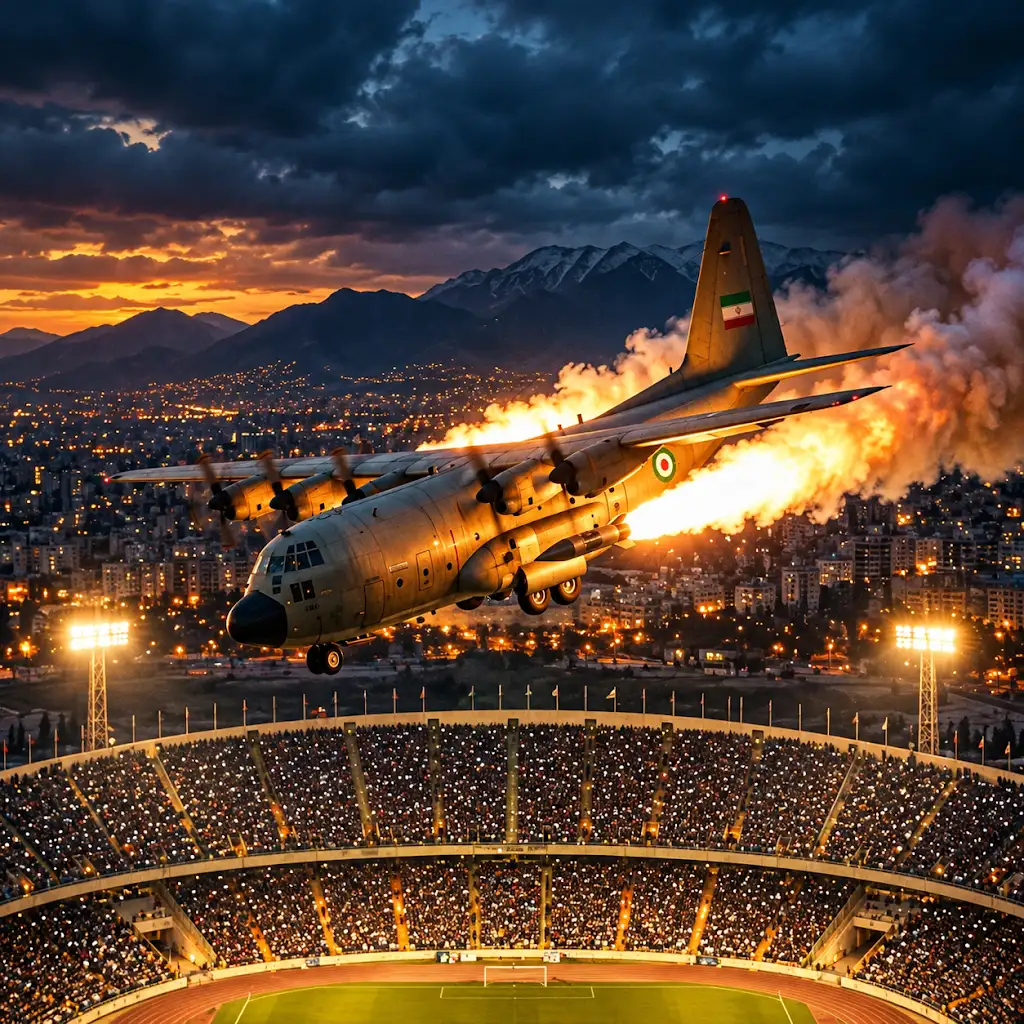
The Secret Plane Built to Land Inside a Stadium
FAQs
1. How does rocket assisted landing work for a C-130 Hercules aircraft?
Rocket assisted landing for a C-130 Hercules involves the use of rockets attached to the aircraft to provide additional thrust during the landing phase. These rockets help reduce the landing distance required and improve the aircraft’s ability to operate from short or unprepared runways.
2. What are the benefits of using rocket assisted landing for a C-130 Hercules?
The use of rocket assisted landing for a C-130 Hercules offers several benefits, including the ability to operate from shorter runways, increased safety during landing on rough or unprepared surfaces, and improved maneuverability in challenging environments.
3. Are there any limitations to using rocket assisted landing on a C-130 Hercules?
While rocket assisted landing can provide significant advantages, there are limitations to consider. These may include the added weight and complexity of the rocket system, potential safety risks associated with rocket propulsion, and the need for additional training for pilots and ground crew.
4. How is the rocket assisted landing system activated on a C-130 Hercules?
The rocket assisted landing system on a C-130 Hercules is typically activated by the pilot during the landing approach. The system can be manually triggered or automatically engaged based on specific conditions such as runway length, surface conditions, and aircraft weight.
5. Has the use of rocket assisted landing been successfully implemented on C-130 Hercules aircraft in real-world scenarios?
Yes, rocket assisted landing systems have been successfully tested and deployed on C-130 Hercules aircraft in various military and civilian applications. These systems have proven to be effective in enhancing the aircraft’s operational capabilities and expanding its range of mission profiles.