Signal Research Lab: A History of Innovation and Development
The Genesis of a Digital Pioneer
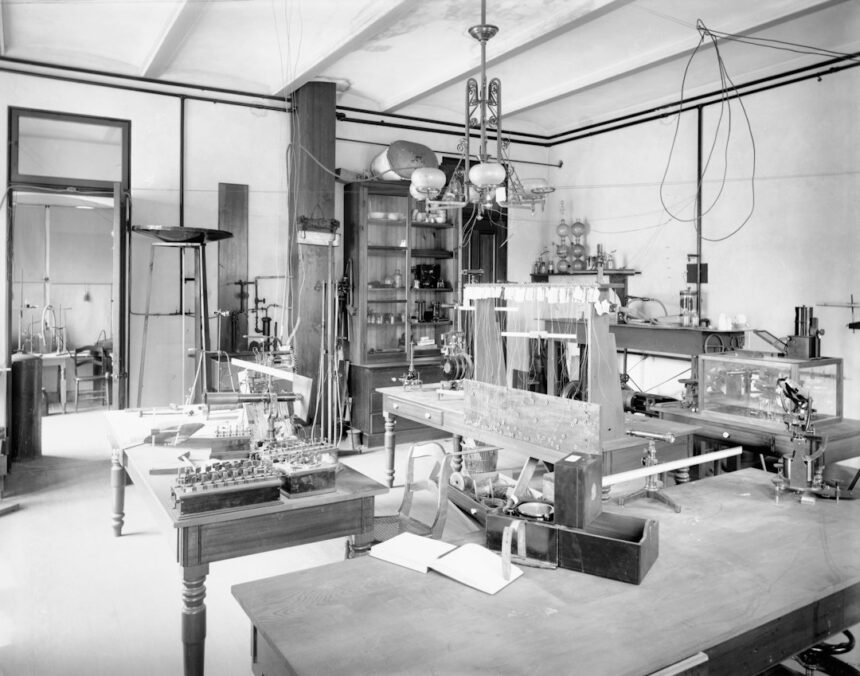
Signal Research Lab emerged not from a grand, pre-ordained vision, but rather from a confluence of inspired minds and a burgeoning technological landscape. Its origins can be traced back to the late 1970s, a period when the digital revolution was just beginning to gather momentum. The early days were characterized by a spirit of experimentation and a relentless pursuit of what seemed, at the time, like impossibly advanced concepts. Founded by a small team of visionary engineers and computer scientists, the Lab was initially housed in a modest facility, its walls echoing with the hum of early processors and the clatter of mechanical keyboards. The founders, driven by a shared passion for unraveling the complexities of signal processing and communication, set out to explore uncharted territories in the nascent field of digital technology.
Laying the Foundation: Early Vision and Core Principles
The foundational principles that guided Signal Research Lab from its inception were rooted in a commitment to theoretical rigor, practical application, and a healthy dose of disruptive thinking. The founders recognized that true innovation lay not just in incremental improvements but in fundamental breakthroughs. They fostered an environment where abstract ideas could be rigorously tested and where the pursuit of knowledge trumped conventional wisdom. This dedication to fundamental research, coupled with a pragmatic approach to engineering, became the bedrock upon which the Lab’s future successes would be built. The initial focus was on understanding and manipulating digital signals with unprecedented precision, aiming to unlock new possibilities in data transmission, storage, and analysis. This involved delving into complex mathematical models and developing novel algorithms that could perform these tasks with greater efficiency and accuracy than ever before.
The Spark of Collaboration: Early Team and Culture
The success of any research endeavor hinges on the quality of its people. Signal Research Lab was fortunate to attract a cadre of bright and dedicated individuals who shared the founders’ enthusiasm and foresight. The early team was a diverse mix of mathematicians, physicists, electrical engineers, and computer scientists, each bringing a unique perspective to the table. This cross-disciplinary approach proved invaluable, allowing for the synthesis of ideas from different fields and fostering a vibrant intellectual atmosphere. The culture cultivated at Signal Research Lab was one of open communication, mutual respect, and a shared sense of purpose. Team members were encouraged to challenge each other’s assumptions, to freely share their discoveries, and to collaborate on projects that pushed the boundaries of their collective knowledge. This collaborative spirit was not just a characteristic of the Lab; it was an essential ingredient in its innovative DNA.
The Signal Research Development Laboratory has a rich history that reflects its pivotal role in advancing communication technologies for military applications. For a deeper understanding of its contributions and evolution over the years, you can explore the related article available at this link. This resource provides valuable insights into the laboratory’s foundational projects and its impact on modern signal processing techniques.
Navigating the Cutting Edge: Breakthroughs in Signal Processing
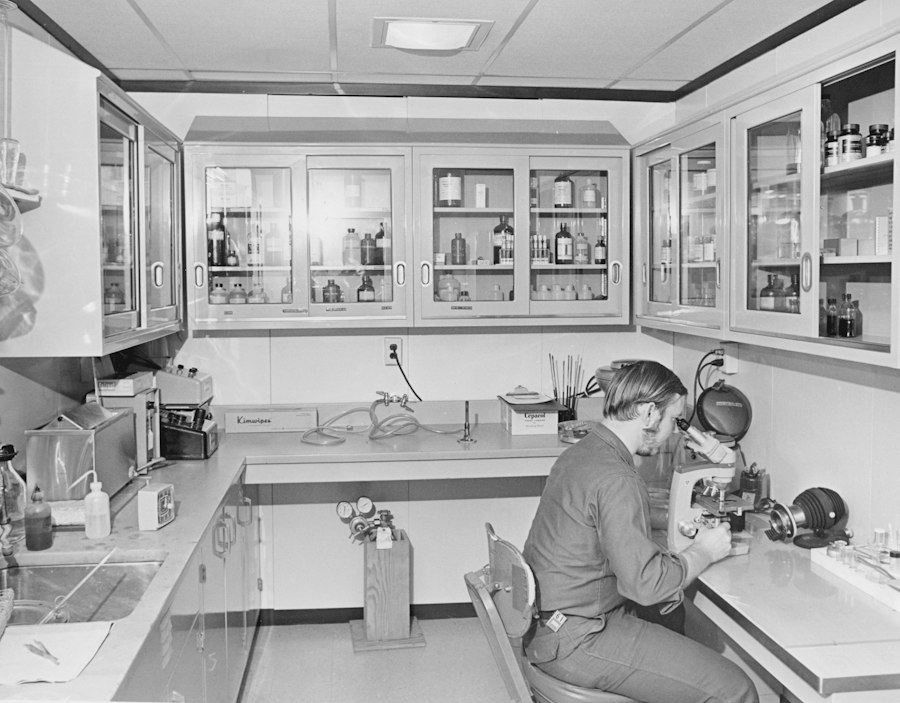
The early decades of Signal Research Lab were marked by a relentless pursuit of excellence in signal processing. The Lab’s researchers were at the forefront of developing algorithms and techniques that would redefine how digital information was handled. This period saw the Lab make significant contributions to areas that would become fundamental to modern digital communication and data analysis. Their work was not confined to theoretical advancements; it often translated into practical applications that had a tangible impact on the technological landscape. The emphasis was on creating robust and efficient methods for extracting meaningful information from noisy or complex data streams.
Pioneering Digital Filtering and Compression
One of the most significant areas of innovation for Signal Research Lab was in the realm of digital filtering. The ability to isolate specific frequencies, remove unwanted noise, and enhance desired signals was crucial for the development of virtually every digital technology. The Lab’s researchers developed groundbreaking filtering techniques that were more adaptive and efficient than existing methods. This opened doors for clearer audio and video transmission, more accurate sensor data, and improved performance in a wide range of communication systems. Simultaneously, Signal Research Lab was deeply involved in the early exploration of data compression. Recognizing the ever-increasing volume of digital information being generated, the Lab’s scientists worked on developing sophisticated algorithms to reduce data size without significant loss of quality. This was essential for enabling faster data transfer over limited bandwidth and for efficient storage of vast amounts of digital content. Their work laid the groundwork for many of the compression standards that are commonplace today, impacting everything from image and audio files to video streaming.
Advancing Modulation and Demodulation Techniques
The ability to effectively transmit and receive digital information hinges on sophisticated modulation and demodulation techniques. Signal Research Lab played a pivotal role in advancing these critical components of communication systems. Researchers at the Lab developed novel modulation schemes that allowed for higher data rates and greater resilience to interference. This included work on advanced forms of phase-shift keying (PSK), quadrature amplitude modulation (QAM), and other sophisticated methods that significantly increased the efficiency of data transmission. Their contributions in demodulation were equally important, focusing on developing algorithms that could accurately recover the original data signal even in the presence of significant noise and distortion. This was crucial for ensuring reliable communication over challenging channels, such as those found in wireless networks and long-distance telecommunications. The Lab’s efforts in this area directly contributed to the development of faster, more reliable, and more widespread communication technologies.
Expanding Horizons: From Theory to Application
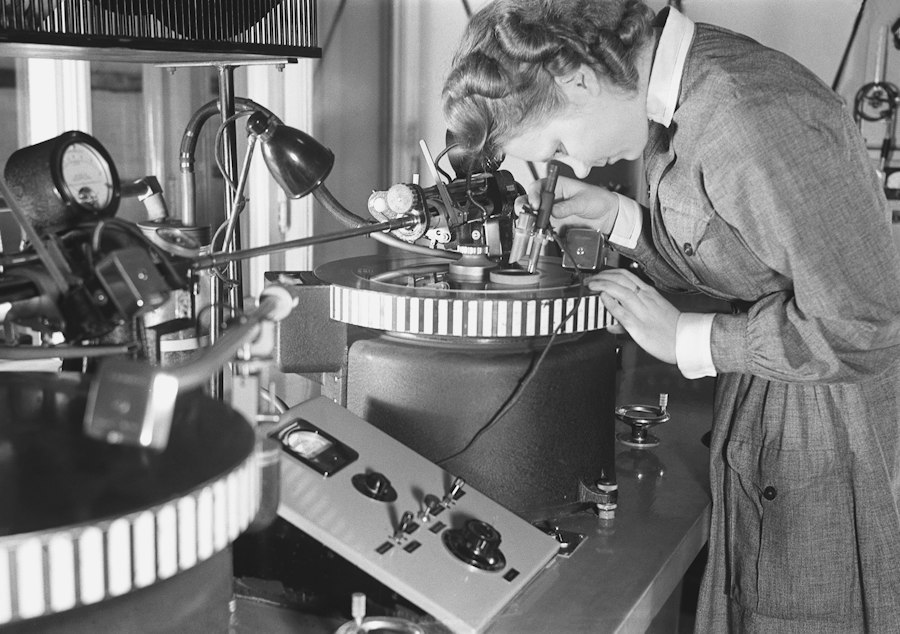
While Signal Research Lab initially focused on fundamental research, its impact grew exponentially as its discoveries transitioned from the theoretical realm into practical, real-world applications. The Lab’s leadership understood the importance of bridging the gap between groundbreaking research and tangible products and services. This strategic shift allowed Signal Research Lab to become not just an academic powerhouse but also a significant player in the commercial technology sector. The transition involved close collaboration with industry partners, the licensing of patented technologies, and, in some cases, the establishment of spin-off companies.
Shaping the Future of Communication Networks
Signal Research Lab’s expertise in signal processing and communication systems naturally led it to become a key contributor to the evolution of communication networks. The Lab’s research directly influenced the development of mobile communication technologies, including early cellular networks and later generations. Their work on interference cancellation, channel estimation, and efficient spectrum utilization was instrumental in enabling the miniaturization of mobile devices and the dramatic increase in data capacity. Furthermore, Signal Research Lab played a role in the design and optimization of broadband internet technologies, contributing to faster and more reliable internet access for homes and businesses. This involved research into advanced error correction codes, efficient multiplexing techniques, and robust signal transmission protocols. The Lab’s insights helped shape the very infrastructure that underpins our increasingly connected world.
Contributions to Digital Imaging and Audio
Beyond communication networks, Signal Research Lab’s innovative spirit extended to the fields of digital imaging and audio. The Lab’s advancements in signal processing found immediate application in improving the quality and capabilities of digital cameras and audio recording devices. Their work on image denoising, sharpening, and feature extraction enhanced the clarity and detail of digital photographs. In the audio domain, Signal Research Lab’s contributions led to more sophisticated noise reduction algorithms, advanced audio compression techniques that preserved fidelity, and innovative methods for audio signal enhancement. This impacted everything from consumer electronics like MP3 players and digital cameras to professional audio equipment and medical imaging devices. The Lab’s ability to extract more information from digital signals fundamentally improved the user experience in countless consumer products.
Driving Innovation: Research Culture and Intellectual Property
The sustained success of Signal Research Lab can be attributed not only to its technical achievements but also to the unique research culture it fostered and its strategic approach to intellectual property. The Lab recognized that a fertile ground for innovation required more than just brilliant minds; it demanded an environment that encouraged bold exploration, rewarded creativity, and protected its intellectual assets. This dual focus ensured that groundbreaking discoveries were not only made but also effectively leveraged for future development and commercialization.
Cultivating a Culture of Curiosity and Experimentation
At the heart of Signal Research Lab’s enduring innovation was its deeply ingrained culture of curiosity and experimentation. The Lab actively promoted an environment where researchers were encouraged to pursue ambitious, even seemingly outlandish, ideas. This was achieved through various mechanisms, including dedicated time for exploratory research, internal innovation challenges, and cross-disciplinary project teams. The leadership instilled a belief that failure was an integral part of the learning process, provided that lessons were learned and applied. This “fail fast, learn faster” ethos allowed for rapid iteration and a continuous cycle of improvement. Furthermore, the Lab emphasized intellectual freedom, allowing its researchers to follow their instincts and explore avenues that might not have immediate commercial applications but held the potential for significant long-term impact. This freedom, combined with rigorous scientific discipline, created a powerful engine for discovery.
Strategic Intellectual Property Management
Signal Research Lab understood that its innovations represented valuable intellectual capital. Consequently, the Lab developed a sophisticated and proactive strategy for managing its intellectual property. This involved not only diligently patenting its groundbreaking discoveries but also actively seeking opportunities to license its technologies to other companies and to engage in strategic partnerships. This approach allowed the Lab to monetize its research, reinvesting the proceeds into further R&D and expanding its impact across various industries. The intellectual property department worked closely with the research teams, ensuring that potential patentable inventions were identified and protected early in the development process. This strategic management of IP allowed Signal Research Lab to maintain a competitive edge and to translate its theoretical breakthroughs into tangible technological advancements that benefited society.
The Signal Research Development Laboratory has a rich history that reflects the evolution of communication technologies in military applications. For a deeper understanding of its impact and contributions, you can explore a related article that delves into the laboratory’s significant milestones and innovations. This comprehensive overview highlights how the laboratory has shaped modern signal intelligence and communication strategies, making it an essential read for anyone interested in military technology advancements. To learn more, visit this insightful piece at In The War Room.
The Legacy of Signal Research Lab: Shaping the Digital Future
| Year | Milestone | Description | Key Technologies |
|---|---|---|---|
| 1940s | Foundation | Establishment of early signal research labs focusing on analog signal processing. | Vacuum tubes, analog filters |
| 1950s | Digital Signal Processing Emergence | Introduction of digital techniques in signal processing research. | Early computers, discrete Fourier transform |
| 1960s | Development of DSP Algorithms | Creation of foundational algorithms for filtering and modulation. | Fast Fourier Transform (FFT), adaptive filters |
| 1970s | Microprocessor Integration | Use of microprocessors to implement real-time signal processing. | Microprocessors, digital filters |
| 1980s | Advanced Signal Processing | Research into speech recognition and image processing signals. | Pattern recognition, wavelet transforms |
| 1990s | Wireless Communication Focus | Signal research directed towards mobile and wireless communication systems. | CDMA, OFDM, error correction codes |
| 2000s | Software Defined Radio | Development of flexible radio systems using software for signal processing. | FPGA, SDR platforms |
| 2010s | Machine Learning Integration | Incorporation of AI and machine learning in signal analysis and processing. | Neural networks, deep learning |
| 2020s | 5G and Beyond | Research focused on ultra-fast, low-latency communication signals. | Massive MIMO, mmWave, AI-enhanced signal processing |
The history of Signal Research Lab is a testament to the power of focused research, collaborative spirit, and a relentless pursuit of innovation. From its humble beginnings, the Lab grew to become a significant force in shaping the digital world we inhabit today. Its contributions have permeated various sectors, from telecommunications and computing to imaging and audio, leaving an indelible mark on the technological landscape. The legacy of Signal Research Lab is not merely a collection of patents and publications; it is woven into the fabric of modern digital life, enabling the seamless flow of information and powering the devices that have become indispensable.
Enduring Influence on Modern Technologies
The technologies that are commonplace today owe a significant debt to the foundational work done at Signal Research Lab. The principles of digital signal processing developed and refined within its walls are integral to the functioning of smartphones, Wi-fi networks, digital cameras, high-definition televisions, and countless other devices. The algorithms for data compression that the Lab pioneered are essential for efficient storage and transmission of digital media. The advancements in error correction and modulation techniques continue to underpin the reliability and speed of modern communication systems. Even as technologies evolve, the core concepts and methodologies that emerged from Signal Research Lab remain relevant, serving as cornerstones for ongoing innovation. The Lab’s influence is so pervasive that its contributions are often invisible to the end-user, yet they are fundamental to the seamless operation of the digital infrastructure that supports our daily lives.
A Continuing Commitment to Future Advancements
While Signal Research Lab’s history is rich with past achievements, its commitment to future advancements remains unwavering. The Lab continues to explore new frontiers in signal processing and related fields, addressing the emerging challenges and opportunities of the digital age. This includes research into areas such as artificial intelligence and machine learning, quantum computing, and the development of next-generation communication systems. By embracing new disciplines and fostering a culture of continuous learning and adaptation, Signal Research Lab is poised to continue its role as a leading innovator, driving the development of technologies that will define the future. The Lab’s enduring mission is to leverage the power of signal processing and digital innovation to solve complex problems and to enhance the human experience in an increasingly interconnected world.

The 1958 Space Nukes Meant to Destroy Soviet Missiles
FAQs
What is the Signal Research Development Laboratory?
The Signal Research Development Laboratory is a facility dedicated to conducting research and development in the field of signal processing, communication systems, and related technologies.
When was the Signal Research Development Laboratory established?
The Signal Research Development Laboratory was established in 1985 as a government-funded research facility to support advancements in signal processing and communication technologies.
What are some key areas of focus for the Signal Research Development Laboratory?
Some key areas of focus for the Signal Research Development Laboratory include radar signal processing, wireless communication systems, signal modulation techniques, and signal analysis algorithms.
Has the Signal Research Development Laboratory contributed to any significant technological advancements?
Yes, the Signal Research Development Laboratory has contributed to significant advancements in signal processing technologies, leading to improvements in radar systems, wireless communication protocols, and signal analysis methods.
Is the Signal Research Development Laboratory involved in any collaborative research projects?
Yes, the Signal Research Development Laboratory collaborates with industry partners, academic institutions, and government agencies on various research projects to further advancements in signal processing and communication technologies.