The design of Soviet missile carriers represents a fascinating intersection of engineering ingenuity, strategic imperative, and geopolitical maneuvering. Throughout the Cold War, the Soviet Union invested heavily in developing a diverse array of platforms capable of delivering nuclear and conventional ballistic missiles. These carriers, ranging from intercontinental ballistic missile (ICBM) silos and mobile launchers to submarine-launched ballistic missile (SLBM) platforms and strategic bomber aircraft, were not merely vehicles for weaponry; they were embodiments of Soviet military doctrine and technological ambition. The innovations within their design were often driven by a need to achieve parity with, and eventually surpass, Western capabilities, while their strategic impact reshaped global power dynamics and dictated the very nature of nuclear deterrence.
The Evolution of Soviet Missile Carrier Platforms
The genesis of Soviet missile carrier design can be traced back to the immediate post-World War II era, a period marked by a fervent race for nuclear weapons. The initial focus was on developing the delivery systems necessary to effectively deploy these newly acquired weapons of mass destruction. This early phase was characterized by a pragmatic and often brute-force approach, prioritizing functional effectiveness over elegant design. As the technological landscape evolved and the strategic threat environment became increasingly complex, Soviet engineers and military planners responded with a series of increasingly sophisticated and specialized platforms. This evolution was not linear; it involved parallel development paths, a testament to the diverse operational requirements and the ambition to possess a comprehensive and resilient nuclear triad.
Early ICBM Development and the Dawn of Silo Warfare
The advent of the intercontinental ballistic missile marked a profound shift in military thinking. The Soviet Union, determined to bridge the perceived “missile gap,” rapidly pursued the development of its own ICBM capabilities. The R-7 Semyorka, the world’s first intercontinental ballistic missile, was a groundbreaking achievement, though its early iterations were massive and unwieldy. The subsequent move to fixed, underground silos represented a significant leap in survivability and strategic posture. These early silos, while rudimentary by later standards, provided a protected launch environment, making a first strike against Soviet ICBMs significantly more challenging. The design of these silos often involved hardened concrete structures buried deep underground, equipped with complex launch mechanisms and environmental controls to ensure missile readiness. The strategic implication was the establishment of a credible second-strike capability, a cornerstone of nuclear deterrence. The sheer scale of these early ICBM programs also underscored the Soviet Union’s commitment to achieving nuclear parity.
The Rise of Mobile Missile Systems
The vulnerability of fixed ICBM silos to pre-emptive strikes became a central concern for Soviet strategists. This realization fueled the development of mobile missile systems, designed to increase the survivability of their strategic forces by making them difficult to locate and target. The RT-2PM Topol (SS-25 Sickle) and its successors represented a paradigm shift in ICBM deployment. These road-mobile launchers, typically housed within large, multi-wheeled vehicles, could traverse vast distances across the Soviet Union, launching their missiles from any prepared location. The engineering challenges were considerable, involving the design of robust chassis capable of carrying immense payloads over rugged terrain, alongside sophisticated stabilization and launch systems that could operate under field conditions. The strategic impact was immense, fundamentally altering the calculus of nuclear war. The constant movement and unpredictability of mobile launchers forced adversaries to maintain a state of high alert and to consider the possibility of a dispersed and resilient Soviet nuclear force, thus bolstering the credibility of Soviet deterrence.
Submarine-Launched Ballistic Missiles: The Silent Deterrent
The strategic value of submarines as missile platforms became increasingly apparent to the Soviet Union. Submarines offered a degree of stealth and mobility that was unmatched by land-based systems, allowing them to patrol vast oceanic expanses and remain hidden from enemy surveillance. The development of Soviet ballistic missile submarines, beginning with the Golf-class submarines carrying relatively short-range missiles, progressed to the formidable Typhoon-class submarines, which could carry multiple R-39 (SS-N-20 Sturgeon) SLBMs, each with multiple warheads. The design of these submarines involved significant advancements in hull construction, sonar technology, and the integration of vertical launch systems within pressure hulls. The acoustic signature of these submarines was a critical design consideration, with continuous efforts to minimize noise and maximize stealth. The strategic impact of these SLBM platforms was profound, providing a virtually undetectable second-strike capability that significantly strengthened the Soviet Union’s nuclear deterrent. The “boomer” submarines became the ultimate symbol of the silent, ever-present threat.
Strategic Bomber Integration: A Complementary Delivery System
While ballistic missiles formed the core of the Soviet nuclear arsenal, strategic bombers also played a vital role in their missile carrier design and deployment strategy. Aircraft like the Tu-95 (Bear) were designed to carry and deliver nuclear-capable cruise missiles and gravity bombs over long distances. The design of these bombers focused on endurance, payload capacity, and survivability against enemy air defenses. Innovations included advanced aerodynamic designs, powerful turboprop engines for long-range flight, and sophisticated electronic countermeasures. The strategic role of bombers was multifaceted; they provided a flexible delivery option, could be recalled if a mission became too risky, and served as a visible projection of Soviet air power. The integration of cruise missiles onto these platforms further enhanced their standoff capability, allowing them to strike targets from a safer distance. This bomber force, often operating in conjunction with missile submarines and land-based ICBMs, contributed to the overall complexity and resilience of the Soviet nuclear triad.
The design of Soviet missile carriers has been a topic of significant interest among military historians and defense analysts. One related article that delves deeper into the intricacies of these designs and their impact on naval warfare can be found at this link: Soviet Missile Carrier Design: An Overview. This article explores the technological advancements and strategic considerations that shaped the development of missile carriers during the Cold War era, providing valuable insights into their operational capabilities and legacy.
Engineering Marvels: Key Design Innovations
The Soviet Union’s pursuit of missile carrier superiority spurred numerous engineering innovations. Faced with resource constraints and unique operational environments, Soviet designers often adopted distinctive approaches. These innovations spanned materials science, propulsion systems, guidance technology, and the integration of complex launch and support infrastructure. The relentless drive to achieve and surpass Western capabilities meant that Soviet engineers were constantly pushing the boundaries of what was technically feasible, leading to a catalog of unique and often groundbreaking designs.
Advances in Materials and Construction Techniques
The immense forces involved in missile launch and the harsh operational environments in which these carriers operated demanded significant advancements in materials science and construction. For ICBM silos, this meant developing concrete mixes with exceptional compressive strength and resilience to withstand the shockwaves of missile launches and potential nuclear detonations. The design of submarine hulls, particularly for deep-diving ballistic missile submarines, required advanced metallurgy to create pressure hulls capable of withstanding immense oceanic pressures. The development of specialized steel alloys and sophisticated welding techniques were crucial in ensuring the structural integrity of these vessels. For mobile launchers, the focus was on lightweight yet incredibly strong materials for chassis construction, enabling them to carry heavy missile loads while maintaining mobility over varied terrain. The pursuit of greater payload capacity and reduced vehicle weight often drove innovations in composite materials and advanced structural engineering.
Guidance and Control Systems: Precision in a Harsh Environment
Achieving accuracy with ballistic missiles, particularly over intercontinental ranges, presented a formidable challenge. Soviet engineers dedicated significant effort to developing robust and precise guidance and control systems. Early systems relied on inertial navigation, but as technology advanced, more sophisticated gyroscopic and stellar tracking systems were implemented. The need for missiles to operate from mobile platforms or submerged submarines added further complexity. The gyroscopes and accelerometers had to be extremely sensitive and resilient to vibrations, shock, and temperature fluctuations. The integration of digital computers into these systems allowed for more complex calculations and real-time trajectory adjustments. For SLBMs, the challenges were amplified by the need for accurate targeting from a moving and submerged platform, often in the presence of ocean currents and magnetic anomalies. The development of cold-launch systems for some submarine-launched missiles also represented an innovation, reducing stress on the submarine and improving launch success rates.
Launch Mechanisms: From Fiery Ejection to Silent Deployment
The design of missile launch mechanisms varied significantly across different platform types, reflecting their unique operational requirements. For fixed ICBM silos, powerful rocket motors were ignited within the silo, generating immense thrust to lift the missile. This process was often accompanied by significant noise and ground disturbance, leading to the development of specialized blast doors and launch pads. Mobile launchers, on the other hand, often employed a “cold launch” or “pop-up” system. In this method, a small ejection charge would propel the missile out of its canister before its main engines ignited in the air. This significantly reduced stress on the mobile launcher and improved survivability. For submarines, the launch systems were even more complex, designed to operate underwater. Early systems involved flooding the missile tube to equalize pressure, followed by igniting the missile. Later designs employed “gas-driven launch,” where compressed gas was used to eject the missile from the tube before its engines fired, a method that offered greater reliability and less stress on the submarine. These innovations in launch technology were critical to the operational effectiveness and survivability of Soviet missile carriers.
Command, Control, and Communication (C3) Integration
Effective command, control, and communication (C3) systems were paramount for the operational readiness and strategic deployment of Soviet missile carriers. This involved establishing robust communication links between strategic command centers and dispersed missile platforms, whether they were in hardened silos, on vast road networks, or patrolling the ocean depths. The Soviet Union developed intricate networks of communication satellites, terrestrial radio systems, and underwater acoustic communication channels to maintain contact with its nuclear forces. The survivability of these C3 networks was a critical design consideration, with redundancy built into every layer. The development of secure communication protocols and encryption was essential to prevent unauthorized launch or compromise of sensitive information. The integration of C3 systems with the launch platforms allowed for rapid dissemination of launch orders and real-time status updates, a crucial element in maintaining a credible nuclear deterrent.
Strategic Impact on Global Power Dynamics
The development and deployment of Soviet missile carriers had a profound and multifaceted impact on global power dynamics. They fundamentally reshaped the nature of international relations, drove the arms race, and dictated the principles of nuclear deterrence. The sheer scale and sophistication of these forces presented a credible challenge to Western dominance and forced a constant re-evaluation of strategic postures by both sides of the Cold War.
The Nuclear Arms Race and Deterrence Theory
The Soviet Union’s advancements in missile carrier technology directly fueled the nuclear arms race. Each new Soviet development, whether a more powerful ICBM, a stealthier submarine, or a more survivable mobile launcher, compelled the United States and its allies to respond with their own technological countermeasures and force enhancements. This perpetual cycle of innovation and counter-innovation characterized the Cold War arms race, consuming vast resources and creating a constant state of global tension. The development of Soviet missile carriers also played a crucial role in shaping nuclear deterrence theory. The concept of Mutually Assured Destruction (MAD), where a nuclear attack by one side would result in the complete annihilation of both, was largely predicated on the existence of robust and survivable second-strike capabilities. Soviet ICBMs, SLBMs, and bomber-borne missiles provided these capabilities, ensuring that any first strike would be met with devastating retaliation, thus preventing outright nuclear war.
Geopolitical Influence and Crisis Management
The presence of a powerful and diverse Soviet missile carrier force significantly amplified its geopolitical influence. It provided a credible deterrent against conventional aggression and served as a powerful bargaining chip in diplomatic negotiations. The ability to project nuclear power across intercontinental distances meant that the Soviet Union could exert influence far beyond its immediate borders. During various Cold War crises, such as the Cuban Missile Crisis, the perceived threat posed by Soviet missile carriers played a central role in the dynamics of escalation and de-escalation. The strategic implications of these carriers were constantly under scrutiny, influencing decision-making at the highest levels of government and shaping the global security landscape. The mere existence of these weapons systems created a framework within which international relations were conducted, often defined by a tense balance of power.
The Soviet Union’s Global Strategic Posture
The design and deployment of Soviet missile carriers were intrinsically linked to the Soviet Union’s overarching global strategic posture. The emphasis on mobility and survivability in land-based systems, for instance, reflected a doctrine of protracted conflict and the need to maintain retaliatory capabilities even in the face of a devastating first strike. The massive investment in submarine-launched ballistic missile technology underscored a commitment to a persistent and stealthy deterrent, capable of surviving any initial onslaught. The integration of bombers into the nuclear triad provided flexibility and a visible projection of power. Collectively, these platforms allowed the Soviet Union to maintain a strategic parity with the United States, projecting an image of strength and resolve on the global stage. This posture was not merely defensive; it was also offensive, enabling the Soviet Union to challenge Western hegemony and pursue its ideological objectives.
Challenges and Adaptations in Soviet Design
The development of Soviet missile carriers was not without its challenges. Resource limitations, technological hurdles, and the ever-evolving threat landscape necessitated continuous adaptation and innovation. Soviet engineers and designers often had to find ingenious solutions to overcome these obstacles, leading to some of the most unique and robust designs of the era.
Resource Constraints and Ingenious Solutions
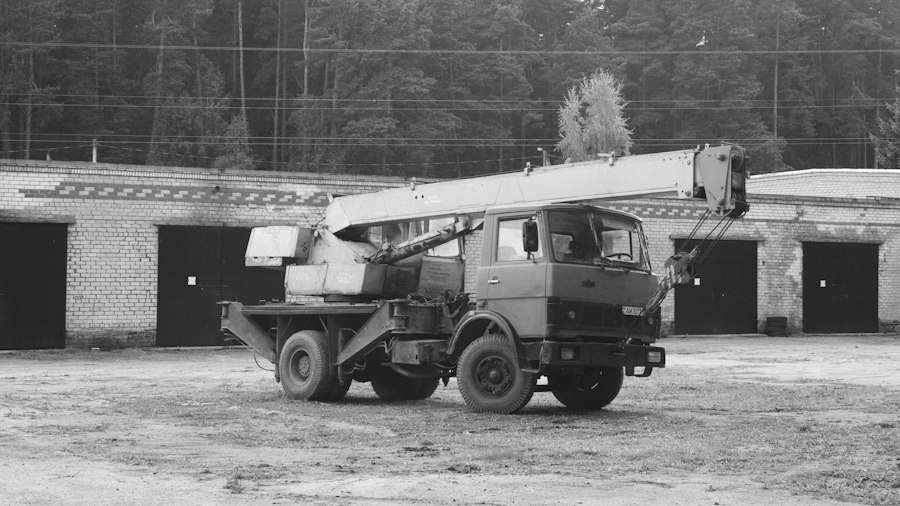
The Soviet economy, while vast, often operated under different constraints than its Western counterparts. This meant that Soviet designers frequently had to prioritize cost-effectiveness and resource efficiency. Instead of relying on the most cutting-edge materials or the most complex electronic systems, they often found innovative ways to achieve similar results with more readily available resources. For example, the robustness of many Soviet military vehicles, including their mobile missile launchers, often came from simpler, more rugged designs that were easier to maintain and repair in the field. The emphasis was on reliability and battlefield resilience rather than cutting-edge technological sophistication in every component. This pragmatic approach led to some incredibly durable and effective weapon systems that could operate in harsh conditions.
The Impact of Intelligence and Espionage
The flow of intelligence, both successful and unsuccessful, played a significant role in shaping Soviet missile carrier design. Information gathered through espionage about Western capabilities often influenced design choices, prompting the Soviets to develop countermeasures or to accelerate development in specific areas. Conversely, Western intelligence efforts were heavily focused on understanding Soviet missile programs. This dynamic led to a constant cat-and-mouse game, where each side sought to gain an advantage through technological superiority and strategic deception. The design of Soviet missile carriers sometimes incorporated features intended to mislead intelligence agencies, such as dummy launchers or disguised mobile vehicles, further complicating the intelligence gathering process.
Adapting to Evolving Threats and Treaties
The design and deployment of Soviet missile carriers were also heavily influenced by the evolving threat environment and the international arms control treaties that emerged throughout the Cold War. As anti-ballistic missile (ABM) systems were developed and deployed, Soviet designers had to find ways to overcome them, leading to the development of multiple independently targetable re-entry vehicles (MIRVs) and decoys. Arms control treaties, such as the Strategic Arms Limitation Treaties (SALT) and the Strategic Arms Reduction Treaties (START), also placed limits on the number and types of missile carriers that could be deployed. This led to complex negotiations and, in some cases, the decommissioning or modification of existing platforms to comply with treaty obligations. The design and strategic rationale behind Soviet missile carriers were therefore not static but were constantly adapting to both the technological and geopolitical realities of the time.
The design of Soviet missile carriers has been a topic of significant interest among military historians and enthusiasts alike, particularly due to its impact on naval warfare strategies during the Cold War. For those looking to delve deeper into this subject, a related article can be found at In The War Room, which explores the evolution and technological advancements of these formidable vessels. Understanding the intricacies of Soviet missile carrier design not only sheds light on past military tactics but also provides valuable insights into contemporary naval developments.
Legacy and Continued Influence
| Missile Carrier | Type | Displacement (tons) | Length (meters) | Missile Type | Missile Capacity | Range (km) | Launch System | Service Entry |
|---|---|---|---|---|---|---|---|---|
| Project 658 (Hotel-class) | Submarine | 4,600 | 91.3 | R-13 (SS-N-4 Sark) | 3 | 600 | Submerged vertical launch | 1959 |
| Project 667A (Yankee-class) | Submarine | 7,900 | 128 | R-27 (SS-N-6 Serb) | 16 | 2,400 | Submerged vertical launch | 1967 |
| Project 1144 (Kirov-class) | Surface Cruiser | 28,000 | 252 | P-700 Granit (SS-N-19 Shipwreck) | 20 | 550 | Fixed angled launchers | 1980 |
| Project 949A (Oscar II-class) | Submarine | 14,700 | 154 | P-700 Granit (SS-N-19 Shipwreck) | 24 | 550 | Submerged vertical launch | 1981 |
| Project 1164 (Slava-class) | Surface Cruiser | 11,500 | 186 | P-500 Bazalt (SS-N-12 Sandbox) | 16 | 550 | Fixed angled launchers | 1983 |
The era of Soviet missile carrier design has left an indelible mark on military history and continues to influence contemporary strategic thought. The innovations developed during this period, the strategic doctrines they embodied, and the geopolitical landscape they helped to shape all have enduring legacies. Understanding these developments is crucial for comprehending the trajectory of nuclear strategy and the ongoing evolution of military technology.
Technological Advancements and Their Ripple Effects
Many of the technological advancements pioneered in the design of Soviet missile carriers found applications beyond their immediate military purpose. The development of advanced materials, precision engineering, and sophisticated guidance systems contributed to broader technological progress in fields such as aerospace, civil engineering, and computing. The sheer scale of the Soviet missile programs also fostered a generation of skilled engineers and scientists whose expertise continued to be valuable even after the dissolution of the Soviet Union. The methodologies and problem-solving approaches developed for these complex military projects often had ripple effects, influencing innovation in civilian sectors.
Enduring Strategic Doctrines
The strategic doctrines that underpinned the design and deployment of Soviet missile carriers, such as the emphasis on a credible second-strike capability and the concept of nuclear deterrence through assured retaliation, remain central to global security discussions. While the geopolitical context has changed dramatically since the Cold War, the fundamental principles of nuclear deterrence, heavily shaped by the Soviet experience, continue to influence the policies and postures of nuclear-armed states. The concept of a survivable and resilient nuclear arsenal, a hallmark of Soviet design philosophy, is still a key consideration for modern military planners.
The Global Impact on Nuclear Proliferation and Disarmament
The existence of a vast Soviet missile carrier arsenal was a significant factor in the global proliferation of nuclear weapons. The perceived threat from the Soviet Union spurred many nations to develop their own nuclear capabilities or to seek security through alliances with nuclear powers. Conversely, the intense competition of the arms race also ultimately contributed to the impetus for nuclear disarmament efforts. The immense cost and danger associated with maintaining such large arsenals eventually led to arms control negotiations and a greater global awareness of the need to manage and reduce nuclear risks. The legacy of Soviet missile carrier design is therefore intertwined with both the proliferation and the eventual, albeit incomplete, progress toward nuclear disarmament.

The Soviet Warship That Learned to Fly
FAQs
What is a Soviet missile carrier design?
A Soviet missile carrier design refers to the development and construction of vehicles specifically designed to transport and launch missiles, typically for military purposes.
What were some key features of Soviet missile carrier designs?
Soviet missile carrier designs often incorporated advanced technology, such as multiple launch tubes, sophisticated targeting systems, and the ability to carry various types of missiles, including nuclear warheads.
How did Soviet missile carrier designs contribute to the Cold War arms race?
Soviet missile carrier designs played a significant role in the Cold War arms race by providing the Soviet Union with the capability to deploy missiles capable of reaching targets in other countries, including the United States.
Were Soviet missile carrier designs used in combat?
Yes, Soviet missile carrier designs were used in combat situations, particularly during the Cold War era. These vehicles were deployed by the Soviet military in various conflicts and were considered a key component of their strategic arsenal.
What is the legacy of Soviet missile carrier designs in modern military technology?
The legacy of Soviet missile carrier designs can be seen in modern military technology, with many countries continuing to develop and deploy missile carrier vehicles for defense and strategic purposes. These designs have influenced the development of missile systems around the world.