
The Soviet Union’s Naval Aviation, a formidable force throughout much of the 20th century, played a crucial and often underestimated role in shaping global maritime strategy. Far from being a mere appendage to the Red Army’s land-based power, Soviet Naval Aviation developed into a sophisticated and diverse branch, wielding significant influence across the world’s oceans. Its history is a testament to ambitious technological development, strategic foresight, and the unwavering commitment of its personnel. The impact of this air arm at sea was profound, contributing directly to the Soviet Union’s ability to project power, secure its vast coastline, and challenge the naval supremacy of its adversaries.
The Genesis of Soviet Naval Air Power
The origins of Soviet Naval Aviation can be traced back to the nascent days of the Soviet state, a period characterized by rapid industrialization and a keen awareness of the need to defend its extensive maritime borders. Early efforts focused on developing reconnaissance capabilities and rudimentary bomber and fighter aircraft capable of operating from land bases in coastal areas. The interwar period saw a significant expansion and modernization of this nascent force, driven by the lessons learned from naval air warfare in other nations and the evolving geopolitical landscape. The Soviet Union, with its vast coastline facing multiple potential threats, recognized the strategic imperative of a strong naval air arm. This led to a focus on building specialized naval aircraft and establishing the infrastructure necessary for their effective deployment and maintenance.
Early Aviation Experiments and Coastal Defense
Following the Russian Revolution, the Bolshevik government inherited a modest aviation infrastructure, which was quickly repurposed for military use. The initial focus of naval aviation was on reconnaissance and anti-submarine warfare (ASW) along the Baltic and Black Sea coasts. Aircraft like the KOR-1 flying boat served as early examples of purpose-built naval aircraft. These early machines, while primitive by modern standards, represented a crucial first step in establishing a dedicated naval air presence. The development of rudimentary airfields and training programs laid the groundwork for future expansion. The primary goal was coastal surveillance, identifying potential enemy incursings and providing early warning to surface fleets.
The Interwar Buildup and the Rise of Carriers
The 1930s witnessed a concerted effort to modernize and expand Soviet Naval Aviation. The Soviet leadership understood the transformative potential of naval aviation and began investing in more advanced aircraft designs. This era also saw a tentative exploration of aircraft carrier technology. Although the Soviet Union never truly fielded a large, conventional carrier fleet comparable to those of the United States or Japan, the construction of the light carrier Unyzhestvennyy (later renamed Priboy) and the planning for larger carriers signaled a clear ambition to develop carrier-based operations. While these plans were ultimately curtailed by the outbreak of World War II, the research and development undertaken during this period provided valuable experience and technological know-how. The focus shifted towards land-based naval aviation, with a significant emphasis on long-range bombers and torpedo-carrying aircraft capable of projecting power far out to sea from coastal airfields.
Soviet Union naval aviation played a crucial role during the Cold War, significantly influencing naval strategies and operations. For a deeper understanding of this topic, you can explore the article “The Evolution of Soviet Naval Aviation” which provides insights into the development and impact of naval aviation in the Soviet military. To read more about this fascinating subject, visit this article.
World War II: A Baptism by Fire
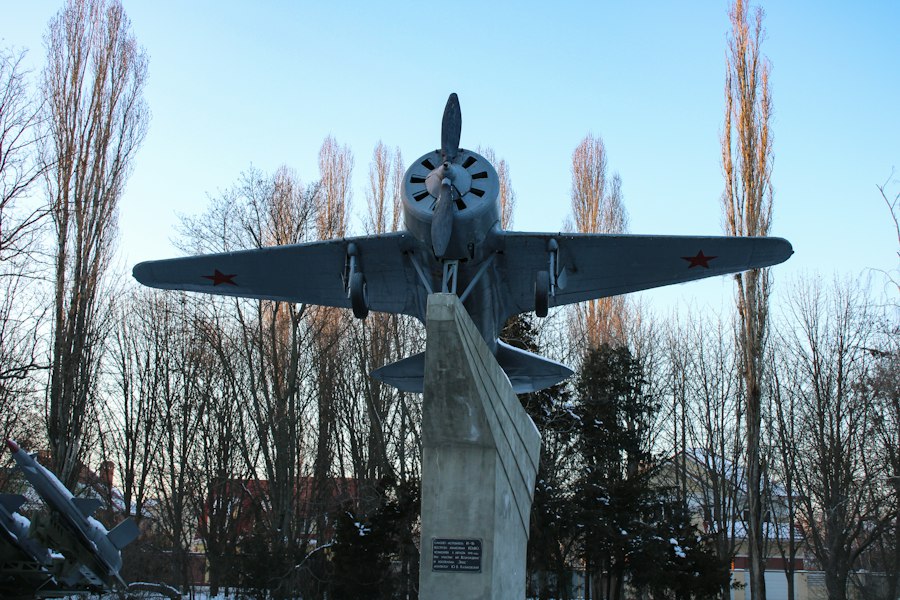
The Great Patriotic War, as it was known in the Soviet Union, presented an immense challenge and a brutal testing ground for Soviet Naval Aviation. While the initial years were marked by severe losses and operational difficulties, the naval air arm adapted and evolved, playing a critical role in key theaters of operation, particularly in the Baltic, Black Sea, and Arctic. The experience gained during the war was invaluable, shaping future doctrines and technological advancements. The sheer scale of the conflict necessitated a pragmatic approach, often forcing Soviet Naval Aviation to operate in conditions that would be unthinkable for Western counterparts.
The Crucial Role in Coastal and Arctic Operations
During World War II, Soviet Naval Aviation was instrumental in defending Soviet coastlines and supporting naval operations in challenging environments. In the Baltic, its aircraft engaged in intense battles against the Luftwaffe and German naval forces, providing crucial air cover for naval convoys and conducting devastating torpedo attacks against enemy shipping. The Black Sea Fleet’s aviation arm played a similar vital role, supporting ground operations during the Siege of Sevastopol and engaging in fierce aerial combat. In the Arctic, where harsh weather and long distances posed significant challenges, Soviet naval aircraft operated from rudimentary bases, providing reconnaissance and striking enemy vessels attempting to disrupt the vital Allied convoys. These operations highlighted the resilience and adaptability of Soviet naval aviators.
Development of Specialized ASW and Strike Capabilities
The war underscored the importance of dedicated anti-submarine warfare (ASW) capabilities. Soviet Naval Aviation developed and deployed specialized ASW aircraft, such as the Be-2 and later the Be-6 flying boats, which were equipped with sonar buoys and depth charges. While not as technologically advanced as their Western counterparts, these aircraft proved effective in locating and attacking German U-boats. Furthermore, the war saw a significant development in Soviet naval strike aviation. Long-range bombers like the Il-4 and later the Tu-2 were adapted for naval attack roles, capable of delivering torpedoes and bombs against enemy warships and shipping. The emphasis on torpedo attacks became a hallmark of Soviet naval air doctrine during this period, reflecting the perceived threat of well-armed enemy fleets.
The Cold War Era: A Global Maritime Challenge
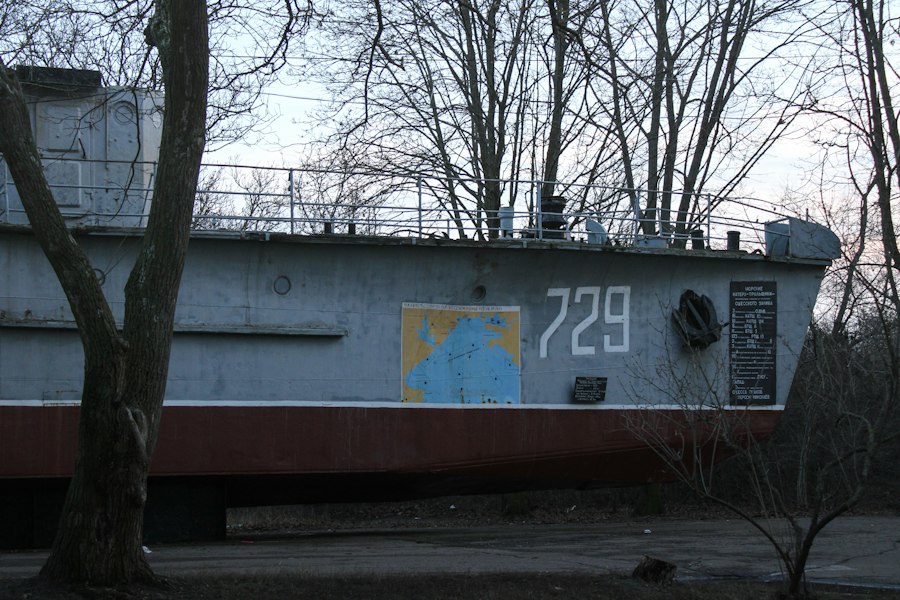
The Cold War era marked the zenith of Soviet Naval Aviation’s development and strategic importance. Driven by the desire to counter the United States Navy’s global reach and challenge its dominance, the Soviet Union invested heavily in building a powerful, technologically advanced, and geographically dispersed naval air arm. This period saw the development of a wide array of aircraft, from advanced fighter-bombers and maritime strike aircraft to specialized reconnaissance and ASW platforms. The strategic impact of this force extended far beyond Soviet territorial waters, influencing naval deployments and strategic calculations worldwide.
The Rise of the Missile-Carrying Bomber and Long-Range Strike
A defining feature of Soviet Naval Aviation during the Cold War was the development of long-range, missile-carrying bombers designed to strike enemy carrier battle groups and surface fleets. Aircraft like the Tu-16 Badger, Tu-22M Backfire, and the more advanced Tu-95 Bear, when equipped with anti-ship missiles such as the P-5/P-15 Termit (Styx) and later the P-70 Ametist and P-1000 Vulkan, became potent threats. These aircraft could operate from land bases within range of major naval theaters, posing a significant challenge to Western naval planners. The ability to launch stand-off missile attacks from vast distances, coupled with the sheer number of these platforms, created a persistent threat that necessitated substantial defensive measures from opposing navies.
The Introduction of Carrier Aviation and Amphibious Assault
While not initially a primary focus, the Soviet Union eventually ventured into carrier aviation, albeit with a different philosophy than Western powers. The Moskva and Leningrad class helicopter carriers were primarily designed for ASW operations and troop transport, but they did carry some fixed-wing aircraft for reconnaissance and anti-submarine roles. Later, the Kiev class “heavy aircraft-carrying cruisers” blurred the lines between traditional aircraft carriers and cruisers, carrying a mix of VTOL aircraft (like the Yak-38 Forger) and ASW helicopters. The Admiral Kuznetsov, the Soviet Union’s only full-fledged aircraft carrier, represented a significant step towards conventional carrier operations, though its operational capabilities and doctrine remained distinct from Western counterparts. These developments signaled a growing ambition to project power and conduct operations further afield.
Reconnaissance, Electronic Warfare, and ASW Dominance
Beyond strike capabilities, Soviet Naval Aviation excelled in specialized roles. Dedicated reconnaissance aircraft, such as the Tu-95RT Bear-D, equipped with advanced radar and electronic intelligence gathering equipment, provided crucial targeting information for missile strikes and monitored enemy fleet movements. The development of sophisticated electronic warfare (EW) aircraft allowed Soviet naval aviation to disrupt enemy communications and radar systems. Crucially, the Soviet Union invested heavily in anti-submarine warfare (ASW) capabilities, recognizing the existential threat posed by enemy submarines. Dedicated ASW aircraft like the Tu-142 Bear-F, equipped with advanced sonobuoys, magnetic anomaly detectors (MAD), and torpedoes, were deployed in large numbers, operating from vast networks of airfields across the Soviet Union and its allies. The continuous patrol of vast ocean areas by these ASW aircraft was a key component of Soviet maritime strategy.
Strategic Impact and Global Reach
The strategic impact of Soviet Naval Aviation on the global maritime stage during the Cold War was multifaceted and profound. It was not merely a defensive force; it was a proactive instrument of Soviet foreign policy, capable of projecting power, influencing regional conflicts, and directly challenging the naval dominance of the United States and its allies. Its presence at sea, coupled with its offensive capabilities, forced naval planners in the West to constantly adapt their strategies and allocate significant resources to counter potential threats.
Countering Carrier Battle Groups and Naval Blockades
A primary strategic objective for Soviet Naval Aviation was to neutralize the threat posed by US Navy carrier battle groups. The development of long-range anti-ship missiles and the sheer quantity of missile-carrying aircraft were specifically designed to overwhelm the defenses of these formidable formations. The doctrine of “massed missile attack” aimed to saturate enemy defenses and inflict crippling damage. Furthermore, Soviet Naval Aviation played a significant role in denying the West the ability to impose effective naval blockades around the Soviet Union or its allies. Its long-range strike capabilities and maritime patrol aircraft could harass and interdict enemy shipping, a crucial element in maintaining sea lanes of communication for the Soviet bloc.
Supporting Naval Diplomacy and Power Projection
Soviet Naval Aviation was also a key component of Soviet naval diplomacy and power projection. The deployment of naval aviation units to forward operating bases, often in allied nations or on Soviet naval bases in strategically important regions, demonstrated Soviet military strength and commitment to its allies. The presence of bombers and reconnaissance aircraft at sea, coupled with the regular patrols of its naval forces, signaled a willingness to operate in distant waters and project influence. This “forward presence” was a crucial tool in the geopolitical competition of the Cold War, allowing the Soviet Union to exert influence in regions where its global reach might otherwise have been limited.
Intelligence Gathering and Maritime Surveillance
Beyond its offensive and defensive roles, Soviet Naval Aviation was a vital source of intelligence. Its maritime reconnaissance aircraft continuously monitored the movements of foreign navies, gathering invaluable intelligence on fleet deployments, exercises, and operational capabilities. This intelligence was critical for informing Soviet strategic planning and for providing targeting data for offensive operations. The extensive network of Soviet naval air bases and patrol routes meant that virtually no major naval activity in international waters could escape Soviet surveillance. This constant watchfulness was a significant factor in maintaining the strategic balance during the Cold War.
Soviet Union naval aviation played a crucial role during the Cold War, showcasing the strategic importance of air power in maritime operations. For those interested in exploring this topic further, a related article provides an in-depth analysis of the evolution and impact of Soviet naval aviation tactics. You can read more about it in this insightful piece on the subject, which delves into the complexities of aerial warfare at sea. To access the article, click here: Soviet Naval Aviation Tactics.
The Legacy and Decline of Soviet Naval Aviation
| Metric | Data |
|---|---|
| Operational Period | 1930s – 1991 |
| Primary Roles | Maritime patrol, anti-submarine warfare, fleet air defense, reconnaissance |
| Number of Aircraft Carriers | 4 (including Kiev-class and Admiral Kuznetsov) |
| Notable Aircraft Types | Yak-38, Su-33, Tu-142, Il-38, Ka-27 |
| Estimated Peak Aircraft Strength | Approximately 1,000 aircraft |
| Main Naval Aviation Bases | Severomorsk, Vladivostok, Kaliningrad, Novorossiysk |
| Primary Anti-Submarine Aircraft | Il-38, Ka-27 helicopter |
| Carrier-Based Fighter Aircraft | Yak-38 (VTOL), Su-33 |
| Disbandment | 1991 (after dissolution of the Soviet Union) |
The collapse of the Soviet Union in 1991 marked a dramatic turning point for its Naval Aviation. Faced with severe economic constraints and a drastically reduced strategic imperative, the once formidable force underwent a period of significant decline. However, its legacy continues to influence modern naval aviation doctrines, and some of its technological advancements have found their way into successor states’ air forces. The story of Soviet Naval Aviation is a compelling case study in the evolution of military power and the impact of geopolitical shifts.
Post-Soviet Fragmentation and Resource Scarcity
Following the dissolution of the Soviet Union, its vast military assets were divided among the successor states. Russian Naval Aviation, as the primary inheritor, inherited the majority of the force’s aircraft and infrastructure. However, the economic turmoil of the 1990s led to severe underfunding, a drastic reduction in operational tempo, and the decommissioning of many aircraft and naval bases. Many experienced personnel were lost or retired, and the ability to procure new aircraft and conduct extensive training exercises was severely curtailed. This period represented a significant setback for what had been a globally potent force.
Modern Russian Naval Aviation and Emerging Roles
Despite the challenges, Russian Naval Aviation has undergone a gradual process of rebuilding and modernization. While it no longer operates with the same global reach as its Soviet predecessor, it remains a significant component of Russia’s defense capabilities. The focus has shifted towards more localized defense, power projection in its near abroad, and the development of specialized capabilities. The Syrian intervention, for instance, saw renewed operational deployments of Russian naval aircraft, highlighting their evolving role. There is also a renewed emphasis on ASW and maritime strike capabilities, albeit with fewer platforms and a different strategic context than during the Cold War. The development of new aircraft and weapon systems, such as improved carrier-based aircraft and advanced anti-ship missiles, signals a continued commitment to maintaining a relevant naval air arm. The enduring spirit of Soviet Naval Aviation’s past, combined with a pragmatic adaptation to new realities, defines its present and future.
The Soviet Warship That Learned to Fly
FAQs
What was the role of Soviet Union naval aviation?
Soviet Union naval aviation played a crucial role in protecting the country’s maritime borders, conducting reconnaissance missions, anti-submarine warfare, and providing air support to the Soviet Navy’s surface fleet.
What types of aircraft were used by Soviet Union naval aviation?
Soviet Union naval aviation operated a variety of aircraft, including fighter jets like the MiG-29, strike aircraft like the Su-24, reconnaissance planes like the Tu-95, and anti-submarine warfare aircraft like the Tu-142.
How did Soviet Union naval aviation contribute to the Cold War?
Soviet Union naval aviation played a significant role in the Cold War by conducting patrols near NATO waters, challenging Western naval forces, and participating in strategic bomber missions that kept the United States on high alert.
What were some notable operations conducted by Soviet Union naval aviation?
Notable operations conducted by Soviet Union naval aviation include the Cuban Missile Crisis in 1962, where Soviet naval aviation played a key role in the standoff with the United States, and the Soviet intervention in Afghanistan in the 1980s.
How did the dissolution of the Soviet Union impact naval aviation?
After the dissolution of the Soviet Union in 1991, naval aviation assets were divided among the newly independent states, leading to a significant reduction in the size and capabilities of the former Soviet Union naval aviation forces.