The Soviet Union, for decades, harbored an ambition as vast as the oceans it bordered: to project power and challenge the established maritime dominance of the West. This ambition manifested in the relentless development of its naval forces, transforming a predominantly land-based military into a formidable global sea power. The Soviet Naval Strike Capability was not merely about possessing ships; it was a carefully orchestrated symphony of technological advancement, strategic doctrine, and geopolitical maneuvering, designed to achieve a range of objectives, from bolstering its ideological influence to directly confronting its adversaries on the world’s waterways. The sheer scale and diversity of Soviet naval assets, from stealthy submarines to mighty aircraft carriers, underscored a multifaceted approach to maritime warfare, capable of both the swift, decisive blow and the sustained strategic presence.
Submarine Dominance and the Nuclear Deterrent
The cornerstone of Soviet naval strike capability, particularly during the Cold War, rested upon its unparalleled submarine force. This was not a haphazard build-up but a deliberate and sustained investment driven by a clear strategic imperative: to achieve parity with, and ultimately superiority over, the United States Navy, especially in the realm of nuclear deterrence. The Soviets recognized the inherent stealth and survivability of submarines, making them ideal platforms for delivering nuclear weapons and for disrupting enemy supply lines and naval operations. The development of this silent armada was a testament to Soviet engineering prowess and a stark illustration of the escalating arms race.
The Silent Hunter: Ballistic Missile Submarines
The most critical element of the Soviet submarine force was its fleet of Ballistic Missile Submarines (SSBNs). These vessels, often referred to as “boomers,” were armed with intercontinental ballistic missiles (ICBMs) capable of reaching targets anywhere in the world. The strategic importance of SSBNs lay in their invulnerability. Hidden beneath the waves, they represented a second-strike capability, ensuring that even if the Soviet homeland suffered a devastating first strike, retaliatory nuclear missiles could still be launched, thus deterring any potential aggressor. Projects like the Typhoon-class, the largest submarines ever built, and the Delta-class submarines, which carried a significant number of missiles, were designed for extended patrols in strategically vital areas, lurking just beyond the detection range of Western ASW (anti-submarine warfare) forces. The development of advanced sonar systems, quieter propulsion, and deeper diving capabilities were continuous efforts to enhance the survivability and operational effectiveness of these nuclear deterrent platforms. The psychological impact of these silent hunters prowling the depths was also a significant factor in their strategic value.
The Wolfpack: Attack Submarines and Their Role
Complementing the SSBNs was a vast and diverse fleet of attack submarines, both nuclear-powered (SSNs) and conventionally powered (SSKs). These submarines were the “workhorses” of the Soviet Navy, tasked with a multitude of offensive and defensive missions. Their primary role was to hunt and destroy enemy submarines, particularly the US SSNs and SSBNs, thereby protecting Soviet naval assets and disrupting enemy operations. The prolific production of submarines like the Akula-class (nuclear-powered) and Kilo-class (conventionally powered) enabled the Soviets to field substantial numbers, creating the legendary “wolfpack” tactics that instilled fear in Allied naval commanders. These submarines were equipped with a variety of torpedoes and anti-ship missiles, making them lethal threats to surface vessels as well. Furthermore, they played a crucial role in intelligence gathering, electronic warfare, and in harassing merchant shipping, thereby strangling enemy economies in times of conflict. The Soviets’ focus on producing large numbers of submarines, often with a greater emphasis on offensive firepower than on advanced ASW countermeasures compared to their Western counterparts, reflected a doctrine of overwhelming the adversary through sheer mass and aggressive tactics.
The evolution of Soviet naval strike capability has been a topic of significant interest among military analysts, particularly in light of recent geopolitical tensions. For a deeper understanding of this subject, you can read the article that delves into the historical context and technological advancements of the Soviet Navy at this link: Soviet Naval Strike Capability. This resource provides valuable insights into the strategic implications of naval power during the Cold War and its relevance in contemporary military strategy.
Surface Fleet Power Projection
While the submarine force formed the backbone of Soviet naval strike capability, the development of a potent surface fleet was equally crucial for projecting power, defending its vast coastline, and supporting its global ambitions. The Soviet surface fleet was designed to operate in a variety of environments and fulfill a range of roles, from fleet air defense and anti-surface warfare to amphibious operations and power projection in distant waters. The evolution of its surface fleet mirrored the Soviet Union’s changing strategic outlook, moving from a defensive posture to one that aimed to challenge Western naval superiority on the open seas.
Aircraft Carriers and Naval Aviation
The advent of Soviet aircraft carriers marked a significant, albeit somewhat controversial, evolution in their naval strategy. While never reaching the scale or operational tempo of their American counterparts, the commissioning of carriers like the Kiev-class and later the Admiral Kuznetsov signaled a clear intent to possess significant naval air power. These ships, though often termed “heavy aircraft-carrying cruisers,” were designed to provide air cover for the fleet, conduct anti-submarine warfare, and launch a variety of aircraft, including vertical/short takeoff and landing (V/STOL) jets and helicopters. The Soviet Union’s approach to carrier aviation differed from the US in its emphasis on offensive missile capabilities integrated onto the carriers themselves, reflecting a doctrinal preference for a multi-role platform rather than a purely offensive strike carrier. The operational challenges and limitations of these Soviet carriers, such as their reliance on land-based support and their less sophisticated catapult systems, were well-documented, but their existence undeniably altered the strategic calculus and presented a new dimension to Soviet naval power.
Cruisers, Destroyers, and Frigates: The Battle Line
The core of the Soviet surface fleet consisted of a vast array of cruisers, destroyers, and frigates, each designed to fulfill specific roles within a larger naval formation. The cruisers, such as the Kirov-class battlecruisers (often classified as battlecruisers due to their size and armament), were massive vessels bristling with anti-ship missiles, anti-aircraft missiles, and heavy guns. They served as command ships, fleet flagships, and powerful offensive platforms capable of engaging enemy surface groups. Destroyers and frigates, while smaller, were crucial for fleet air defense, escort duties, and anti-submarine warfare. Vessels like the Sovremenny-class destroyers, armed with potent anti-ship missiles, and the larger frigates provided the necessary screen for protecting capital ships and projecting power closer to shore. The sheer numbers of these vessels, coupled with their often aggressive armament packages, made them formidable opponents. Soviet doctrine emphasized overwhelming firepower and a more offensive-oriented approach to surface warfare, often prioritizing missile saturation over the sophisticated, multi-layered defense systems found on Western warships. This design philosophy reflected a doctrine that sought to inflict maximum damage rapidly in a potential conflict scenario.
Missile Technology and Anti-Ship Warfare
A defining characteristic of Soviet naval strike capability was its relentless pursuit and integration of advanced missile technology. The Soviet Union recognized the transformative potential of guided missiles in naval warfare, viewing them as a way to overcome perceived deficiencies in carrier aviation and to effectively counter the technological superiority of Western fleets. This focus on missile power permeated the design and operational doctrine of their entire naval inventory.
The Anti-Ship Missile Revolution
The development of powerful anti-ship missiles (AShMs) became a central pillar of Soviet naval strategy. Missiles like the P-15 Termit (NATO reporting name: Styx), famously used in the sinking of the Israeli destroyer Eilat, and later the supersonic P-500 Bazalt (NATO: Vampire) and the hypersonic P-700 Granit (NATO: Shipwreck), were designed to overwhelm enemy defenses and deliver devastating blows to even the most heavily armored warships. These missiles often featured sophisticated guidance systems, including active radar homing, infrared seekers, and even, in the case of the Granit, a “fire-and-forget” capability with terminal maneuvering. The Soviet Union pioneered the concept of “saturation attack,” where multiple missiles were launched simultaneously from various platforms, including submarines, surface ships, and even aircraft, to overwhelm enemy countermeasures. The sheer destructive power of these AShMs, coupled with the Soviet emphasis on quantity, presented a significant threat to NATO naval forces, forcing them to invest heavily in advanced electronic countermeasures and defensive missile systems.
Land Attack Missiles and Strategic Reach
Beyond their anti-ship capabilities, Soviet naval forces also possessed formidable land-attack missile capabilities, further extending their strategic reach. Submarines equipped with cruise missiles, such as the SS-N-7 Starbright and the SS-N-12 Sandbox, could strike targets deep inland from their submerged positions, offering a potent offensive option that bypassed traditional air defenses. This capability was particularly significant during the Cold War, as it provided the Soviet Union with a means to hold Western cities and military installations at risk without relying solely on strategic bombers or land-based ICBMs. The development of more advanced land-attack cruise missiles continued to evolve, offering enhanced range, accuracy, and stealth characteristics, ensuring that Soviet naval power remained a potent instrument of strategic coercion and power projection.
Strategic Doctrine and Global Ambitions
The development of the Soviet Naval Strike Capability was not an isolated technological endeavor; it was deeply intertwined with the Soviet Union’s overarching strategic doctrine and its ambitious global aspirations. The Soviet leadership viewed a strong navy as essential for defending its vast maritime borders, projecting ideological influence, and challenging the global reach of the United States and its allies.
Forward Presence and Blue Water Aspirations
For much of its history, the Soviet Navy was largely a coastal defense force. However, particularly from the 1960s onwards, there was a conscious and significant shift towards developing a “blue water” navy – a force capable of operating far from Soviet shores and maintaining a sustained presence in distant oceans. This ambition was driven by a desire to counter US naval deployments, protect Soviet maritime trade routes, and offer support to client states and revolutionary movements worldwide. The deployment of naval task forces to the Mediterranean, the Indian Ocean, and the Atlantic became a regular feature of Soviet naval activity. This forward presence served multiple purposes: it demonstrated Soviet power, gathered intelligence on NATO naval movements, provided a visible counterpoint to US naval power, and offered a credible threat to Western shipping lanes in the event of hostilities. This transition required significant investment in logistics, underway replenishment capabilities, and the development of larger, more capable warships.
The Cold War Maritime Chess Game
Throughout the Cold War, the Soviet Naval Strike Capability played a crucial role in the complex geopolitical chess game between the superpowers. The presence of Soviet submarines and surface ships in strategic locations was a constant source of concern for NATO, forcing them to allocate significant resources to anti-submarine warfare and fleet defense. The Soviet Navy’s ability to project power also influenced diplomatic and political calculations, as demonstrated by its support for various regimes and its interventions in regional conflicts. The constant cat-and-mouse game between Soviet and NATO naval forces, particularly in the North Atlantic and the Barents Sea, highlighted the critical role of maritime power in maintaining the delicate balance of terror. The Soviet Union’s naval expansion was a direct response to the perceived encirclement by Western naval forces and a determined effort to secure its own strategic interests and influence on a global scale.
The evolution of Soviet naval strike capability has been a topic of significant interest among military analysts, particularly in light of recent geopolitical tensions. A comprehensive examination of this subject can be found in a related article that delves into the historical context and technological advancements that shaped the Soviet navy’s strategic approach. For those looking to deepen their understanding of this complex topic, the article is available at In the War Room, where it explores the implications of these capabilities on modern naval warfare.
Post-Soviet Transition and Evolving Capabilities
| Metric | Details |
|---|---|
| Number of Surface Combatants (1980s) | Approximately 300 |
| Number of Submarines (1980s) | Over 200, including nuclear-powered attack and ballistic missile submarines |
| Primary Anti-Ship Missiles | SS-N-19 Shipwreck, SS-N-22 Sunburn, SS-N-12 Sandbox |
| Range of Anti-Ship Missiles | Up to 300 km (SS-N-19) |
| Aircraft Carriers | 1 Kiev-class, 1 Admiral Kuznetsov-class (commissioned late 1980s) |
| Naval Aviation | Tu-22M Backfire bombers capable of maritime strike |
| Strategic Ballistic Missile Submarines | Approximately 40 SSBNs equipped with RSM-54 missiles |
| Surface-to-Air Missile Systems on Ships | S-300F (SA-N-6), SA-N-7, SA-N-9 |
| Electronic Warfare Capabilities | Advanced radar jamming and decoy systems integrated on major vessels |
The collapse of the Soviet Union in 1991 presented a profound challenge to its once formidable naval forces. Economic hardship, political fragmentation, and a drastic reduction in military spending led to a significant decline in operational readiness and the retirement of numerous vessels. However, the underlying strategic importance of naval power was not entirely abandoned, and in recent years, Russia has embarked on a significant modernization and rebuilding program, seeking to reassert its presence on the world’s oceans.
Modernization and Resurgence
Despite the severe limitations faced in the 1990s, Russia has gradually begun to revive its naval capabilities. Investment has been directed towards modernizing existing assets and developing new generations of advanced warships and submarines. The development of new frigates, corvettes, and diesel-electric submarines, along with the continued efforts to maintain a functional submarine force, including new Borei-class SSBNs, signifies a renewed commitment to maritime power. While the scale of the Soviet-era build-up may be difficult to replicate, the focus has shifted towards quality, technological sophistication, and strategic deployment in key maritime regions. The emphasis on asymmetric warfare, cyber capabilities, and the integration of new weapon systems also reflects a changing approach to naval strategy in the 21st century.
Global Footprint and Strategic Objectives
Today, the Russian Navy seeks to re-establish a global presence, albeit with a different strategic focus than its Soviet predecessor. The aim is less about direct confrontation with the full might of NATO and more about securing Russia’s economic interests, projecting influence in its near abroad, and demonstrating its capabilities in a multipolar world. Naval deployments to the Mediterranean, the Arctic, and increasingly, the Pacific, are indicative of these evolving objectives. The focus on naval diplomacy, joint exercises with allied nations, and the development of capabilities such as anti-access/area denial (A2/AD) systems, further illustrate Russia’s determination to be a significant maritime power. The lessons learned from the Soviet era, coupled with the new realities of modern warfare, are shaping the future of Russia’s naval strike capability, ensuring that the ambition to command the seas, in one form or another, endures.
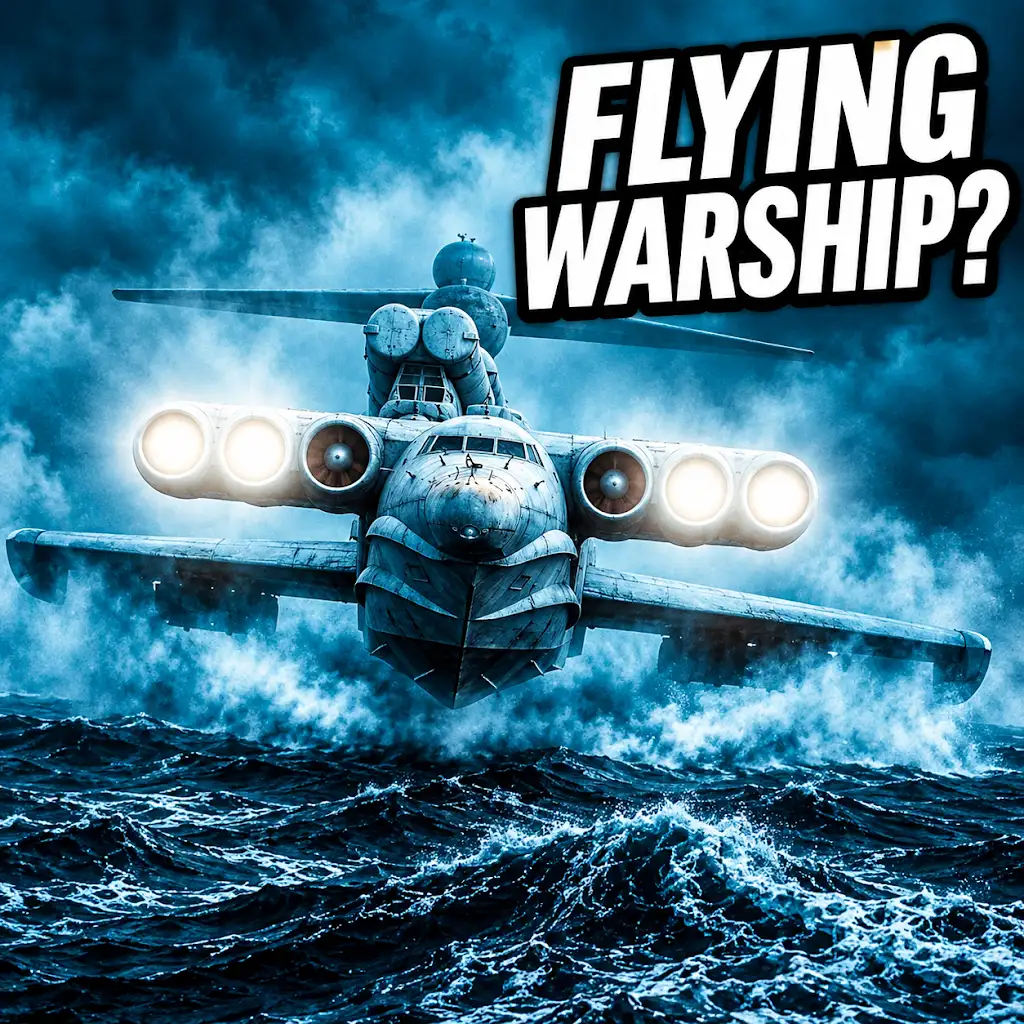
The Soviet Warship That Learned to Fly
FAQs
What was the Soviet naval strike capability during the Cold War?
During the Cold War, the Soviet Union had a formidable naval strike capability, which included a large fleet of submarines armed with ballistic missiles, surface ships equipped with long-range cruise missiles, and naval aviation capable of launching anti-ship missiles.
How did the Soviet naval strike capability compare to that of the United States?
The Soviet naval strike capability was considered to be on par with, and in some cases even superior to, that of the United States during the Cold War. The Soviet Navy had a significant number of submarines armed with nuclear missiles, which posed a serious threat to US naval forces.
What role did Soviet naval strike capability play in the strategy of mutually assured destruction?
Soviet naval strike capability played a crucial role in the strategy of mutually assured destruction (MAD) during the Cold War. The ability of Soviet submarines to launch nuclear missiles from undetectable positions at sea ensured that the Soviet Union could retaliate against a nuclear attack, thus deterring any potential aggressor.
Did the Soviet naval strike capability have any significant military engagements?
One of the most significant military engagements involving the Soviet naval strike capability was the Cuban Missile Crisis in 1962. Soviet submarines armed with nuclear missiles were deployed to Cuba, leading to a tense standoff with the United States and bringing the world to the brink of nuclear war.
How did the Soviet naval strike capability evolve after the end of the Cold War?
After the end of the Cold War, the Soviet naval strike capability underwent significant changes. The Russian Navy, inheritor of the Soviet naval forces, modernized its fleet with new technologies and focused on developing more versatile and flexible naval strike capabilities to meet the challenges of the post-Cold War era.