The Evolving Landscape of Secure Storage
The concept of secure storage has undergone a significant transformation, moving far beyond the traditional image of a locked vault. In the modern era, businesses and individuals alike face increasingly sophisticated threats, from petty theft to organized crime and even state-sponsored espionage. This necessitates a proactive and innovative approach to safeguarding valuable assets, data, and sensitive materials. Among these innovations, the “Berlin Tunnel Warehouse Cover” has emerged as a compelling solution, representing a paradigm shift in how secure storage facilities are conceived and implemented. This article delves into the multifaceted aspects of this groundbreaking concept, exploring its origins, its technical underpinnings, its diverse applications, and its future potential. The impetus for such advanced security measures stems from a growing recognition of the inherent vulnerabilities in conventional storage methods and the escalating need for robust, adaptable, and discreet protection. The term “Berlin Tunnel Warehouse Cover” itself evokes a sense of secrecy, subterranean security, and industrial-scale resilience, hinting at a solution designed for extreme environments and high-stakes protection. It’s not merely about physical barriers; it’s about an integrated system that addresses security from multiple angles, employing cutting-edge technology and strategic design.
The Berlin tunnel warehouse cover has garnered significant attention, particularly in light of its historical context and implications for modern urban exploration. For a deeper understanding of the strategic importance of such underground structures during the Cold War, you can read a related article that delves into the intricate network of tunnels and their uses in espionage and transportation. To explore this fascinating topic further, visit this article.
Unearthing the Genesis of the Berlin Tunnel Warehouse Cover

The origins of the Berlin Tunnel Warehouse Cover are deeply rooted in a confluence of historical, technological, and geopolitical factors. While the precise etymology and single inventor remain elusive, the concept draws heavily from historical precedents and modern advancements in engineering and security. Historically, subterranean structures have long been associated with enhanced security and concealment. From ancient catacombs used for refuge to Cold War-era bunkers designed to withstand nuclear attacks, the earth has proven to be a formidable natural shield. The “Berlin” aspect of the name likely alludes to the city’s historical significance as a site of division and clandestine operations during the Cold War, a period that spurred immense innovation in secure communication, espionage, and the protection of critical assets. The sheer ingenuity displayed in creating hidden tunnels and secure facilities during that era undoubtedly laid some groundwork for future concepts.
Historical Parallels in Subterranean Fortification
Throughout history, humanity has sought to protect valuable resources and personnel by utilizing the earth’s protective qualities. Ancient civilizations constructed elaborate underground granaries and treasury vaults, offering a degree of protection against surface raids and environmental elements. The Romans, renowned for their engineering prowess, built extensive underground networks for aqueducts, sewage systems, and defensive fortifications, demonstrating an early understanding of the strategic advantages of subterranean construction. During periods of conflict, underground spaces were frequently repurposed as shelters and command centers. The aforementioned Cold War era stands out as a period of intensified development in this regard. Nations invested heavily in the construction of hardened facilities, command bunkers, and secret communication networks, often located deep underground to offer resilience against conventional and nuclear threats. These historical examples, while differing in their specific purpose and scale, established the fundamental principle that “going underground” can significantly enhance security and privacy.
The Dawn of Modern Security Needs
The latter half of the 20th century and the beginning of the 21st century witnessed a dramatic acceleration in the complexity and scale of security challenges. The advent of digital information, the globalization of commerce, and the rise of sophisticated criminal organizations and cyber threats created new vulnerabilities. Traditional security measures, such as reinforced doors and alarm systems, began to prove inadequate against advanced intrusion techniques. This spurred a demand for more comprehensive and technologically integrated security solutions. The need to protect not only physical assets but also vast amounts of sensitive data, critical infrastructure components, and intellectual property became paramount. The Berlin Tunnel Warehouse Cover concept arose from this evolving landscape, seeking to provide a layered and technologically advanced defense against these modern threats. It represents a departure from single-point security solutions towards a holistic approach that anticipates and neutralizes a wider spectrum of risks. The integration of advanced sensing, active defense mechanisms, and sophisticated access control systems within a structurally formidable underground framework became the defining characteristics of this innovative approach.
Engineering the Unseen: The Technical Backbone

The “Berlin Tunnel Warehouse Cover” is not a monolithic entity but rather a complex system of integrated technologies and structural engineering principles. Its efficacy lies in its multi-layered approach, combining robust physical defenses with advanced electronic surveillance and access control. The term “cover” in its name emphasizes the ability to conceal the facility from both casual observation and sophisticated detection methods. This involves meticulous planning, specialized construction techniques, and the deployment of cutting-edge security hardware and software. The fundamental objective is to create a secure environment that is both physically impenetrable and electronically invisible, offering a sanctuary for the most sensitive assets.
Structural Integrity and Environmental Control
At the core of any secure underground facility lies its structural integrity. The Berlin Tunnel Warehouse Cover employs advanced civil engineering techniques to ensure its resilience against a variety of environmental and man-made threats. This includes reinforced concrete structures, often designed to withstand significant seismic activity, hydrostatic pressure, and even direct impact. The depth of the facility plays a crucial role, providing a natural buffer against surface disturbances and making unauthorized access considerably more difficult. Beyond structural fortitude, maintaining a controlled internal environment is critical for the longevity and integrity of stored items. This involves sophisticated climate control systems to regulate temperature and humidity, preventing degradation of sensitive materials like electronics, historical documents, or specialized equipment. Air filtration systems are also essential to remove contaminants that could damage stored goods or pose health risks. Furthermore, the design typically incorporates robust waterproofing and drainage systems to prevent water ingress, a common challenge in subterranean construction. The selection of materials used in construction is also paramount, prioritizing durability, non-reactivity, and resistance to corrosion. The aim is to create a stable, predictable, and protective micro-environment that ensures the long-term preservation of its contents.
Advanced Surveillance and Intrusion Detection
The effectiveness of the Berlin Tunnel Warehouse Cover hinges on its sophisticated surveillance and intrusion detection capabilities. This goes far beyond simple CCTV cameras. The system integrates a network of sensors strategically placed both internally and externally to monitor every facet of the facility’s environment. These can include seismic sensors to detect ground vibrations indicative of tunneling or excavation, acoustic sensors to pick up unusual sounds, and thermal sensors to identify unauthorized heat signatures. Motion detectors, laser grids, and pressure sensors within the facility provide real-time alerts to any unauthorized movement. The external perimeter is often protected by a multi-layered defense system, including buried sensors and perimeter fences with integrated alarms, designed to detect any approach long before it reaches the primary structure. Central to this system is a high-level command and control center, where all sensor data is processed and analyzed by advanced algorithms and human operators. Artificial intelligence plays an increasingly vital role in distinguishing between genuine threats and false alarms, allowing for rapid and precise responses. Redundant power supplies and secure communication networks ensure that the surveillance systems remain operational even in the event of external power outages or communication disruptions. The objective is to create a “zero-blind-spot” environment, leaving no avenue for undetected ingress or egress.
Access Control and Authentication Protocols
Securing access to a Berlin Tunnel Warehouse Cover is a paramount concern, addressed through a multi-factor authentication process that minimizes the risk of unauthorized entry. This goes far beyond simple key cards. Biometric identification systems, such as fingerprint scanners, iris recognition, or facial recognition, are often employed as a primary or secondary means of authentication. These technologies offer a high degree of security and are difficult to counterfeit. In conjunction with biometrics, multi-factor authentication may require a personalized access code, a secure token, or even multi-person authorization for entry to sensitive areas. The system is designed to log every access attempt, successful or unsuccessful, providing an audit trail for security personnel. Emergency access protocols are also meticulously planned, ensuring that authorized personnel can gain entry swiftly in critical situations while maintaining a high level of security. The access control system is integrated with the surveillance network, so any attempted unauthorized access triggers immediate alerts and potentially defensive measures. The physical security of the access points themselves is equally robust, featuring reinforced doors, blast-resistant materials, and sophisticated locking mechanisms that are virtually impossible to bypass through brute force. The entire access control framework is designed with the principle of “least privilege” in mind, ensuring that individuals only have access to the areas and resources they absolutely need for their duties.
Diverse Applications and Strategic Advantages
The Berlin Tunnel Warehouse Cover concept is not limited to a single application but offers a versatile and highly effective solution for a wide array of industries and organizations that require the utmost in secure storage and operational continuity. Its unique combination of structural resilience, advanced security, and discretion makes it an ideal choice for protecting assets that are both physically valuable and strategically important. The advantages extend beyond mere physical protection, encompassing operational resilience, data security, and even significant cost savings in the long run due to reduced risk of loss and damage.
High-Value Asset Protection
For institutions and individuals dealing with exceptionally high-value assets, the Berlin Tunnel Warehouse Cover provides an unparalleled level of security. This includes precious metals, rare art collections, historical artifacts, and sensitive research materials. The subterranean nature of the facility offers a significant deterrent against physical theft, while the integrated security systems protect against sophisticated intrusion attempts. The controlled environment ensures the preservation of delicate items, preventing damage from fluctuations in temperature, humidity, or exposure to pollutants. For financial institutions, it can serve as a secure repository for currency reserves, bearer bonds, or other valuable financial instruments. Museums and private collectors can safeguard priceless works of art and historical relics, knowing they are protected from theft, vandalism, and environmental degradation. The discreet nature of such facilities also ensures that the presence of these assets is not publicly known, further reducing the risk of targeted attacks. The inherent security of the design minimizes the need for extensive and costly surface-level security infrastructure, concentrating protection within a highly controlled and fortified environment.
Critical Data and Infrastructure Security
In the digital age, the security of data and critical infrastructure is as vital as the protection of physical assets. The Berlin Tunnel Warehouse Cover offers a secure and resilient solution for housing servers, data centers, and essential operational equipment. The robust construction protects against physical damage from natural disasters like earthquakes or floods, while the advanced electronic security systems guard against cyber threats and unauthorized physical access to sensitive hardware. Redundant power and cooling systems ensure continuous operation, crucial for maintaining business continuity. For organizations handling sensitive government data, classified information, or proprietary intellectual property, these facilities provide a secure haven. The ability to isolate these critical assets from external networks and physical threats offers a significant advantage in protecting against cyberattacks and espionage. Furthermore, the controlled environment is ideal for the long-term storage of backup data and critical system components, ensuring that recovery plans can be implemented effectively in the event of an unforeseen incident. The physical security of the data center itself becomes a critical component of its cybersecurity strategy, creating a layered defense that is far more resilient than traditional server room setups.
Business Continuity and Disaster Recovery
The Berlin Tunnel Warehouse Cover plays a crucial role in ensuring business continuity and robust disaster recovery strategies. By providing a secure and resilient location for critical operations, data, and inventory, these facilities can enable businesses to continue functioning even in the face of widespread disruptions. Natural disasters, civil unrest, or widespread power outages can cripple surface-level operations, but a well-protected underground facility can remain operational, allowing for the continuation of essential services or the swift resumption of activities once the immediate crisis has passed. This is particularly valuable for industries that require continuous operation, such as emergency services, healthcare, or critical manufacturing. The ability to store essential supplies, equipment, and backup systems in a secure, controlled environment guarantees that recovery plans can be executed efficiently, minimizing downtime and financial losses. The “cover” aspect also provides a degree of discretion, allowing for the continuation of sensitive operations without public visibility, which can be crucial during times of crisis or political instability. The investment in such a facility can be viewed as an insurance policy against catastrophic events, safeguarding the long-term viability of an organization.
The recent discovery of the Berlin tunnel warehouse cover has sparked significant interest in the historical context of underground structures used during wartime. For those looking to delve deeper into this topic, an insightful article can be found that explores similar underground facilities and their strategic importance throughout history. You can read more about it in this related article, which provides a comprehensive overview of the various uses of tunnels and warehouses during conflicts.
The Future of Secure Storage: Evolution and Integration
| Metric | Value | Unit | Description |
|---|---|---|---|
| Length of Tunnel | 1.2 | km | Total length of the tunnel covered by the warehouse |
| Warehouse Area | 15,000 | m² | Surface area of the warehouse covering the tunnel |
| Maximum Load Capacity | 500 | kg/m² | Maximum load the warehouse cover can support per square meter |
| Construction Material | Reinforced Concrete | N/A | Primary material used for the tunnel warehouse cover |
| Ventilation System Efficiency | 85 | % | Efficiency rating of the ventilation system within the warehouse cover |
| Year of Completion | 2023 | N/A | Year when the tunnel warehouse cover was completed |
| Insulation Rating | R-30 | m²·K/W | Thermal insulation rating of the warehouse cover |
The Berlin Tunnel Warehouse Cover represents a significant step forward in the evolution of secure storage, but its development is far from over. As technology continues to advance and security threats become more sophisticated, these facilities will undoubtedly evolve further, incorporating new innovations and integrating with an ever-expanding ecosystem of security solutions. The trend is towards greater automation, enhanced predictive capabilities, and a more seamless integration of physical and digital security measures, creating a truly intelligent and adaptive protective environment.
Integration with Emerging Technologies
The future of Berlin Tunnel Warehouse Covers will be defined by their integration with emerging technologies. Artificial intelligence and machine learning will play an increasingly significant role in predictive security, analyzing vast amounts of data to anticipate potential threats before they materialize. This could involve identifying subtle patterns in seismic activity, network traffic, or even human behavior that indicate a heightened risk. The Internet of Things (IoT) will enable a more interconnected and responsive security system, with sensors and devices communicating seamlessly to provide real-time situational awareness. Advanced robotics and drone technology could be deployed for internal and external patrols, offering a visual and physical deterrent and enabling rapid response to incidents. Furthermore, the integration with quantum computing holds the potential for advanced encryption and decryption capabilities, further strengthening data security within these facilities. The development of smart materials that can self-repair or adapt to environmental changes will also contribute to the structural longevity and resilience of these underground structures.
The Role of Automation and Predictive Security
Automation will be a key driver in the evolution of secure storage. Routine security tasks, such as monitoring sensor feeds, performing system diagnostics, and even initiating defensive responses, will become increasingly automated. This will free up human security personnel to focus on more complex decision-making and strategic oversight. Predictive security, powered by AI, will shift the paradigm from reactive defense to proactive threat mitigation. By analyzing historical data, real-time sensor information, and even global threat intelligence, these systems will be able to identify vulnerabilities and potential attack vectors with unprecedented accuracy. This will allow for preemptive adjustments to security protocols, reinforcement of specific areas, and even the deployment of countermeasures before an actual breach occurs. The goal is to create an intelligent security ecosystem that can adapt and respond autonomously to evolving threats, minimizing the human element in routine decision-making and maximizing the speed and effectiveness of protective actions. The concept of a “self-healing” security system, capable of identifying and rectifying its own vulnerabilities, is a long-term aspiration within this domain.
Sustainability and Environmental Considerations
As the world becomes increasingly conscious of environmental impact, the design and operation of Berlin Tunnel Warehouse Covers will also need to address sustainability. This includes minimizing the carbon footprint during construction through the use of eco-friendly materials and energy-efficient building practices. The energy demands of climate control and security systems will be a significant consideration, driving innovation in renewable energy sources such as geothermal or solar power, integrated into the facility’s design. Water management will also be crucial, with systems designed for rainwater harvesting and greywater recycling to minimize reliance on external water supplies. The long-term maintenance of these facilities will also need to consider their environmental impact, with a focus on durable, low-maintenance materials and systems that reduce waste and pollution. The goal is to create secure facilities that are not only resilient and effective but also environmentally responsible, aligning with global efforts towards sustainable development. The concept of a “green underground,” where subterranean structures are designed with ecological considerations at their forefront, is becoming an increasingly important aspect of modern infrastructure development.
Conclusion: A New Frontier in Secure Asset Management
The Berlin Tunnel Warehouse Cover represents a significant advancement in the field of secure storage, addressing the increasingly complex security demands of the modern world. Its origins, rooted in historical precedents and driven by contemporary technological innovation, have culminated in a sophisticated and multi-layered solution for safeguarding valuable assets, critical data, and essential infrastructure. The robust engineering, advanced surveillance, and stringent access control protocols create an environment that is both physically impenetrable and electronically discreet. The diverse applications, ranging from high-value asset protection to ensuring business continuity, underscore the versatility and strategic importance of this innovative concept. As technology continues its relentless march forward, the Berlin Tunnel Warehouse Cover will undoubtedly evolve further, integrating with emerging technologies and embracing automation and predictive security measures to offer an even more adaptive and resilient form of protection. Furthermore, the growing emphasis on sustainability will ensure that these vital facilities are developed and operated with environmental responsibility at their core. The Berlin Tunnel Warehouse Cover is not merely a physical structure; it is a testament to human ingenuity in overcoming security challenges, marking a new frontier in the quest for secure and resilient asset management in an increasingly unpredictable world.
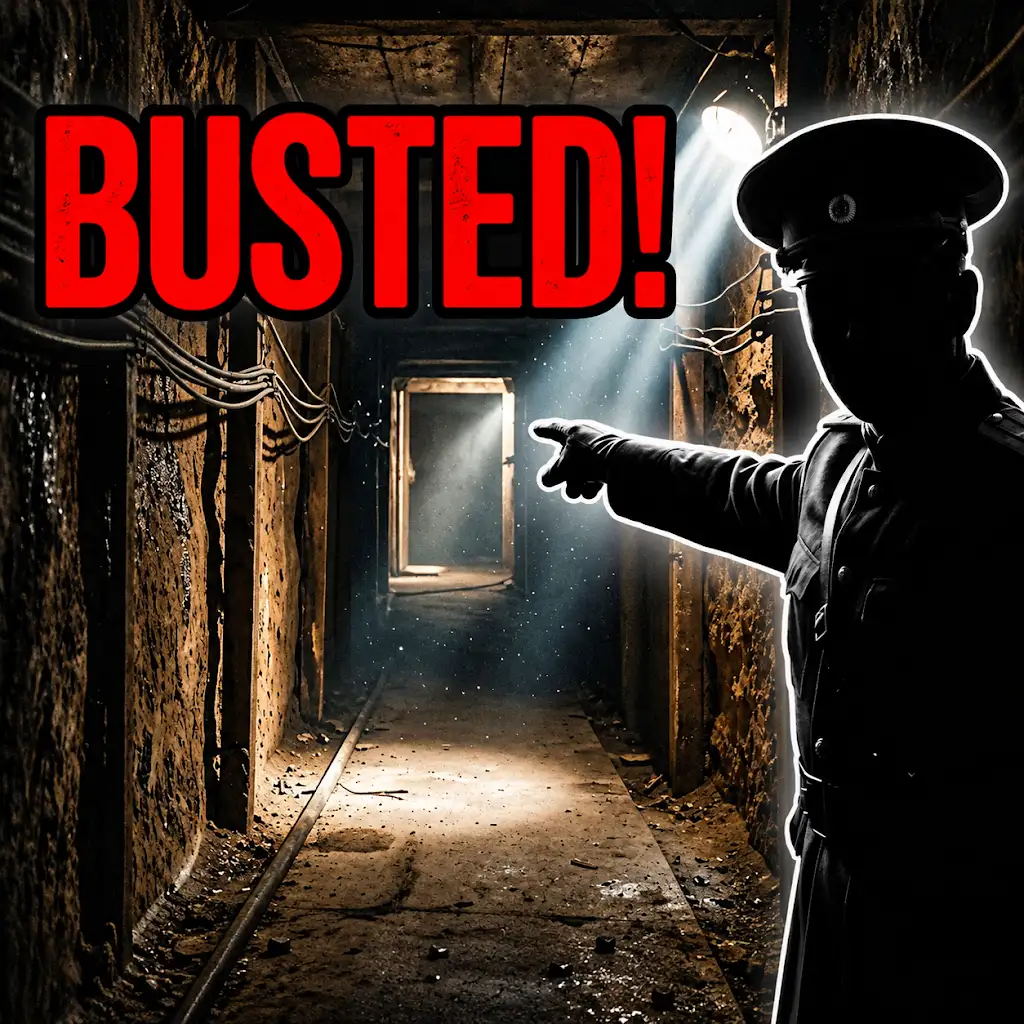
Operation Gold: The Day the Soviets Busted the CIA’s Secret Tunnel
FAQs
What is a Berlin tunnel warehouse cover?
A Berlin tunnel warehouse cover is a protective cover used to secure and shield tunnel warehouses in Berlin, Germany. It helps to protect the goods stored inside from external elements and unauthorized access.
How does a Berlin tunnel warehouse cover work?
A Berlin tunnel warehouse cover is typically made of durable materials such as steel or aluminum and is designed to be easily installed over the entrance of a tunnel warehouse. It can be locked securely to prevent theft and damage to the goods stored inside.
What are the benefits of using a Berlin tunnel warehouse cover?
Using a Berlin tunnel warehouse cover provides security for the goods stored inside, protects them from weather conditions like rain and snow, and helps to prevent unauthorized access. It also adds an extra layer of protection against theft and vandalism.
Are Berlin tunnel warehouse covers customizable?
Yes, Berlin tunnel warehouse covers can be customized to fit the specific dimensions of the tunnel entrance. They can also be designed with additional features such as insulation, ventilation, and access control systems based on the needs of the warehouse owner.
Where can I purchase a Berlin tunnel warehouse cover?
Berlin tunnel warehouse covers can be purchased from various manufacturers and suppliers specializing in industrial and warehouse equipment. They are available for sale online or through local distributors in Berlin and other cities in Germany.