The shadow of the Stasi, the infamous East German Ministry for State Security, loomed large over the lives of ordinary citizens and the machinations of Cold War espionage. Yet, within the broader apparatus of the German Democratic Republic’s (GDR) military, a distinct yet equally formidable intelligence service operated: the Hauptverwaltung Aufklärung (HVA), the Main Directorate for Reconnaissance of the Ministry of National Defense. While the Stasi’s pervasive surveillance focused inward, the HVA’s gaze was fixed firmly outward, meticulously gathering intelligence on NATO, Western military capabilities, and political intentions. This is the story of the HVA, its clandestine operations, and the secrets it unearthed during the tense decades of the Cold War.
The Architects of Deception: Structure and Mission of the HVA
The Hauptverwaltung Aufklärung, often referred to simply as the HVA, was more than just an intelligence agency; it was a sophisticated and highly compartmentalized organization designed to serve the strategic interests of the Soviet Union and its Eastern Bloc allies, with the GDR acting as a crucial linchpin. Its primary mission was to provide actionable intelligence to the National People’s Army (NVA) and, by extension, to the Warsaw Pact command. This involved a wide spectrum of activities, from technical espionage and human intelligence gathering to disinformation campaigns and counterintelligence operations directed against Western agencies. The HVA was meticulously structured to achieve these objectives, with specialized departments dedicated to different facets of intelligence work.
Internal Organization and Hierarchy
The HVA operated under the direct command of the Ministry of National Defense, ensuring its operations were tightly integrated with military planning. At its apex sat the Chief of the HVA, a position held by Markus Wolf for an astonishing 34 years, from 1953 to 1987. Wolf, a master strategist and tactician, transformed the HVA into one of the most effective intelligence organizations of the Cold War. Beneath him, a complex hierarchy of departments and sections managed specific intelligence disciplines. These included departments for signals intelligence (SIGINT), human intelligence (HUMINT), scientific and technical intelligence (S&T), economic intelligence, and counterintelligence. Each department was further subdivided into operational groups and desks, each responsible for a specific geographical area or target. This granular structure allowed for specialization and ensured that information was collected, analyzed, and disseminated with precision. The recruitment and training of HVA officers were also rigorous. Candidates were often drawn from military academies and underwent extensive ideological indoctrination alongside specialized intelligence training. The emphasis was on loyalty, discretion, and a deep understanding of Marxist-Leninist ideology, which underpinned their worldview and operational motivations.
Strategic Objectives and Target Prioritization
The HVA’s strategic objectives were directly aligned with the broader geopolitical goals of the Warsaw Pact. Its paramount goal was to maintain a comprehensive understanding of NATO’s military strength, doctrine, and technological advancements. This included detailed intelligence on troop deployments, weapon systems, military exercises, and strategic planning. Western Europe, particularly West Germany, was a primary focus. The HVA sought to identify internal political divisions within NATO countries, exploit potential weaknesses, and gather intelligence that could be used for diplomatic leverage or military advantage. Beyond military targets, the HVA also devoted significant resources to scientific and technological intelligence. The West’s technological superiority was a constant concern, and the HVA worked tirelessly to acquire blueprints, research data, and even physical prototypes of advanced Western technologies. This was crucial for closing the technological gap and informing Soviet and East German defense industry development. Disinformation was another critical component of the HVA’s strategy. By planting false information or manipulating narratives, they aimed to mislead Western intelligence agencies, sow confusion, and influence political decision-making in their favor.
The East German army intelligence, known as the Hauptverwaltung Aufklärung (HVA), played a crucial role during the Cold War, gathering information on NATO forces and Western military strategies. For a deeper understanding of the operations and impact of the HVA, you can read a related article that explores the intricacies of East German espionage and its legacy in modern intelligence practices. Check it out here: East German Army Intelligence: A Legacy of Espionage.
The Invisible Hand: HUMINT Operations in the West
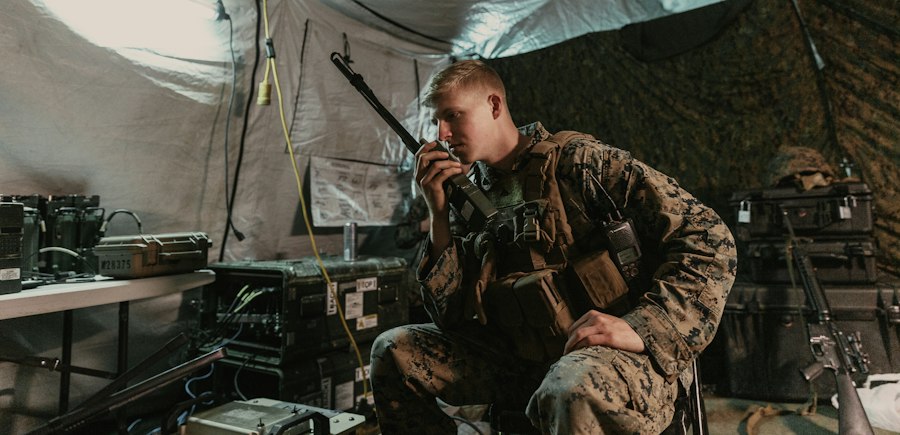
The human intelligence (HUMINT) operations of the HVA were arguably its most renowned and effective facet. Under the leadership of Markus Wolf, the HVA became a master of placing deep-cover agents within the heart of Western societies, particularly in West Germany. These agents, often meticulously selected and trained over years, provided an unparalleled flow of sensitive information that shaped strategic decisions on both sides of the Iron Curtain. The success of these operations was a testament to the HVA’s understanding of human psychology, its meticulous planning, and its ability to exploit vulnerabilities.
The Art of the Infiltration: Recruiting and Placing Agents
Recruitment for the HVA was a multi-pronged approach. It involved identifying individuals with existing access to sensitive information, cultivating potential assets through ideological indoctrination or financial incentives, and, in some cases, leveraging compromised individuals. The HVA was particularly adept at identifying individuals who harbored disaffection with their governments, held socialist sympathies, or were susceptible to financial inducements. Once identified, potential agents underwent rigorous vetting and training. This training encompassed espionage techniques, cryptography, self-defense, surveillance countermeasures, and, crucially, the art of maintaining a convincing cover identity for extended periods. The placement of these agents was a masterstroke of strategic planning. The HVA focused on gaining access to key institutions such as government ministries, military commands, intelligence agencies, research laboratories, and multinational corporations. Their goal was to embed agents so deeply that they would become indispensable, gaining access to information that was both vital and difficult to obtain through other means.
The ‘Romeo’ and ‘Romeo-Juliet’ Operations: Exploiting Personal Relationships
One of the HVA’s most notorious and successful recruitment and operational tactics involved the exploitation of personal relationships. The “Romeo” operation, and its variant the “Romeo-Juliet” operation, involved male agents who would cultivate romantic relationships with women holding positions of trust or access within Western institutions. These women, often unknowingly or reluctantly, would then be coerced or persuaded to pass on classified information to their partners. The HVA’s success in this area was chilling. They managed to infiltrate high levels of the West German government, including the personal staff of chancellors. The infamous case of Günter Guillaume, a close aide to West German Chancellor Willy Brandt, who was revealed to be an HVA agent in 1974, sent shockwaves through the West and led to Brandt’s resignation. This single operation highlighted the HVA’s ability to penetrate the highest echelons of power and the devastating impact such infiltrations could have on international relations and national security. The emotional manipulation and blackmail involved in these operations underscore the morally ambiguous and often destructive nature of Cold War espionage.
Beyond Human Agents: Technical and Scientific Espionage
While HUMINT operations garnered significant attention, the HVA’s capabilities extended far beyond the realm of human informants. The agency recognized the critical importance of technical and scientific intelligence in the arms race and technological competition with the West. The HVA invested heavily in signals intelligence (SIGINT) and dedicated significant resources to acquiring Western technological advancements through espionage and procurement.
Signals Intelligence: Listening to the Enemy
Signals intelligence, the interception and analysis of electronic communications, was a cornerstone of the HVA’s operations. The agency operated a vast network of listening posts and employed sophisticated equipment to intercept radio transmissions, telephone calls, and other electronic signals originating from NATO countries. This intelligence provided invaluable insights into military movements, command and control structures, and diplomatic communications. The HVA’s SIGINT analysts meticulously sifted through mountains of intercepted data, looking for patterns, keywords, and indications of enemy intentions. This often involved deciphering encrypted messages, a highly complex and resource-intensive endeavor. The ability to understand NATO’s communications provided the Warsaw Pact with a significant strategic advantage, allowing them to anticipate troop movements, identify vulnerabilities, and adapt their own strategies accordingly. The constant electronic battle for information shaped the course of the Cold War, with both sides investing heavily in both offensive and defensive SIGINT capabilities.
Acquiring Technological Secrets: The Pursuit of Western Innovation
The HVA’s scientific and technical intelligence (S&T) division was tasked with a monumental challenge: to bridge the technological gap between the Warsaw Pact and the West. This involved a multifaceted approach, ranging from the recruitment of scientists and engineers with access to cutting-edge research to the systematic theft of blueprints, research papers, and even physical components of advanced Western technology. The HVA placed agents in research institutions, universities, and industrial facilities across the West, aiming to gain access to information on nuclear technology, missile systems, electronics, materials science, and other critical defense-related fields. The intelligence gathered by the S&T division was vital for informing Soviet and East German military development and for the clandestine acquisition of technologies that could be reverse-engineered. This often involved intricate operations to smuggle out sensitive documents or materials, posing significant risks to the agents involved. The HVA’s success in this area contributed to the Warsaw Pact’s ability to develop and deploy its own advanced weaponry, albeit often with a time lag compared to Western innovations.
The Shadow Wars: Counterintelligence and Disinformation
The HVA’s operational mandate was not solely focused on offensive intelligence gathering. A crucial aspect of its mission involved protecting its own operations and sowing discord within Western intelligence agencies and governments. Counterintelligence efforts were vital for identifying and neutralizing threats, while disinformation campaigns were used to manipulate perceptions and achieve strategic objectives without direct military confrontation.
Unmasking the Enemy Within: Counterintelligence Operations
Counterintelligence was a vital pillar of the HVA’s defense against Western espionage. The agency dedicated significant resources to identifying and neutralizing spies operating within the GDR and among its allies. This involved meticulous surveillance of foreign diplomats, business representatives, and suspected Western agents. The HVA worked closely with the Stasi in some instances, although their primary focus remained on threats to military intelligence. Their counterintelligence units developed sophisticated techniques for identifying suspicious activities, analyzing intercepted communications for signs of enemy penetration, and conducting surveillance operations. The goal was to preemptively disrupt Western intelligence efforts, protect HVA agents and operations, and maintain the integrity of sensitive military information. The constant cat-and-mouse game between intelligence agencies meant that counterintelligence was an ongoing and evolving battle, requiring constant vigilance and adaptation.
The Power of Perception: Disinformation and Psychological Warfare
The HVA was a master of disinformation and psychological warfare, skillfully manipulating narratives and planting false information to achieve its strategic aims. These operations were designed to sow confusion, erode trust in Western institutions, and influence public opinion. They employed a variety of methods, including forged documents, fabricated news reports, and the strategic leak of misleading information through compromised media outlets or unwitting intermediaries. The aim was often to discredit Western political figures, undermine public support for NATO policies, or create divisions within Western alliances. The HVA understood that the battle for hearts and minds was as important as the battle for military superiority. By shaping perceptions and influencing public discourse, they could achieve significant strategic gains without resorting to overt military action. These operations were subtle, insidious, and often incredibly effective, leaving Western intelligence agencies constantly struggling to discern truth from falsehood.
The intricate operations of East German army intelligence, known as the Hauptverwaltung Aufklärung (HVA), have been the subject of extensive research and analysis. A fascinating article that delves deeper into the strategies and impacts of the HVA can be found at this link. Understanding the role of the HVA provides valuable insights into the broader context of Cold War espionage and the dynamics of East-West relations during that era.
The Legacy of the HVA: Post-Cold War Revelations and Lasting Impact
| Metric | Details |
|---|---|
| Organization Name | Hauptverwaltung Aufklärung (HVA) |
| Country | East Germany (GDR) |
| Active Years | 1950 – 1990 |
| Parent Agency | Ministry for State Security (Stasi) |
| Primary Function | Military intelligence and espionage |
| Number of Agents | Estimated 3,000 – 5,000 operatives |
| Key Operations | Espionage in NATO countries, signal intelligence, counterintelligence |
| Headquarters | East Berlin |
| Notable Techniques | Use of double agents, electronic surveillance, infiltration |
| Dissolution | 1990, following German reunification |
The fall of the Berlin Wall and the subsequent reunification of Germany in 1990 brought an end to the HVA as a distinct entity. However, the revelations that emerged in the post-Cold War era painted a vivid picture of its extensive reach and profound impact on the Cold War landscape. The declassified documents and testimonies of former HVA officers provided an unprecedented glimpse into the clandestine world of East German intelligence, revealing the scope of their operations, the methods they employed, and the significant successes they achieved.
Declassified Archives and Former Officer Testimonies
Following the collapse of the GDR, extensive archives of the HVA were opened, allowing historians and researchers to meticulously reconstruct the agency’s history and operations. These archives, coupled with the testimonies of former HVA officers who chose to speak out, offered invaluable insights into the inner workings of the organization. Former agents detailed their recruitment, training, and operational experiences, shedding light on the challenges and ethical dilemmas they faced. These accounts humanized the often-abstract concept of espionage, revealing the personal motivations, sacrifices, and psychological tolls involved. The sheer volume and detail of the declassified material confirmed the HVA’s status as a formidable intelligence force, rivaling or even surpassing many of its Western counterparts in specific areas.
The Enduring Influence on International Espionage
The legacy of the HVA extends beyond its historical significance. The agency’s innovative tactics, particularly in the realm of HUMINT and disinformation, have undoubtedly influenced modern intelligence practices. The techniques honed by the HVA, such as the meticulous cultivation of agents and the sophisticated manipulation of personal relationships, continue to be studied and, in some cases, adapted by contemporary intelligence agencies. The HVA’s emphasis on deep-cover operations and its ability to integrate intelligence gathering with psychological warfare serve as a stark reminder of the enduring complexities and ethical challenges inherent in the world of espionage. The secrets unearthed by the HVA, though now largely historical artifacts, offer a profound understanding of the intricate and often invisible battles that shaped the Cold War, a conflict waged not only with tanks and missiles but also with secrets, deception, and the relentless pursuit of information.
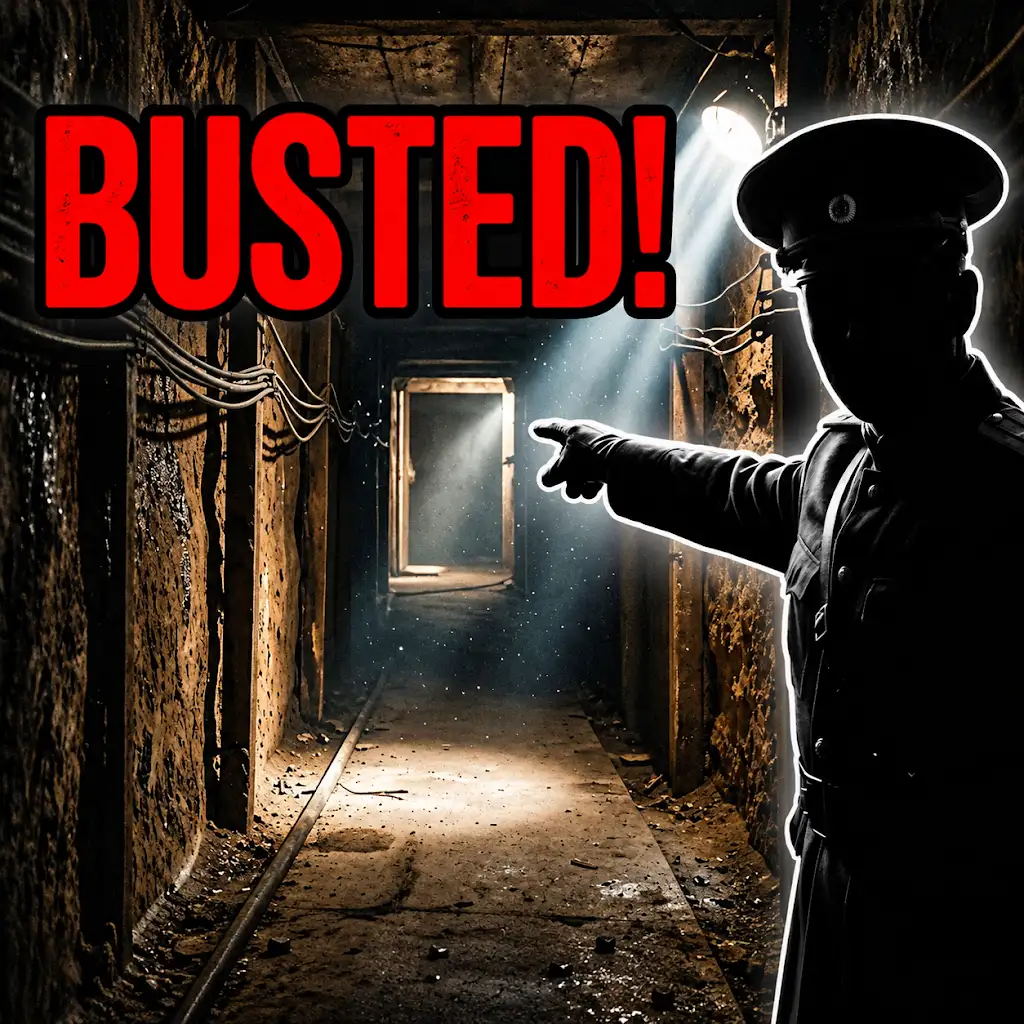
Operation Gold: The Day the Soviets Busted the CIA’s Secret Tunnel
FAQs
What was the role of East German army intelligence during the Cold War?
East German army intelligence, also known as the Military Reconnaissance of the National People’s Army (MfNV), was responsible for gathering military intelligence on NATO forces and coordinating with other Warsaw Pact intelligence agencies during the Cold War.
How did East German army intelligence gather information?
East German army intelligence utilized a variety of methods to gather information, including human intelligence (HUMINT), signals intelligence (SIGINT), and imagery intelligence (IMINT). They also conducted covert operations and espionage activities.
Did East German army intelligence have a significant impact on Cold War events?
Yes, East German army intelligence played a significant role in providing intelligence to the Soviet Union and other Warsaw Pact countries during the Cold War. Their information gathering activities influenced military strategies and decision-making processes.
What was the relationship between East German army intelligence and the KGB?
East German army intelligence maintained close ties with the Soviet KGB, collaborating on intelligence operations and sharing information. The KGB provided training and support to East German intelligence officers.
How was East German army intelligence affected by the fall of the Berlin Wall and the reunification of Germany?
After the fall of the Berlin Wall and the reunification of Germany in 1990, East German army intelligence was disbanded. Many former intelligence officers were integrated into the unified German intelligence services, while others faced prosecution for their activities during the Cold War.