The Shadow Beneath the Wall: Unearthing the Berlin Sector Boundary Tunnel
The history of the Berlin Wall is a stark testament to division, oppression, and the desperate yearning for freedom. While the imposing concrete barrier above ground captured the world’s attention, a parallel and equally crucial struggle unfolded beneath the city’s surface. The sector boundary tunnels of Berlin, often referred to as “escape tunnels,” represent a hidden chapter in this history – daring feats of engineering, clandestine operations, and poignant symbols of human resilience. These subterranean pathways, carved in secret beneath the watchful eyes of border guards, facilitated not only the escape of individuals but also served as a stark reminder of the regime’s suffocating control. Exploring these tunnels offers a profound insight into the lived realities of East and West Berliners during the Cold War and the enduring human spirit’s defiance against insurmountable odds.
The genesis of these tunnels was born out of desperation. The Berlin Wall, erected in 1961, physically and ideologically severed the city, trapping millions behind the Iron Curtain. For those yearning for liberty, the wall was an impenetrable barrier. Traditional escape routes – climbing, swimming the Spree, or forging documents – were fraught with peril and often met with deadly force. As the wall solidified and surveillance intensified, escape attempts shifted to a more audacious and technically challenging realm: the underground. Driven by an unyielding desire for freedom, individuals, often aided by West Berliners, began to conceive of and construct these subterranean lifelines. The very act of digging a tunnel, a process inherently requiring secrecy, collaboration, and immense courage, became an act of rebellion in itself. The tunnels, therefore, are not merely physical conduits; they are woven into the very fabric of the Cold War narrative, representing the silent, often unseen, war waged between the desire for freedom and the apparatus of totalitarian control.
The Berlin sector boundary tunnel, a significant Cold War-era project, played a crucial role in the history of Berlin’s division and the eventual reunification of Germany. For those interested in exploring more about this fascinating topic, you can read a related article that delves into the intricacies of the tunnel’s construction and its impact on East-West relations. Check it out here: In the War Room.
The Genesis of Subterranean Escape
The initial construction of the Berlin Wall on August 13, 1961, was a shockwave that reverberated through the city. Families were separated, workplaces became inaccessible, and the familiar cityscape was irrevocably transformed into a fortified frontier. This sudden and brutal division immediately spurred a desperate search for alternative escape routes. Early attempts to circumvent the wall were largely improvised and incredibly dangerous. Individuals attempted to tunnel through basements, crawl through sewers, or even dig rudimentary holes in the ground, often with little more than shovels and sheer willpower. These initial efforts, while often unsuccessful, laid the groundwork for more sophisticated and organized escape attempts. The very concept of “tunneling” began to take root as a viable, albeit perilous, strategy.
The Impetus for Engineered Solutions
The sheer effectiveness of the wall in preventing surface-level escapes quickly became apparent. The omnipresent border guards, armed with automatic weapons and supported by watchtowers and minefields, made any attempt to breach the barrier from above a suicide mission. This harsh reality forced a shift in thinking. The limitations of improvisation became painfully clear, and the need for more systematic and technically sound approaches became paramount. The idea of digging a tunnel that went under the wall, bypassing its formidable defenses entirely, began to gain traction. This was not merely a matter of digging a hole; it required careful planning, precise engineering, and a profound understanding of the subterranean landscape. The goal was to create a passage that was both hidden and, crucially, safe enough to traverse. The intelligence and resourcefulness required to conceptualize and execute such an undertaking in the heavily surveilled environment of divided Berlin were extraordinary.
Early Attempts and Their Limitations
The very first attempts at tunneling were characterized by a crude ingenuity born of necessity. Driven by the immediate threat of capture and the desire to reunite with loved ones, individuals would often begin digging from basements or cellars in East Berlin, aiming to emerge in West Berlin. These early efforts were frequently hampered by a lack of experience, inadequate tools, and the sheer difficulty of excavating through the compacted earth and debris beneath the city. Many tunnels collapsed due to unstable soil, were discovered by East German border guards, or were simply too short and shallow to be effective. Water infiltration was also a significant problem, rendering many tunnels impassable or collapsing them entirely. Despite these challenges, the persistence of these early diggers, often fueled by the stories of those who succeeded, inspired others to refine the methods and improve the chances of success. Each failure, in its own grim way, provided valuable lessons for future tunnel builders.
The Art and Science of Tunnel Construction
The creation of a successful escape tunnel was a complex undertaking that demanded a remarkable blend of engineering prowess, logistical coordination, and sheer daring. These were not simply holes dug in the ground; they were meticulously planned and executed subterranean pathways, often requiring sophisticated techniques and a profound understanding of the environment. The process involved more than just brute force; it was a testament to human ingenuity in the face of extreme adversity. The success or failure of a tunnel could mean the difference between freedom and a life of imprisonment, or even death.
Resource Acquisition and Secrecy
The acquisition of materials for tunnel construction was a constant challenge. Tools such as shovels, pickaxes, and buckets were vital, but acquiring them in East Berlin without arousing suspicion was difficult. Wood for shoring up the tunnel walls, essential for preventing collapses, was often scavenged or purchased from unsuspecting sources. Lights, typically battery-powered lamps or candles, were also necessary for visibility in the confined spaces. The most critical element, however, was secrecy. Any hint of digging activity could alert the Stasi, the East German secret police, leading to immediate apprehension. Tunnel teams often worked in shifts, with individuals maintaining strict silence about their activities, even to their closest family members. Trust was paramount, and betraying the secret meant endangering not only themselves but everyone involved. The inherent risk meant that only a select few could be confided in, further amplifying the clandestine nature of these operations.
Engineering Challenges and Innovations
Digging a tunnel beneath a heavily fortified border presented a unique set of engineering challenges. The primary concern was structural integrity. The soil beneath Berlin is notoriously unstable, prone to collapse, especially when disturbed. To counter this, tunnel builders employed various shoring techniques, using timber beams and planks to reinforce the walls and ceiling. The depth of the tunnels also varied considerably. Some were relatively shallow, while others descended to depths of 10-15 meters or more to avoid detection by ground-penetrating radar, a technology the East Germans were known to possess. Ventilation was another critical issue. Working in confined, unventilated spaces for extended periods could lead to suffocation. Simple but effective ventilation systems, often involving hand-cranked fans or a series of pipes, were developed. The presence of groundwater was also a persistent threat, with many tunnels succumbing to flooding. Innovative methods, such as building water channels or using pumps, were sometimes employed, but the dampness and risk of collapse remained constant concerns.
Collaboration and Support Networks
No escape tunnel was built in isolation. The success of these subterranean endeavors was heavily reliant on intricate networks of collaboration and support. In East Berlin, individuals with the courage and determination to dig would often be aided by families, friends, and even strangers who harbored a deep resentment for the regime. These individuals would provide shelter, food, and crucial information. In West Berlin, a parallel network of supporters emerged. Students, activists, and ordinary citizens played a vital role in providing financial assistance, materials, and technical expertise. They would often coordinate rescue efforts, identify suitable building locations in West Berlin, and provide a safe haven for escapees. These networks were often discreet and operated under the radar, risking severe penalties if discovered. The existence of these dedicated groups underscores the widespread opposition to the Wall and the profound sense of solidarity that transcended the physical division of the city.
Notable Tunnels and Their Impact
While hundreds of tunnels were likely attempted or partially dug, a select few have etched their place in history, not only for their successful use but also for the dramatic stories and significant impact they had. These tunnels became legendary, symbols of hope for those trapped in the East and a source of immense frustration for the GDR authorities. The tales of their construction and use are fraught with bravery, ingenuity, and the ever-present shadow of danger.
Tunnel 57: A Milestone in Escape
Tunnel 57, named for the 57 people who successfully escaped through it in October 1964, remains one of the most celebrated and significant escape tunnels. Its story is a testament to meticulous planning and the courage of its creators. Led by students and former miners from East Berlin, the tunnel began in the cellar of a bakery on Bernauer Strasse and stretched for over 145 meters beneath the Wall. The diggers utilized innovative techniques, including a sophisticated ventilation system and a rudimentary trolley system for removing earth. The success of Tunnel 57 was a major blow to the GDR’s border security and a huge morale boost for East Berliners. The operation was not without peril; guards were alerted, and shots were fired, but the speed and efficiency of the escape allowed the majority to reach safety. The tunnel’s success inspired further attempts and demonstrated that the Wall was not an insurmountable obstacle.
Tunnel 29: The Story of Courage and Sacrifice
Tunnel 29, located near the Invalidenfriedhof cemetery, is another poignant example of the human cost and triumph associated with escape tunnels. This tunnel, dug by students in 1962, was significantly longer and deeper than many of its predecessors, a testament to the evolving sophistication of tunnel construction. However, its story is also marked by tragedy. During the escape attempt, border guards discovered the tunnel, leading to a violent confrontation. While many managed to escape, one young man, Wolfgang Fuchs, was shot and killed while trying to ensure everyone else got out safely. The tunnel’s operation and its tragic end highlighted the extreme dangers faced by both escapees and those assisting them. It also served as a stark reminder of the brutal enforcement of the border. The sacrifice made at Tunnel 29 underscored the immense value placed on freedom.
The “Professor’s Tunnel” and Other Less Documented Efforts
Beyond the widely documented and celebrated tunnels like Tunnel 57 and Tunnel 29, countless other attempts, both successful and unsuccessful, were made. These are often referred to as “the forgotten tunnels.” One such notable but less widely publicized tunnel was sometimes referred to as the “Professor’s Tunnel.” While specific details about its constructors and the exact number of escapees can be murky, its existence points to the widespread and persistent nature of tunnel digging. These less documented efforts, often involving smaller groups and fewer escapees, collectively contributed to the constant pressure on the GDR regime and provided lifelines for individuals and families. The sheer volume of these clandestine operations, even if not all are meticulously recorded, speaks volumes about the pervasive desire to escape and the lengths to which people would go to achieve it.
The Berlin sector boundary tunnel, a significant historical artifact from the Cold War era, played a crucial role in the escape attempts from East to West Berlin. For those interested in learning more about the various escape routes and the stories behind them, a related article provides an in-depth analysis of the strategies employed by individuals seeking freedom. You can explore this fascinating topic further by visiting this link, which delves into the complexities of life during that tumultuous period.
The GDR’s Response and the Legacy of the Tunnels
| Metric | Value | Unit | Description |
|---|---|---|---|
| Length | 1.5 | km | Total length of the Berlin sector boundary tunnel |
| Construction Period | 1961-1989 | Years | Years during which the tunnel was operational |
| Depth | 15-20 | meters | Approximate depth below ground level |
| Purpose | Escape route | N/A | Used by East Berliners to escape to West Berlin |
| Number of People Escaped | 57 | Persons | Estimated number of people who escaped through the tunnel |
| Tunnel Diameter | 0.8 | meters | Internal diameter of the tunnel |
| Location | Berlin, Germany | N/A | Geographical location of the tunnel |
The existence and continued success of escape tunnels posed a significant challenge to the German Democratic Republic (GDR) and its formidable border security apparatus. The tunnels were not just a physical breach; they represented a profound ideological and psychological defeat, undermining the regime’s narrative of control and invincibility. Consequently, the GDR authorities employed a range of tactics to combat these subterranean threats, from increased surveillance and aggressive patrols to brutal countermeasures when tunnels were discovered. The legacy of these tunnels, therefore, extends beyond their immediate impact on individual escapes.
Countermeasures and Intensified Surveillance
The GDR’s response to the proliferation of escape tunnels was multifaceted and increasingly aggressive. Initially, the border guards were equipped with basic detection equipment, but as tunnel construction became more sophisticated, so did the GDR’s countermeasures. They invested in ground-penetrating radar and seismic sensors in an attempt to detect the vibrations of digging. Patrols along the border sector boundaries were intensified, with guards instructed to be particularly vigilant for any unusual activity. The Stasi was heavily involved, often infiltrating groups attempting to organize tunnels or using informants to gather intelligence. When a tunnel was discovered, the response was typically swift and brutal. Guards were authorized to use lethal force against anyone attempting to escape through it, and those caught in the act of digging or assisting faced severe imprisonment or even execution. The constant cat-and-mouse game between tunnel builders and border security fueled a climate of fear and paranoia.
The Psychological Impact on the Regime
The escape tunnels had a significant psychological impact on the GDR regime. Each successful escape, especially those involving large numbers of people, was a public relations disaster and a stark demonstration of the Wall’s inadequacy. It undermined the propaganda that portrayed the GDR as a stable and desirable society from which people would not want to leave. The tunnels represented a failure of their security apparatus and a testament to the enduring human desire for freedom, a concept the regime actively suppressed. The constant threat of tunnels, the resources dedicated to detecting and preventing them, and the ongoing humiliation of successful escapes all contributed to a sense of unease and vulnerability within the GDR leadership. The tunnels served as a constant, albeit hidden, reminder that their control was not absolute.
Memorialization and Present-Day Significance
Today, many of the sites where these tunnels once existed are marked by memorials or incorporated into historical exhibitions. The Berlin Wall Memorial on Bernauer Strasse, for example, features an excavated section of Tunnel 57, allowing visitors to comprehend the scale and ingenuity of these clandestine operations. The remnants of these tunnels serve as a powerful reminder of the division of Berlin and the human cost of political oppression. They are not just historical artifacts; they are tangible links to the past, offering a visceral understanding of the courage, desperation, and resilience that characterized life in a divided city. The stories of the tunnel builders and escapees continue to inspire, emphasizing the enduring struggle for freedom and the capacity of ordinary people to achieve extraordinary feats in the face of tyranny. The tunnels stand as silent witnesses to a dark chapter in history, a testament to the enduring human spirit.
The Enduring Symbolism of Subterranean Freedom
The Berlin sector boundary tunnels, though largely forgotten by many in the contemporary world, hold a profound and enduring symbolic meaning. They represent far more than just a means of physical escape; they embody the indomitable will of individuals to reclaim their freedom, even when faced with seemingly insurmountable obstacles. These subterranean passages are testaments to human ingenuity, collaboration, and the deep-seated yearning for a life unburdened by oppression. Their legacy continues to resonate, offering vital lessons about the cost of division and the unwavering pursuit of liberty.
A Testament to Human Ingenuity and Determination
The very act of conceptualizing and constructing these tunnels required an extraordinary level of ingenuity and determination. In an environment of constant surveillance and severe repression, ordinary citizens, often with limited resources, managed to overcome immense technical and logistical challenges. They adapted, innovated, and persevered, turning basements into launchpads and the earth beneath the Wall into a pathway to freedom. The tunnels stand as concrete (or rather, un-concrete) proof of what humans can achieve when driven by a powerful desire. They showcase a remarkable capacity for problem-solving, a willingness to take extreme risks, and an unwavering belief in the possibility of a better future. The stories of these tunnel builders are a potent reminder that even in the darkest of times, human ingenuity can forge a path towards liberation.
The Power of Collective Action and Solidarity
The success of many escape tunnels was not the result of solitary efforts but rather the product of remarkable collective action and solidarity. These operations often involved intricate networks of East and West Berliners, each playing a vital role – from providing materials and moral support to offering safe havens and organizing escape routes. This collaboration, often conducted in absolute secrecy and at great personal risk, underscores the power of human connection in overcoming oppression. The tunnels demonstrate that even when a physical barrier seeks to divide, a shared desire for freedom can forge powerful bonds and inspire acts of profound bravery. The solidarity displayed by those involved in these clandestine operations serves as a timeless reminder of our shared humanity and the importance of standing together against injustice.
Lessons for the Present and Future
The history of the Berlin sector boundary tunnels offers invaluable lessons for the present and future. They serve as a stark reminder of the dangers of totalitarian regimes, the fragility of freedom, and the importance of vigilance in its defense. The stories of those who risked everything for liberty continue to inspire, urging us to never take our freedoms for granted and to actively resist any attempts to curtail them. The tunnels also highlight the enduring power of hope and the human spirit’s capacity to overcome adversity. In a world still grappling with division and oppression, the legacy of these subterranean pathways reminds us that even in the face of seemingly insurmountable barriers, the pursuit of freedom, though arduous, is always a worthy endeavor. The lessons learned from the shadows beneath the Wall continue to illuminate the path towards a more just and liberated world.
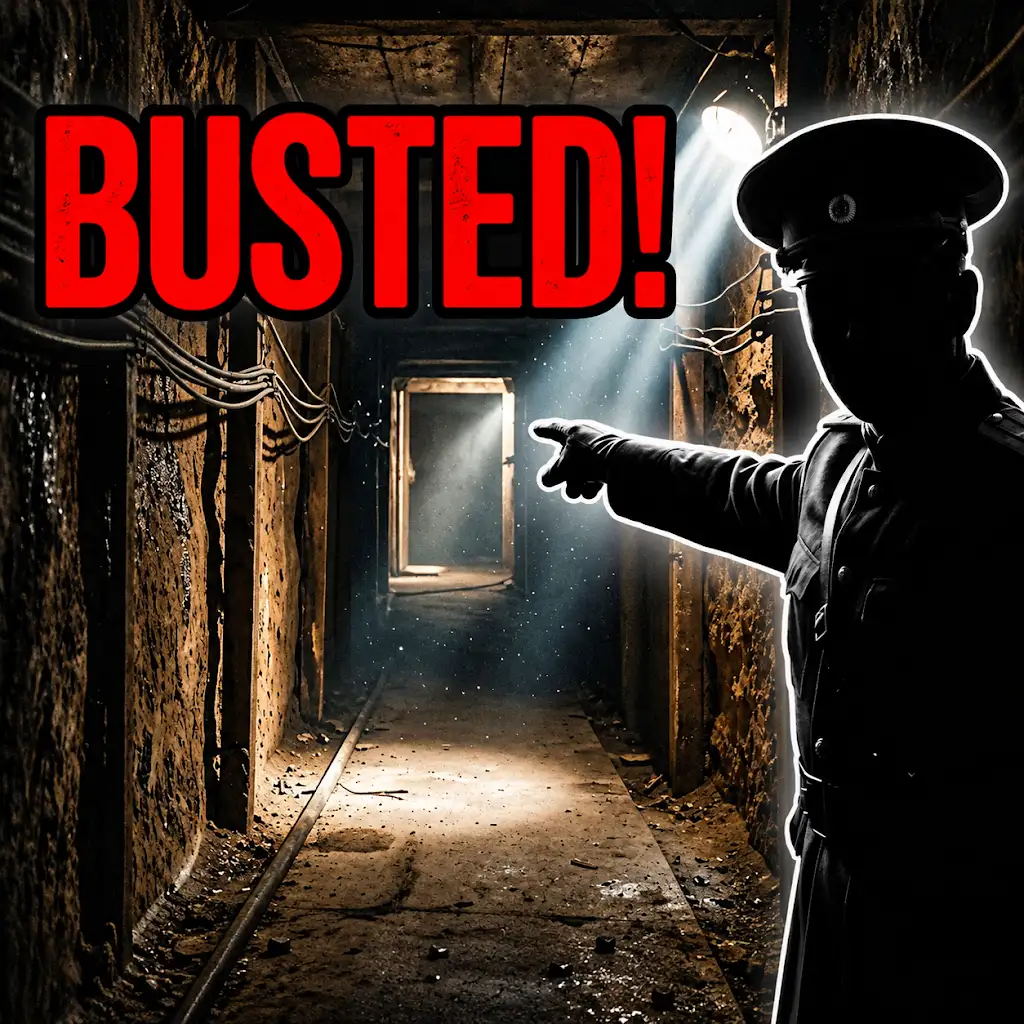
Operation Gold: The Day the Soviets Busted the CIA’s Secret Tunnel
FAQs
What was the Berlin sector boundary tunnel?
The Berlin sector boundary tunnel was a tunnel that was dug beneath the Berlin Wall during the Cold War to help East Germans escape to West Berlin.
When was the Berlin sector boundary tunnel constructed?
The Berlin sector boundary tunnel was constructed in 1962 by a group of students and activists who wanted to help people escape from East Berlin to West Berlin.
How long was the Berlin sector boundary tunnel?
The Berlin sector boundary tunnel was approximately 145 meters (475 feet) long, running from a basement in East Berlin to a location in West Berlin.
Were there any successful escapes through the Berlin sector boundary tunnel?
Yes, there were successful escapes through the Berlin sector boundary tunnel. Around 57 people managed to escape to West Berlin through the tunnel before it was discovered by East German authorities.
What happened to the Berlin sector boundary tunnel after it was discovered?
After the Berlin sector boundary tunnel was discovered by East German authorities, it was destroyed and sealed off to prevent any further escape attempts. The tunnel’s discovery led to the arrest of several individuals involved in its construction.