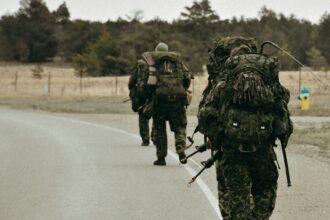
The Cold War intelligence paradox was a complex and often contradictory phenomenon, a delicate dance of secrecy, deception, and a relentless pursuit of knowledge that defined the geopolitical landscape for nearly half a century. On one hand, the very nature of intelligence gathering necessitated a commitment to deep concealment. Information was a weapon, a currency, and a shield, and its acquisition and protection were paramount. Every byte of data, every intercepted whisper, every planted informant represented a potential advantage in the ideological and existential struggle between the United States and the Soviet Union. Yet, paradoxically, the effectiveness of intelligence often hinged on its dissemination, albeit to carefully selected recipients. The insights gleaned from clandestine operations were useless if they couldn’t inform strategic decisions, shape policy, or ultimately deter conflict. This inherent tension – the need for absolute secrecy versus the imperative for informed action – created a unique environment where the shadows themselves became a battleground, teeming with agents, double agents, misinformation campaigns, and a profound understanding of the psychological warfare that underpinned the entire conflict.
The Unseen Arsenal: Technological Leaps and Human Ingenuity
The Cold War witnessed an unprecedented explosion in intelligence technologies, a testament to the sheer scale of the perceived threat. Both superpowers poured vast resources into developing sophisticated tools and techniques to penetrate the veil of the other’s defenses. This technological arms race was as crucial as the nuclear one, if not more so, for it offered a means to understand capabilities, intentions, and vulnerabilities without resorting to open hostilities.
Electronic Eavesdropping and Signals Intelligence
The advent of telecommunications provided a fertile ground for electronic eavesdropping. The ability to intercept radio transmissions, telephone conversations, and later, even digital communications, became a cornerstone of signals intelligence (SIGINT). The United States, with its technological prowess, developed highly advanced listening posts and satellite reconnaissance programs. Projects like the Corona satellite program, which captured photographic imagery from space, or the SR-71 Blackbird spy plane, capable of flying at supersonic speeds at extreme altitudes, provided invaluable glimpses into Soviet military installations, missile sites, and industrial capacity. Similarly, the Soviets, though often lagging in technological sophistication, were adept at exploiting communication vulnerabilities and employing signal interception techniques. The development of jamming technologies and counter-intelligence measures was a constant cat-and-mouse game, with each side striving to stay one step ahead. The sheer volume of intercepted data was staggering, requiring immense human effort and nascent computing power to analyze and make sense of. This created a data paradox: an abundance of information that was difficult to process and verify, leading to both brilliant insights and occasional misinterpretations.
Human Intelligence and the Art of Espionage
While technology offered a powerful lens into the enemy’s world, the human element remained indispensable. The Cold War was a golden age for espionage, with clandestine operatives risking their lives to penetrate enemy lines, cultivate sources, and extract critical information. The creation of dedicated intelligence agencies like the CIA and the KGB solidified the institutionalization of human intelligence (HUMINT). These organizations recruited individuals with diverse skills, from linguists and cryptographers to charismatic manipulators and deep-cover operatives. The stories of figures like Kim Philby, a British intelligence officer who served as a double agent for the Soviets, or Rudolf Abel, the Soviet master spy apprehended in the United States, highlight the complex and often treacherous nature of HUMINT. The success of such operations depended on meticulous planning, careful recruitment, secure communication channels, and the ability to assess and exploit the motivations and weaknesses of individuals. The paradox here was the extreme vulnerability of human agents. A single captured operative could compromise entire networks, leading to devastating consequences for both the individuals involved and the intelligence operations they supported. The secrecy surrounding these operations was therefore absolute, and the moral and ethical considerations of recruiting and deploying agents in hostile environments were immense.
The Rise of Covert Operations and Psychological Warfare
Beyond simple information gathering, intelligence agencies engaged in a broader spectrum of covert operations, designed to influence events and undermine adversaries without direct military confrontation. This included disinformation campaigns, propaganda dissemination, and support for anti-government movements in proxy states. The goal was to shape perceptions, sow discord, and weaken the enemy’s political and social fabric. The intelligence paradox in this realm was the delicate balance between achieving strategic objectives and avoiding overt escalation. A successful disinformation campaign could destabilize a target nation, but if its origins were traced back to the sponsoring power, it could provoke a severe backlash. Psychological warfare was an intricate art form, relying on understanding the target audience’s fears, desires, and biases. The creation of “fake news” and carefully crafted narratives were early precursors to today’s information warfare. The secrecy surrounding these operations was crucial for their plausible deniability, but it also meant that the impact and effectiveness of these efforts were often difficult to accurately assess.
The Cold War intelligence paradox highlights the complex interplay between espionage and diplomacy during a time of heightened tension between superpowers. For a deeper understanding of this intricate relationship, you may find the article “The Dual Nature of Cold War Intelligence” insightful. It explores how intelligence operations not only shaped military strategies but also influenced political negotiations. You can read more about it here: The Dual Nature of Cold War Intelligence.
Navigating the Labyrinth: Secrecy, Deception, and Double Standards
The very fabric of Cold War intelligence was woven with threads of deception. Both sides understood that revealing their true capabilities or intentions would be a significant disadvantage. This led to an elaborate system of obfuscation, misdirection, and a constant struggle to discern truth from falsehood.
The Art of Misinformation and Disinformation
A key tool in the intelligence arsenal was the deliberate dissemination of false or misleading information. Disinformation involved creating and spreading fabricated stories, while misinformation often involved the subtle manipulation of genuine facts to create a skewed narrative. The Soviets, in particular, were known for their sophisticated disinformation campaigns, often aimed at exacerbating social tensions in the West or discrediting Western institutions. Projects like Operation INFEKTION, designed to spread the myth that AIDS was a man-made virus created by the U.S. military, illustrate the long-term and insidious nature of such operations. The intelligence paradox here was that the most effective disinformation often mimicked reality so closely that it became difficult to distinguish from genuine news. This created a constant challenge for intelligence analysts trying to verify information and for policymakers trying to make decisions based on reliable intelligence. The very effectiveness of the deception depended on its ability to bypass the intelligence apparatus, or at least to sow enough doubt to paralyze decision-making.
The Double Agent Phenomenon: A Double-Edged Sword
The Cold War saw a significant rise in the use of double agents, individuals who seemingly betrayed one side to work for the other, but in reality, were secretly loyal to their original handlers. This tactic was employed for various reasons: to feed carefully curated disinformation to the enemy, to gain access to sensitive information within an adversary’s intelligence service, or to sow confusion and mistrust. The most famous examples, like the Cambridge Five, illustrate the profound damage that a successful double agent could inflict. However, the inherent risk was immense. If discovered, a double agent could not only lead to the capture or execution of loyal operatives but also to the catastrophic compromise of entire intelligence networks and the loss of invaluable strategic advantages. The intelligence paradox of the double agent was their very effectiveness was predicated on a profound level of trust that was constantly in jeopardy. Their presence blurred the lines between friend and foe, creating a chilling atmosphere of suspicion within intelligence agencies themselves.
Compartmentalization and the Erosion of Trust
To protect secrets, intelligence agencies developed elaborate systems of compartmentalization, ensuring that individuals only had access to the information they absolutely needed to perform their duties. While this was a necessary security measure, it also had detrimental consequences. It could lead to a fragmented understanding of the overall intelligence picture, where different departments or analysts might possess pieces of a puzzle without realizing the full scope of the problem or its implications. This also fostered an environment of suspicion, where even colleagues could be viewed as potential threats or security risks. The intelligence paradox here was that the very measures taken to protect secrets could inadvertently hinder the effective analysis and dissemination of vital intelligence. The secrecy that was meant to empower decision-makers also had the potential to isolate and misinform them, creating a feedback loop of limited understanding and potentially flawed conclusions.
The Unseen Battleground: Ideology, Fear, and the Nuclear Shadow
The Cold War was not merely a geopolitical struggle for dominance; it was also an ideological war waged on a battlefield of fear and existential threat. Intelligence played a crucial role in shaping this narrative and managing the immense dread that permeated both sides.
The Nuclear Deterrent and the Intelligence Imperative
The development of nuclear weapons cast a long shadow over the Cold War, creating an unprecedented imperative for intelligence gathering. The ability to track the development and deployment of nuclear arsenals, understand delivery systems, and assess the intentions of the adversary was critical to maintaining the delicate balance of mutually assured destruction (MAD). Intelligence agencies worked tirelessly to monitor Soviet missile programs, assess their nuclear capabilities, and provide early warning of any potential launch. The Cuban Missile Crisis, where intelligence played a pivotal role in identifying Soviet missile sites in Cuba, stands as a stark reminder of the stakes involved. The intelligence paradox in the nuclear age was that while the threat of annihilation was ever-present, the very information gathered to prevent it – the knowledge of each side’s destructive power – also fueled the immense fear and anxiety that characterized the era. The success of intelligence in preventing a direct nuclear exchange was the ultimate paradox: achieved through the constant, terrifying awareness of its potential.
Ideological Warfare and the Battle for Hearts and Minds
Beyond the tangible threats of military hardware, the Cold War was a fierce ideological struggle. Both the United States and the Soviet Union sought to win the hearts and minds of populations around the world, promoting their respective systems of government and way of life. Intelligence agencies were deeply involved in this “battle for hearts and minds,” using propaganda, cultural exchange programs, and covert influence operations to shape public opinion. The paradox was that while intelligence aimed to maintain a favorable narrative for their own ideology, the very act of engaging in such operations often involved the manipulation of truth and the suppression of dissenting voices, mirroring the very authoritarian tendencies they sought to condemn in their adversaries. The pursuit of ideological victory through intelligence often required compromising the very principles of openness and freedom that were supposedly being defended.
The Pervasive Atmosphere of Suspicion and Paranoia
The constant threat of espionage, subversion, and potential nuclear war created an atmosphere of pervasive suspicion and paranoia. This was not limited to governments and intelligence agencies but permeated society. The fear of infiltration, of hidden enemies, and of betraying secrets led to a climate of mistrust that affected personal relationships and political discourse. Intelligence paradoxically fueled this paranoia by its very nature. The constant emphasis on secrecy, the identification of threats, and the exposure of enemy plots, while necessary for national security, also contributed to a societal mindset where suspicion was the default setting. This made it more difficult for genuine dissent to be heard and for open dialogue to flourish, as any perceived deviation from the norm could be interpreted as a sign of disloyalty or enemy influence.
The Unseen Costs: Personal Sacrifices and Ethical Dilemmas
The pursuit of secrets and the execution of clandestine operations came at a profound personal and ethical cost. The individuals involved, both those who gathered intelligence and those who were targeted by it, faced immense pressures and difficult choices.
The Human Toll on Agents and Their Families
The lives of intelligence agents were often characterized by constant stress, deception, and danger. They operated in a world of shifting allegiances and hidden agendas, where a single mistake could have fatal consequences. The emotional and psychological toll on these individuals was immense, often leading to strained relationships, isolation, and mental health challenges. Furthermore, the families of intelligence agents also bore a significant burden, living with the constant worry for their loved ones’ safety and often being kept in the dark about their true activities. The intelligence paradox in this context was that the pursuit of national security, often presented as a noble endeavor, demanded immense personal sacrifices and created profound suffering for those who dedicated their lives to it. The secrecy that protected operations also isolated agents and their families from the broader social support systems that might have offered solace.
The Moral Ambiguity of Intelligence Operations
The methods employed by intelligence agencies often blurred ethical boundaries. The use of torture, manipulation, and the involvement in coups and assassinations in foreign countries raised serious moral questions. The intelligence paradox lay in the inherent conflict between the stated goals of promoting democracy and freedom and the often morally questionable means used to achieve them. The justification for these actions was typically national security, but the long-term consequences of such operations, including the destabilization of regions and the erosion of international law, were often severe. The lack of transparency inherent in intelligence work made it difficult to hold agencies accountable for their actions, further exacerbating the ethical dilemmas. The pursuit of secrets often led to compromising the very values that were supposedly being defended.
The Legacy of Secrecy: Lingering Questions and Unresolved Histories
The end of the Cold War did not fully extinguish the paradoxes of its intelligence operations. Much of the information gathered remains classified, leaving many historical questions unanswered and unresolved. The archives of the CIA and KGB hold countless secrets that continue to shape our understanding of past events and their implications for the present. The intelligence paradox, therefore, endures. The very secrecy that was meant to protect national interests now hinders a complete and open historical reckoning. The ethical dilemmas raised by Cold War intelligence operations continue to be debated, and the long-term consequences of certain covert actions are still being felt. The legacy of secrecy is one of both necessary protection and enduring mystery, a constant reminder of the complex and often shadowy world that defined the Cold War.
The Cold War intelligence paradox highlights the complexities and contradictions inherent in espionage during this tense period, where both sides sought to outmaneuver each other while often relying on flawed information. A fascinating exploration of this theme can be found in a related article that delves into the intricacies of intelligence operations and their impact on global politics. For more insights, you can read the article here, which provides a deeper understanding of how intelligence shaped the strategies of both the United States and the Soviet Union.
The Enduring Echoes: Lessons Learned and Modern Repercussions
| Aspect | Description | Impact on Intelligence | Example |
|---|---|---|---|
| Secrecy vs. Transparency | Both sides needed to keep operations secret while trying to understand the other’s intentions. | Led to limited information sharing and increased suspicion. | U-2 Spy Plane Incident (1960) |
| Information Overload vs. Scarcity | Abundance of raw intelligence but difficulty in verifying and analyzing it accurately. | Risk of misinterpretation and false alarms. | Cuban Missile Crisis intelligence analysis |
| Double Agents and Misinformation | Use of double agents created conflicting intelligence reports. | Complicated decision-making and trust in sources. | Kim Philby and the Cambridge Five |
| Technological Advancements | Rapid development of surveillance tech vs. countermeasures. | Continuous cycle of intelligence gains and losses. | Satellite reconnaissance vs. signal jamming |
| Political Pressure | Intelligence agencies influenced by political agendas. | Potential bias in intelligence assessments. | Vietnam War intelligence controversies |
While the Cold War may have concluded, the intelligence paradox it fostered continues to resonate in the contemporary world. The techniques, technologies, and ethical quandaries forged in that era have left an indelible mark on intelligence gathering and its role in global affairs.
The Evolution of Intelligence in the Digital Age
The digital revolution has fundamentally altered the landscape of intelligence gathering. The volume and velocity of data have exploded, presenting both unprecedented opportunities and immense challenges. Cyber espionage, the weaponization of information, and the constant threat of data breaches are direct descendants of the Cold War intelligence paradigm. The paradox of secrecy remains, but it is now amplified by the pervasive nature of digital information. The ability to access and analyze vast datasets can provide incredible insights, but it also raises profound questions about privacy, surveillance, and the potential for misuse. The intelligence paradox of the digital age is that while the world is more interconnected than ever, the quest for knowledge is also more fraught with the potential for intrusive surveillance and the erosion of personal liberties. The tools of mass surveillance, once the domain of a few, are now more accessible, yet the methods of concealment and deception have also become more sophisticated.
The Unending Struggle for Transparency and Accountability
The lessons learned from the opacity of Cold War intelligence continue to fuel debates about transparency and accountability in contemporary intelligence agencies. The power wielded by these organizations, coupled with their inherent secrecy, necessitates robust oversight mechanisms. However, the tension between the need for operational security and the public’s right to know remains a persistent challenge. The intelligence paradox of accountability is that while the public demands greater transparency, the very nature of intelligence work often requires a degree of covertness that can be antithetical to open governance. Finding the right balance, ensuring that intelligence agencies serve the public good without becoming unaccountable power brokers, remains an ongoing struggle. The history of the Cold War serves as a cautionary tale, highlighting the potential for unchecked power and the importance of maintaining democratic oversight.
The Future of Secrecy in an Age of Openness
The future of secrecy in intelligence is likely to be a complex interplay between the increasing accessibility of information and the enduring need for concealment. As technologies advance, the ability to collect data will only grow, but so too will the methods for protecting it. The intelligence paradox of the future may lie in the constant arms race between those who seek to uncover secrets and those who strive to keep them hidden. The ideological battles of the Cold War may have receded, but the fundamental human desires for knowledge, power, and security remain, ensuring that the shadows will continue to be a battleground for the foreseeable future. The enduring echoes of the Cold War intelligence paradox serve as a stark reminder that the pursuit of secrets is a double-edged sword, capable of both safeguarding nations and compromising their fundamental values. The challenge for the future is to harness the power of intelligence while mitigating its inherent risks, ensuring that the shadows remain a space for necessary protection, not a breeding ground for unchecked power or a shroud for historical truths.
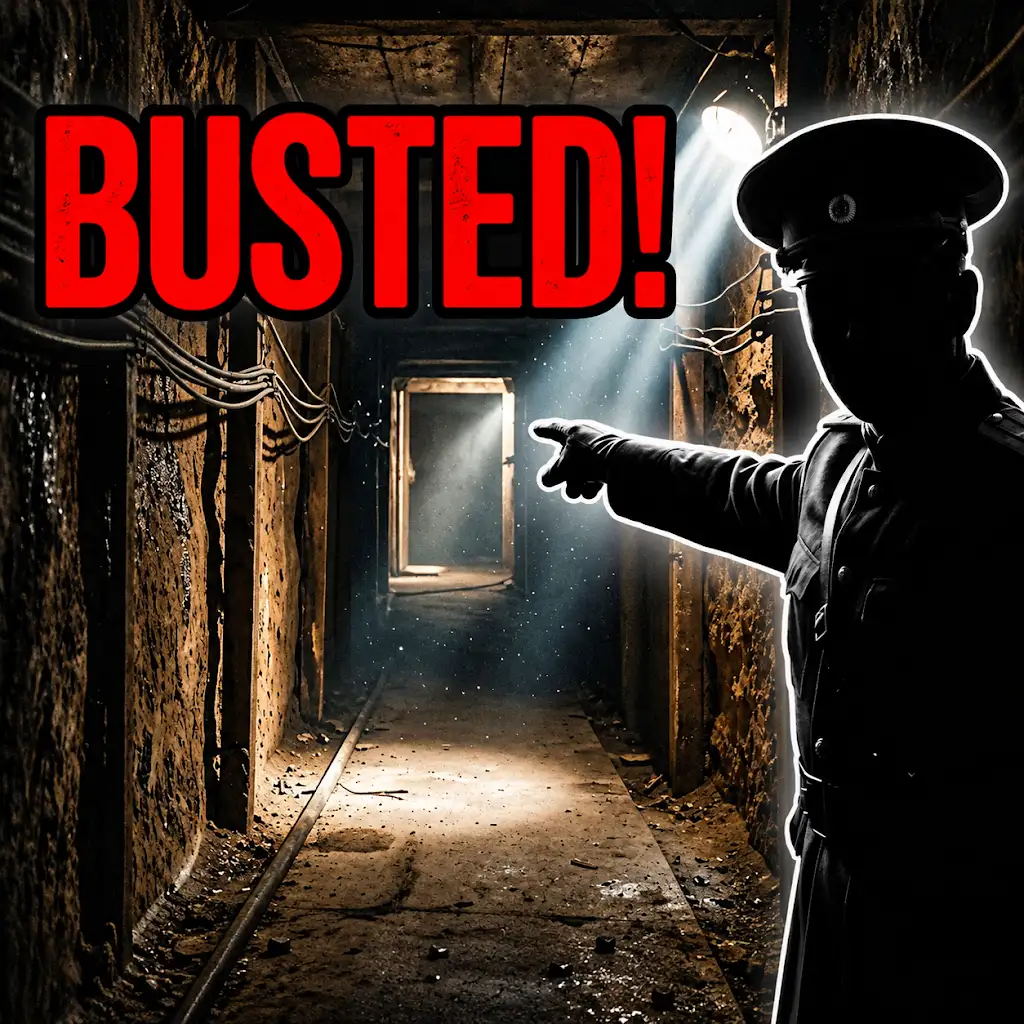
Operation Gold: The Day the Soviets Busted the CIA’s Secret Tunnel
FAQs
What was the Cold War intelligence paradox?
The Cold War intelligence paradox refers to the situation where both the United States and the Soviet Union had extensive intelligence agencies and capabilities, yet they often failed to accurately predict each other’s actions or intentions.
How did the Cold War intelligence paradox impact the strategies of the United States and the Soviet Union?
The intelligence failures during the Cold War led both the United States and the Soviet Union to rely heavily on assumptions, misinformation, and worst-case scenarios, which influenced their military strategies and decision-making processes.
What were some key factors that contributed to the Cold War intelligence paradox?
Factors that contributed to the Cold War intelligence paradox included the use of double agents, misinformation campaigns, technological limitations, ideological biases, and the compartmentalization of intelligence within each country’s agencies.
Did the Cold War intelligence paradox have any long-term consequences?
Yes, the intelligence failures during the Cold War had long-term consequences, as they often led to misunderstandings, miscalculations, and escalations of tensions between the United States and the Soviet Union, which could have potentially resulted in a nuclear conflict.
How did the end of the Cold War impact intelligence gathering and analysis?
The end of the Cold War brought about significant changes in intelligence gathering and analysis, as both the United States and Russia shifted their focus to new threats and challenges, such as terrorism, cyber warfare, and regional conflicts.