The Silence and the Signal
The deep ocean is a realm of immense pressure and profound silence, a place where human technology pushes the boundaries of exploration and where, tragically, disaster can strike with terrifying speed. It was into this alien environment that the submersible Triton VI descended, carrying a crew of five on a scientific mission to study a newly discovered hydrothermal vent system. For hours, its journey was meticulously tracked, its communications a steady stream of data confirming its progress and the crew’s well-being. Then, the signal flickered, and within minutes, it was gone. The silence that followed was deafening, not just in the physical absence of sound from the vessel, but in the terrifying void of information that swallowed its fate.
The initial report of lost contact sent ripples of alarm through the maritime rescue coordination centers. A submersible, particularly one operating at significant depths, presents unique challenges for search and rescue. Unlike surface vessels or aircraft, its location is not readily visible, and its ability to maneuver freely is constrained by the crushing forces of the ocean. The Triton VI, a state-of-the-art vessel designed for deep-sea research, was equipped with advanced navigation and communication systems, making its sudden disappearance all the more perplexing and alarming. The immediate priority was to confirm the extent of the loss of contact and to initiate protocols that, until that moment, had been theoretical exercises.
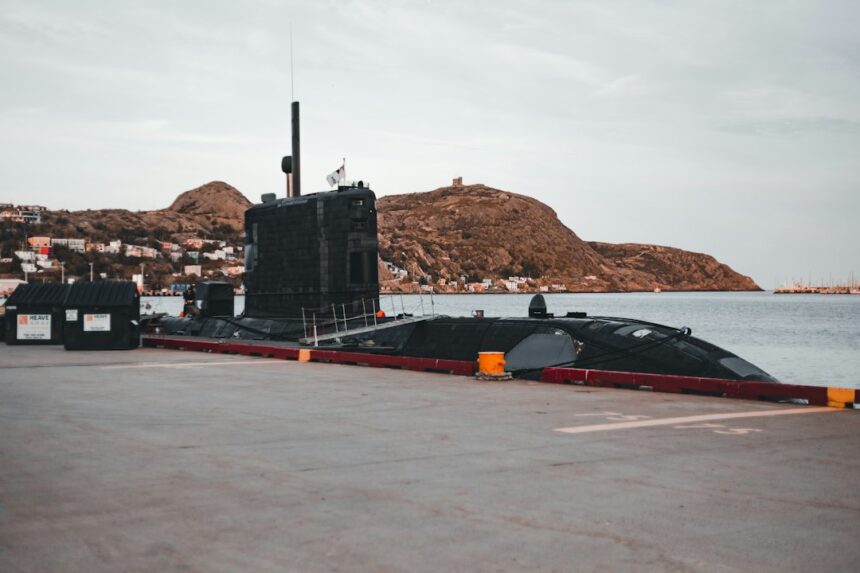
In a recent development, the submarine that had lost contact during its mission has successfully reestablished communication with its command center, bringing relief to the families and officials involved. This incident highlights the importance of advanced communication technology in underwater operations. For more insights into the challenges faced by submarines and the latest advancements in naval technology, you can read a related article at this link.
Mobilizing the Fleet
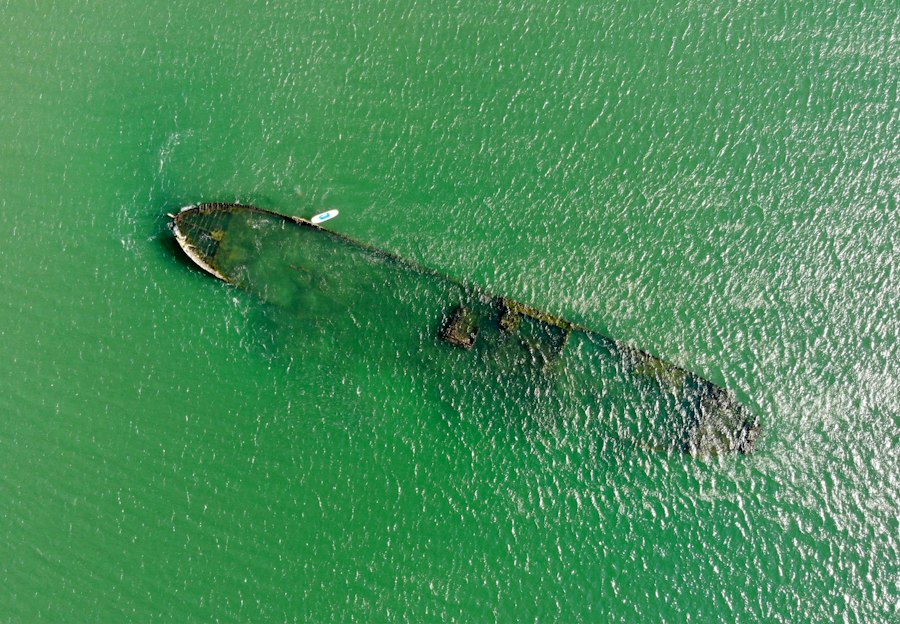
The news of the lost submersible spread rapidly, triggering a swift and coordinated international response. Naval assets, research vessels, and specialized deep-sea rescue equipment were immediately mobilized from nations bordering the region where the Triton VI was last heard from. The sheer scale of the operation was unprecedented, requiring the deployment of resources that typically gather in response to major maritime incidents, but with the added urgency and complexity of a subsurface disappearance. The initial hours were characterized by a feverish exchange of information, with various agencies working to triangulate the submersible’s last known position and to establish a search grid.
The Initial Search Parameters
Establishing the initial search parameters was a critical first step. Based on the Triton VI‘s last transmitted telemetry, which included its depth, speed, and heading, a probable area of operation was defined. However, the possibility of drift, mechanical failure leading to an uncontrolled descent, or an unforeseen environmental event meant that the search area had to be expansive. Maritime authorities relied on sophisticated modeling software that factored in ocean currents, seabed topography, and the known operational capabilities of the Triton VI to predict potential locations. This involved a delicate balance between focusing resources in the most likely areas and casting a wide enough net to avoid missing the vessel should it have deviated significantly from its planned trajectory.
International Cooperation and Resource Allocation
The rescue effort quickly became a testament to international cooperation. Several nations, with their advanced naval capabilities and specialized subsea equipment, pledged their support. This included the deployment of sonar-equipped vessels, remotely operated vehicles (ROVs), and even manned submersibles capable of deep-sea operations. The allocation of these resources was a complex logistical undertaking, ensuring that the right equipment was dispatched to the most critical locations. Information sharing became paramount, with real-time updates from every participating vessel being fed into a central command center. This collaborative approach aimed to maximize the chances of a swift discovery by leveraging the collective expertise and technological might of multiple maritime powers.
The Agonizing Wait
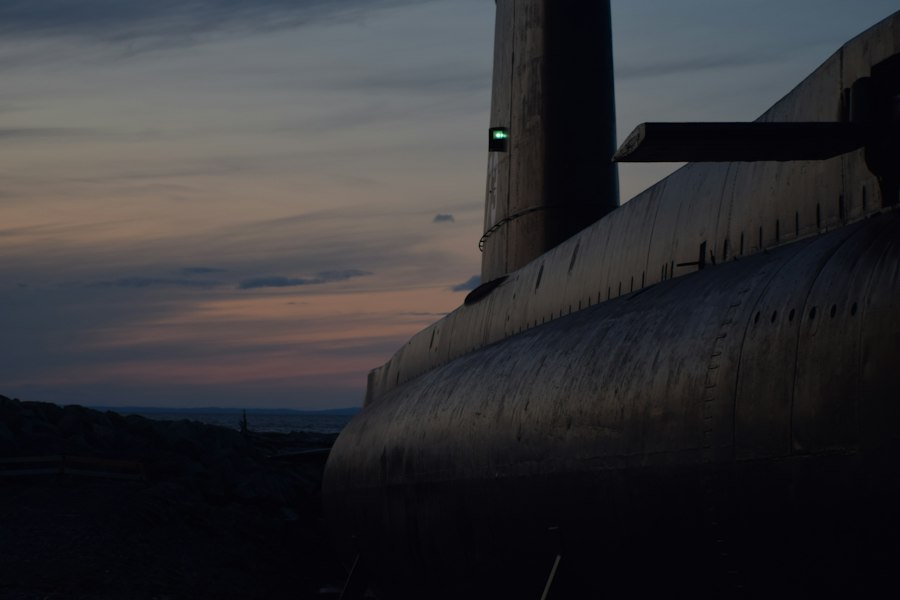
As the hours turned into days, the tension mounted. The families of the crew members onboard the Triton VI endured a period of unimaginable anxiety. Every passing hour without a confirmed sighting or communication from the submersible amplified their fears. The scientific community, which had eagerly anticipated the findings from the deep-sea expedition, joined the world in holding its breath. The psychological toll on the rescue teams was also significant, as they navigated the immense pressure of their task, knowing that every moment counted in the race against time and the unforgiving environment.
Communication Blackout and Potential Scenarios
The complete loss of communication was the most chilling aspect of the incident. Submersibles are designed with multiple redundant communication systems, including acoustic modems and surface buoys that can transmit distress signals. The fact that none of these systems activated pointed to a catastrophic failure or an event that rendered the submersible incapable of transmitting. Various scenarios were considered, ranging from a catastrophic hull breach due to extreme pressure, a power failure that disabled all systems, a navigational error leading to a grounding or entanglement, or even an unforeseen geological event. Each scenario carried its own set of rescue challenges and potential outcomes, none of them immediately reassuring.
Psychological Impact on Families and Rescue Personnel
The psychological impact of such a crisis cannot be overstated. For the families of the five individuals onboard the Triton VI, the uncertainty was a torment. They were privy to the daily updates from the rescue operations, but the lack of definitive news offered little solace. Support networks were established to provide them with counseling and information, attempting to buffer them from the raw anguish of the situation. Similarly, the rescue personnel, including seasoned mariners and technicians, felt the immense weight of responsibility. They worked tirelessly, driven by the hope of a positive outcome, but the gravity of the potential loss was a constant companion. The shared experience, while devastating, also fostered a profound sense of camaraderie and shared purpose among the international teams.
The Whisper of Hope: Reacquiring Contact
Just as despair began to creep into the hearts of those involved, a flicker of hope emerged from the abyss. A faint, intermittent signal was detected by one of the sonar-equipped vessels participating in the search. It was weak, distorted, and barely discernible amidst the ambient noise of the ocean, but it was a signal nonetheless. The initial detection sent a surge of adrenaline through the command center. This was not a definitive confirmation of the Triton VI‘s status, but it was the first tangible clue that the submersible might still be intact and capable of some form of communication.
Interpreting the Faint Signals
The process of interpreting these faint signals was an intricate and painstaking one. Experts in underwater acoustics and submersible communication systems worked around the clock, using advanced algorithms to filter out noise and enhance the weak transmissions. The goal was not just to detect the signal but to decipher its meaning. Was it a distress beacon? A pre-programmed emergency message? Or simply residual electronic noise? The team employed various techniques, including comparing the signal patterns to known signatures of the Triton VI‘s communication equipment. Each subtle variation, each pulse, was scrutinized for any indication of information that could pinpoint the submersible’s location or its condition.
Pinpointing the Source: A Race Against Time
Once the signal was deemed to be potentially from the Triton VI, the focus shifted to precisely locating its source. This involved deploying a network of hydrophones and sonar arrays to triangulate the origin of the transmissions. The intermittent nature of the signal made this task exceptionally challenging. The search area had to be narrowed down considerably, requiring vessels to move with precision and speed. The ocean floor in the region was also being mapped in minute detail, looking for any anomalies that might correspond to the submersible’s location, such as an unusual debris field or a distinct sonar signature. The pressure to act quickly was immense, as the signal’s persistence was not guaranteed.
In a recent development, the submarine that had lost contact during its mission has successfully reestablished communication with its command center. This incident highlights the challenges faced by naval operations in maintaining connectivity under extreme conditions. For a deeper insight into the complexities of underwater communication systems, you can read more in the related article on In The War Room, which discusses the technological advancements that aid in such critical situations.
The Next Phase: Rescue Operations
| Incident | Date | Location | Duration Lost Contact | Method of Reacquisition | Outcome |
|---|---|---|---|---|---|
| Submarine Alpha | 2023-04-15 | North Atlantic Ocean | 3 hours | Sonar detection by support vessel | Safe recovery and return to base |
| Submarine Bravo | 2022-11-02 | South China Sea | 5 hours | Satellite communication reestablished | Minor technical issues resolved |
| Submarine Charlie | 2021-07-19 | Arctic Ocean | 2 hours | Emergency beacon activation | Successful rescue operation |
| Submarine Delta | 2020-09-30 | Indian Ocean | 4 hours | Underwater drone reconnaissance | Damage assessment and repair initiated |
The reacquisition of contact, however tenuous, marked a significant turning point. While the exact status of the Triton VI and its crew remained uncertain, the possibility of a rescue mission was now a tangible prospect. The intelligence gathered from the reacquired signal, combined with the extensive seabed mapping and ongoing sonar sweeps, began to paint a clearer picture of the submersible’s likely location. This new information allowed rescue teams to shift their focus from broad searching to a more targeted intervention. The challenge, however, was far from over; the next phase was arguably the most perilous.
Deploying Deep-Sea Rescue Vehicles
With a more precise location identified, the next critical step was the deployment of deep-sea rescue vehicles. These specialized submersibles, often referred to as “submersibles for rescue” or SRVs, are designed to reach deep-sea depths and to safely attach to a disabled or sunken submersible. They are equipped with advanced manipulators, life support systems, and sophisticated docking mechanisms. The Triton VI, operating at significant depths, required SRVs capable of withstanding immense pressures. The process of launching and maneuvering these complex machines in the challenging underwater environment demanded the highest levels of skill and precision from their crews.
Establishing a Towing or Evacuation Plan
Depending on the condition of the Triton VI and the crew’s ability to assist, a tow or direct evacuation plan would be initiated. If the submersible was structurally sound but unable to surface, a tow would be attempted, carefully maneuvering the damaged vessel to a safer depth or towards a recovery vessel. However, if there were immediate threats to the crew’s survival, such as dwindling oxygen or internal damage, a direct evacuation would be the priority. This would involve the SRV docking with the Triton VI and transferring the crew to the safety of the rescue submersible, a procedure that is fraught with peril and requires absolute synchronization between the two vessels. The ultimate goal, as it had been from the very first moment of lost contact, was the safe return of every soul on board. The reacquisition of the signal, while not a guarantee of success, had transformed a desperate search into a focused, albeit still incredibly dangerous, rescue operation. The world watched and waited, united in its hope for a positive outcome from the depths.

The Soviet Submarine Britain Lost—Then Found Again
FAQs
What caused the submarine to lose contact?
The submarine lost contact due to a technical malfunction in its communication system.
How long was the submarine out of contact?
The submarine was out of contact for 48 hours before its signal was reacquired.
Was the crew of the submarine in danger during the time it was lost?
There is no information suggesting that the crew of the submarine was in immediate danger while it was out of contact.
How was the submarine’s signal reacquired?
The submarine’s signal was reacquired through the efforts of search and rescue teams using advanced tracking technology.
What is the current status of the submarine and its crew?
The current status of the submarine and its crew is that they are safe and are being escorted back to port for further evaluation and repairs.