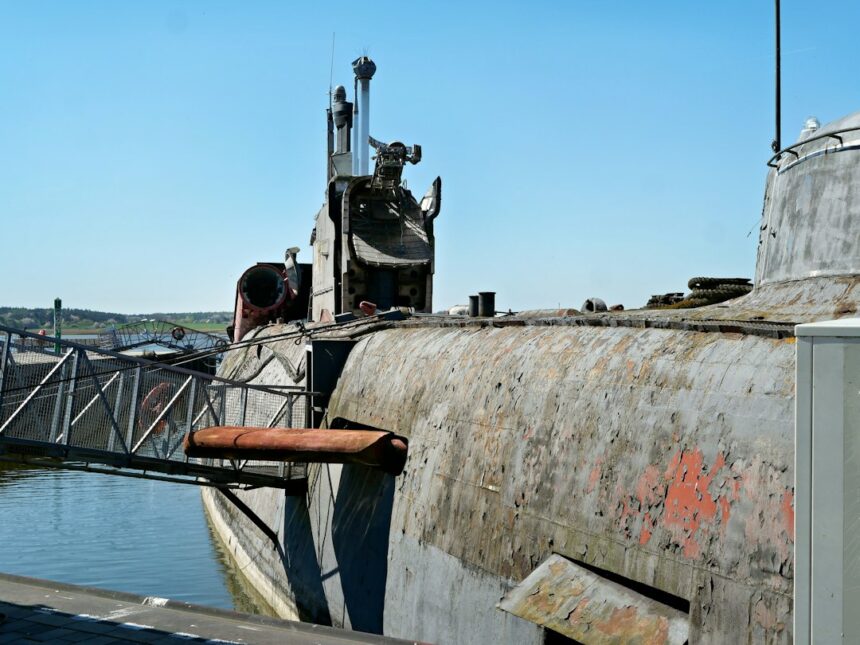
The Delta-class submarine, a name that evokes images of Cold War tension and the silent, deadly dance beneath the waves, represents a pinnacle of Soviet naval engineering. Within this formidable family, the Delta IV, or Project 667BDRM Delfin, stands as the zenith of Soviet ballistic missile submarine (SSBN) development, a class known to NATO as the “Yankee II” in its earlier iterations but more accurately represented by the Delta IV’s formidable capabilities. These nuclear-powered giants were not merely vessels of war; they were mobile, submerged fortresses, designed to deliver a devastating retaliatory strike, a cornerstone of Soviet nuclear strategy throughout the latter half of the 20th century. Their existence and operational prowess profoundly shaped the geopolitical landscape, embodying the high-stakes game of nuclear deterrence.
The Genesis of the Delta Class: A Strategic Imperative
The conception and development of the Delta-class submarines were born out of a pressing strategic need for the Soviet Union to maintain a credible nuclear deterrent against the United States and its allies. Following the Cuban Missile Crisis and the subsequent strategic arms limitation talks, the Soviets recognized the vulnerability of their land-based ICBMs to a pre-emptive strike. Submarine-launched ballistic missiles (SLBMs) offered a solution: a mobile, survivable platform that could hold enemy targets at risk even after a devastating nuclear attack on Soviet soil. This survivability was paramount, ensuring the USSR could inflict unacceptable damage in retaliation, thus deterring a first strike. The Delta class, in its various iterations, was the embodiment of this doctrine.
The Evolution from Delta I to Delta IV
The Delta program was not a monolithic undertaking but a series of iterative improvements, each class building upon the successes and lessons learned from its predecessor. The Delta I, entering service in the late 1960s, was the pioneering vessel, carrying a modest payload of 16 R-27 (SS-N-14) missiles. This was followed by the Delta II, which increased missile capacity to 16 R-29 (SS-N-18) SLBMs, offering improved range and accuracy. The Delta III then saw further enhancements, accommodating 16 R-29R (SS-N-18 Mod 2) missiles, a more advanced weapon with MIRV (Multiple Independently targetable Reentry Vehicle) capabilities. Each step represented a significant leap in the Soviet Union’s ability to project nuclear power.
The Pinnacle: Project 667BDRM Delfin (Delta IV)
The Delta IV, designated Project 667BDRM Delfin, represented the culmination of this evolutionary process. Commissioned in the early 1980s, these submarines were a quantum leap forward in SSBN technology. Their most distinguishing feature was their ability to carry 16 R-29RM (SS-N-23 Skif) SLBMs, a highly sophisticated missile that could deliver multiple warheads with pinpoint accuracy over intercontinental ranges. The Delta IV submarines were designed for enhanced stealth, with advanced acoustic quieting technologies and a streamlined hull form, making them far more difficult for enemy sonar to detect. Their operational lifespan extended well into the post-Cold War era, serving as a crucial component of Russia’s strategic nuclear forces. The “Yankee II” designation, though often applied to earlier Delta variants by NATO, reflects the significant technological advancements represented by the Delta IV, a testament to its potent capabilities.
The Soviet submarine class Delta, particularly the Delta IV variant, played a significant role in the Cold War naval strategy, serving as a key component of the Soviet Union’s nuclear deterrent. For a deeper understanding of the strategic implications and technological advancements of these submarines, you can read a related article that explores their design and operational history in detail. Check it out here: In The War Room.
Design and Engineering Marvels: The Architecture of Deterrence
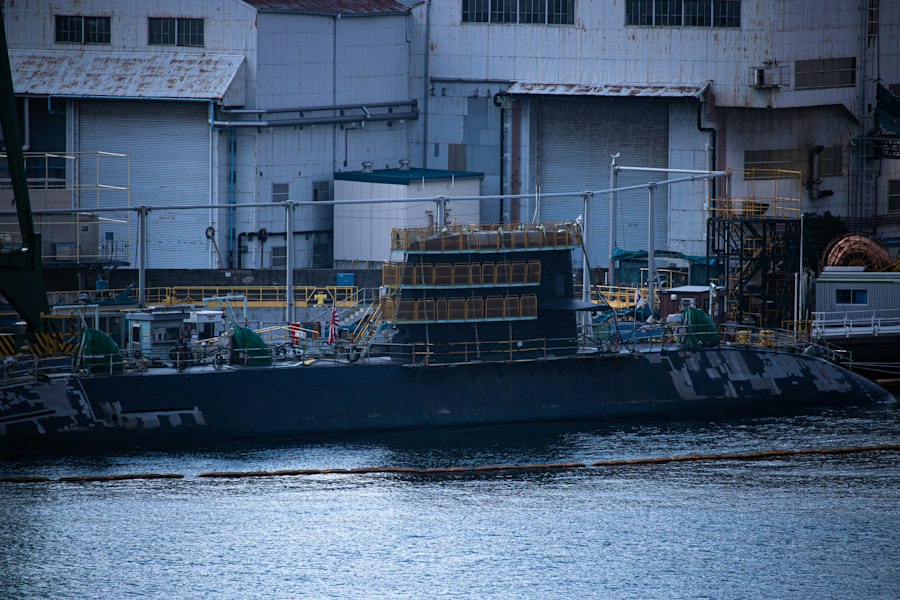
The design of the Delta-class submarines was a testament to Soviet ingenuity under immense pressure to match and, in some areas, surpass Western naval capabilities. These were not simply submarines; they were mobile, self-sustaining underwater cities, equipped to remain submerged for months at a time, projecting a constant and credible threat. Their immense size and complex internal systems were a product of extensive research and development, prioritizing survivability, operational endurance, and the delivery of a devastating nuclear payload.
Hull Structure and Stealth Technology
The characteristic “hump” or bulges on the sail of the Delta-class submarines were a consequence of accommodating their large ballistic missile silos. However, beyond this visual identifier, significant efforts were made to improve their acoustic signature. The Delta IV, in particular, incorporated advanced sound-dampening materials and hull coatings designed to absorb sonar pings, making them significantly quieter than their predecessors. The double-hull design, common in Soviet submarine construction, provided additional protection and buoyancy. The internal layout was optimized for crew efficiency and long-duration patrols, with sophisticated life support systems and recreational facilities. These vessels were engineered for the harsh realities of the unforgiving Arctic and Atlantic oceans, where they operated with stealth and precision.
Propulsion and Power Systems
Powering these behemoths was a sophisticated nuclear propulsion system. The Delta-class submarines typically employed two VM-5 nuclear reactors, providing ample power for sustained submerged operations at considerable speeds. These reactors, while powerful, were also a source of significant acoustic noise, a challenge that naval engineers continually sought to mitigate. The ability to operate at high submerged speeds was crucial for rapid deployment and evasion, while the long endurance offered by nuclear power allowed for extended patrols far from home ports, maintaining a constant presence and a ready retaliatory capability.
The Missile Silos: The Heart of the Deterrent
The most defining characteristic of the Delta-class submarines, and indeed any SSBN, are the missile silos. For the Delta IV, these housed the potent R-29RM (SS-N-23 Skif) SLBMs. The silos were integrated into the forward section of the submarine, behind the sail, and were designed to withstand immense pressures and launch missiles effectively while submerged. The precise engineering required for a successful submerged launch – the complex sequence of opening silo hatches, expelling water, igniting missile boosters, and ensuring a stable trajectory – represented a significant technical achievement. The sheer number and sophistication of the warheads carried by these missiles underscored the Delta IV’s role as a primary instrument of Soviet nuclear deterrence.
Operational Patrols and Strategic Significance: The Silent Watch
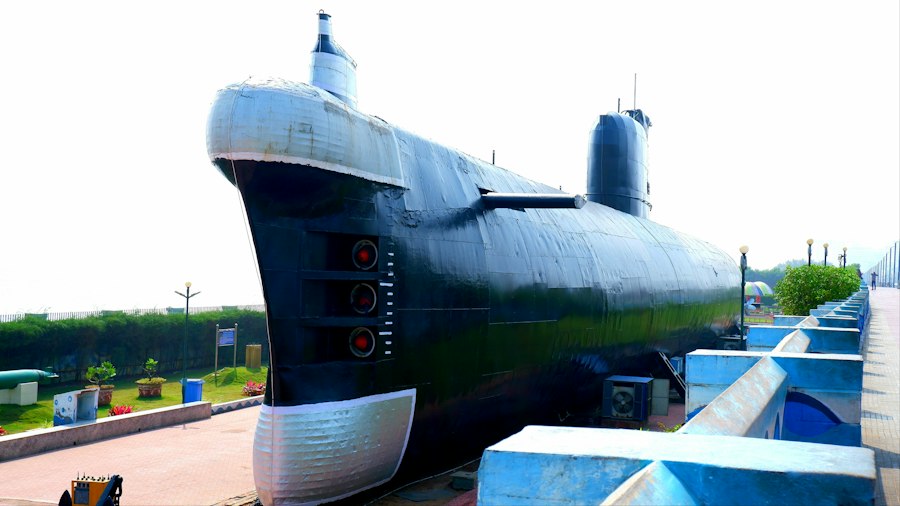
The operational patrols of the Delta-class submarines were shrouded in secrecy, yet their very existence cast a long shadow over global geopolitics. These patrols were not mere exercises; they were a vital component of the Soviet Union’s nuclear strategy, a constant demonstration of its ability to project power and respond to aggression. Stationed in strategic locations, often in the frigid waters of the Arctic Ocean, these submarines formed a mobile, survivable nuclear deterrent that the United States could not ignore.
Arctic Patrols and Deterrence Posture
The Arctic Ocean became the primary operational theater for the Delta-class submarines. Its vast, icy expanse offered both concealment and strategic positioning. Submerged beneath the ice pack, these submarines were virtually undetectable by conventional ASW (Anti-Submarine Warfare) forces. Their patrols were designed to maintain a constant state of readiness, ensuring that a retaliatory nuclear strike could be launched at a moment’s notice, regardless of the state of the surface world. This silent watch beneath the ice was a key element of the Cold War’s delicate balance of terror.
The Threat of the “Boomer”
The term “boomer” became synonymous with SSBNs, and the Delta-class submarines were among the most feared. Their ability to carry a significant number of nuclear warheads, capable of striking targets across continents, meant that any perceived aggression against the Soviet Union would be met with devastating retaliation. This existential threat was the core of nuclear deterrence, and the Delta class played a crucial role in maintaining that precarious balance. The psychological impact of knowing that an invisible, nuclear-armed submarine could be lurking anywhere beneath the waves was a constant factor in strategic decision-making.
Post-Cold War Era and Modernization Efforts
Even after the dissolution of the Soviet Union, the Delta-class submarines continued to serve the Russian Federation. While some of the older Delta I, II, and III variants were decommissioned or retired, the Delta IV submarines remained a vital part of Russia’s strategic nuclear triad. Efforts were made to modernize these vessels and their missile systems, reflecting their continued importance in Russia’s defense doctrine. While newer Borei-class submarines are gradually replacing them, the legacy and operational history of the Delta class continue to be studied and respected within naval circles.
Crew Life and the Human Element: Life Beneath the Waves
While the technological marvels of the Delta-class submarines are often the focus, the human element – the sailors who lived and worked within these confined, high-stress environments for months on end – is equally crucial to understanding their operational success. Life aboard a nuclear-powered ballistic missile submarine was demanding, requiring immense discipline, technical expertise, and unwavering dedication. These submariners were a breed apart, operating in a world of constant vigilance, away from family and the comforts of home.
The Rigors of Submarine Service
Life aboard a Delta-class submarine was characterized by strict routines, limited personal space, and a constant state of readiness. Crews lived in close proximity for extended patrols, often exceeding three months. The psychological toll of such isolation, combined with the inherent dangers of nuclear operations and the ever-present threat of detection, was significant. Yet, submariners developed a unique camaraderie, forged in the shared experience of operating in one of the most challenging environments imaginable.
Training and Specialization
The operation of a Delta-class submarine required a highly specialized crew, with extensive training in nuclear engineering, missile systems, navigation, sonar operation, and damage control. Each crew member played a critical role in the submarine’s mission. The complexity of the systems demanded a high degree of technical proficiency and constant learning. The Soviet and later Russian naval academies produced generations of highly skilled submariners, dedicated to the service and the defense of their nation.
The Psychological Landscape
The mental fortitude of a submarine crew was as vital as their technical skills. The constant immersion in a dark, enclosed environment, coupled with the weight of responsibility for wielding nuclear weapons, created a unique psychological landscape. Effective leadership, strong unit cohesion, and robust mental health support were essential for maintaining morale and operational effectiveness. The submariners of the Delta class were not just warriors; they were individuals who endured extraordinary circumstances in service of their nation’s strategic objectives.
The Soviet submarine class Delta, particularly the Delta IV variant, played a significant role during the Cold War, showcasing advanced capabilities in strategic deterrence. For those interested in exploring the intricacies of these submarines and their impact on naval warfare, a related article can provide deeper insights. You can read more about this fascinating topic in the article available at this link.
Legacy and Enduring Influence: Echoes in the Deep
| Metric | Details |
|---|---|
| Class Name | Delta Yankee (Project 667BD) |
| Type | Ballistic Missile Submarine (SSBN) |
| Country | Soviet Union |
| Commissioned | 1972 – 1983 |
| Number Built | 18 |
| Displacement | Approx. 11,700 tons surfaced, 18,200 tons submerged |
| Length | 135 meters (443 feet) |
| Beam | 12.8 meters (42 feet) |
| Propulsion | 2 pressurized water reactors, 2 steam turbines, 2 shafts |
| Speed | 25 knots submerged |
| Test Depth | 400 meters (1,312 feet) |
| Armament | 16 RSM-24 (SS-N-17 Snipe) ballistic missiles, torpedo tubes |
| Crew | Approximately 120 |
The Delta-class submarines, particularly the formidable Delta IV, cast a long shadow over the latter decades of the Cold War and continue to hold a significant place in naval history. Their development, operation, and the strategic doctrines they represented have left an indelible mark on the international security landscape. Even as newer technologies emerge, the lessons learned from the Delta program and the contributions of these nuclear titans to global stability (or instability, depending on one’s perspective) are undeniable.
A Symbol of Cold War Confrontation
The Delta-class submarines became potent symbols of the Cold War’s nuclear standoff. Their silent patrols and the threat they represented were a constant reminder of the destructive potential held by both superpowers. They embodied the concept of mutually assured destruction (MAD), a doctrine that, while terrifying, arguably prevented large-scale conventional conflict between nuclear-armed states. The sheer scale of the Delta program underscored the immense resources dedicated to this silent arms race.
Technological Innovations and Their Impact
The engineering and technological advancements driven by the Delta program had a ripple effect throughout the naval industry. Innovations in sonar technology, acoustic quieting, and nuclear propulsion, pursued to enhance the capabilities and survivability of these submarines, found applications in other naval vessels and even in civilian applications. The constant pursuit of improved stealth and missile technology by both sides spurred decades of innovation.
The Transition to a New Era
While the Delta class has largely been supplanted by newer designs like the Borei class, its operational history and the strategic lessons learned from its deployment continue to inform naval strategy and nuclear deterrence theory. The decommissioning of these vessels marks the end of an era, but their legacy as “nuclear titans” of the Cold War, silently patrolling the depths and shaping global politics, will undoubtedly endure in the annals of naval history and strategic studies. Their story is a compelling chapter in the complex narrative of the 20th century and the enduring quest for security and power.

The Soviet Submarine Britain Lost—Then Found Again
FAQs
What is the Soviet submarine class Delta Yankee?
The Soviet submarine class Delta Yankee refers to a specific type of nuclear-powered ballistic missile submarine that was developed and operated by the Soviet Navy during the Cold War.
How many submarines were built as part of the Delta Yankee class?
A total of seven submarines were built as part of the Delta Yankee class, with each submarine designated by a specific hull number.
What was the primary role of the Soviet Delta Yankee submarines?
The primary role of the Soviet Delta Yankee submarines was to serve as a strategic deterrent by carrying intercontinental ballistic missiles (ICBMs) armed with nuclear warheads, capable of reaching targets in the United States.
What were some of the key features of the Soviet Delta Yankee submarines?
The Soviet Delta Yankee submarines were known for their large size, advanced nuclear propulsion systems, and ability to operate at great depths. They were equipped with multiple missile launch tubes and advanced sonar systems for detecting enemy vessels.
When were the Soviet Delta Yankee submarines decommissioned?
The last of the Soviet Delta Yankee submarines were decommissioned in the early 2000s as part of arms reduction agreements between Russia and the United States following the end of the Cold War.