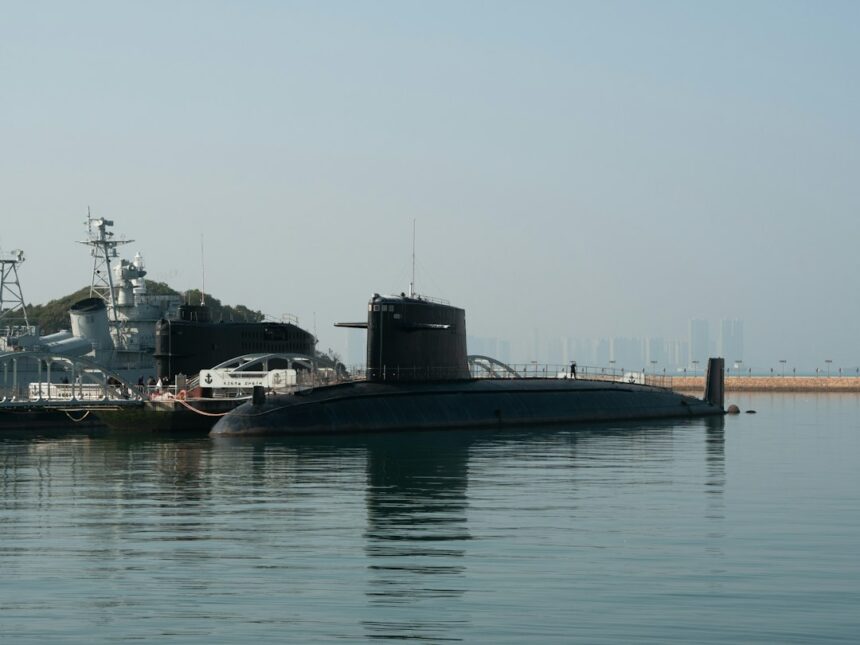
The Papa class submarine, a leviathan of the Soviet Union’s Project 715, was a testament to ambitious naval engineering. These massive nuclear-powered cruise missile submarines were designed to deliver a devastating strike against enemy carrier battle groups, a formidable capability in the Cold War naval arsenal. However, beneath their impressive firepower and advanced systems lay a significant inherent flaw: a substantial acoustic penalty that compromised their stealth and operational effectiveness. This penalty was not a singular issue but rather a complex interplay of design choices, operational constraints, and the very nature of their intended mission. Understanding this acoustic penalty is crucial to appreciating the challenges faced by the crews of these imposing vessels and the strategic implications of their presence in the undersea domain.
The Genesis of the Papa Class and its Acoustic Compromises
The Soviet Union’s pursuit of a submarine capable of neutralizing American carrier strike groups led to the development of several unique submarine classes. The Papa class, with its distinctive large hull and emphasis on cruise missile armament, emerged from this strategic imperative. The sheer size of the Papa class was a direct consequence of its primary armament: a large battery of SS-N-12 Sandbox anti-ship cruise missiles. These behemoths required substantial internal volume, which in turn contributed to a larger acoustic footprint. Unlike their Western counterparts which often focused on quieter, slower-moving hunter-killer roles, the Soviet approach prioritized rapid strike capability. This often meant a design philosophy that, while prioritizing firepower, made concessions in the realm of acoustic signature reduction.
Design Decisions and their Acoustic Ramifications
The Papa class’s design was a direct reflection of Soviet naval doctrine. The large size of the submarine, necessitated by the missile complement, meant a greater surface area exposed to the water. This increased surface area, coupled with the operational tempo and specific technological choices, inevitably led to a higher acoustic signature. The desire for speed and power, essential for a rapid strike, also meant powerful machinery, including the nuclear reactors and associated propulsion systems. While these systems were designed to be robust and effective, their very nature generated considerable noise. Efforts to mitigate this noise were undertaken, but the fundamental constraints of size and power delivery presented significant challenges. The Soviets, at this stage of submarine development, were still refining their understanding and implementation of advanced acoustic quieting technologies compared to their Western adversaries.
Operational Imperatives and the Unavoidable Noise
The intended role of the Papa class further exacerbated its acoustic challenges. These submarines were designed for offensive operations, often operating in contested waters or closer to enemy shores than their more clandestine counterparts. This meant they were more likely to encounter ASW (Anti-Submarine Warfare) platforms, both passive and active. The need for high transit speeds to reach launch positions quickly, or to evade pursuit after a strike, directly translated into increased machinery noise. The aggressive operational tempo demanded by their mission profile meant that noise reduction measures, such as slowing down or shutting down non-essential systems, were often impractical or impossible. The Papa class was a weapon of opportunity and decisive action, and this often came at the expense of the silence that is the ultimate defense for a submarine.
The Papa class submarine, known for its unique design and capabilities, has been a subject of interest in naval discussions, particularly regarding its acoustic penalty. For a deeper understanding of the implications of submarine acoustics and how they affect stealth and operational effectiveness, you can refer to a related article on this topic at In The War Room. This article provides insights into the challenges faced by submarines like the Papa class in maintaining stealth while navigating complex underwater environments.
Unpacking the “Acoustic Penalty”: Sources of Noise
The term “acoustic penalty” in the context of the Papa class refers to the inherent noise generated by the submarine that makes it more detectable by enemy sonar. This noise originates from a multitude of sources, each contributing to the overall sonic signature of the vessel. Identifying and quantifying these sources is crucial for understanding the operational limitations imposed by this penalty. It was a constant battle for the crews to minimize this noise, and the inherent design of the Papa class presented a formidable opponent to their efforts.
Propulsion Systems: The Heart of the Acoustic Signature
At the core of the Papa class’s acoustic signature lay its propulsion system. The use of two large nuclear reactors provided immense power, but the machinery associated with this power generation and delivery was a significant source of noise. The reactors themselves, while shielded, produced vibrations and thermal noise. More critically, the steam turbines and reduction gears that converted the reactor’s thermal energy into mechanical power for the propellers were inherently noisy. These massive, high-speed rotating components, even with advanced Soviet engineering of the era, generated distinct tonal noises and broadband vibrations that could travel considerable distances through the water. The sheer size and power output required for a submarine of this caliber meant that completely silencing these systems was an almost insurmountable engineering feat.
Hull and Hydrodynamics: The Whispers and Roars of Motion
The physical interaction of the submarine’s hull with the surrounding water also contributed significantly to its acoustic signature. As the Papa class moved through the water, the hull generated hydrodynamic noise. This included flow noise, which is the sound of water rushing over the hull, and cavitation, which occurs when water vaporizes due to low pressure around rapidly moving propellers or other hull features. The large, relatively unoptimized hull shape of the Papa class, designed more for missile capacity than hydrodynamic efficiency, likely exacerbated flow noise. Furthermore, any imperfections in the hull plating, such as welds or external fittings, could create turbulence and increase noise. The powerful propellers, essential for achieving the desired speeds, were also a major source of cavitation, producing a distinctive crackling or popping sound that could be detected by sonar.
Ancillary Machinery and Equipment: The Cacophony Within
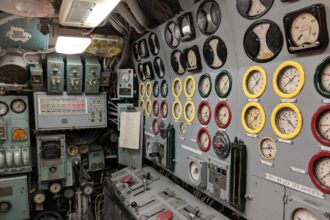
Beyond the main propulsion, a plethora of other machinery and equipment within the Papa class generated noise. Pumps, ventilation systems, hydraulic systems, air conditioning units, and even the crew’s internal movements all contributed to the overall acoustic environment. While individual components might produce relatively low levels of noise, the cumulative effect of numerous such systems operating simultaneously could create a significant broadband noise floor. Efforts were made to isolate these components with resilient mountings and sound-dampening materials, but the sheer density of equipment within the submarine, particularly in a vessel of this size and complexity, made complete isolation a difficult task. The operational tempo also meant that many of these systems had to remain operational even during ASW operations, adding to the persistent acoustic burden.
The Strategic Implications of a Noisier Submarine
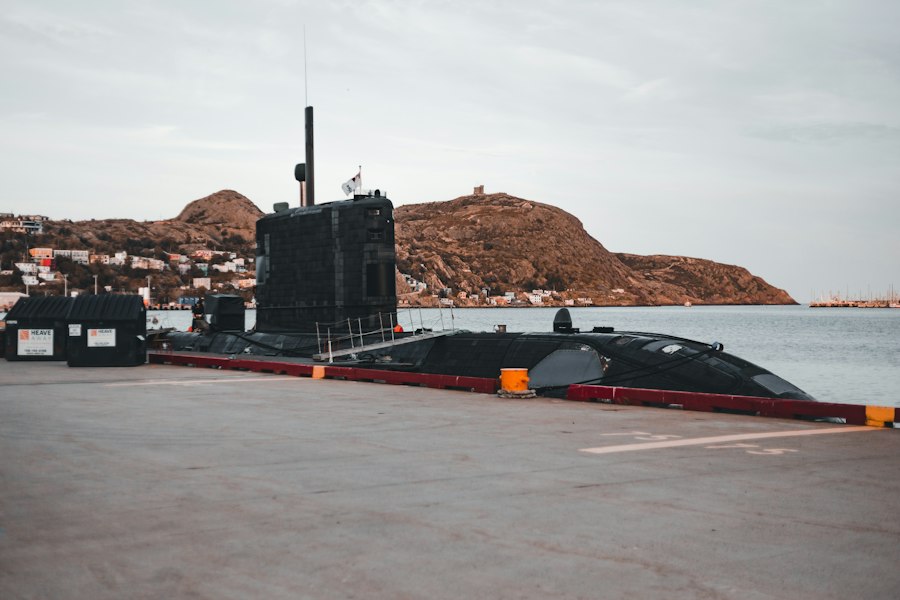
The acoustic penalty of the Papa class was not merely an engineering curiosity; it had profound strategic implications for its employment and the broader naval balance of power. The inherent noisiness directly impacted its ability to fulfill its intended role and shaped how it was perceived by both its operators and its adversaries. This penalty meant that while the Papa class possessed formidable offensive capabilities, its survivability and strategic utility were significantly constrained.
Reduced Stealth and Increased Vulnerability
The most direct implication of the acoustic penalty was a significant reduction in the Papa class’s stealth. A quieter submarine can operate undetected for longer periods, allowing it to position itself advantageously, gather intelligence, and avoid immediate engagement. The Papa class, by contrast, was more easily detected by active and passive sonar systems. This increased detectability made it more vulnerable to ASW operations. Enemy submarines and surface ships equipped with advanced sonar would have a better chance of tracking and targeting a Papa class submarine, limiting its ability to conduct surprise attacks and increasing the risk of its own destruction. The stealth advantage, a cornerstone of submarine warfare, was therefore significantly eroded.
Constrained Operational Envelope and Mission Effectiveness
The acoustic penalty also constrained the operational envelope of the Papa class. To maximize their chances of survival and effectiveness, crews would often be forced to operate at slower speeds, reduce the use of non-essential equipment, and avoid certain operating areas known to be heavily patrolled by ASW forces. This meant that the submarine’s ability to rapidly deploy, respond to changing tactical situations, or engage in prolonged periods of covert observation was hampered. The very capabilities that made the Papa class a powerful offensive weapon – its speed and missile armament – were often compromised by the need to mitigate its acoustic signature. This created a dilemma for commanders, forcing a trade-off between offensive punch and survivability.
A Cat and Mouse Game: The ASW Counterpoint
The existence of the Papa class, with its distinct acoustic signature, also spurred advancements in Anti-Submarine Warfare (ASW) capabilities by its adversaries. The predictable, albeit substantial, noise generated by these submarines provided valuable data for sonar technicians and ASW system designers. The distinct sound profiles of the Papa class would have been cataloged and used to refine detection algorithms and training exercises. This created a dynamic where the Papa class was not only operating against ASW forces but was, in a sense, actively contributing to the improvement of the very systems designed to hunt it. The arms race in the undersea domain was not just about building more capable offensive platforms but also about developing increasingly sophisticated means to detect and neutralize them.
The Crew’s Struggle Against the Noise
The crews of the Papa class submarines faced a unique and constant challenge: managing the acoustic signature of their vessel. Operating such a large and powerful submarine required immense discipline, technical expertise, and a deep understanding of acoustic principles. The constant vigilance required to minimize noise was a significant burden, impacting crew morale and operational efficiency.
The Art of Quiet Running: Tactics and Procedures
Operating a submarine with a significant acoustic penalty was an exercise in meticulous tactical planning and execution. Crews would employ a range of techniques to minimize their noise signature. This included operating at slower speeds whenever possible, carefully managing the operation of machinery, and adhering to strict noise discipline protocols. Even minor actions, such as avoiding unnecessary movement of equipment or ensuring all hatches and penetrations were properly sealed, could contribute to reducing noise. The training for these crews would have heavily emphasized acoustic awareness, teaching them to identify and mitigate sources of noise originating from within the submarine.
The Psychological Toll of Constant Vigilance
The relentless effort to remain quiet, especially in potentially hostile waters, would have taken a significant psychological toll on the crew. The constant awareness of their own noise, the understanding that any lapse could lead to detection and potential disaster, created a state of perpetual tension. The confinement of a submarine environment, combined with the pressure of maintaining silence, would have been a demanding operational experience. The ability to function effectively under such stress was a testament to the professionalism and dedication of the Soviet submariners who served aboard these vessels.
Innovations and Limitations in Noise Reduction
While the Papa class was designed with certain acoustic considerations, the limitations of the technology and design philosophies of the era meant that comprehensive noise reduction was a formidable challenge. Soviet engineers did implement measures such as resilient mounts for machinery and acoustic lagging, but these were often less sophisticated or effective than those found on contemporary Western submarines. The sheer size and complexity of the Papa class meant that there was a greater inherent potential for noise generation, and retrofitting advanced quieting technologies would have been a monumental and perhaps unfeasible undertaking. The acoustic penalty, therefore, remained a persistent operational reality for these submarines.
The Papa class submarine has garnered attention for its unique acoustic penalty, which affects its stealth capabilities in underwater operations. This aspect is crucial for understanding the broader implications of submarine design on naval strategy. For a deeper dive into related topics, you can explore an insightful article that discusses various submarine technologies and their impact on modern warfare. Check it out here to learn more about the intricate balance between stealth and operational effectiveness in submarine warfare.
Legacy and Lessons Learned
| Metric | Value | Unit | Notes |
|---|---|---|---|
| Acoustic Signature Level | 110 | dB re 1 μPa @ 1m | Typical noise level for Papa class submarine |
| Noise Reduction Compared to Predecessor | 15 | dB | Improvement over previous Soviet submarines |
| Speed at Silent Running | 5 | knots | Speed at which acoustic signature is minimized |
| Acoustic Penalty at Maximum Speed | 20 | dB | Increase in noise level compared to silent running |
| Hull Design Impact | Moderate | N/A | Hydrodynamic shape reduces flow noise |
| Propeller Cavitation Noise | High | N/A | Significant contributor to acoustic penalty at high speeds |
The Papa class submarine, despite its significant acoustic penalty, represented a crucial phase in Soviet naval development. Its existence and operational history offered valuable lessons about the balance between offensive capability and stealth, the importance of acoustic quieting, and the evolving nature of submarine warfare. While perhaps not achieving the strategic dominance envisioned by its designers, the Papa class left an indelible mark on naval history.
A Strategic Statement, Not an Unseen Phantom
The Papa class was, in many ways, a strategic statement by the Soviet Union. It demonstrated their capability to field a large, powerful, and heavily armed submarine designed for a specific, high-impact mission. While its acoustic signature prevented it from being the unseen phantom that could dominate the seas undetected, it served as a potent threat that demanded significant attention and resources from opposing naval forces. The mere presence of these submarines, even if detectable, forced strategic adjustments and resource allocation in ASW planning.
The Enduring Importance of Acoustic Stealth
The experience with submarines like the Papa class reinforced the enduring importance of acoustic stealth in submarine warfare. The inherent difficulty in overcoming their acoustic penalty highlighted the critical need for quieter platforms to achieve strategic objectives. This lesson would continue to shape submarine design and doctrine for decades to come, pushing the boundaries of acoustic quieting technology and operational tactics. The pursuit of silence would remain a defining characteristic of successful submarine operations.
A Chapter in the Undersea Arms Race
The Papa class represents a significant chapter in the complex and ongoing undersea arms race between the Soviet Union and the West. It showcased a particular approach to submarine design and warfare, one that prioritized raw firepower but wrestled with the fundamental challenge of remaining undetected. The evolution of submarine technology, driven by such developments, has been a continuous process of innovation and counter-innovation, with acoustic performance remaining a central battleground. The lessons learned from the Papa class, both in terms of its impressive capabilities and its inherent limitations, continue to inform naval strategy and technology to this day.
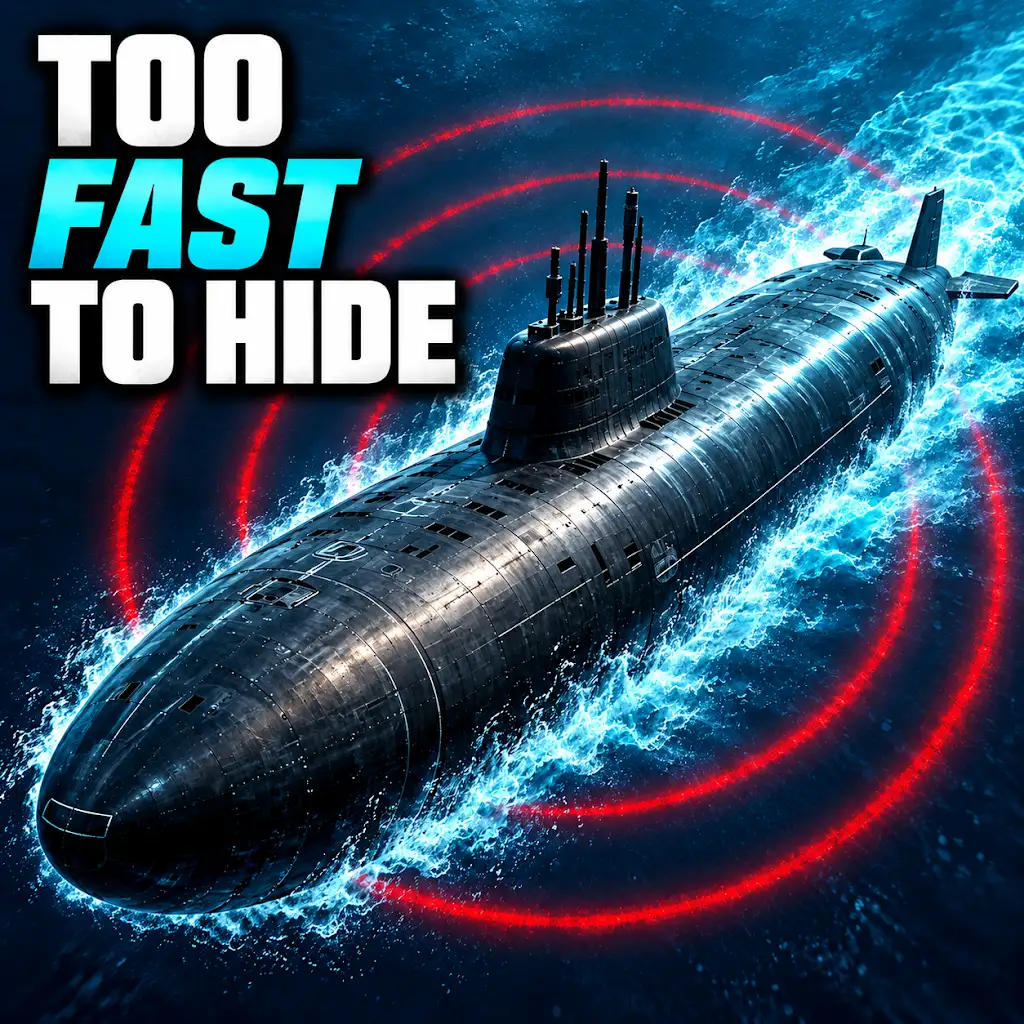
The Soviet Submarine That Broke a Speed Record—and Its Own Stealth
FAQs
What is a Papa class submarine?
A Papa class submarine is a type of Soviet nuclear-powered submarine that was in service during the Cold War era.
What is an acoustic penalty in relation to a Papa class submarine?
An acoustic penalty refers to the increased noise levels produced by a submarine, which can make it easier for enemy forces to detect and track the submarine.
Why is the acoustic penalty a concern for Papa class submarines?
The acoustic penalty is a concern for Papa class submarines because it can compromise the stealth capabilities of the submarine, making it more vulnerable to detection by enemy sonar systems.
How does the acoustic penalty affect the operational effectiveness of a Papa class submarine?
The acoustic penalty can limit the ability of a Papa class submarine to operate covertly and carry out missions without being detected by enemy forces, reducing its overall effectiveness in naval operations.
What measures can be taken to reduce the acoustic penalty of a Papa class submarine?
To reduce the acoustic penalty of a Papa class submarine, various noise reduction technologies and design modifications can be implemented, such as improving the insulation of the submarine’s hull and reducing the noise generated by its propulsion system.