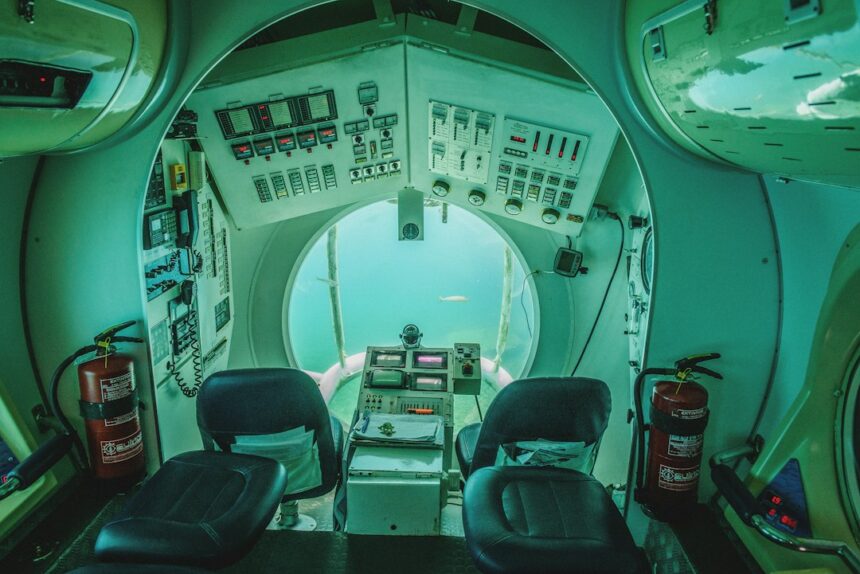
The low hum of the Soviet submarine was a constant companion, a symphony of machinery and engineering designed for stealth and power. For those who served aboard these underwater giants, this hum was more than just background noise; it was the very soundtrack to their lives. Yet, this auditory landscape, while essential for their mission, came with a hidden cost. The relentless thrumming, the deep vibrations, and the sudden bursts of speed generated by these formidable vessels exacted a toll on the hearing of their crews, a silent epidemic that shadowed the glory of naval prowess. The Soviet submarine service, a crucial element of the Cold War’s strategic arsenal, pushed the boundaries of technology and human endurance, but the physical implications of prolonged exposure to extreme noise within confined spaces were a persistent and often underestimated challenge.
The Cauldron of Sound: Life Aboard a Soviet Submarine
Life within the hull of a Soviet submarine was an experience defined by proximity and pressure, both physical and psychological. Cramped compartments, perpetually filled with the scent of diesel and recycled air, housed crews performing highly specialized tasks under immense stress. The constant operational tempo demanded vigilance, often with extended patrols lasting months. Within this confined environment, sound was an inescapable omnipresence. From the deep rumble of the engines to the screech of the sonar, every operation generated a cacophony that permeated every inch of the vessel.
The Engine Room’s Roar
At the heart of any submarine lay its propulsion system, and for Soviet submarines, this often meant powerful diesel-electric or, later, nuclear reactors. The engine room, a labyrinth of pipes, pumps, and generators, was a veritable inferno of noise. The sheer force required to drive these colossal vessels through the water at speed generated vibrations that could be felt in the very bones of the crew. During submerged operations, the constant drone of the electric motors was a pervasive hum, but when surfacing or maneuvering at high speeds, the diesel engines roared to life, unleashing an ear-splitting symphony of mechanical fury. Mechanics and engineers working in these spaces, often without adequate hearing protection – a rarity in many military contexts of the era – were directly exposed to decibel levels far exceeding safe limits. The clatter of machinery, the whine of turbines, and the deep, resonating thuds of the engines combined to create an acoustic environment that was not merely loud, but physically overwhelming.
The Hydrodynamic Symphony
Beyond the internal machinery, the submarine itself became an instrument in a unique, and often damaging, sonic orchestra. As the submarine sliced through the water, the flow of water against its hull generated a constant hydrodynamic noise. This noise increased dramatically with speed. The faster the submarine moved, the more turbulent the water flow, and the louder the resulting sound. At operational speeds, this could be a significant contributor to the overall noise exposure. Furthermore, maneuvers, such as rapid ascents, descents, or sharp turns, created intense pressure waves and cavitation – the formation and collapse of bubbles in the water – which produced sharp, percussive noises that were particularly jarring and damaging to the delicate structures of the inner ear. The sonar operators, tasked with listening intently to the external environment, were in a paradoxical position. While their job required them to discern faint sounds, they were also constantly bombarded by the internal noise of their own vessel.
The Constant Companion: Machinery Hum and Vibration
Even at lower speeds or during periods of relative quiet, the submarine was never truly silent. The hum of life support systems, the whirring of ventilation fans, the clicking of relays, and the constant vibrations transmitted through the hull from various pumps and machinery formed a baseline level of auditory stress. This pervasive, low-frequency rumble, while less immediately punishing than the roar of the engines, contributed to chronic noise exposure. Over weeks and months at sea, this ceaseless auditory bombardment could lead to fatigue, irritability, and a gradual degradation of hearing sensitivity. The very nature of submarine design, with its emphasis on structural integrity and watertight compartments, meant that sound and vibration were efficiently transmitted throughout the vessel.
In a fascinating exploration of naval technology, an article on the challenges faced by Soviet submarines highlights a critical issue: the inability to hear effectively while traveling at high speeds. This limitation not only impacted their stealth capabilities but also their overall operational effectiveness during the Cold War. For more insights into this intriguing topic, you can read the full article here: Soviet Submarine Hearing Limitations.
The Mechanics of Hearing Loss: A Microscopic Assault
The human ear, a marvel of biological engineering, is exquisitely sensitive, designed to capture a wide range of sound frequencies. However, its delicate components are vulnerable to the relentless assault of excessive noise. The intense sound pressure levels experienced aboard Soviet submarines, particularly during high-speed operations and in engine rooms, can overwhelm these structures, leading to a cascade of damage.
Hair Cells: The Fragile Sentinels
The sensory receptors responsible for converting sound vibrations into electrical signals are the hair cells, located in the cochlea of the inner ear. These tiny, delicate structures, topped with fine, hair-like projections called stereocilia, are highly susceptible to mechanical damage. When exposed to intense noise, these stereocilia can be bent, broken, or even shed. Unlike many other cells in the body, hair cells do not regenerate. Once damaged or destroyed, they are lost forever, leading to permanent hearing impairment. The sustained vibration and high-intensity sound waves within a submarine environment directly impact these fragile sentinels, progressively eroding their function.
Temporary Threshold Shifts and the Slippery Slope
Even short-term exposure to loud noise can cause a temporary threshold shift (TTS). This is a transient elevation in the level of sound required to hear, often experienced as a muffled or ringing sensation after leaving a noisy environment. While temporary, repeated TTS events can accelerate the damage to hair cells and pave the way for permanent hearing loss. For submarine crews, the line between temporary and permanent damage was often blurred. The constant exposure, coupled with the sporadic spikes in noise, meant that many sailors experienced frequent TTS, unknowingly inching closer to irreversible auditory deficits. The gradual nature of this process meant that the full extent of the damage might not be apparent until long after a sailor had left the submarine service.
Tinnitus: The Unwanted Echo
A common and often debilitating consequence of noise-induced hearing loss is tinnitus, the perception of ringing, buzzing, hissing, or other sounds in the ears or head when no external sound is present. Tinnitus can range from a mild annoyance to a severe, persistent phantom sound that interferes with concentration, sleep, and overall quality of life. The constant noise exposure within submarines, damaging the auditory nerve pathways and altering the brain’s interpretation of auditory signals, frequently led to the development of tinnitus among its crews. This “phantom sound” became a constant, intrusive reminder of the auditory toll their service had taken.
Operational Demands and Strategic Imperatives
The unique operational environment of Soviet submarines, dictated by the exigencies of the Cold War, played a significant role in the prevalence of speed-induced hearing loss. The emphasis on stealth, rapid maneuverability, and sustained operational readiness meant that crews were often pushed to their limits, both in terms of endurance and exposure to hazardous conditions.
The Pursuit of Stealth and the Need for Speed
Soviet submarine doctrine, like that of their Western counterparts, placed a premium on stealth. However, achieving superior stealth often involved navigating complex acoustic environments and making rapid, decisive movements to avoid detection. This often translated into high-speed maneuvers, especially when evading sonar or repositioning for an attack. The very act of moving at high speeds, particularly in the complex hydrodynamics of near-surface or shallow-water operations, generated significant noise. The pressure waves created by the hull, the cavitation around the propellers, and the increased engine output all contributed to a sound signature that, while sometimes necessary for mission success, was detrimental to the hearing of the crew.
Extended Patrols and Uninterrupted Exposure
Soviet submarine patrols were often of considerable duration, designed to maintain a constant presence in strategic waters and to act as a deterrent. These extended deployments meant that crews were subjected to the submarine’s acoustic environment for weeks or even months at a time, with little respite. The continuous hum of machinery, the periodic bursts of high-speed operations, and the inherent noise of submerged travel created a constant barrage on their auditory systems. The lack of opportunities for the ears to recover in a quiet environment exacerbated the cumulative damage.
Technological Limitations and the Reality of Protection
While Soviet engineering was impressive, the era in which many of these submarines operated often lagged in the provision of advanced hearing protection. Ear defenders, while available, were not always universally issued or consistently used, especially in demanding operational situations where communication was paramount. The effectiveness of available protection might also have been limited against the specific frequencies and intensities of noise generated by Soviet submarine machinery. Furthermore, the crowded nature of submarine compartments made it difficult to implement comprehensive noise reduction measures beyond what was already built into the vessel’s design. The strategic imperative often outweighed the readily available solutions for mitigating noise exposure.
The Long-Term Consequences: A Silent Legacy
The impact of speed-induced hearing loss did not end when a sailor left the submarine service. The damage, once incurred, was permanent, casting a long shadow over the lives of many who had served their country. The auditory impairments often manifested with a delayed onset, becoming more pronounced years after their service concluded.
Difficulty in Civilian Life
Upon returning to civilian life, many former submariners found themselves struggling to adapt. The nuances of everyday conversation became a challenge. Identifying specific voices in noisy environments, such as restaurants or social gatherings, became a significant hurdle. The constant ringing of tinnitus often made it difficult to concentrate or relax, impacting their ability to hold down jobs, maintain relationships, and enjoy simple pleasures. The once familiar sounds of civilian life, now distorted or drowned out by phantom noises, could be disorienting and isolating.
The Social and Psychological Toll
Hearing loss is not merely a physical ailment; it carries a significant social and psychological burden. The inability to fully participate in conversations can lead to feelings of isolation, frustration, and even depression. Submariners, accustomed to close-knit crews and clear communication, often found themselves withdrawing from social interactions, fearing embarrassment or misunderstanding. The pride of their service could be overshadowed by the quiet struggle of a compromised sense.
Challenges in Diagnosis and Compensation
In many cases, the link between submarine service and subsequent hearing loss was not immediately recognized or acknowledged by military medical systems. The gradual onset of the condition made it difficult to definitively attribute the damage to specific incidents or periods of service. This often led to challenges for veterans seeking proper diagnosis and compensation for their hearing impairments. The quiet suffering of these sailors, a silent legacy of their dedication, was a testament to the hidden costs of naval warfare.
In exploring the challenges faced by Soviet submarines during the Cold War, one intriguing aspect is their difficulty in hearing while traveling at high speeds. This issue not only impacted their stealth capabilities but also their overall effectiveness in naval operations. For a deeper understanding of the technological limitations and strategic implications of these submarines, you can read more in this related article on the topic. To learn more about the intricacies of submarine warfare, visit this article.
Mitigating the Auditory Assault: Lessons Learned and Future Directions
| Metric | Value | Notes |
|---|---|---|
| Submarine Class | November-class (Project 627) | First Soviet nuclear-powered attack submarines |
| Maximum Speed (knots) | 30+ | High speed caused noise interference with sonar |
| Sonar Performance at High Speed | Significantly degraded | Submarine could not effectively hear or detect targets |
| Reason for Sonar Degradation | Self-noise from machinery and water flow | Noise masked incoming sonar signals |
| Operational Impact | Reduced situational awareness at high speed | Limited tactical effectiveness during fast maneuvers |
| Mitigation Measures | Speed reduction or improved sound isolation | Later submarine designs addressed this issue |
The experiences of Soviet (and indeed, naval crews worldwide) have provided invaluable lessons in understanding and mitigating the risks of noise-induced hearing loss in demanding operational environments. While the specific technologies and operational doctrines of the Cold War era may be historical, the principles of hearing conservation remain critically important.
Advancements in Hearing Protection and Noise Reduction
Modern naval vessels, including submarines, benefit from significant advancements in hearing protection technology. This includes the development of more effective ear defenders, communication headsets that selectively filter noise, and personal hearing protection devices designed for specific acoustic environments. Furthermore, significant efforts have been made in noise reduction through improved hull design, engine mounting, and insulation techniques, aiming to create quieter operational spaces for crews.
Acoustic Monitoring and Health Surveillance
Contemporary naval services place a greater emphasis on acoustic monitoring within vessels to identify areas of high noise exposure. Regular hearing tests and health surveillance programs are now standard practice for naval personnel, allowing for early detection of hearing loss and intervention. This proactive approach aims to prevent irreversible damage and to provide support to affected individuals.
Training and Awareness
Crucially, there is a heightened awareness among naval personnel about the risks of noise exposure. Comprehensive training programs educate sailors on the importance of hearing protection, the signs and symptoms of hearing damage, and the long-term consequences of untreated auditory impairments. This educational component is vital in fostering a culture of hearing conservation. The legacy of Soviet submariners’ hearing loss serves as a stark reminder of the profound impact that technological advancements and operational demands can have on human health, underscoring the ongoing need for vigilance and continuous improvement in safeguarding the well-being of those who serve in challenging environments.
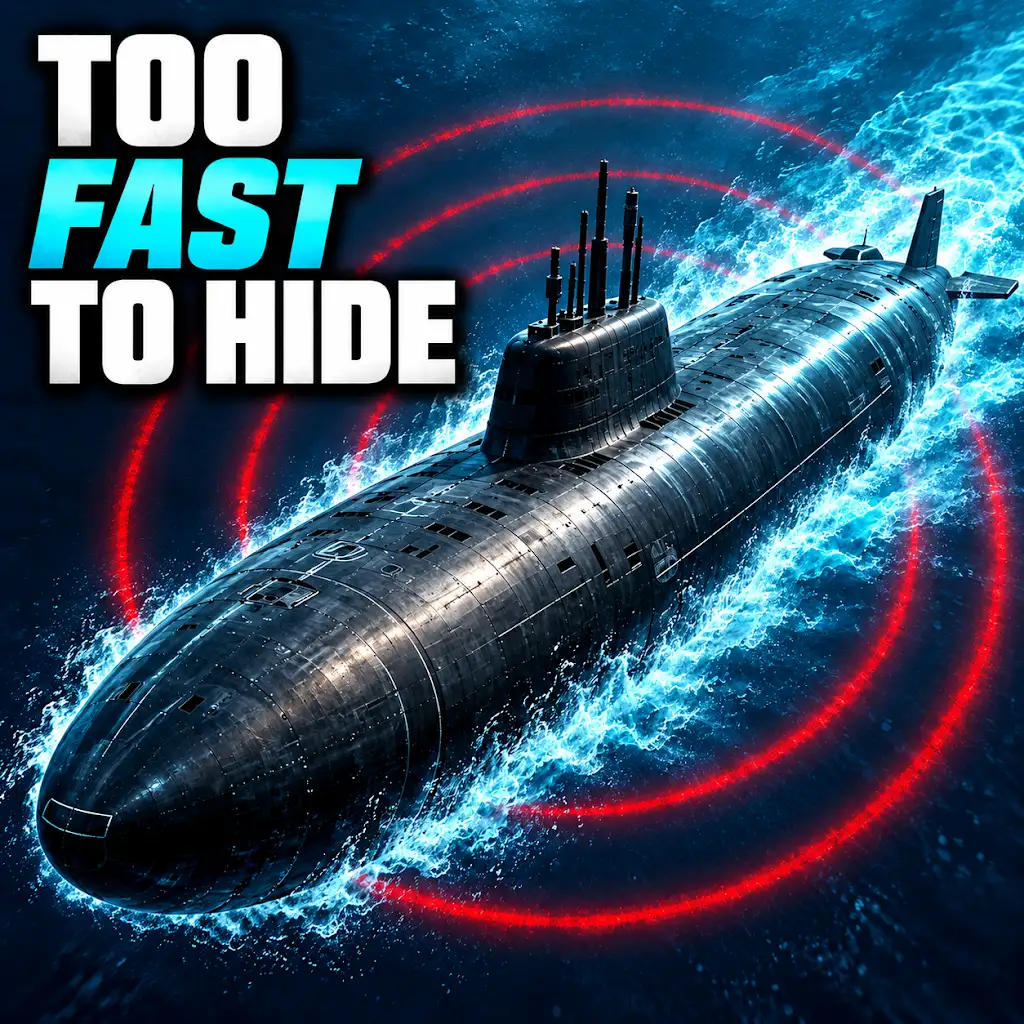
The Soviet Submarine That Broke a Speed Record—and Its Own Stealth
FAQs
What was the name of the Soviet submarine that could not hear at speed?
The Soviet submarine that could not hear at speed was known as the K-19.
Why was the K-19 referred to as the “Hiroshima”?
The K-19 was referred to as the “Hiroshima” due to the numerous accidents and malfunctions it experienced, leading to it being considered cursed by its crew.
What caused the K-19 to lose its ability to hear at speed?
The K-19 lost its ability to hear at speed due to a malfunction in its sonar system, which rendered it effectively deaf while moving quickly underwater.
How did the crew of the K-19 attempt to fix the issue with the sonar system?
The crew of the K-19 attempted to fix the issue with the sonar system by conducting repairs while at sea, despite the dangerous conditions and risks involved.
What was the outcome of the K-19’s mission after losing its ability to hear at speed?
Despite the challenges faced by the crew of the K-19, they were able to successfully complete their mission and return to port safely, showcasing their resilience and determination.