The chilling possibility of a Japanese plot to bomb the Panama Canal during the early years of World War II, though often relegated to the realm of speculative history, warrants a closer examination. While definitive, irrefutable proof of a meticulously planned and executed operation remains elusive, the strategic imperatives of the Empire of Japan, coupled with intelligence reports and the general geopolitical climate, paint a compelling, if hypothetical, picture of such an ambition. This article will delve into the motivations that might have driven such a daring endeavor, explore the technical and logistical challenges, examine the potential intelligence surrounding such a plan, and consider the far-reaching implications had such an attack been successful.
The Strategic Imperative: Why Target the Canal?
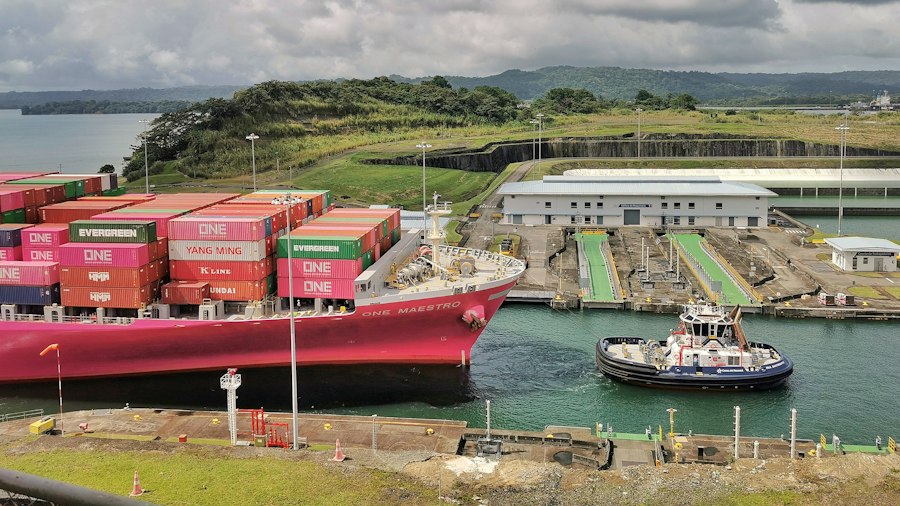
The Panama Canal, a marvel of engineering and a linchpin of global maritime trade, represented a vital artery connecting the Atlantic and Pacific Oceans. For any nation seeking to project power across these vast bodies of water, its control or disruption was of paramount importance. For Imperial Japan, a nation increasingly embroiled in expansionist ambitions in Asia and the Pacific, the Canal’s strategic significance was undeniable.
Disrupting American Naval Power
Japan’s primary strategic adversary in the Pacific was the United States. The U.S. Pacific Fleet, stationed at Pearl Harbor, was a formidable force. However, the ability of the U.S. to rapidly redeploy its naval assets between the Atlantic and Pacific was a significant advantage. A successful bombing of the Panama Canal would have crippled this strategic flexibility. Imagine a scenario where the U.S. required its fleet to respond to an escalation in the Atlantic; a damaged or destroyed Canal would force a circuitous and time-consuming journey around South America, rendering the fleet significantly delayed and potentially outmaneuvered by Japanese forces. This bottleneck effect would have allowed Japan greater freedom of action in the Pacific, enabling it to consolidate its gains and further expand its territorial reach without the immediate threat of overwhelming American naval power being brought to bear. The Canal’s disruption would have been a strategic masterstroke, effectively tying up a significant portion of American naval power for an extended period, a critical advantage in a prolonged global conflict.
Economic Warfare and Global Isolation
Beyond purely military considerations, the bombing of the Panama Canal would have been a potent weapon of economic warfare. The Canal’s role in facilitating global trade meant that its closure would have had cascading effects on economies worldwide. For the United States, it would have meant significantly increased shipping costs and delays for goods moving between its east and west coasts, as well as for its allies. For other nations reliant on the Canal, the disruption would have been equally severe. Japan, already facing increasing economic sanctions from Western powers due to its aggressive policies in China, might have seen the Canal bombing as a way to inflict retaliatory economic damage, further pressuring its adversaries and potentially forcing them to reconsider their policies. It was a means of inflicting pain on a global scale, designed to undermine the economic stability of its enemies and create a more favorable geopolitical environment for Japanese dominance in Asia.
A Psychological Blow
The symbolic importance of the Panama Canal as a testament to human ingenuity and American engineering prowess should not be underestimated. A successful attack on this iconic structure would have been a profound psychological blow to the United States and its allies. It would have demonstrated Japan’s reach and audacity, instilling fear and uncertainty, and potentially eroding public morale and support for the war effort. Such an act, if widely publicized, could have been used as propaganda by Japan to showcase its growing military might and its willingness to strike at the very heart of American infrastructure and pride. The aim would have been to demoralize the enemy and bolster the resolve of the Japanese populace, portraying their nation as a force capable of challenging the established world order.
In a fascinating exploration of World War II strategies, an article discusses Japan’s audacious plans to bomb the Panama Canal, a critical point for maritime trade and military logistics. This historical analysis sheds light on the strategic implications of such an operation and its potential impact on the war’s outcome. For more in-depth information, you can read the article here: Japan’s Planned Bombing of the Panama Canal.
The Technological and Logistical Hurdles
Even with the strongest motivations, the execution of a plan to bomb the Panama Canal presented monumental technological and logistical challenges for Imperial Japan in the early 1940s. The distance alone was staggering, and the means to deliver a significant destructive payload across such a vast expanse were limited.
Long-Range Bomber Capabilities
The primary challenge would have been the development and deployment of long-range bombers capable of reaching Panama from Japanese-controlled territories. At the time, Japan possessed some capable bomber designs, such as the Mitsubishi G4M “Betty,” known for its range. However, its operational radius was still considerably less than the approximately 7,000-mile round trip required to reach the Panama Canal from the nearest Japanese bases in the Pacific. To bridge this gap, a series of aerial refueling operations, or the establishment of forward operating bases much closer to the Canal, would have been necessary. Aerial refueling in the 1940s was a nascent and highly risky technology, with limited operational success. Establishing and defending forward bases would have required either capturing and holding territory deep within enemy-controlled waters or a highly daring and stealthy operation to temporarily utilize neutral islands, both fraught with peril and unlikely to go unnoticed by American intelligence.
Navigational Precision and Payload Delivery
Navigating such a long distance across open ocean, often in challenging weather conditions and without the benefit of modern GPS technology, would have been another significant hurdle. Navigational errors could easily lead bombers off course, rendering them unable to find their target or even causing them to run out of fuel. Furthermore, delivering a payload substantial enough to cause significant damage to the Canal’s locks and infrastructure would have required a concentration of bombing runs. This would have made the bombers vulnerable to anti-aircraft fire and fighter escorts, especially if they were detected approaching the Canal Zone. The sheer scale of the Canal’s locks meant that a single bomber, or even a small squadron, might not have been sufficient to cause irreparable damage. A sustained campaign would have been necessary, which would have been even more difficult to mount covertly.
Submarine and Naval Support
While the primary delivery method would likely have been aircraft, a comprehensive plan might have envisioned some degree of support from submarines or even surface naval vessels. These could have been tasked with reconnaissance, disrupting enemy patrols, or even launching torpedo attacks against naval assets in the vicinity of the Canal, creating a diversion or further complicating defense efforts. However, Japanese submarine technology and tactics, while advanced in some respects, might not have been sufficient to undertake such a complex and high-stakes mission in heavily patrolled waters without significant risk of detection and destruction. The logistics of coordinating air and sea assets across such distances and under potential enemy observation would have been a nightmare to manage.
Whispers in the Shadows: Intelligence and Reconnaissance
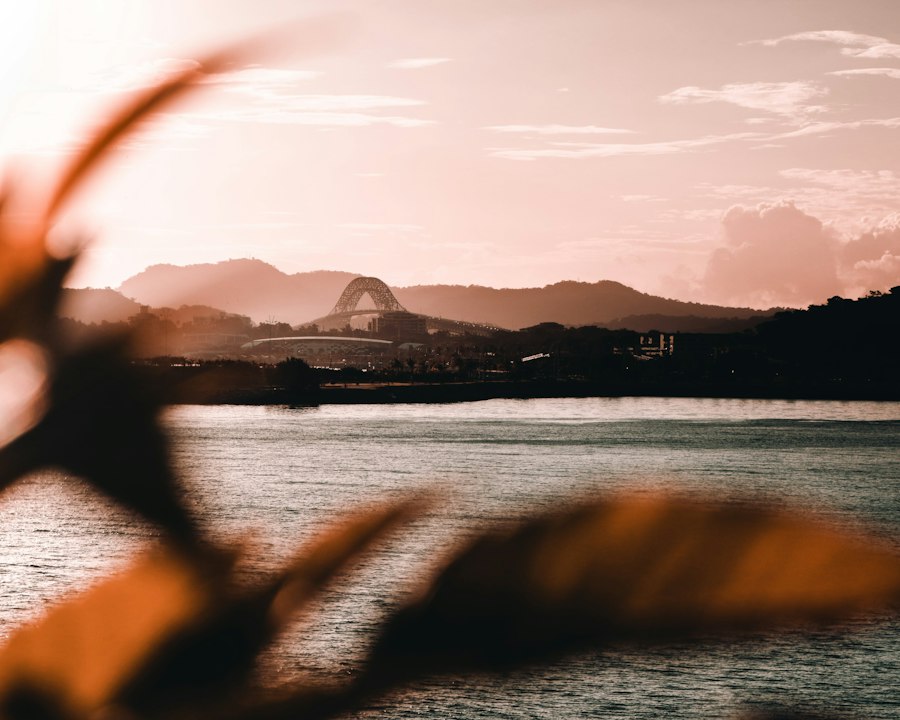
The notion of a Japanese plot against the Panama Canal is not entirely without basis in the realm of intelligence. While concrete plans may not have been fully formed or definitively uncovered, there were undoubtedly intelligence assessments and strategic discussions within both Japanese and American circles that touched upon the Canal’s vulnerability.
Japanese Strategic Assessments
Japanese military and naval strategists were acutely aware of the Panama Canal’s importance to the United States. Their operational planning, particularly in the lead-up to and early stages of the war, would have included assessments of potential enemy assets and vulnerabilities. It is highly probable that contingency plans existed, even if in broad strokes, for disrupting key American infrastructure, with the Panama Canal being a prime candidate. Declassified Japanese documents, though often couched in general terms, reveal a consistent focus on crippling American logistical capabilities and projecting power across the Pacific. While a direct “bombing plan” might not be explicitly detailed, the strategic thinking would have encompassed such possibilities as part of a broader war-winning strategy.
American Vigilance and Suspicions
Conversely, the United States was not entirely unaware of the potential threat. Intelligence agencies, including the Office of Naval Intelligence (ONI) and the newly formed Office of Strategic Services (OSS), were tasked with monitoring Japanese activities and assessing potential threats. While specific, credible intelligence about a direct plot to bomb the Panama Canal might have been scarce or ambiguous, the general awareness of Japan’s growing naval power and its strategic ambitions would have prompted increased vigilance in the vicinity of such a critical asset. Reports of unusual Japanese naval movements, intercepted communications, or even anecdotal evidence from neutral sources could have fueled suspicions, leading to heightened security measures and increased patrols around the Canal. The vastness of the ocean and the nature of espionage mean that not all potential threats are definitively identified, but the awareness of the possibility would have been present.
The “What If” Scenario in Historical Analysis
Much of the discussion surrounding a “Japanese plot” resides in the realm of historical analysis and counterfactual thinking. Historians and strategists often explore what might have been, based on known capabilities and objectives. In this context, the Panama Canal emerges as a logical target for a nation seeking to cripple its primary adversary. The absence of a confirmed, detailed plot does not negate the strategic logic or the potential for such an ambition to have been considered, even if it was ultimately deemed too risky or logistically unfeasible at a given time. It represents a fascinating intersection of strategic ambition and practical limitations, prompting us to consider the full spectrum of possibilities that may have existed in the minds of wartime planners.
The Unforeseen Consequences of a Successful Strike
Had a Japanese plot to bomb the Panama Canal materialized and succeeded, the ramifications would have been profound and far-reaching, extending beyond the immediate destruction and disruption. The global geopolitical landscape, the course of the war, and the balance of power could have been irrevocably altered.
A Shift in the Pacific Theater
The most immediate consequence would have been a significant shift in the balance of power in the Pacific. With the U.S. fleet effectively divided and its rapid deployment capabilities severely hampered, Japan would have gained a crucial strategic advantage. This could have allowed for swifter Japanese conquests in Southeast Asia and the Pacific Islands, potentially extending their reach to Australia and even the west coast of the Americas. The war in the Pacific could have become a protracted and far more challenging affair for the Allied forces, with the eventual outcome hanging precariously in the balance. The delay in American reinforcement and resupply would have allowed Japan to solidify its gains and build a more formidable defensive perimeter.
Prolongation of the Global Conflict
A successful bombing of the Panama Canal would have undoubtedly prolonged the global conflict. The United States, facing a more difficult and extended war in the Pacific, might have been forced to divert resources from other theaters, potentially impacting the war effort in Europe. The economic strain on all belligerent nations would have been amplified by increased shipping costs and the disruption of global trade routes. The sheer scale of the damage and the subsequent rebuilding efforts would have consumed vast resources and manpower, stretching the capabilities of all involved nations. The psychological impact on the Allied nations, facing such a daring and successful enemy attack on a symbol of their strength, could have led to a dip in morale and a questioning of the feasibility of eventual victory.
Repercussions for International Relations and Future Security
Beyond the immediate wartime consequences, a successful bombing of the Panama Canal would have had lasting repercussions on international relations and future security paradigms. It would have highlighted the vulnerability of critical global infrastructure and could have spurred a greater emphasis on collective security and the protection of international waterways. The United States, having suffered such a significant blow, would likely have re-evaluated its defense strategies and its role in global security, potentially leading to a more isolationist stance in the short term or, conversely, a more aggressive approach to military preparedness and technological innovation. The perception of American invincibility would have been shattered, forcing a global re-evaluation of power dynamics and the vulnerabilities of even the most seemingly secure nations. The lessons learned from such an event would have shaped defense strategies and international cooperation for decades to come.
In a surprising twist of historical events, Japan’s plans to bomb the Panama Canal during World War II have sparked renewed interest among historians and military enthusiasts alike. This strategic move was aimed at disrupting American supply lines and asserting dominance in the Pacific. For those looking to delve deeper into this fascinating topic, a related article provides an in-depth analysis of the implications and outcomes of such military strategies. You can read more about it in this insightful piece on the subject here.
The Unwritten Chapter: Hypothetical Scenarios and Enduring Questions
| Aspect | Details |
|---|---|
| Event | Japan’s plan to bomb the Panama Canal |
| Time Period | World War II (early 1940s) |
| Objective | Disrupt Allied supply and naval routes |
| Planned Method | Use of long-range bombers or submarines |
| Outcome | Plan was never executed |
| Strategic Importance of Panama Canal | Connects Atlantic and Pacific Oceans, vital for military and trade |
| Impact if Successful | Severe disruption to Allied naval operations and logistics |
While the existence of a concrete, actionable Japanese plot to bomb the Panama Canal remains in the realm of speculation, the exploration of such a hypothetical scenario offers valuable insights into the strategic thinking of the era and the interconnectedness of global power. It forces us to consider the myriad of possibilities that existed during a tumultuous period in history.
The Role of Unfulfilled Ambitions
It is entirely plausible that Japanese military planners considered a wide range of audacious operations, some of which were never fully developed or executed due to logistical constraints, resource limitations, or a shift in strategic priorities. The Panama Canal, with its immense strategic value, would have undoubtedly been on a list of high-priority targets for any nation seeking to dismantle the power of its primary adversary. The absence of a definitive historical record does not preclude the possibility of such ambitions existing and being explored, even if they remained in the conceptual stage. The sheer audacity of such an undertaking, when viewed through the lens of modern understanding, highlights the ambitious scope of Japan’s wartime objectives.
The Importance of Intelligence Gathering and Counterintelligence
The hypothetical nature of this plot underscores the perpetual importance of intelligence gathering and counterintelligence efforts. The ability to anticipate and thwart potential enemy plans, even those that seem far-fetched, is crucial for national security. The Panama Canal plot serves as a reminder that even the most advanced defenses can be vulnerable if the enemy possesses the capability and the will to strike at unexpected targets. The continuous effort to understand an adversary’s intentions, capabilities, and potential strategies is a cornerstone of effective defense and diplomacy.
Lessons for Today’s Globalized World
In today’s increasingly interconnected and globalized world, the lessons learned from contemplating such hypothetical scenarios remain relevant. Critical infrastructure, whether it be waterways, communication networks, or energy grids, remains vulnerable to attack. The Panama Canal plot, real or imagined, serves as a potent reminder of the complex interplay between strategic ambition, technological capability, and the enduring human desire to disrupt and dominate. It prompts us to consider the potential vulnerabilities of our own interconnected systems and the importance of vigilance, innovation, and international cooperation in safeguarding global stability. The enduring questions about what might have been continue to shape our understanding of past conflicts and inform our strategies for navigating the complexities of the present and future.
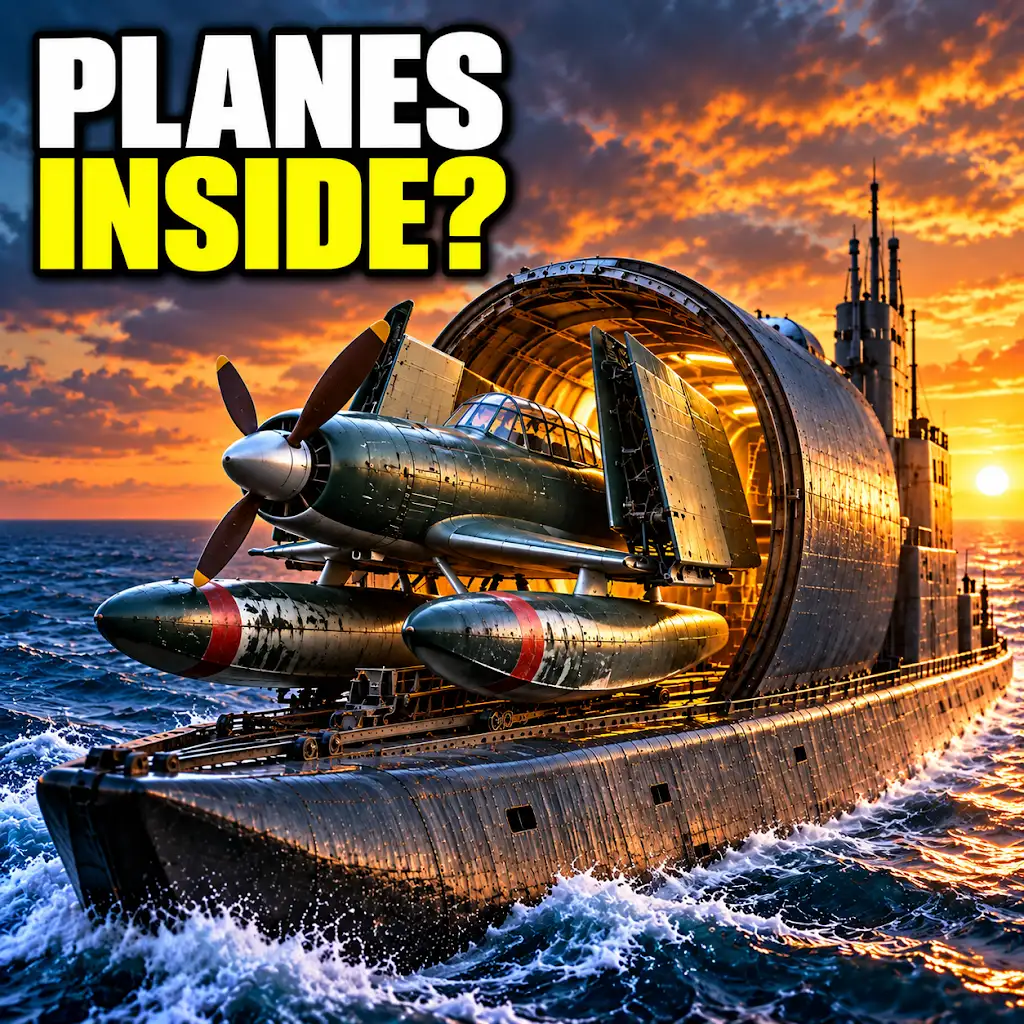
Japan Built a Submarine That Could Launch Three Planes
FAQs
What was Japan’s plan to bomb the Panama Canal?
Japan planned to bomb the Panama Canal in 1942 during World War II as part of their strategy to disrupt American supply lines and naval operations.
Why did Japan target the Panama Canal?
The Panama Canal was a crucial strategic point for the United States, as it connected the Atlantic and Pacific Oceans. By targeting the canal, Japan aimed to hinder American military operations and trade routes.
Did Japan successfully carry out the bombing of the Panama Canal?
No, Japan’s plan to bomb the Panama Canal was never executed. The operation was ultimately canceled due to logistical challenges and the shifting tides of the war.
What impact would the bombing of the Panama Canal have had on the war?
If Japan had successfully bombed the Panama Canal, it would have disrupted American naval operations and supply lines, potentially delaying the transportation of troops and supplies between the Atlantic and Pacific theaters of war.
How did the cancellation of the bombing of the Panama Canal affect the outcome of World War II?
The cancellation of the bombing of the Panama Canal did not have a significant impact on the outcome of World War II. Japan’s focus shifted to other strategic objectives, and the United States was able to maintain its military operations in the Pacific.