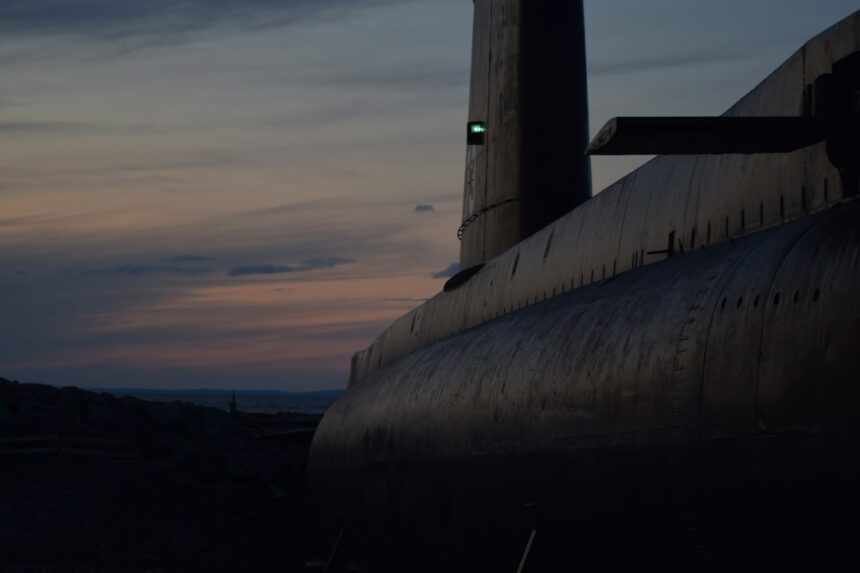
The vast, churning expanse of the Pacific Ocean during World War II became a crucible for innovation and destruction. Amidst the clash of titans – aircraft carriers, battleships, and their myriad escorts – lurked a more elusive and, at times, more terrifying threat: the submarine. While Germany’s U-boats etched their grim legend into the Atlantic’s history, Japan, a nation known for its meticulous engineering and daring ambition, embarked on its own ambitious submarine program, culminating in a class of vessels that, in many respects, pushed the boundaries of naval technology, earning them the moniker of “unstoppable forces.” These were not merely underwater craft; they were sophisticated weapons systems designed for strategic projection, reconnaissance, and a relentless assault on Allied shipping.
Architects of the Deep: The Genesis of Japanese Super Submarines
The Imperial Japanese Navy (IJN) harbored a deep-seated strategic doctrine that relied heavily on its submarine arm. Unlike the German U-boats, whose primary mission was often the attrition of supply lines, Japanese submarines were envisioned as powerful offensive weapons. They were intended to engage enemy capital ships, disrupt troop movements, and conduct daring raids on vital bases. This strategic imperative drove the development of increasingly larger, faster, and more heavily armed submarines, a departure from the more conventional designs seen elsewhere. The early stages of this development were influenced by foreign designs, but Japan quickly began to adapt and enhance these concepts, pushing the envelope of what was considered technically feasible for submarine construction.
Early Adaptations and Indigenous Innovation
Japan’s initial foray into submarine warfare involved the acquisition and study of foreign submarine designs, most notably from British and American submarines. These early acquisitions provided valuable blueprints and operational insights. However, the IJN was not content with mere replication. They possessed a remarkable capacity for indigenous innovation, driven by a desire to create vessels that could outmatch any potential adversary. This led to a focus on improving speed, both submerged and surfaced, increasing range, and developing advanced torpedo systems. The development of powerful diesel engines was crucial to achieving higher surfaced speeds, while improvements in battery technology and streamlining contributed to better submerged performance. This period saw the IJN experiment with various hull designs and propulsion systems, laying the groundwork for the more ambitious projects that would follow.
The Strategic Imperative: A New Kind of Naval Warfare
The IJN’s strategic thinking placed a premium on decisive battles and the projection of power across the vast Pacific. Submarines were seen as a key component in achieving these objectives. Their ability to operate undetected and strike with devastating torpedoes made them ideal for hunting enemy warships, particularly the prized aircraft carriers and battleships that formed the backbone of the US Navy. Furthermore, Japanese submarines were equipped for reconnaissance missions, providing invaluable intelligence on enemy fleet movements. They were also tasked with the vital role of supplying isolated garrisons and conducting special operations, further diversifying their operational scope. This multi-faceted approach distinguished the IJN’s submarine strategy from many of its contemporaries, emphasizing versatility and offensive capability.
For those interested in the fascinating history of Japanese super submarines during World War II, a related article can be found at this link: In the War Room. This article delves into the technological advancements and strategic significance of these formidable vessels, exploring how they were designed to challenge naval supremacy and alter the course of maritime warfare in the Pacific Theater.
The Giants of the Abyss: Design and Technological Prowess
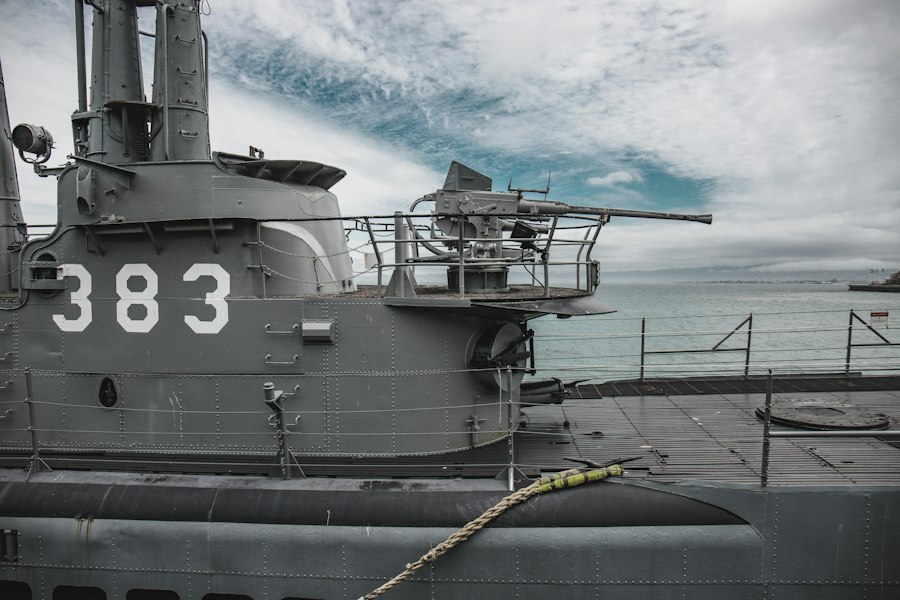
The term “super submarine” accurately describes the late-war Japanese designs. These were not the relatively small, nimble craft that characterized much of the early submarine warfare. Instead, Japan embarked on building colossal submarines, some among the largest ever constructed for military purposes during the war. These leviathans were designed for extended patrols, significant armament, and a level of sophistication that was, in many ways, ahead of its time. The sheer scale of these vessels allowed for the carriage of more fuel, more torpedoes, and more advanced equipment, enabling them to operate over greater distances and engage a wider range of targets.
The I-400 Class: Unprecedented Ambitions
The pinnacle of Japanese submarine design was undoubtedly the I-400 class. These submarines were not just large; they were gargantuan, displacing over 5,000 tons when fully loaded. Their most astonishing feature was their ability to carry not one, but three Aichi E16A “Zuiun” floatplanes within a hangar on their main deck. These aircraft were equipped with torpedoes and bombs, intended for use in surprise attacks against targets as far away as the United States mainland. The strategic vision behind the I-400 class was audacious: to launch carrier-based aircraft from submarines, bypassing the need for traditional aircraft carriers and striking at enemy infrastructure and morale. This concept, unprecedented in its scale and ambition, represented a radical rethinking of naval power projection.
Advanced Propulsion and Weaponry
Beyond their sheer size, the I-400 class and other late-war Japanese submarines boasted significant technological advancements. Their diesel engines were powerful, allowing for respectable surfaced speeds, and their electric propulsion systems provided a reasonable submerged speed. They were equipped with an impressive array of torpedo tubes, often forward-facing and some designed for specialized torpedoes, including the Type 93 “Long Lance,” a highly effective oxygen-fueled torpedo. The integration of these aircraft, coupled with their substantial torpedo armament and considerable range, made them a formidable and versatile weapon platform. The ability to launch aircraft from a submerged platform, even if the submarine had to surface for takeoff and recovery, was a testament to the IJN’s pioneering spirit and engineering prowess.
The history of Japanese super submarines during World War II is a fascinating yet often overlooked aspect of naval warfare. These advanced vessels, designed for stealth and power, played a significant role in Japan’s maritime strategy. For those interested in learning more about this topic, a related article can be found here, which delves into the technological innovations and operational challenges faced by these formidable submarines. Understanding their impact provides valuable insights into the broader context of naval engagements during the war.
Reconnaissance and Special Operations Capabilities
The large size of these submarines also facilitated extensive reconnaissance and special operations capabilities. They carried advanced radio equipment, allowing for improved communication and intelligence gathering. They were often equipped with specialized equipment for mine laying, troop transport, and even the deployment of small suicide craft. The ability to remain at sea for extended periods, supported by their substantial fuel capacity, made them ideal for long-range reconnaissance missions into enemy waters, providing invaluable intelligence on Allied fleet movements and shore defenses. This versatility further cemented their status as multi-purpose strategic assets.
Strategic Deployments and Notable Engagements
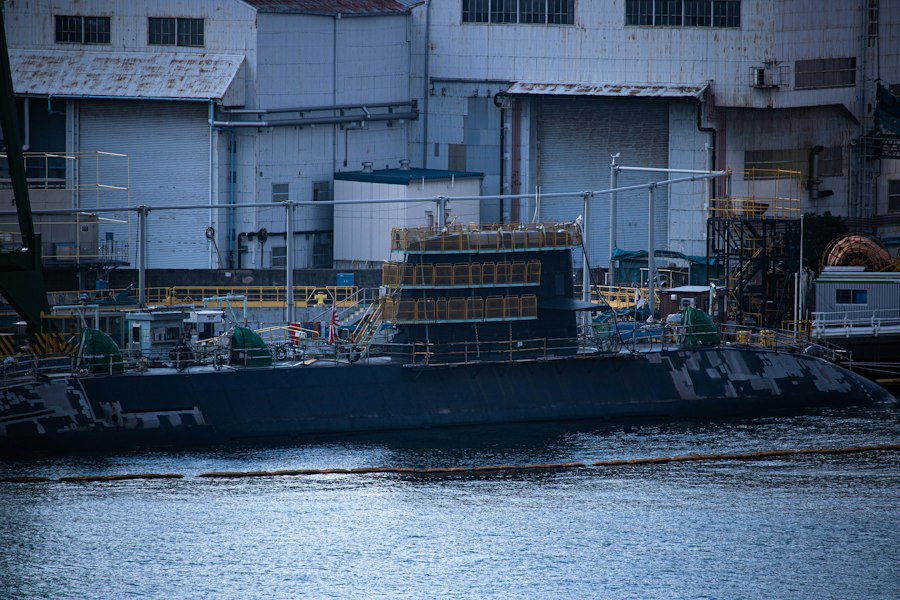
The deployment of these super submarines was often shrouded in secrecy, reflecting their strategic importance and the IJN’s desire to achieve surprise. While their potential was immense, their operational effectiveness was ultimately hampered by a combination of factors, including dwindling resources, Allied air and anti-submarine superiority, and often, questionable strategic objectives. Nevertheless, the submarines that did see action left their mark on the war, even if not always in the decisive manner envisioned by their designers.
The I-400 Class’s Ill-Fated Mission
The most ambitious mission of the I-400 class was intended to be an attack on the Panama Canal. The idea was to launch their aircraft to drop bombs, disrupting the canal’s operations and significantly impacting Allied logistics. However, by the time the I-400 class was ready for combat, the strategic situation had dramatically shifted. The United States had gained overwhelming air superiority, and the war was tilting decisively in the Allies’ favor. The Panama Canal mission was ultimately redirected to attack the U.S. Navy’s fleet carrier force at Ulithi Atoll. While the submarines successfully launched their aircraft, the attack was largely ineffective due to poor weather conditions and the fact that the intended targets, the U.S. carriers, had already departed the area. The I-400 class submarines were ultimately scuttled by their crews to prevent capture by American forces.
Other Large Submarine Operations
Beyond the I-400 class, other large Japanese submarines, such as the I-19 and the I-169, played significant roles in various theaters of the war. The I-19, for example, is credited with sinking the USS Wasp and damaging the USS North Carolina in a single attack in 1942, a devastating blow to the American Pacific fleet. These large submarines were also crucial for resupplying isolated Japanese garrisons in the Pacific islands and for conducting daring raids on Allied shipping lanes. Their long range and heavy armament made them a persistent threat, forcing the Allies to dedicate significant resources to anti-submarine warfare. The sheer size and capabilities of these vessels meant that even a single successful engagement could have a disproportionate impact on Allied morale and materiel.
The Challenge of Anti-Submarine Warfare
The effectiveness of these Japanese super submarines, even in the face of Allied technological and numerical superiority, highlights the persistent challenge of anti-submarine warfare. The vastness of the Pacific, coupled with the stealth of submarines, made them incredibly difficult to locate and destroy. Allied naval forces developed sophisticated sonar systems, air patrols, and specialized anti-submarine tactics, but the Japanese submarines, with their advanced design and strategic deployment, continued to pose a significant threat throughout the war. The existence of these large, capable submarines necessitated a continuous escalation of Allied ASW efforts, demonstrating their strategic impact.
The Twilight of Ambition: Decline and Legacy
The dream of the unstoppable Japanese super submarine ultimately faded with the fortunes of the Empire. The overwhelming industrial might of the United States, coupled with advancements in Allied anti-submarine warfare, gradually strangled Japan’s submarine offensive. The resources required to build and maintain these sophisticated vessels became increasingly scarce as the war progressed, and the loss of experienced crews and skilled engineers took its toll. Despite their ultimate failure to achieve decisive strategic victories, the Japanese super submarines left an enduring legacy.
Resource Scarcity and Allied Superiority
As the war entered its later stages, Japan found itself increasingly unable to replace its losses. The industrial capacity of the United States far outstripped that of Japan, meaning that for every Allied ship sunk, the Americans could build several more. Furthermore, Allied advances in radar, sonar, and code-breaking made submarine operations increasingly perilous. The systematic destruction of Japanese shipping, both military and merchant, severely hampered the nation’s ability to import vital resources and export its manufactured goods, further compounding the difficulties faced by its submarine fleet.
The Technological Forefront and Future Implications
Despite their wartime limitations, the Japanese super submarines represented a remarkable leap forward in submarine technology. The I-400 class, with its integrated aircraft carrier capabilities, was a visionary concept that foreshadowed the development of aircraft carriers and amphibious assault ships in the post-war era. The focus on speed, range, and offensive capability influenced submarine design for decades to come. The lessons learned from the development and deployment of these vessels, both by Japan and its adversaries, contributed significantly to the evolution of naval warfare and submarine technology in the Cold War and beyond.
A Symbol of Daring and Innovation
In retrospect, the Japanese super submarines stand as a testament to the daring innovation and engineering prowess of a nation under siege. They were ambitious, technologically advanced, and represented a significant departure from conventional submarine design. While they may not have achieved their ultimate strategic objectives, they served as a potent symbol of Japan’s determination to challenge the Allied powers on the vast Pacific. Their legacy lies not just in their operational history, but in the technological advancements they embodied and the enduring fascination they continue to hold for military historians and naval enthusiasts alike. They were, in their own way, the unstoppable forces that prowled the deep, a haunting reminder of the ingenuity and destructive potential unleashed during the Second World War.
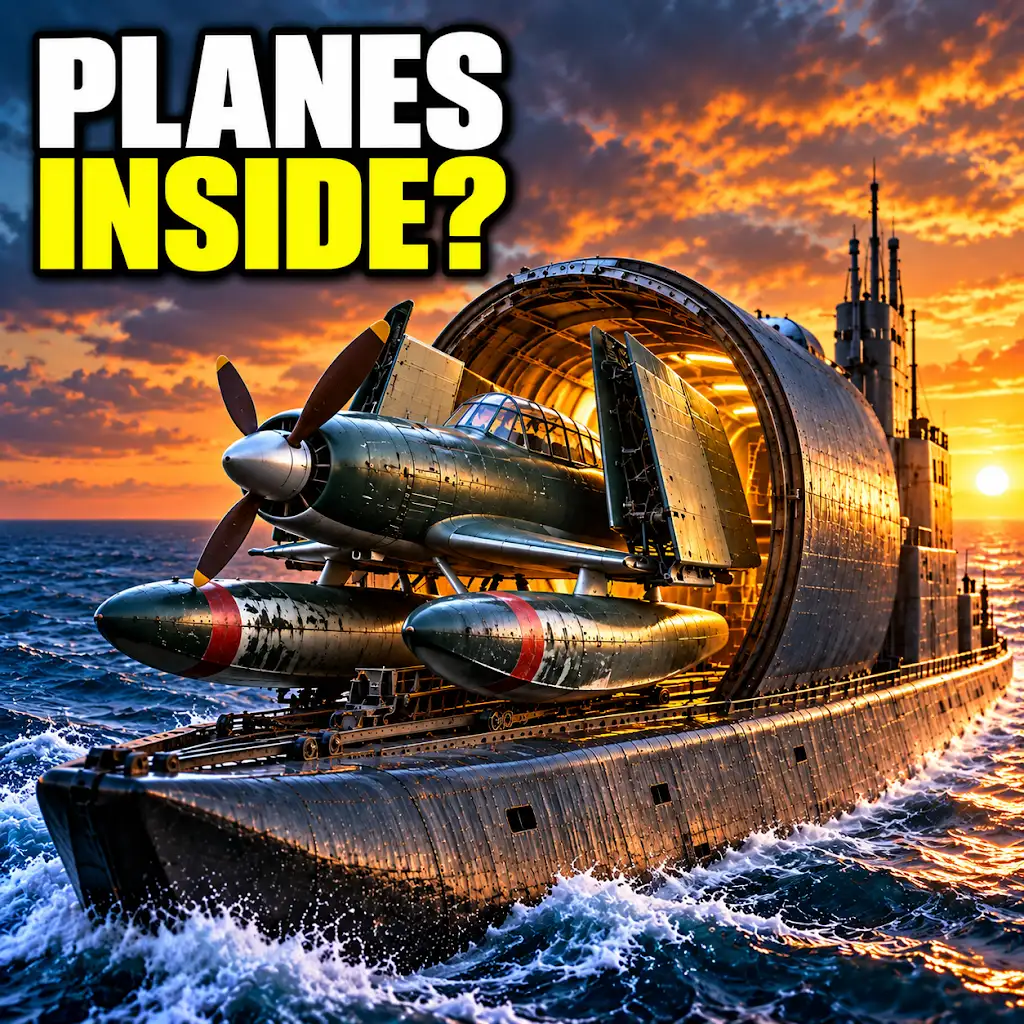
Japan Built a Submarine That Could Launch Three Planes
FAQs
What was the name of the Japanese super submarine in World War II?
The Japanese super submarine in World War II was called the I-400-class submarine.
What made the I-400-class submarine unique?
The I-400-class submarine was unique for its large size, advanced technology, and long-range capabilities, making it one of the most innovative submarines of its time.
What was the primary purpose of the I-400-class submarine during World War II?
The primary purpose of the I-400-class submarine during World War II was to serve as an aircraft-carrying submarine, capable of launching and retrieving seaplanes for reconnaissance and bombing missions.
How many I-400-class submarines were built by Japan during World War II?
Japan built a total of three I-400-class submarines during World War II: the I-400, I-401, and I-402.
What ultimately happened to the I-400-class submarines after World War II?
After World War II, the I-400-class submarines were captured by the United States Navy, studied for their advanced technology, and eventually scuttled off the coast of Hawaii in 1946.